




Strait of Hormuz Blockade Drives 15-25% Shipping Cost Surge | Cross-Border Sellers Face Supply Chain Crisis
- Hormuz traffic collapsed 95% (6 vs 125-140 daily vessels); Brent crude +$7/barrel weekly; Red Sea rerouting adds 10-14 days & 20-30% freight premiums for Asia-Europe-US trade corridors





















Overview
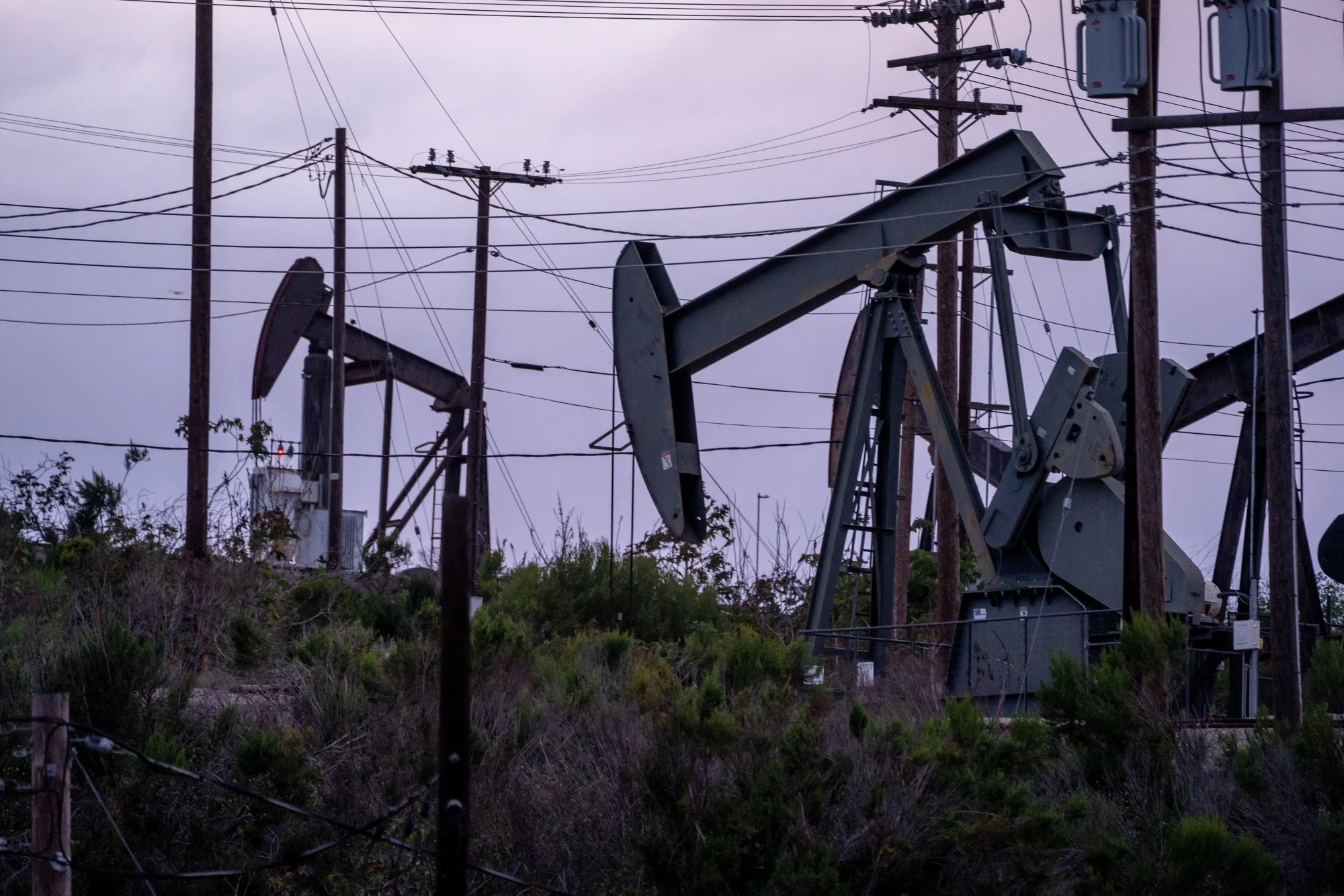
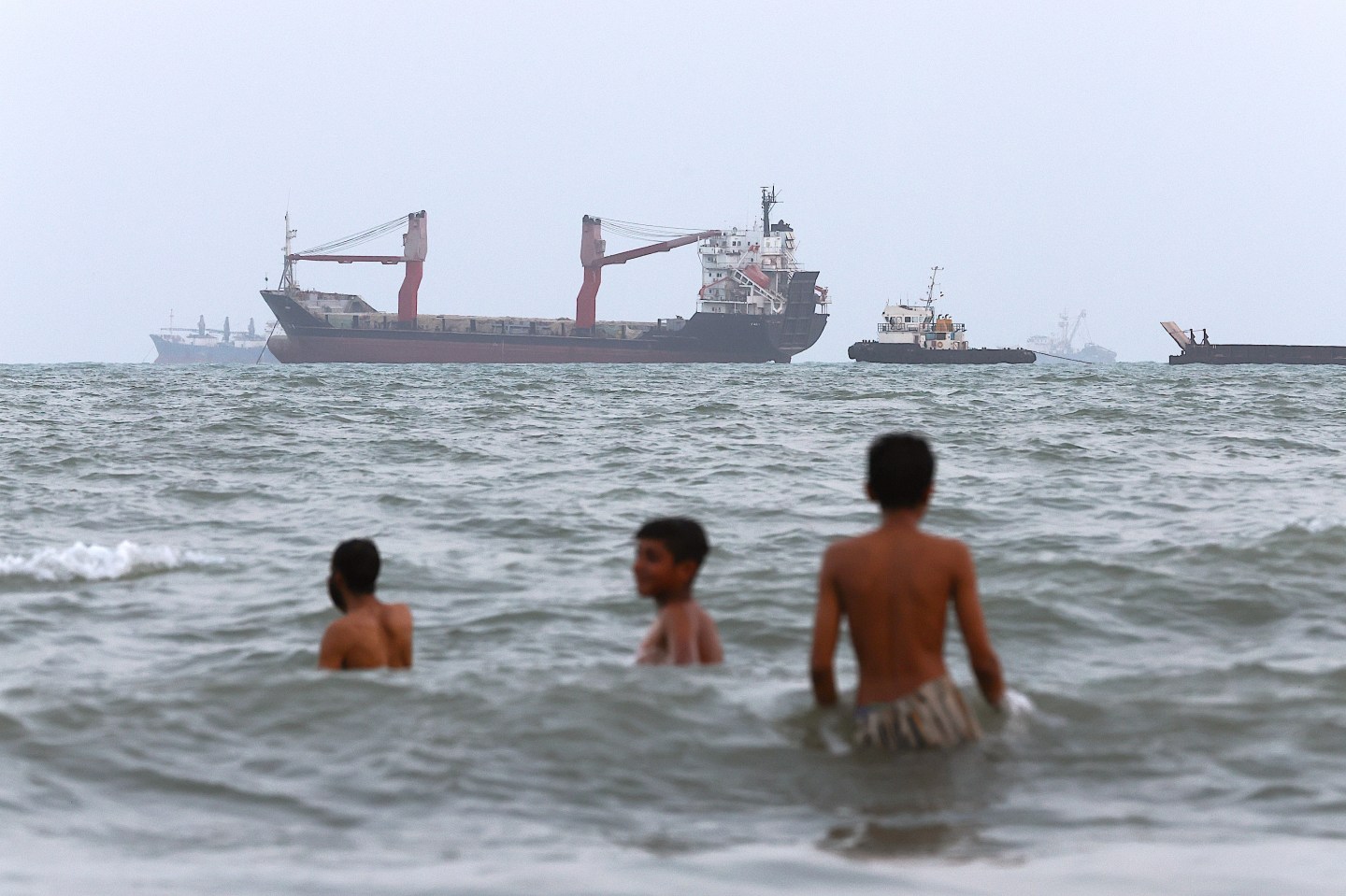
The escalating Iran-US geopolitical crisis has created an unprecedented supply chain emergency for cross-border e-commerce sellers. As of August 2026, the Strait of Hormuz—which handles 20% of global oil trade and serves as a critical shipping corridor—has experienced a catastrophic 95% traffic collapse, dropping from pre-war daily averages of 125-140 vessels to just 6 vessels on August 12. This disruption stems from Iran's threats to close the waterway unless the US lifts sanctions, combined with Houthi attacks on commercial vessels in the Bab el-Mandeb Strait and the Red Sea. The International Energy Agency reports global oil inventories have plunged 2.2 million barrels daily, with stocks falling below 7.9 billion barrels for the first time since April 2025, while the EIA projects 600,000 barrels per day in Middle East supply disruptions persisting through end of 2027.
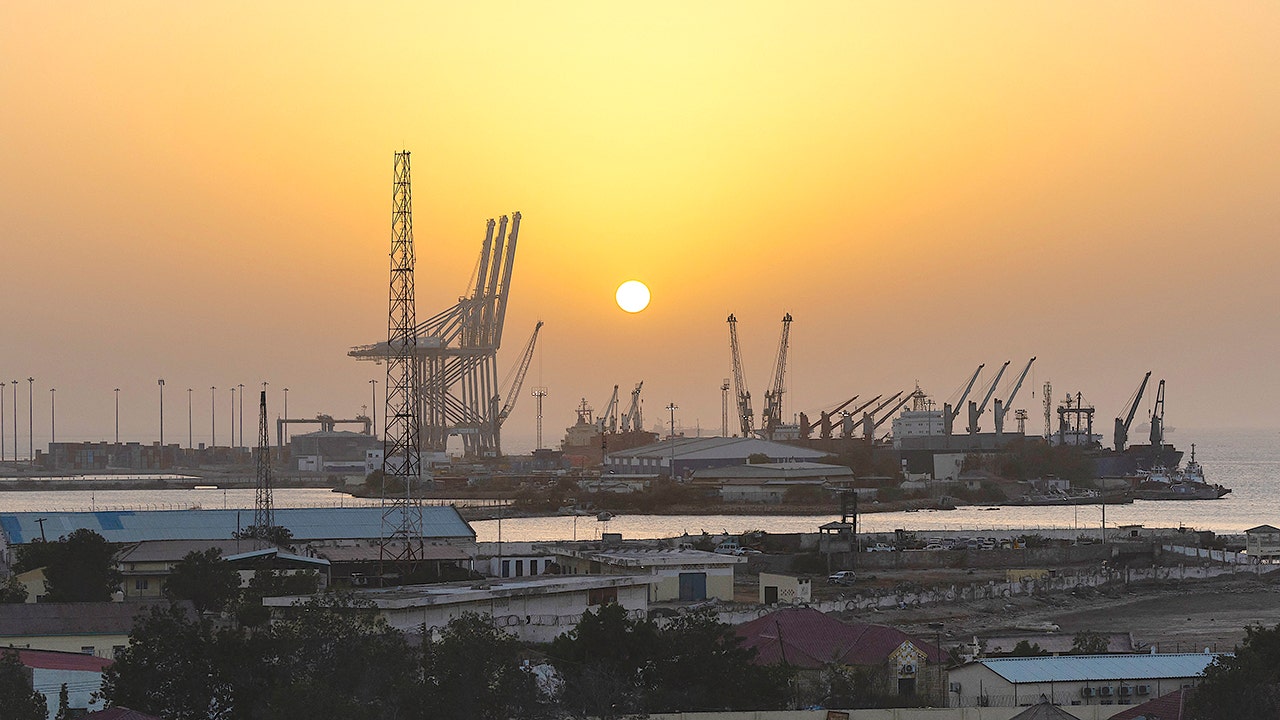
For cross-border sellers, the operational impact is severe and immediate. Sellers routing inventory from Asia to Europe or North America via the Suez Canal face three critical challenges: (1) Freight cost escalation: Shipping rates have increased 15-25% as carriers implement fuel surcharges and insurance premiums rise due to heightened maritime risk. Brent crude futures gained 0.81% to $89.63/barrel on August 12, with October delivery contracts rising $0.60 to $89.44, extending weekly rallies exceeding $7. (2) Transit time delays: The Suez Canal region handles approximately 12% of global trade, but disruptions force rerouting around Africa, adding 10-14 days to delivery timelines. This directly impacts inventory turnover, Amazon FBA storage fees (which escalate for slow-moving inventory), and customer satisfaction metrics affecting Buy Box eligibility. (3) Supply chain uncertainty: The geopolitical situation remains fluid with no definitive resolution timeline. Iran's top adviser suggested Tehran could prolong hostilities until Trump leaves office, while the Mecca Joint Defence Agreement (signed August 7 by Saudi Arabia, Turkey, and Pakistan) signals potential regional escalation rather than de-escalation.
Specific seller segments face differentiated impacts. Small-to-medium sellers (SMBs) shipping 500-2,000 units monthly from China/Vietnam to US/EU markets face 20-30% margin compression on products with <30% gross margins (electronics, home goods, apparel). Large sellers with diversified sourcing can absorb costs through volume leverage and alternative routing. Sellers dependent on just-in-time inventory models face critical stockout risks, while those with 60-90 day buffer stock can weather the disruption. The 55 commercial vessels redirected by US forces since July, combined with three noncompliant ships disabled and two boarded, create compliance complexity for sellers using non-standard shipping routes. The news confirms that diplomatic efforts remain stalled—Iran's Supreme National Security Council demands blockade removal, sanctions relief, and war reparations, while Trump counters with compensation demands—indicating this crisis will persist through at least Q4 2026.
Questions 8
Will my Amazon FBA inventory get stuck due to shipping delays?
Yes, significantly. Rerouting shipments around Africa adds 10-14 days to transit times, directly impacting inventory velocity and Amazon FBA storage fees. Slow-moving inventory (BSR >100K) incurs $0.87/unit/month storage fees starting February, escalating to $1.23/unit/month June-September. A seller with 5,000 units in FBA facing 14-day delays could see storage costs increase $4,350-6,150 monthly. Monitor your Inventory Performance Index (IPI) score closely—delayed inventory lowers IPI, reducing Buy Box eligibility. Prioritize fast-moving SKUs (BSR <50K) and consider FBM (Fulfilled by Merchant) for slower items to avoid storage penalties.
How much will my shipping costs increase due to Hormuz Strait disruptions?
Freight costs are rising 15-25% for Asia-Europe-US routes as carriers implement fuel surcharges and maritime insurance premiums spike. Brent crude jumped $7/barrel in one week (August 12-19, 2026), with October futures at $89.44/barrel. For a seller shipping 1,000 units monthly from China to US, expect $2,000-4,000 additional monthly costs. The EIA projects 600,000 barrels/day supply disruptions through end of 2027, meaning these elevated costs will persist. Consider renegotiating contracts with 3PL providers immediately and exploring alternative sourcing from India, Vietnam, or Mexico to bypass affected corridors.