

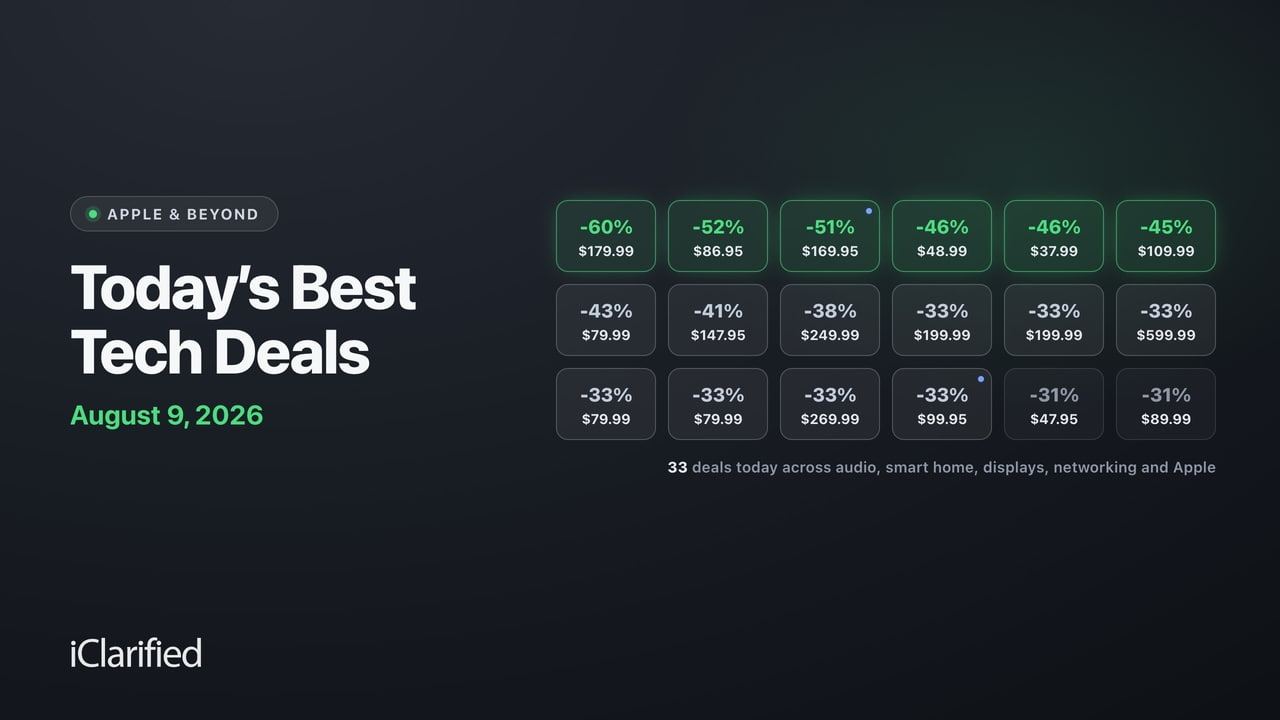



Amazon AirPods Discounts Up to $100 | Consumer Electronics Pricing Strategy & Seller Competitive Response
- Amazon slashes AirPods prices up to $100 on Pro and Max models, signaling aggressive seasonal promotional strategy that reshapes competitive pricing dynamics for electronics sellers across all platforms












Overview
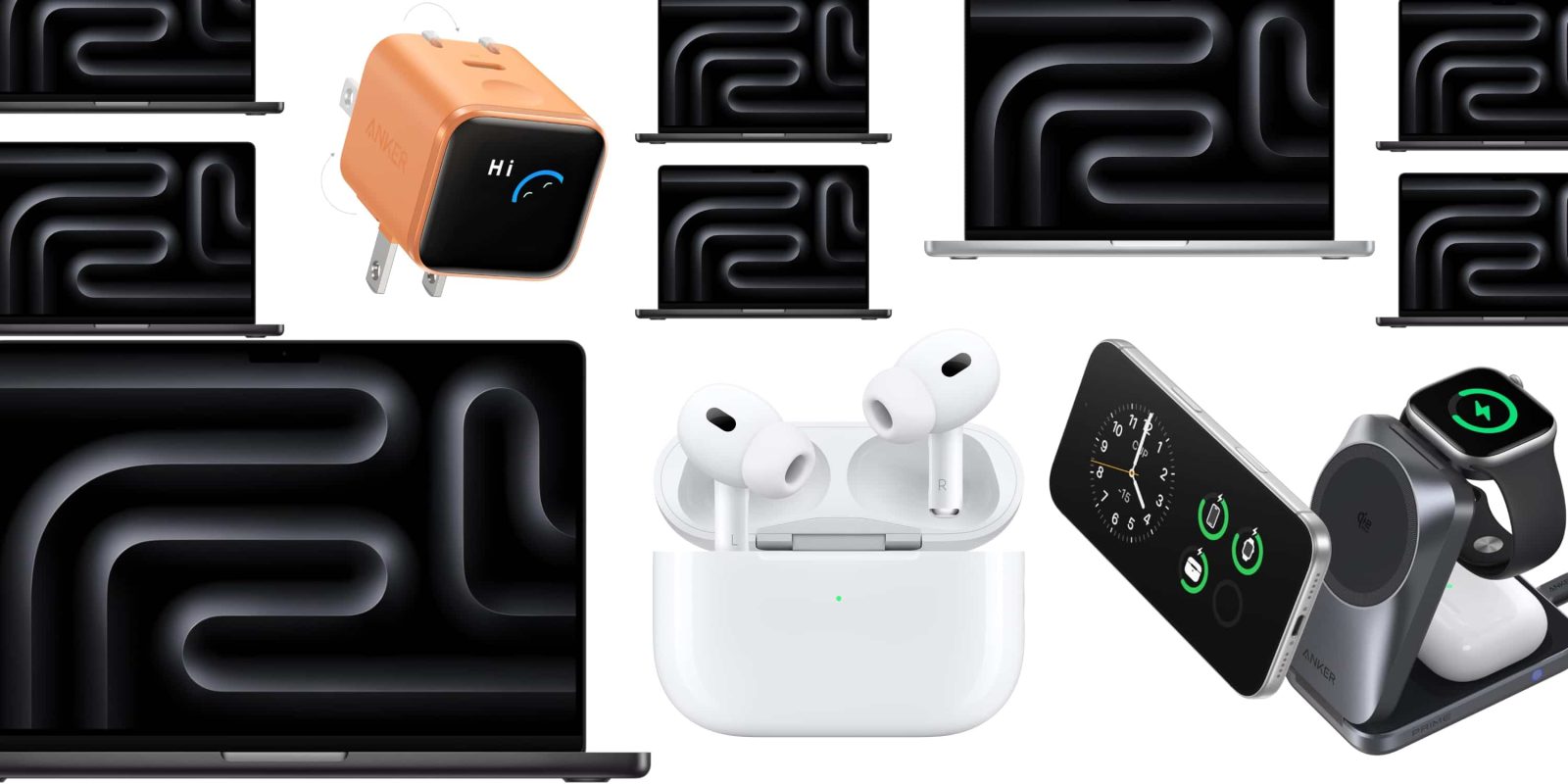
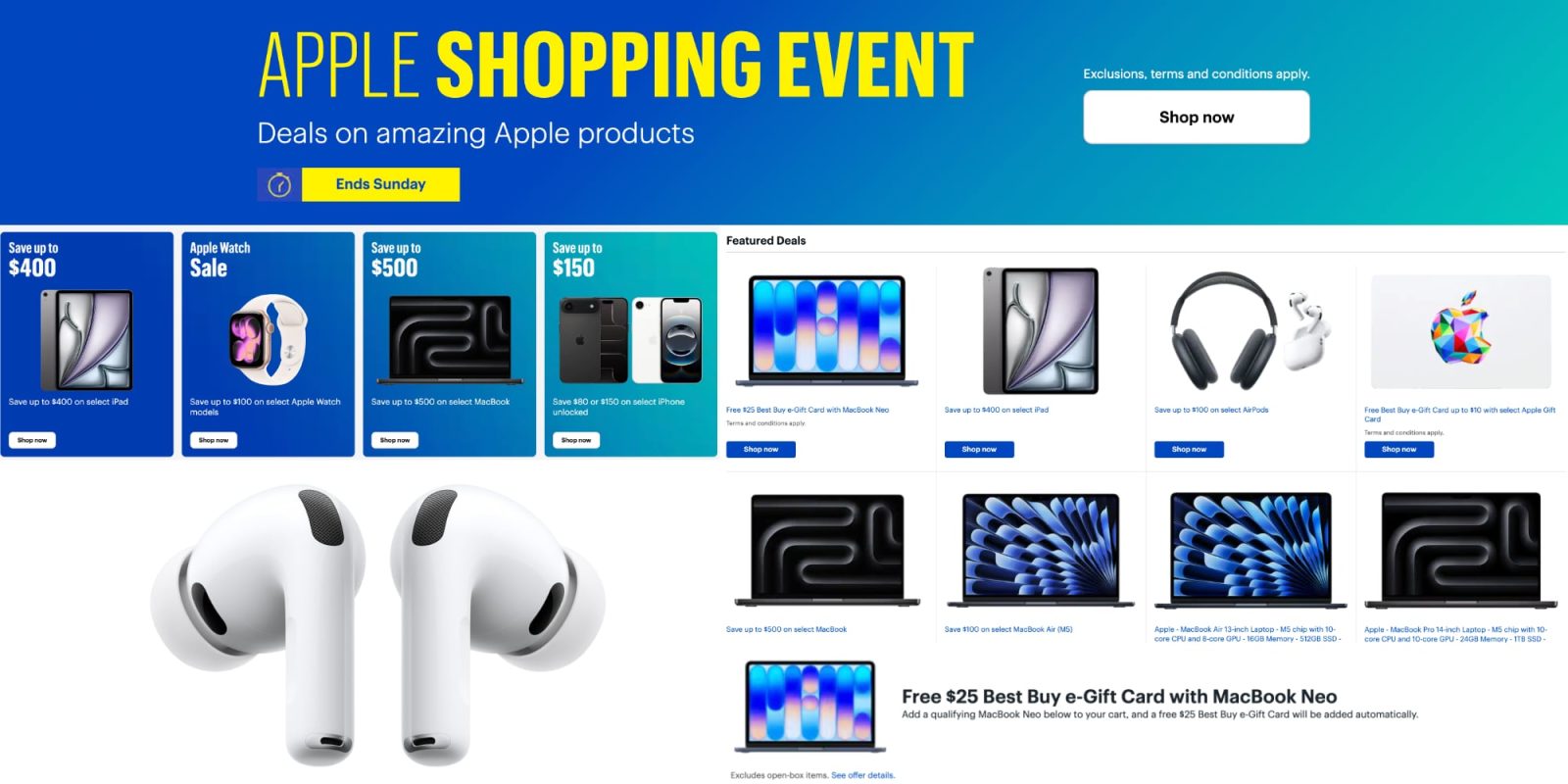
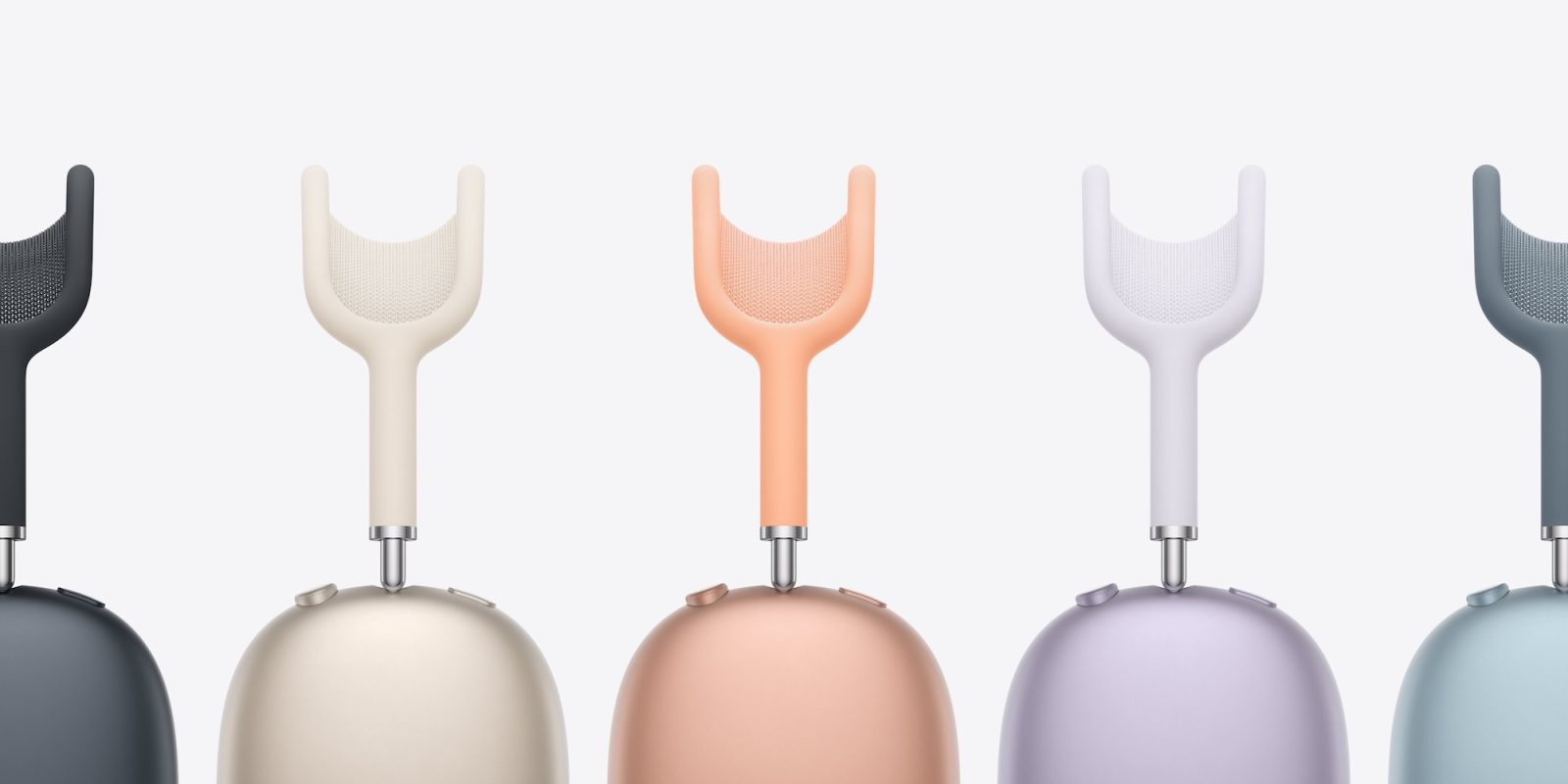
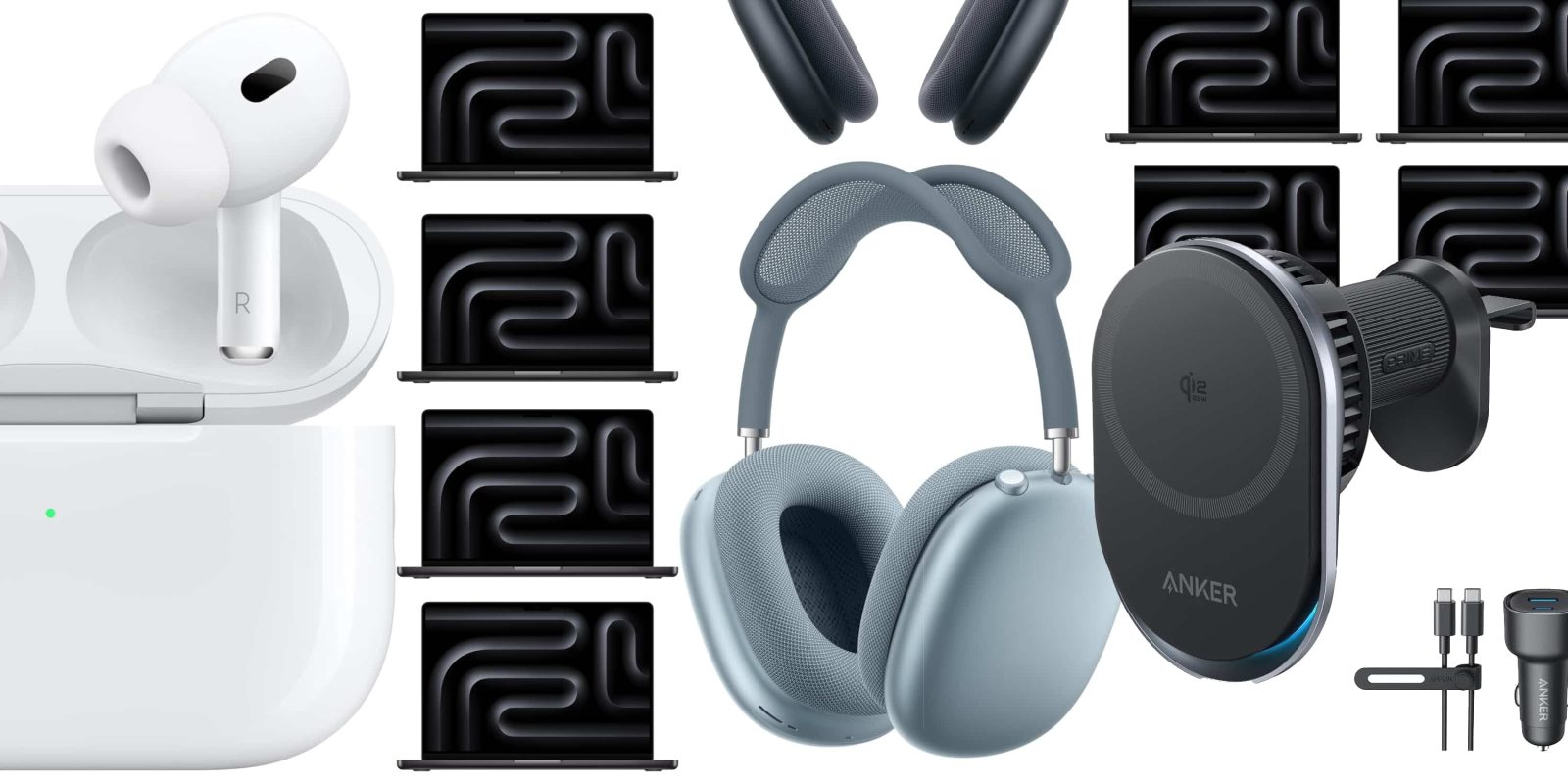
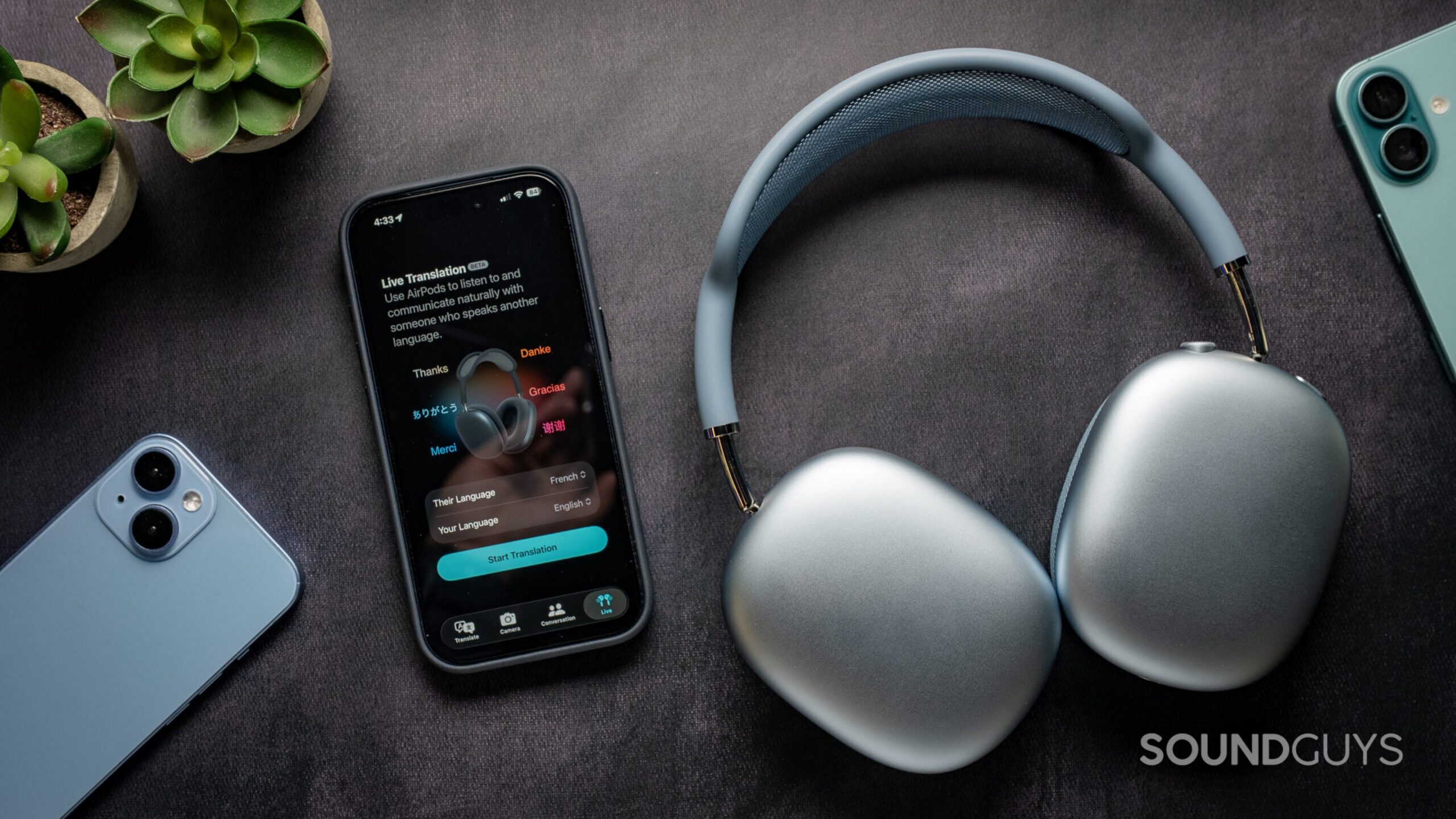
Amazon's current promotion offering up to $100 discounts on Apple AirPods—including premium models like AirPods Pro and AirPods Max—represents a critical competitive pricing signal for third-party sellers in the consumer electronics category. While positioned as a seasonal retail event, this first-party promotional activity directly impacts third-party seller strategy across multiple dimensions: pricing competitiveness, inventory positioning, and Buy Box eligibility on Amazon.
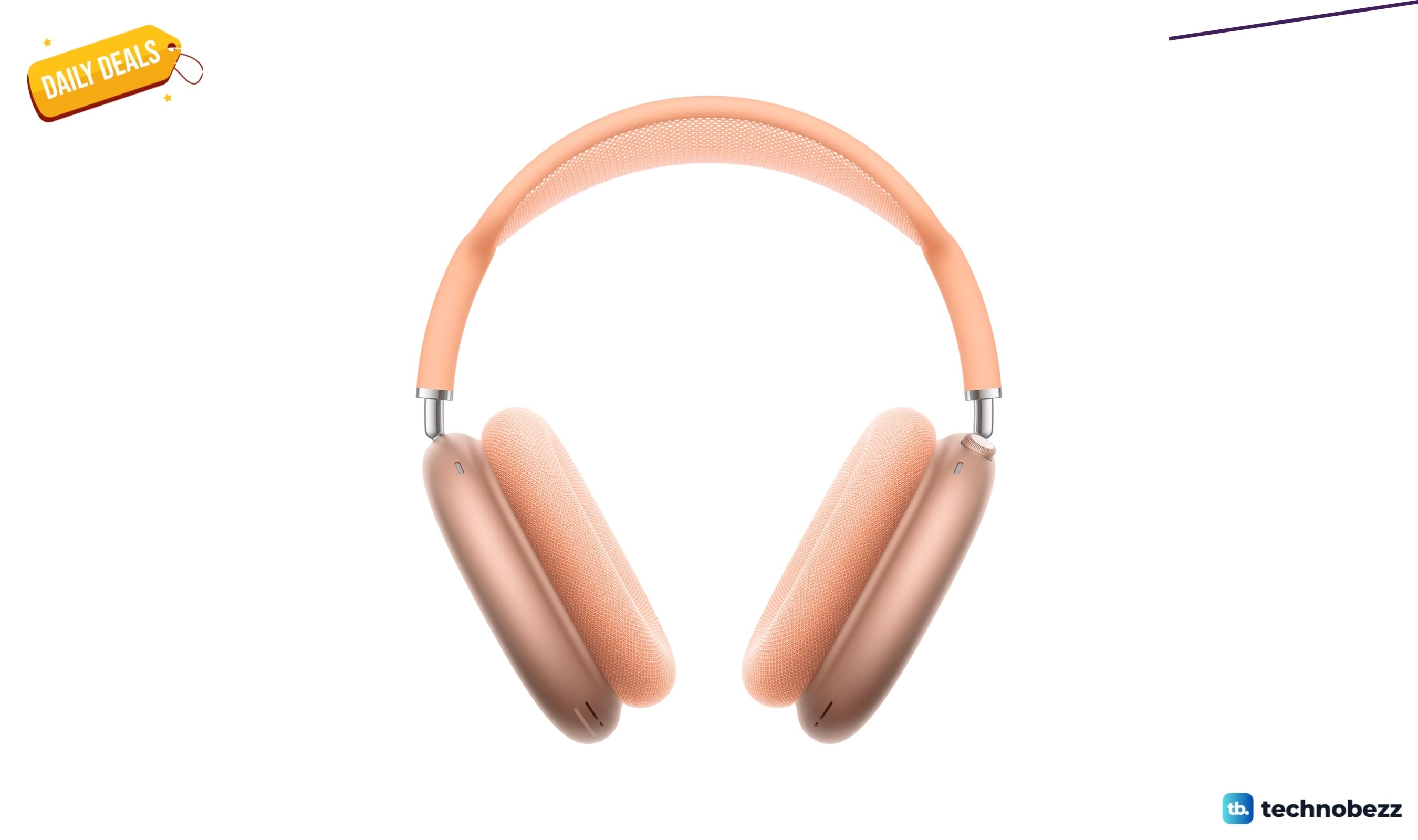
Competitive Pricing Pressure & Buy Box Dynamics: Amazon's aggressive first-party pricing creates immediate pressure on third-party sellers competing in the same ASIN space. Sellers offering AirPods must now recalibrate their pricing strategies to remain competitive for Buy Box placement, which typically requires matching or undercutting Amazon's displayed price. For sellers with AirPods inventory, this promotion effectively compresses margins by 8-15% during the promotional window. The $100 discount on premium models (AirPods Max typically retail $549) represents an 18% price reduction—a threshold that forces sellers to choose between margin compression or losing visibility in search results and Buy Box placement.
Category-Wide Implications for Electronics Sellers: This promotion illustrates Amazon's broader strategy of using first-party pricing to drive category traffic and customer acquisition. For third-party sellers in consumer electronics, this signals that seasonal promotional calendars are increasingly aggressive. Sellers should expect similar promotional intensity during Q4 (holiday season), Prime Day events, and back-to-school periods. The promotion affects not just AirPods but adjacent categories—Bluetooth speakers, wireless earbuds, and audio accessories—where sellers may see spillover competitive pressure as consumers compare products during peak shopping periods.
Strategic Inventory & Pricing Implications: Sellers holding AirPods inventory face a critical decision: liquidate at reduced margins during the promotional period or hold inventory for post-promotion price recovery. Historical data shows that Amazon's promotional windows typically last 2-4 weeks, after which prices normalize. However, consumer expectations are reset during promotions—customers who purchase at $100 discounts become less willing to pay full retail in subsequent months. This creates a "ratchet effect" where baseline pricing expectations decline.
Platform Diversification Opportunity: The aggressive Amazon pricing creates a relative advantage for sellers on alternative platforms (eBay, Shopify, specialty audio retailers) where consumers may be less price-sensitive or where brand-authorized resellers can command premium positioning. Sellers with established audiences on Shopify or eBay can position premium audio products as curated, expert-selected alternatives to Amazon's commodity pricing.
Questions 7
What is the typical timeline for price recovery after Amazon ends a major electronics promotion?
Amazon's promotional windows typically last 2-4 weeks, with prices recovering 60-80% of the discount within 1-2 weeks post-promotion. However, full price recovery to pre-promotion levels takes 4-8 weeks as customer demand normalizes and inventory levels stabilize. During the recovery period, third-party sellers should gradually increase prices in 5-10% increments every 3-5 days rather than jumping to full retail immediately—sudden price increases trigger negative customer reviews and reduce conversion rates. Monitor competitor pricing and adjust based on Buy Box dynamics. Expect 20-30% lower sales volume during the recovery period as customers who purchased at promotional prices exit the market.
How can sellers on Shopify or eBay capitalize on Amazon's aggressive AirPods pricing?
Alternative platforms offer relative pricing advantages during Amazon's promotional periods. On Shopify, sellers can position premium audio products as curated, expert-selected alternatives with higher margins (20-30% vs. 5-10% on Amazon). eBay's auction format allows sellers to capture price-sensitive buyers while maintaining margin flexibility. Additionally, brand-authorized resellers can emphasize warranty, authenticity, and customer service advantages that justify premium pricing. Consider running targeted PPC campaigns on Google Shopping and Facebook during Amazon's promotional window, targeting customers searching for 'AirPods alternatives' or 'premium wireless earbuds.' This captures demand spillover from Amazon's traffic surge.