

FDA Jalapeño Recall 2026 | Food Safety Compliance & Supply Chain Risk
- 345 confirmed infections across 27 states; 22 recalled products from major retailers; sellers face urgent supplier verification and traceability compliance requirements







Overview
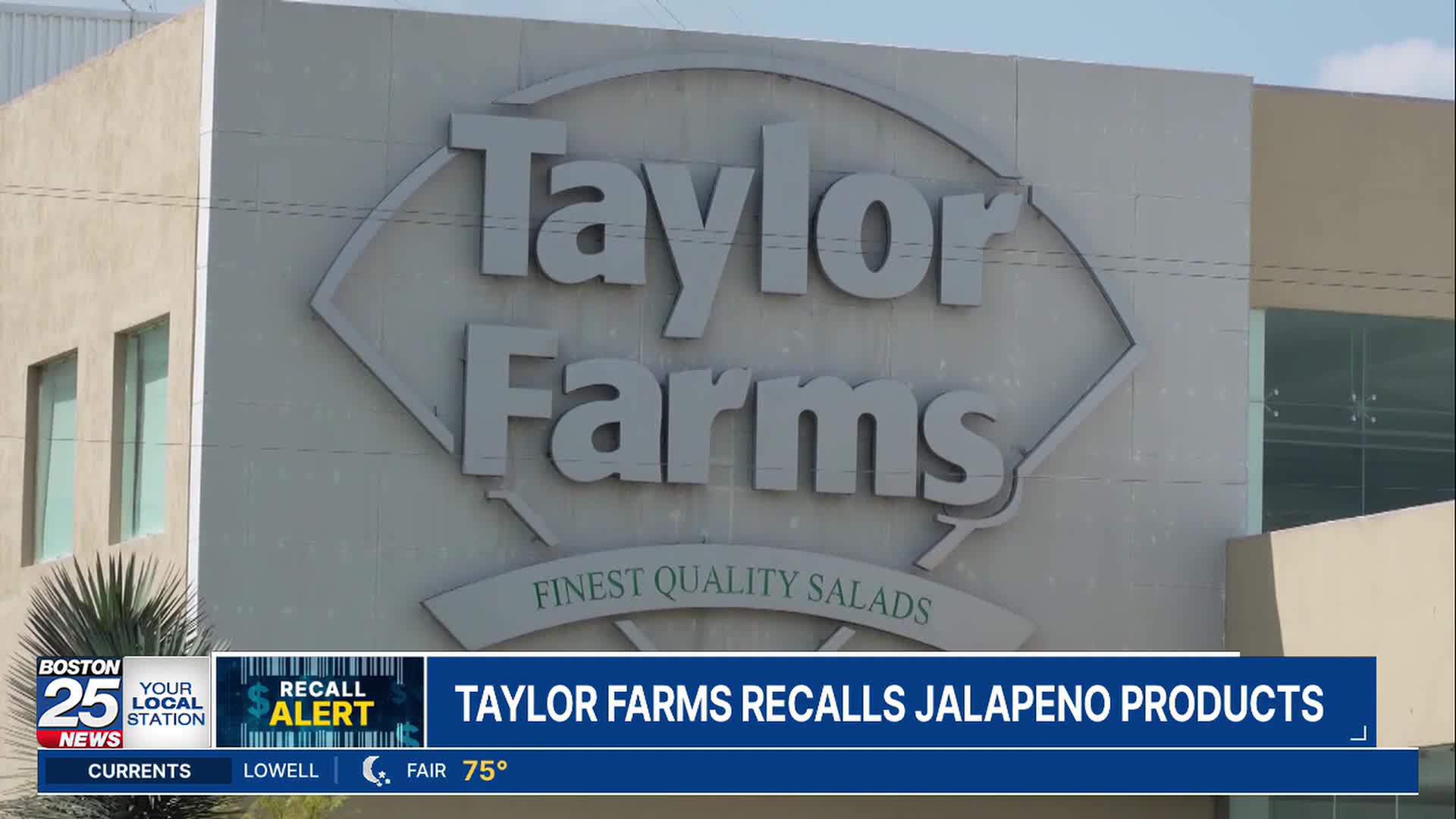
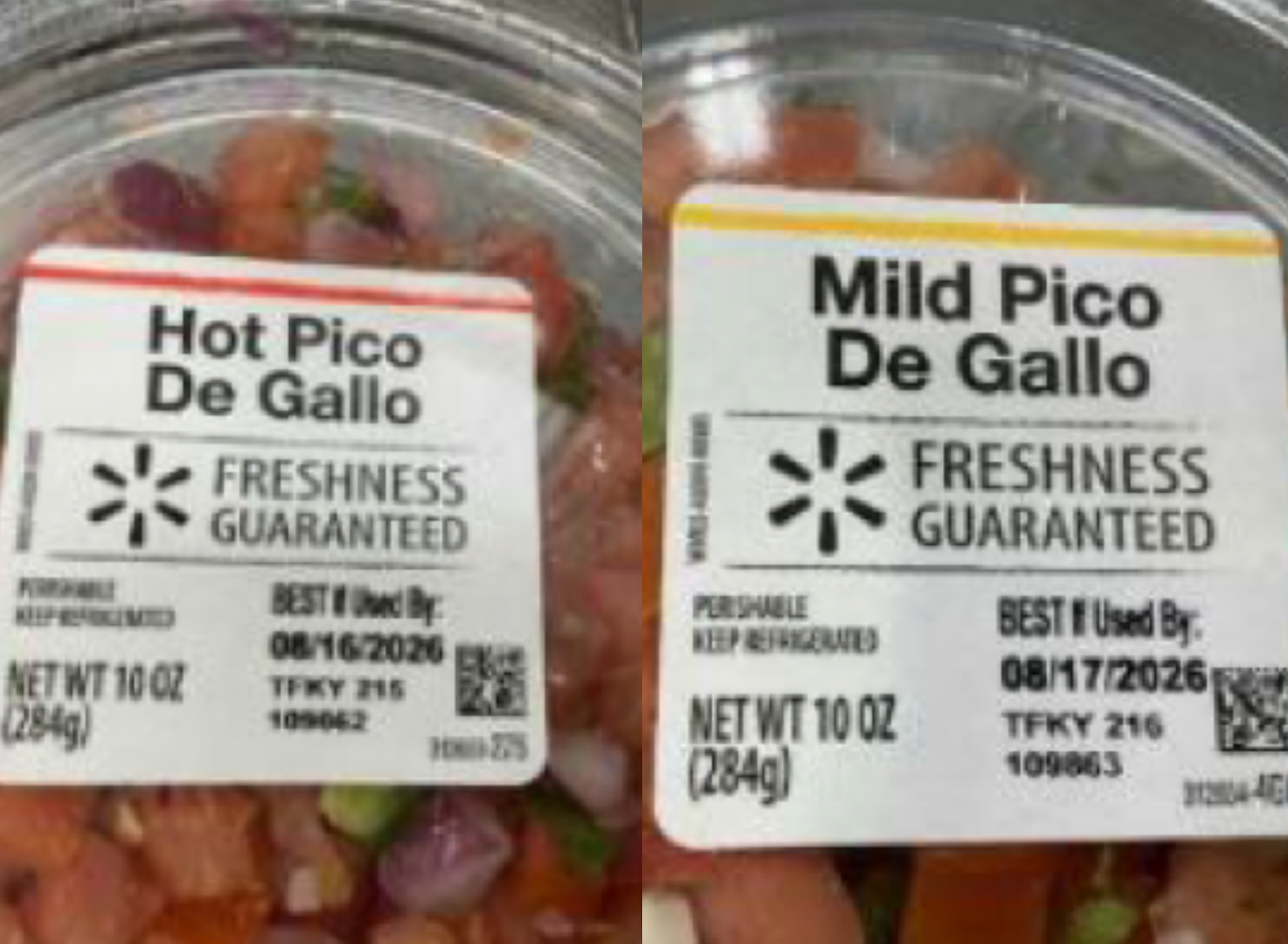
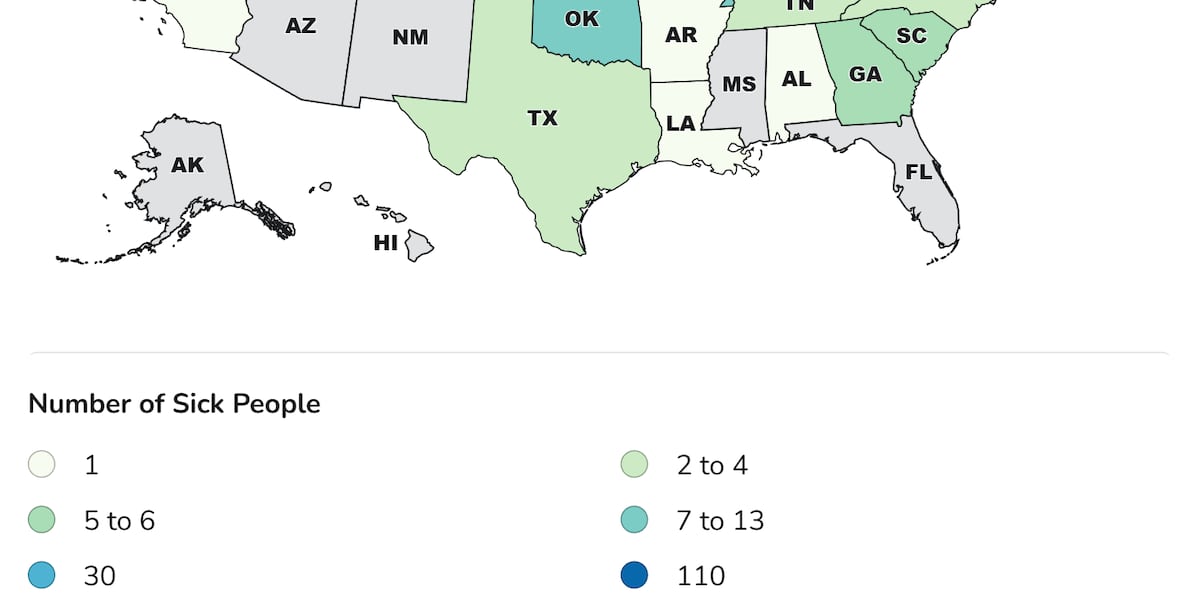
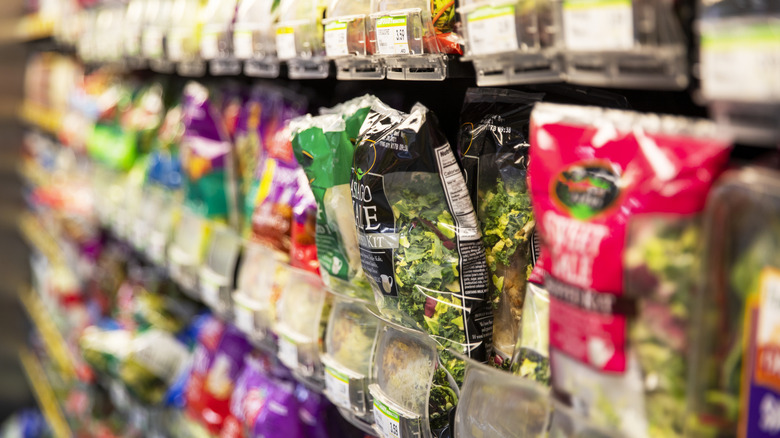
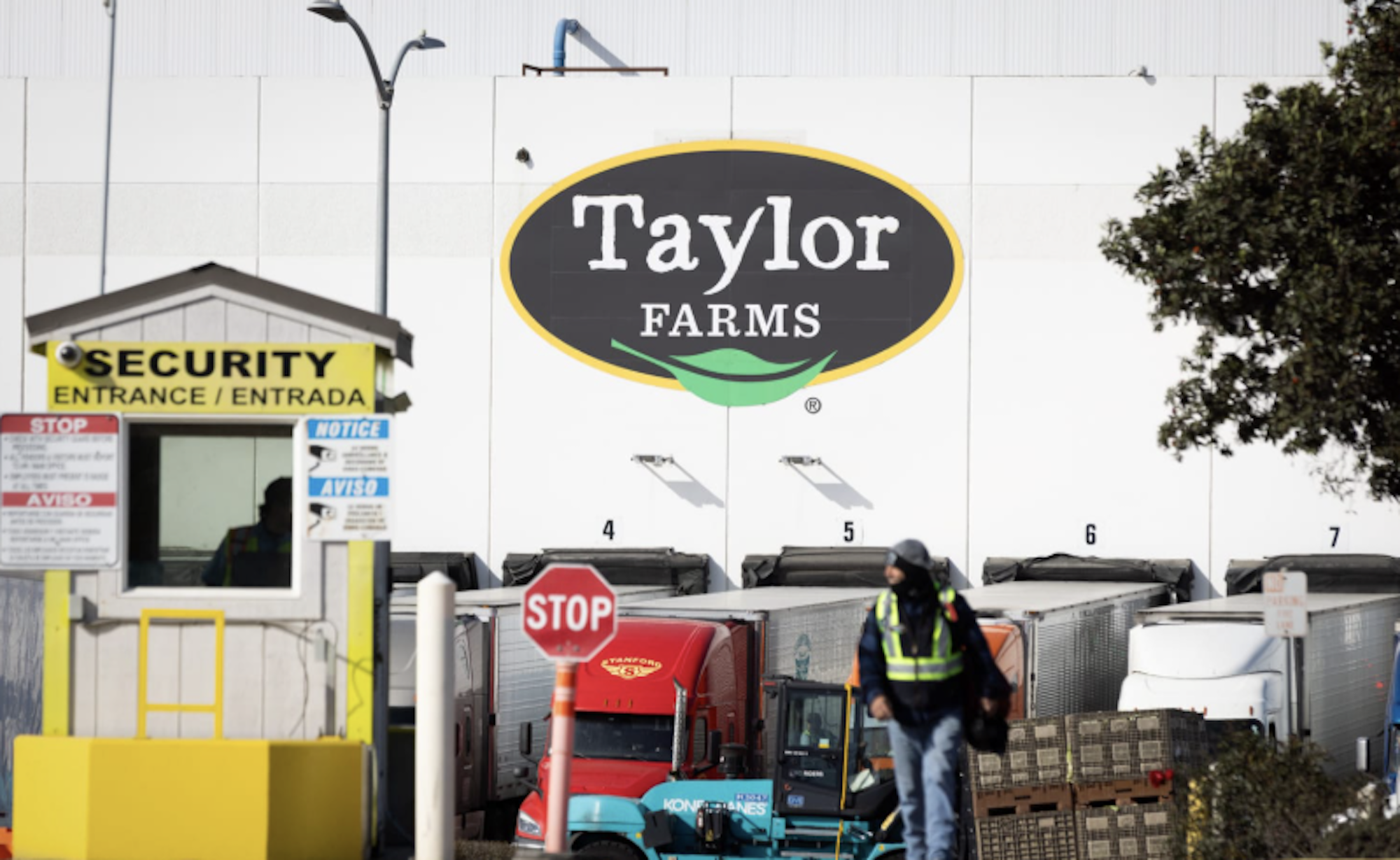
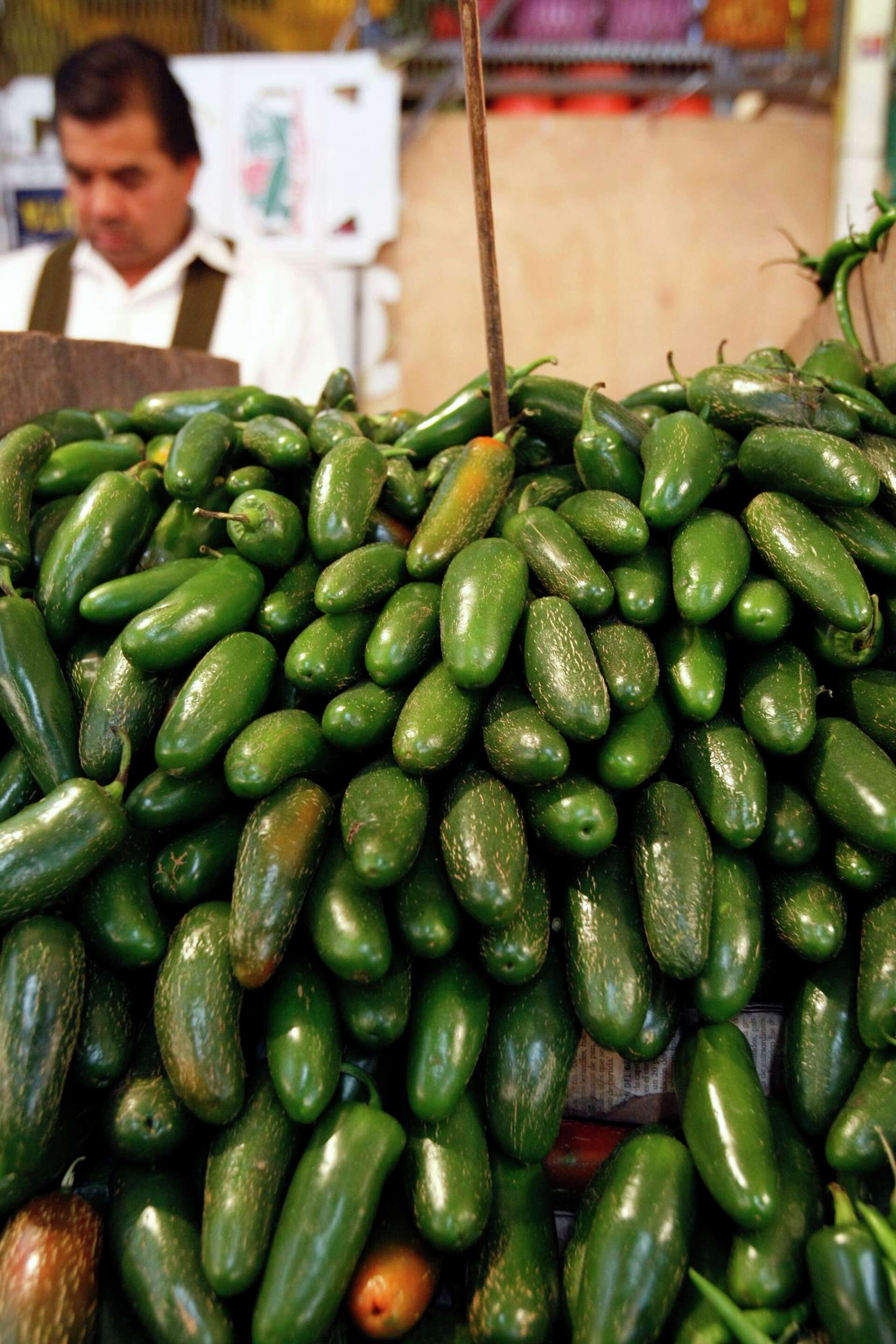
A multistate Salmonella Javiana outbreak linked to contaminated jalapeños from Coast Citrus Distributors has triggered one of 2026's most significant food safety recalls, affecting 345 people across 27 states as of August 5, 2026. The outbreak has forced Taylor Farms and Taylor Fresh Foods to recall 22 products (6 prepared meals at Kroger; 16 items including salsas, guacamole, dips, and prepared salads) distributed through major retailers including Walmart, Target, Trader Joe's, Kroger, Whole Foods, Hannaford, and Stop & Shop. All recalled items carry sell-by dates through August 16, 2026, and are distributed across 25 states including Alabama, Florida, Illinois, New York, Ohio, and Texas.
For food and beverage sellers on Amazon Fresh, Walmart Marketplace, and specialty food platforms, this recall creates immediate compliance imperatives. The outbreak reveals critical gaps in supplier traceability and food safety documentation—specifically, the inability to rapidly identify contaminated ingredient sources. Sellers sourcing jalapeños, prepared foods containing peppers, or any produce from Mexico must now implement enhanced supplier verification protocols. The FDA and CDC investigation indicates that single-source contamination at Coast Citrus Distributors cascaded through multiple supply chains, affecting both direct suppliers (Taylor Farms) and downstream prepared food manufacturers. This pattern demonstrates that even major suppliers with established quality systems failed to detect contamination before distribution, raising the bar for third-party seller compliance.
The regulatory and operational impact is substantial. Sellers must now conduct immediate audits of: (1) current jalapeño/pepper suppliers and their sourcing regions (Sinaloa, Mexico is flagged); (2) supplier certifications for food safety (FSMA compliance, SQF certification, or equivalent); (3) traceability documentation linking products to specific harvest batches and distributors. The recall also signals that Amazon, Walmart, and other platforms will likely tighten supplier documentation requirements for produce and prepared foods, mirroring post-2018 lettuce-recall compliance tightening. Sellers without documented supplier verification face potential account suspension or delisting if their products are linked to future outbreaks. Additionally, the July 2026 cyclospora recall of Taylor Farms lettuce (mentioned in News 3) indicates systemic supply chain vulnerabilities, suggesting regulators will intensify audits of all produce suppliers and prepared food manufacturers over the next 6-12 months.
Compliant alternative opportunities are emerging. Sellers can differentiate by sourcing jalapeños from certified suppliers outside Sinaloa (California, other Mexican states with documented FSMA compliance) or by pivoting to non-jalapeño spicy products (habanero, serrano, or ghost pepper alternatives) that avoid the current contamination zone. Prepared food sellers can accelerate compliance by obtaining third-party food safety certifications (SQF Level 3, BRC Grade A) before platform audits become mandatory. The recall also creates demand for supply chain transparency tools—sellers offering batch-level traceability, QR code verification, or blockchain-based ingredient sourcing will gain competitive advantage with health-conscious consumers and platform algorithms.
Questions 8
How does this recall impact sellers on Amazon Fresh vs. Walmart Marketplace?
Amazon Fresh has stricter pre-listing food safety requirements than Walmart Marketplace, but both platforms will tighten enforcement following this outbreak. Amazon Fresh sellers must provide SQF or BRC certification for prepared foods; Walmart Marketplace currently accepts supplier attestations but will likely require third-party certification within 6 months. Sellers on both platforms should proactively obtain SQF Level 3 or BRC Grade A certification to avoid future delisting. The cost is $3,000-8,000 per facility for initial certification, but provides competitive protection as platforms raise barriers.
What are the immediate compliance steps for sellers sourcing jalapeños or prepared foods?
Sellers must immediately verify that current jalapeño suppliers are NOT sourcing from Coast Citrus Distributors or Sinaloa, Mexico farms linked to the outbreak. Obtain written supplier certifications confirming FSMA compliance, food safety audits, and batch traceability documentation. Document all supplier communications and audit results for platform compliance reviews. Amazon Fresh and Walmart Marketplace are likely to request this documentation within 30-60 days as part of post-recall audits. Failure to provide verification may result in product delisting or account suspension.