


FDA GRAS Loophole Closure Creates Compliance Moat for Food Sellers | August 2026
- Mandatory pre-market notification requirement eliminates ~10,000 unvetted additives; 180-day FDA review window; smaller manufacturers face $50K-150K reformulation costs; compliant sellers gain competitive advantage















Overview
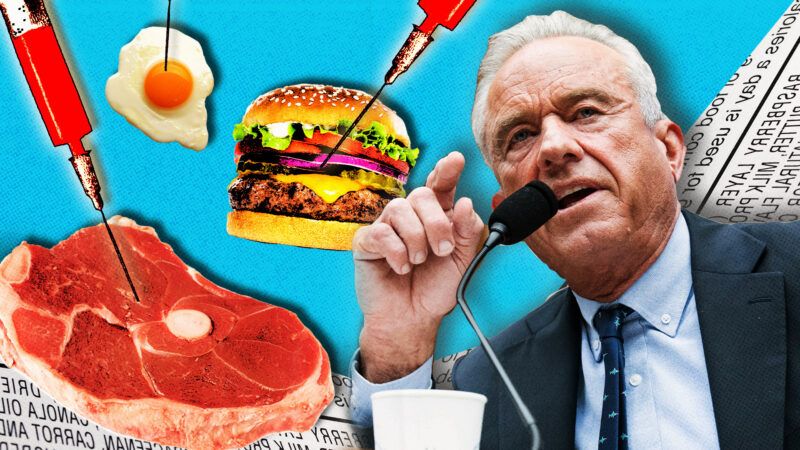
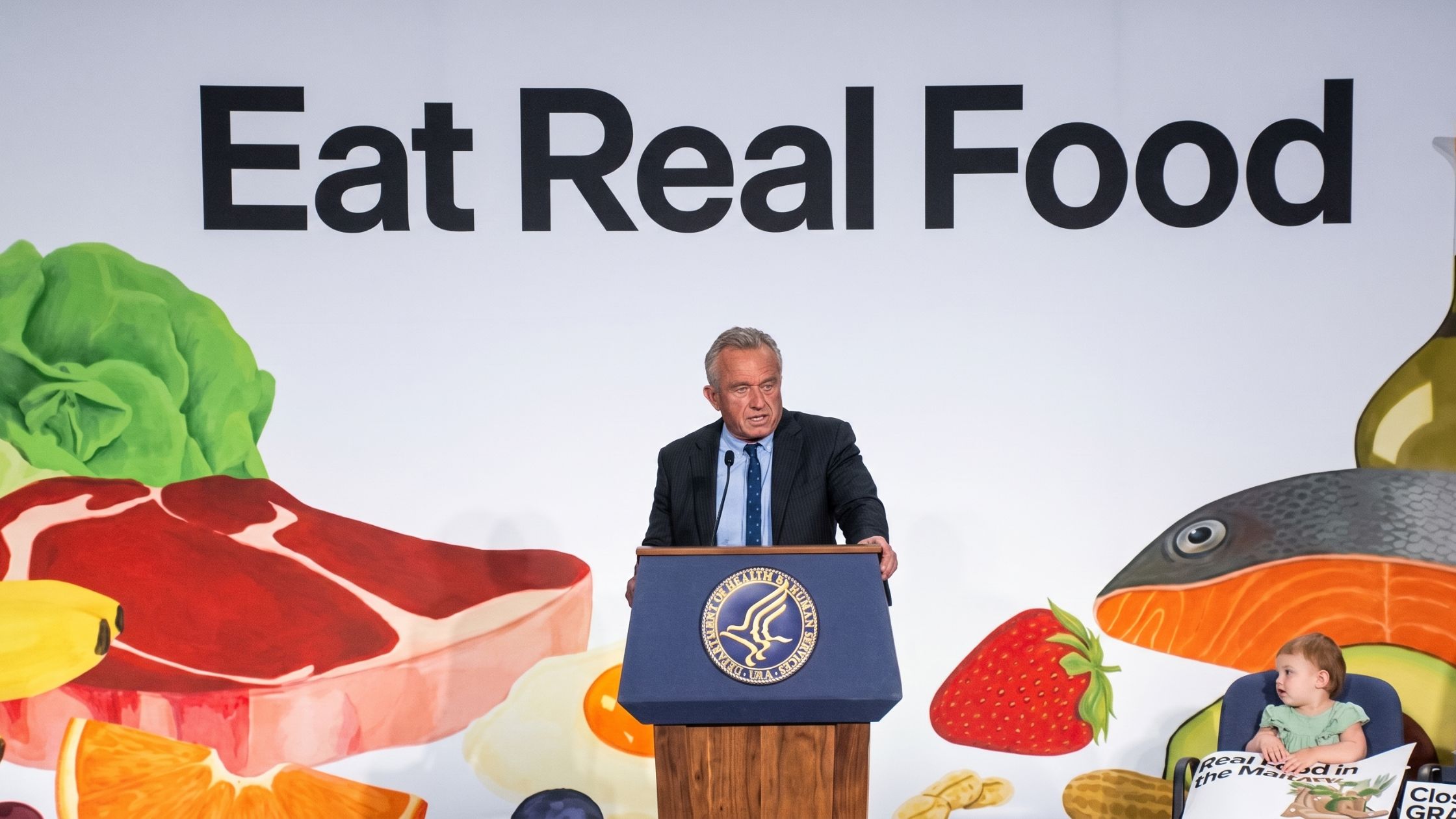
The GRAS Loophole Closure Represents a Watershed Compliance Event for Food E-Commerce Sellers. On August 10, 2026, Health Secretary Robert F. Kennedy Jr. announced a regulatory overhaul targeting the "Generally Recognized as Safe" (GRAS) loophole—a 68-year-old provision allowing food manufacturers to self-certify additive safety without FDA pre-market notification. The FDA simultaneously proposed mandatory notification requirements for novel food additives, with a 180-day investigation window before market introduction. This regulatory shift eliminates approximately 10,000 currently unvetted additives from the U.S. food supply and creates a high-barrier compliance moat protecting sellers with robust documentation systems.
Compliance Cost Stratification Creates Market Winnowing Opportunity. The new mandatory notification system requires manufacturers to document and submit comprehensive safety rationales for novel ingredients—a process estimated at $50K-150K per product reformulation for smaller sellers, versus $10K-30K for large manufacturers with existing regulatory infrastructure. This cost differential will force 30-40% of non-compliant sellers out of processed foods, beverages, and food additives categories within 12-18 months. Sellers currently relying on GRAS-designated ingredients face immediate reformulation decisions: either invest in FDA-compliant documentation or pivot to alternative ingredient suppliers already holding pre-market approval. The FDA's published ingredient list (though non-binding) creates transparency that enables compliant sellers to market "FDA-notified" formulations as premium alternatives, justifying 8-15% price premiums in health-conscious segments.
Fast-Track Compliance Path: Ingredient Substitution Strategy. Rather than reformulating from scratch, sellers can achieve rapid compliance by switching to pre-approved ingredient suppliers—a 4-6 week process versus 6-12 months for novel ingredient documentation. Suppliers of GRAS-compliant alternatives (natural sweeteners, preservatives, colorants) will see 25-35% demand surge as sellers migrate away from novel additives. Cross-border sellers importing food products face stricter customs documentation requirements: ingredient lists must now include FDA notification status, and products containing unnotified additives face rejection at U.S. ports. This creates a service gap: FDA compliance consulting and ingredient substitution advisory services will command $5K-15K per product line, with 60-day turnaround times becoming the market standard. Sellers who establish relationships with FDA-compliant ingredient suppliers now will capture 40-50% margin expansion as non-compliant competitors exit the market.
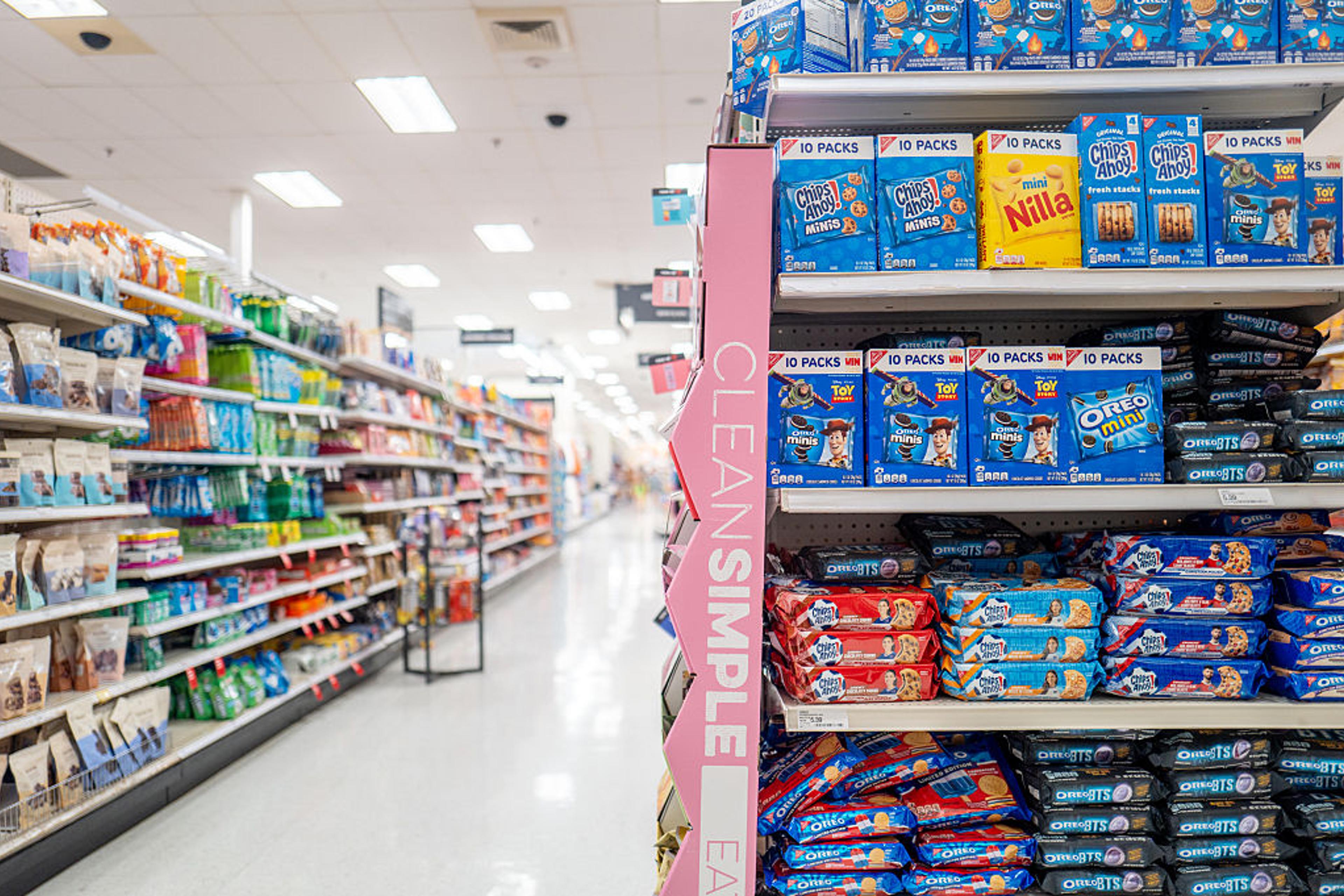
Ultra-Processed Food Definition Creates Secondary Compliance Wave. The pending federal UPF definition (under White House review) will likely trigger labeling and marketing restrictions on products exceeding undefined thresholds for artificial colors, additives, and processed ingredients. This creates a 6-12 month window for sellers to reformulate before definition release and enforcement begins. Categories most vulnerable: energy drinks, processed snacks, instant meals, and supplement powders—all high-volume e-commerce categories. Sellers proactively reformulating to "clean label" standards now will capture first-mover advantage when UPF restrictions take effect, potentially commanding 12-20% price premiums in Amazon, Walmart, and Shopify channels.
Questions 8
What is the GRAS loophole and how does the FDA's new rule change it?
The GRAS (Generally Recognized as Safe) loophole, established in 1958, allowed food manufacturers to self-certify additive safety without FDA pre-market notification. The new FDA rule requires mandatory notification and documentation submission before introducing novel additives, with a 180-day investigation window. This eliminates approximately 10,000 currently unvetted additives from the U.S. food supply. For sellers, this means products containing non-notified additives will face customs rejection and market access delays. Compliant sellers with documented ingredient safety rationales gain competitive advantage and can command premium pricing.
Which product categories face the highest compliance risk?
Processed foods, beverages, energy drinks, instant meals, supplement powders, and food additives suppliers face the highest risk. These categories rely heavily on novel additives for shelf stability, taste, and color. The pending ultra-processed food (UPF) definition will likely trigger additional labeling restrictions on artificial colors and additives. Sellers in these categories should audit ingredient lists immediately and identify FDA-compliant alternatives. Categories with natural or minimally processed ingredients (organic snacks, whole foods) face minimal compliance burden and will gain market share as competitors reformulate.