

/tpg/sources/9347cad0-1b72-4583-94bd-2da81af5f1cc.jpeg)
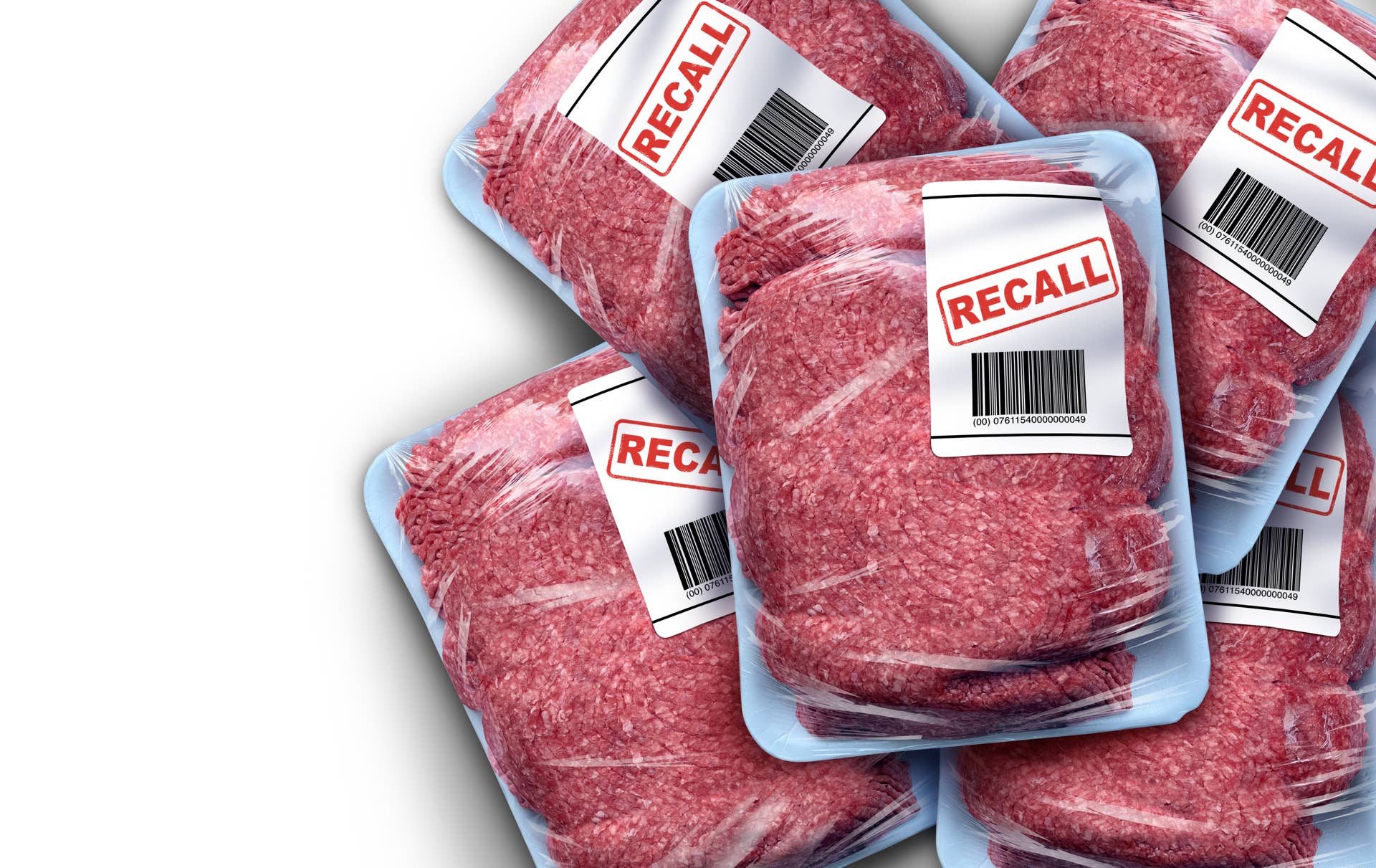
USDA Import Inspection Failure | 29,600 lbs Argentine Beef Recalled in Florida & Texas
- Class I recall exposes critical gaps in cross-border meat import compliance; sellers face stricter FSIS documentation requirements and potential supply chain disruptions in major US markets















Overview
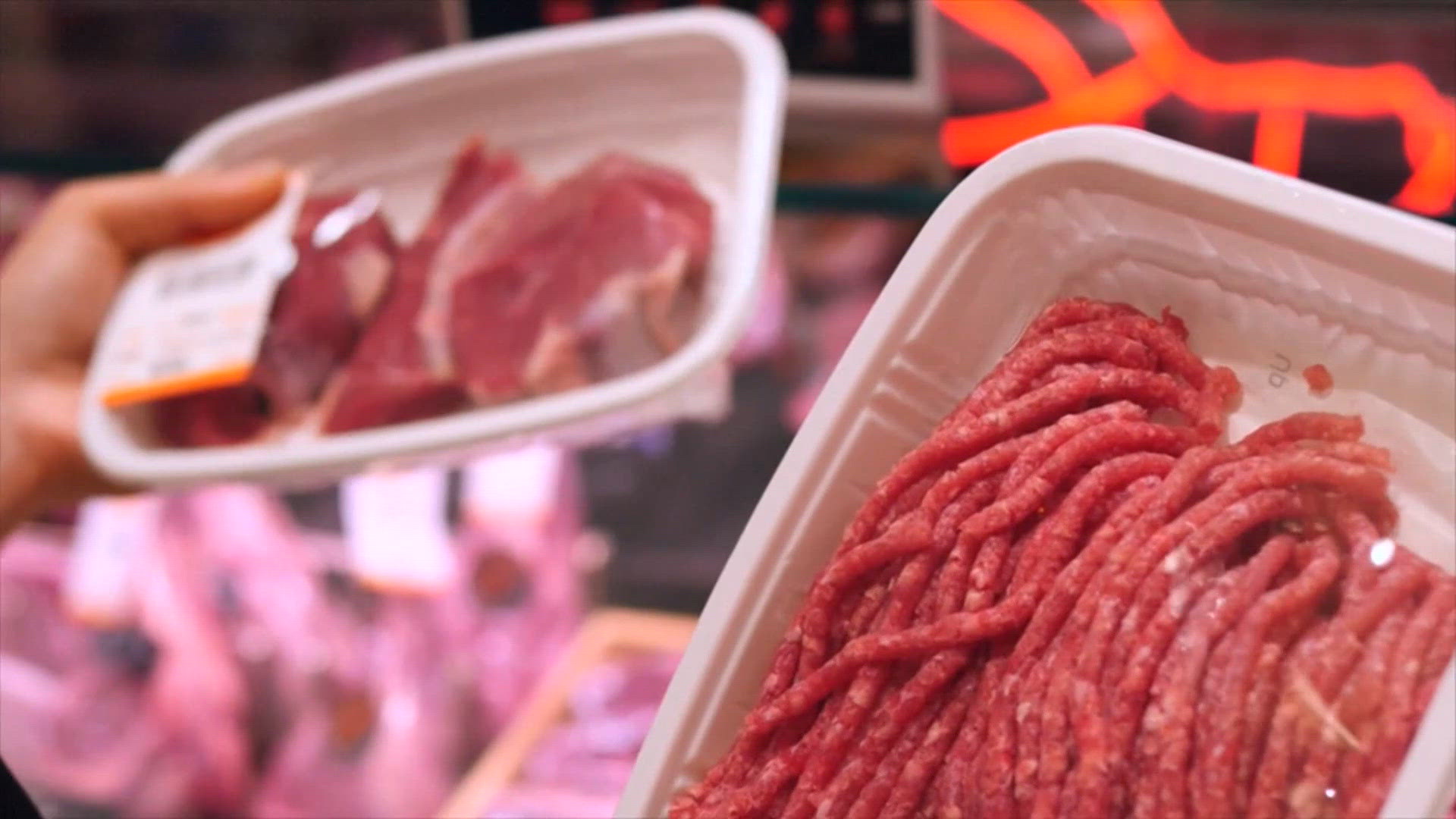
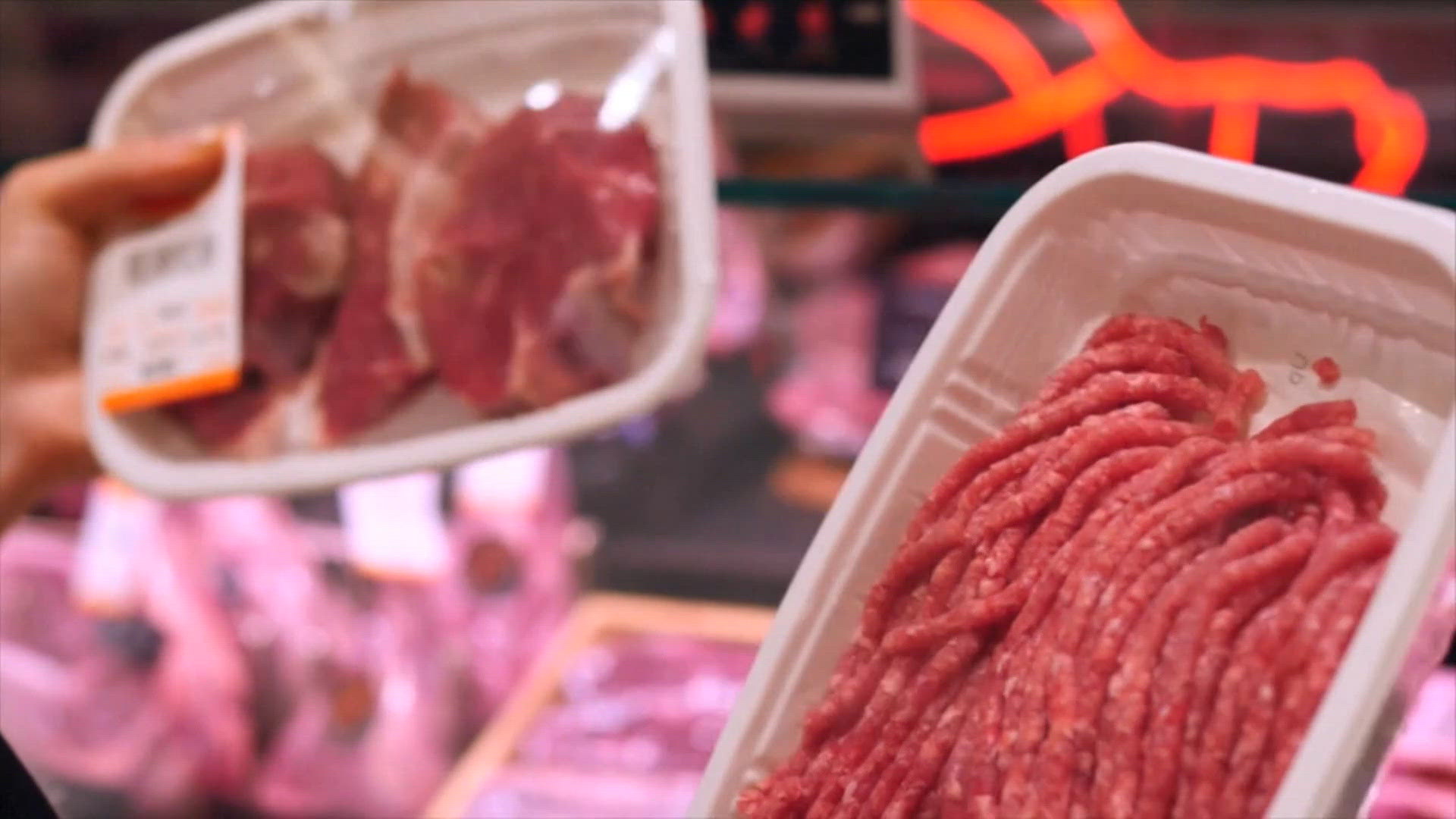
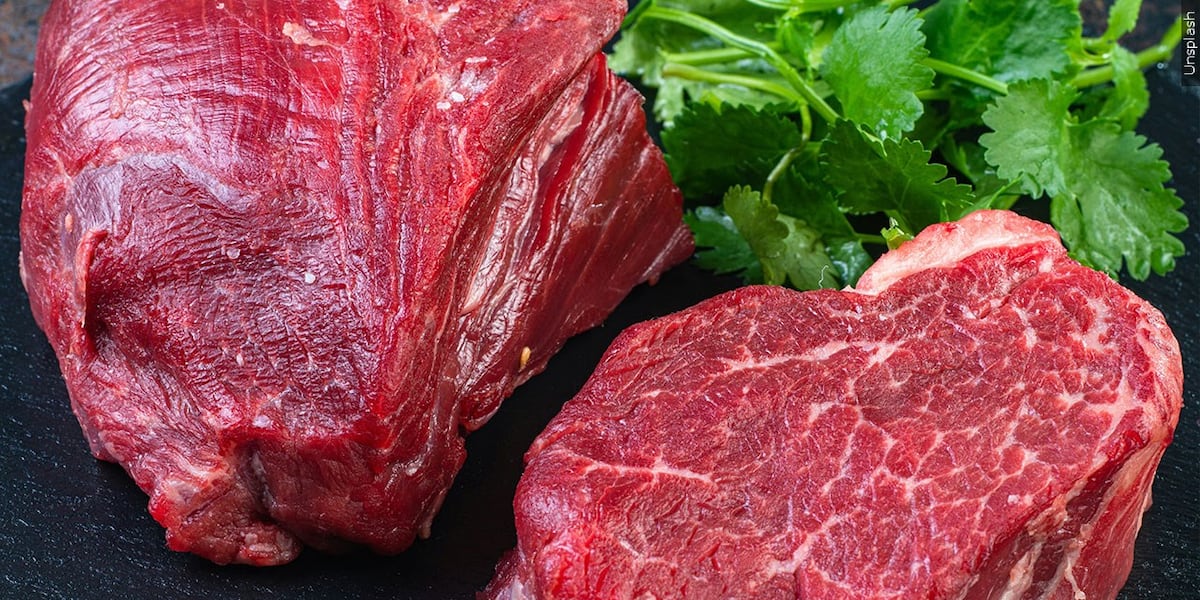
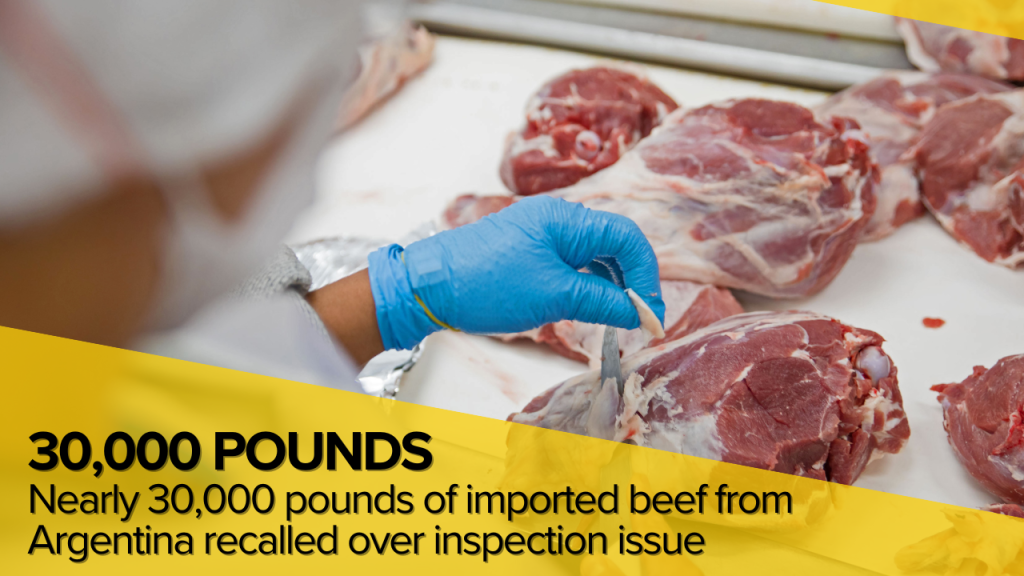
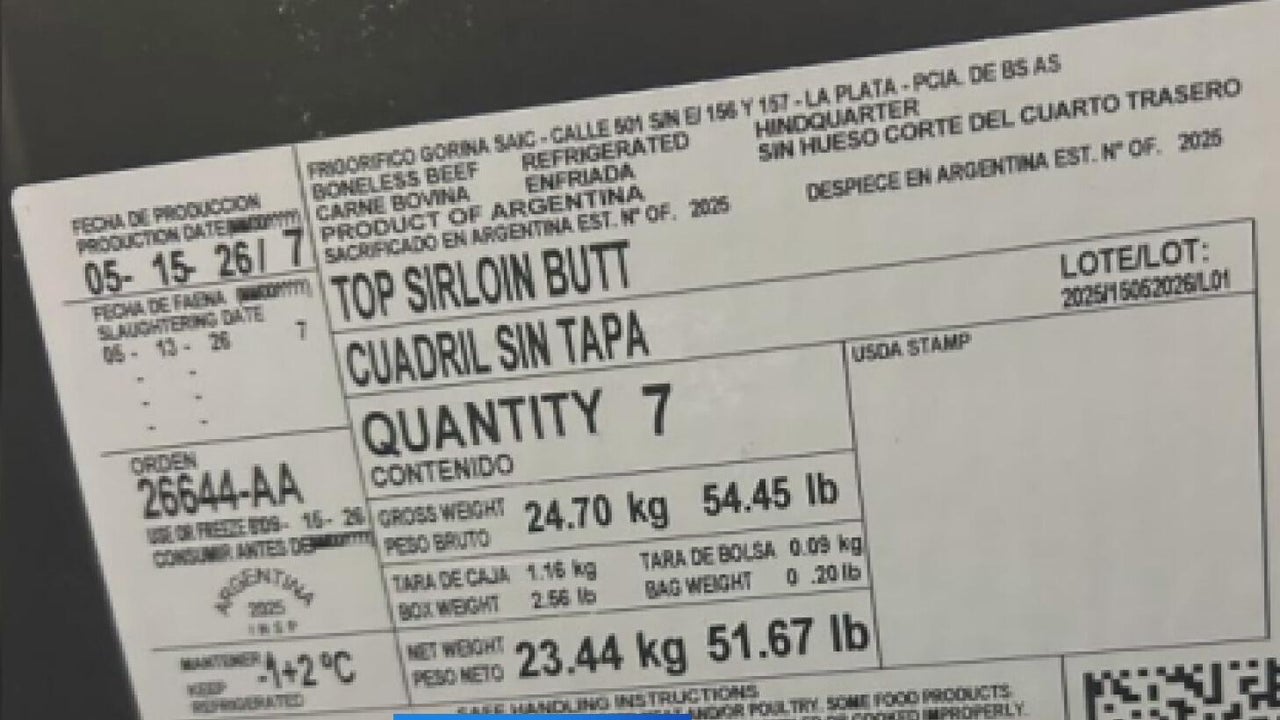
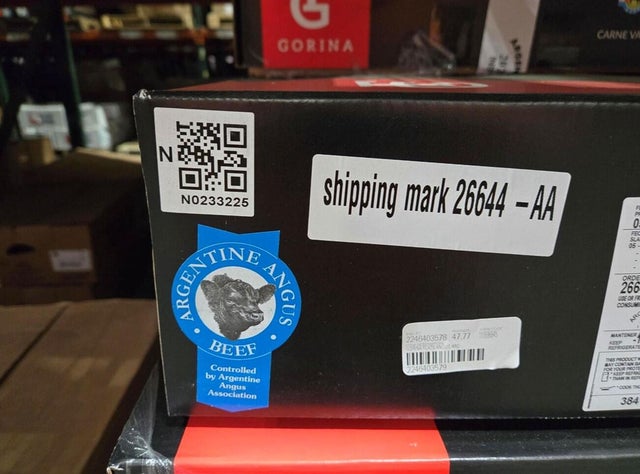
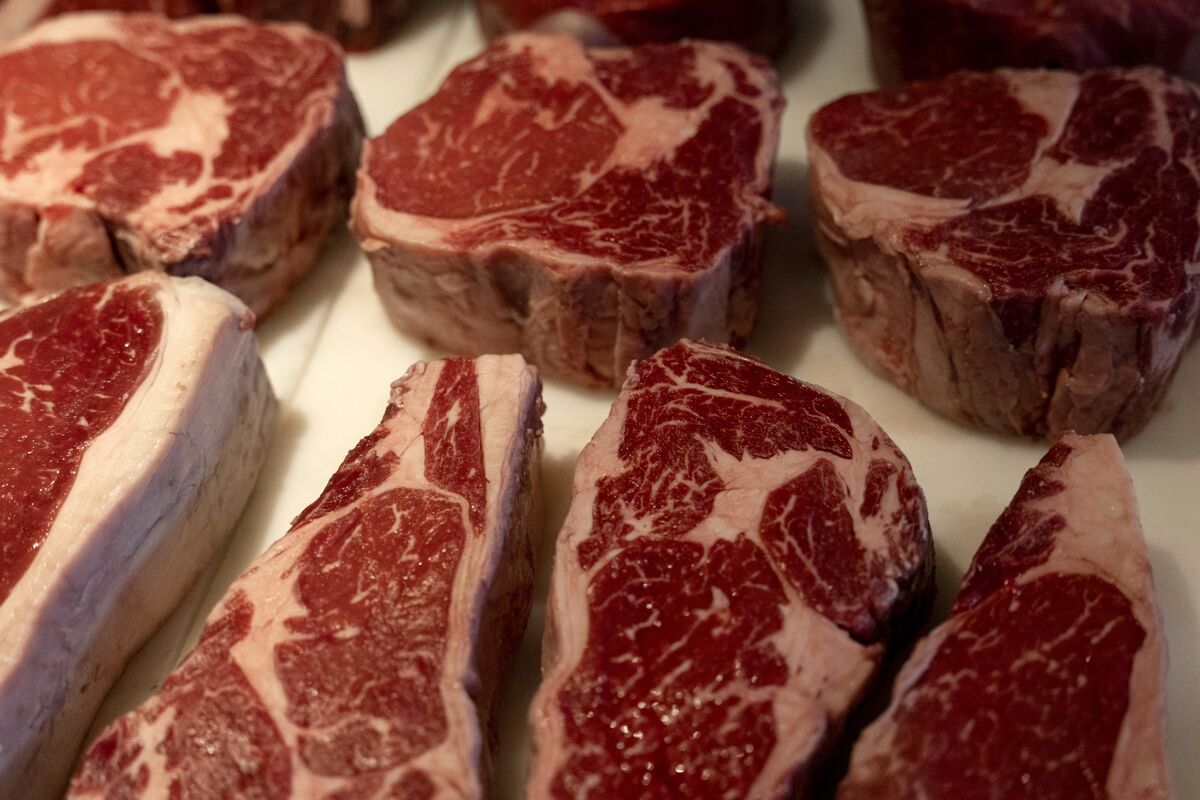
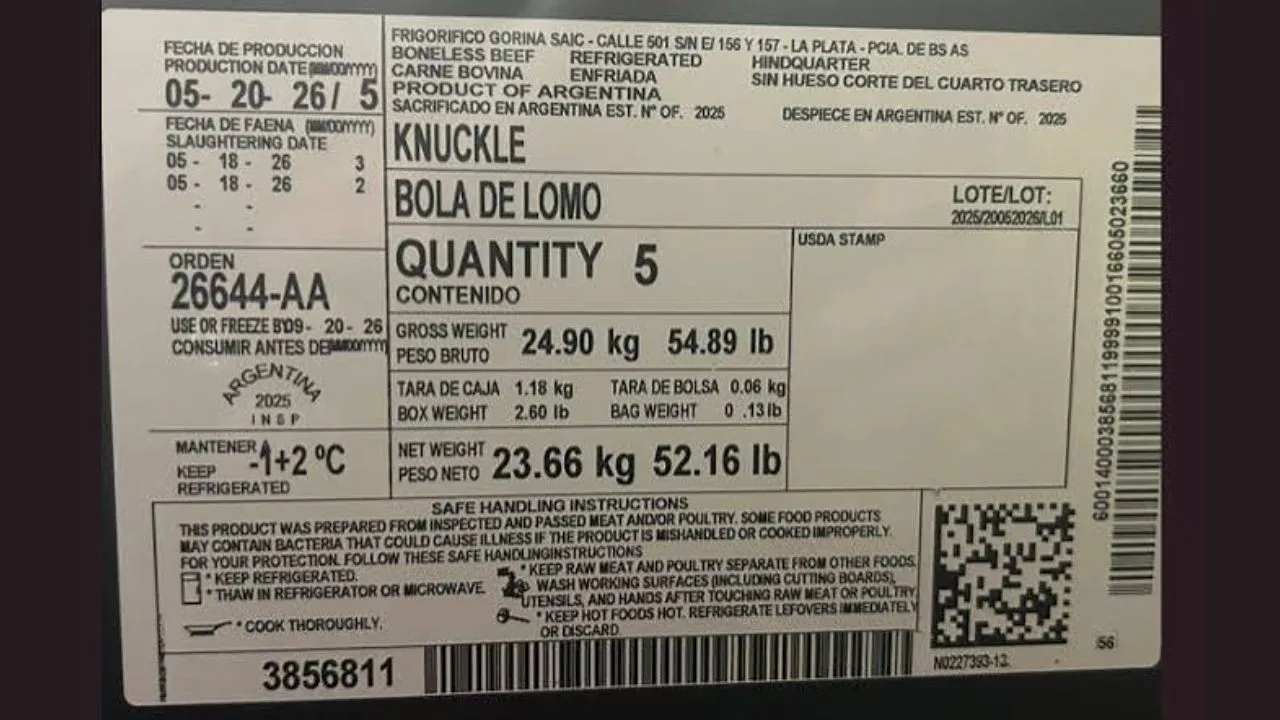
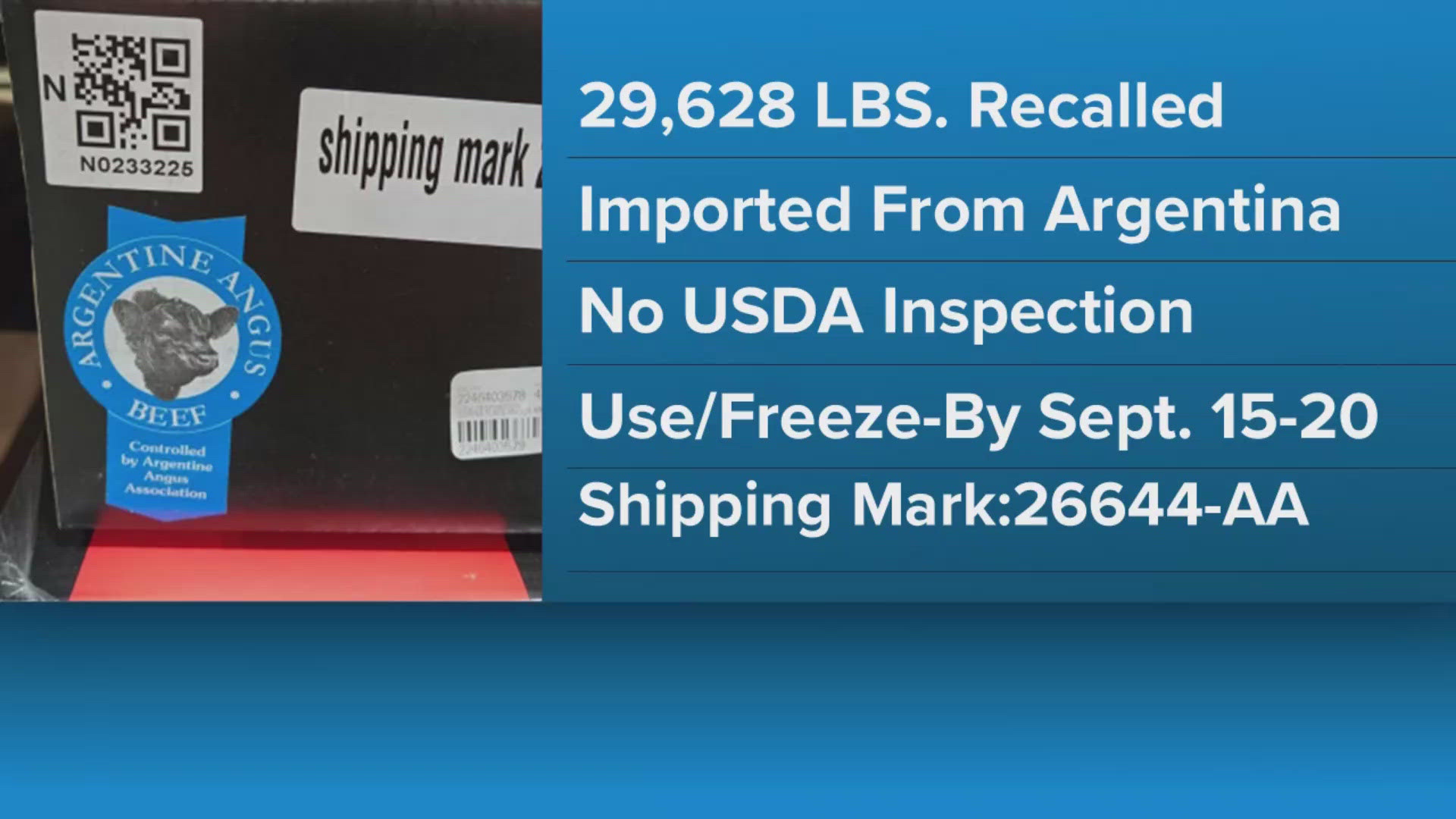
The Compliance Crisis: On August 11, 2026, the USDA Food Safety and Inspection Service (FSIS) issued a Class I recall for approximately 29,600 pounds of boneless beef imported from Argentina by Corte Argentino USA LLC (Aventura, Florida). The uninspected meat—produced May 15-20, 2026, with freeze-by dates September 15-20—failed mandatory FSIS reinspection protocols upon US entry, classifying it as a serious health hazard with reasonable probability of causing serious adverse health consequences or death. The recalled products included Top Sirloin Butt, Eye Round, Topside Cap Off, Flat, and Knuckle cuts from Frigorifico Gorina SAIC (EST. N OF. 2025, shipping mark 26644-AA), distributed across Florida and Texas—two of America's largest beef consumption markets.
Compliance Barrier Creation: This incident reveals a critical enforcement gap that creates a compliance moat for sellers who maintain rigorous FSIS documentation. The recall demonstrates that FSIS is actively conducting routine inspections at ports of entry and will immediately halt distribution of non-compliant shipments. For cross-border food importers and e-commerce sellers sourcing imported meat products, this establishes a new baseline: mandatory reinspection documentation is now actively enforced, not merely procedural. Sellers importing beef from Argentina, Brazil, Australia, or other major suppliers must now budget for: (1) FSIS port-of-entry inspection fees ($150-300 per shipment), (2) extended customs clearance timelines (5-7 days vs. 2-3 days previously), and (3) comprehensive packaging/documentation audits. Non-compliant importers face immediate product seizure, destruction costs ($0.50-1.50/lb for 29,600 lbs = $14,800-44,400 loss), and potential criminal liability under the Federal Food, Drug, and Cosmetic Act.
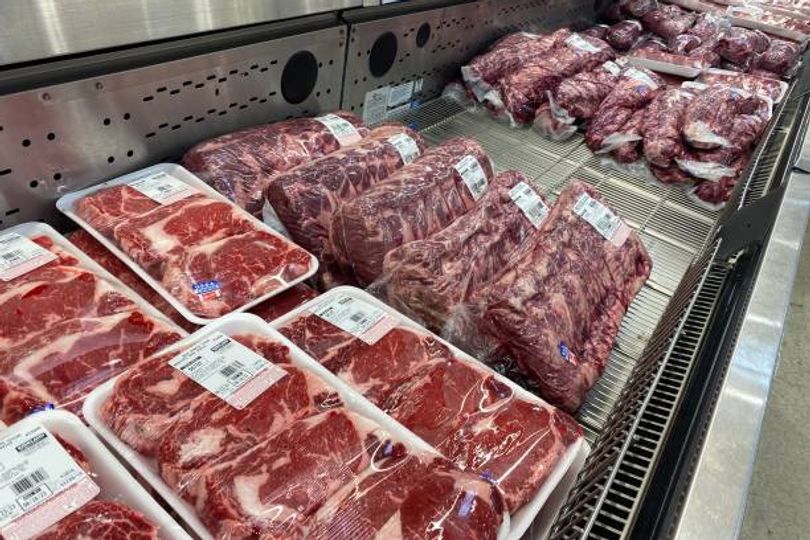
Market Elimination & Opportunity: The recall affects both B2B distributors and retail channels in Florida and Texas, requiring rapid inventory management and customer notification. This creates a supply vacuum in premium beef categories (top sirloin, eye round) for 30-60 days while compliant alternatives establish distribution. Sellers with existing FSIS-compliant Argentine beef suppliers or those pivoting to US domestic beef (which bypasses reinspection requirements) can capture market share from non-compliant competitors. Additionally, the incident signals heightened regulatory scrutiny of Argentine beef specifically—future shipments will face enhanced inspection protocols, increasing compliance costs by 15-25% and extending lead times. This disadvantages small importers ($50K-500K annual volume) who cannot absorb compliance costs, while large distributors (Sysco, US Foods, Amazon Fresh) with established FSIS relationships maintain competitive advantage.
Service Gap Opportunity: The recall exposes massive underserved demand for FSIS import compliance consulting and documentation services. Sellers currently lack accessible tools to verify: (1) whether their suppliers have completed reinspection, (2) proper documentation formats for FSIS clearance, (3) real-time port-of-entry inspection status. Third-party logistics (3PL) providers and customs brokers can differentiate by offering "FSIS Pre-Clearance Audits" ($500-2,000 per shipment) that verify compliance before products reach US ports, reducing seizure risk. This represents a $50-100M annual market opportunity across the 2,000+ food importers currently operating on Amazon, Walmart, and specialty food platforms.
Questions 8
What exactly failed in the USDA inspection process for the Argentine beef recall?
The imported beef from Frigorifico Gorina SAIC failed to undergo mandatory **FSIS reinspection upon entry into the United States**. According to USDA officials, the uninspected meat did not receive required Food and Safety Inspection Service checks that verify packaging, documentation, product condition, and contamination status. This represents a breach of import compliance protocols where every international meat shipment must be physically inspected and cleared by FSIS at the port of entry before distribution to retailers. The 29,600 pounds of boneless beef (Top Sirloin Butt, Eye Round, Topside Cap Off, Flat, Knuckle) produced May 15-20, 2026, bypassed this critical checkpoint, triggering immediate Class I recall classification on August 11, 2026.
What are the fastest compliance paths for sellers importing meat products to the US?
The fastest compliance path involves: (1) **Pre-clearance verification** with FSIS-approved customs brokers before shipment ($500-2,000 per shipment, 2-3 days), (2) **Supplier certification** confirming the exporting facility (Frigorifico Gorina SAIC, EST. N OF. 2025) has current FSIS eligibility status, (3) **Documentation completeness** including health certificates, establishment numbers, and shipping marks before port arrival. Sellers can reduce compliance time from 7 days to 3-4 days by working with 3PL providers offering FSIS pre-audit services. Alternatively, pivoting to **US domestic beef suppliers** eliminates reinspection requirements entirely, reducing lead time to 1-2 days but potentially increasing product costs by 8-15% due to higher domestic labor costs.