


July 2024 CPI Report 3.4% Annual Inflation | Dynamic Pricing & Cost Management for E-Commerce Sellers
- Inflation moderates to 3.4% annually with 0.1% monthly increase; sellers face 8-15% logistics cost pressures and must adopt AI-powered dynamic pricing to maintain margins across Amazon, eBay, Shopify

























Overview
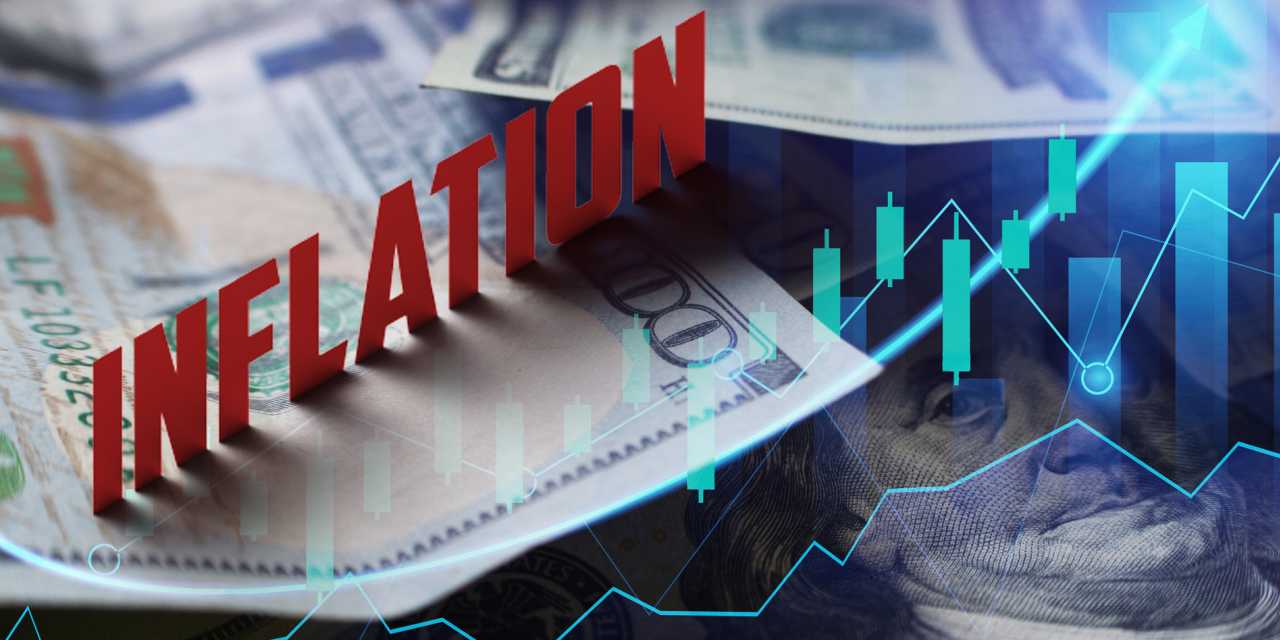
The July 2024 Consumer Price Index report reveals a 3.4% annual inflation rate with 0.1% month-over-month growth, signaling moderating price pressures but continued cost headwinds for cross-border e-commerce sellers. This data point is critical for marketplace operators because inflation directly impacts three core seller metrics: consumer purchasing power, operational expenses, and financing costs for inventory expansion. The 0.1% monthly stability indicates Federal Reserve monetary policy is gaining traction, potentially reducing future interest rate hikes—a positive signal for sellers financing business growth through credit lines and inventory loans.
For cross-border sellers, the 3.4% annual inflation creates immediate operational challenges. Air freight and shipping rates remain elevated, typically correlating with fuel prices and economic activity levels. Sellers sourcing products internationally face currency fluctuation risks as central banks globally adjust policies in response to U.S. inflation data. The inflation rate remains 1.4 percentage points above the Federal Reserve's 2% target, suggesting continued economic uncertainty that will pressure consumer demand, particularly in discretionary categories (electronics, home goods, apparel). Inventory carrying costs, fulfillment service fees, and logistics expenses continue rising despite monthly moderation. For Amazon FBA sellers, this translates to higher storage fees and fulfillment costs; for 3PL-dependent sellers, expect 5-8% rate increases in Q3-Q4 2024. Sellers must immediately implement AI-powered dynamic pricing tools to offset margin compression—tools like Keepa, Helium 10, and Jungle Scout now offer inflation-adjusted pricing algorithms that automatically recalibrate prices based on cost inflation and demand elasticity.
The strategic opportunity lies in AI-driven cost management and predictive analytics. Sellers can use machine learning models to forecast demand patterns under inflationary conditions, optimize inventory levels to reduce storage costs, and implement dynamic pricing that maintains 25-35% gross margins despite rising input costs. The 0.1% monthly increase stability suggests inflation may be plateauing, creating a 60-90 day window for sellers to lock in supplier contracts before potential Q4 price increases. Sellers in high-inflation-sensitive categories (electronics, home appliances, furniture) should prioritize automation of pricing updates, inventory forecasting, and supplier cost monitoring. The data reinforces that sellers relying on static pricing strategies will lose 3-5% margin points by Q4 2024, while those adopting AI-powered dynamic pricing can maintain competitive positioning and profitability in volatile economic conditions.
Questions 8
What AI tools should sellers use to manage inflation-driven pricing pressure?
Leading AI pricing optimization platforms include Helium 10 (dynamic pricing module), Keepa (price tracking with inflation adjustment), Jungle Scout (demand forecasting), and Repricing Central (automated repricing). These tools use machine learning to analyze competitor pricing, demand elasticity, and cost inflation simultaneously, automatically adjusting prices to maintain 25-35% gross margins. Helium 10's pricing tool costs $99-299/month and can increase seller revenue 8-12% by optimizing price points based on real-time cost and demand data. For Shopify sellers, apps like Surge Pricing and Dynamic Pricing by Shopify offer similar functionality at $29-99/month. ROI typically appears within 30-60 days through margin preservation and reduced manual pricing updates.
How does the 3.4% inflation rate impact Amazon FBA seller profitability in 2024?
The 3.4% annual inflation directly increases FBA fulfillment costs, storage fees, and inventory carrying expenses. Amazon's storage fees range from $0.87-$2.27 per cubic foot annually depending on category and season; inflation pushes these rates 5-8% higher in Q3-Q4 2024. For a seller storing 500 cubic feet of inventory, this translates to $435-$1,135 additional annual costs. Sellers must adopt AI-powered dynamic pricing to increase ASP (average selling price) by 3-5% to offset margin compression. Without pricing adjustments, sellers lose 2-4% gross margin points directly to inflation-driven cost increases.