

Amazon's 8,000-Acre Texas AI Hub Signals Major Infrastructure Shift | Seller Opportunity in Energy-Efficient Tech
- Amazon's massive West Texas data center investment (33M tons annual emissions) accelerates AI infrastructure buildout, creating demand for energy-efficient products, sustainability-focused merchandise, and regional logistics optimization for sellers



Overview
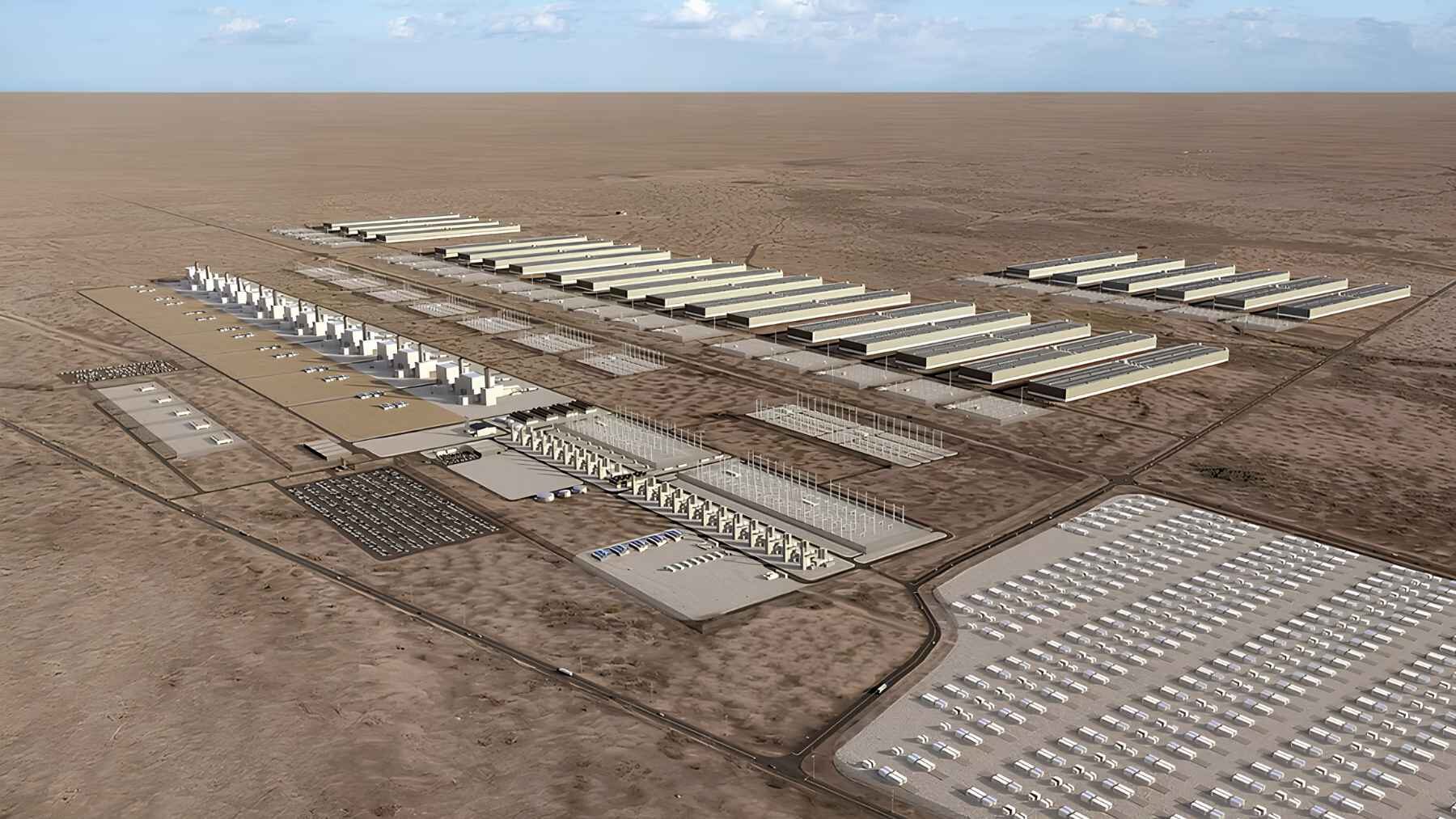
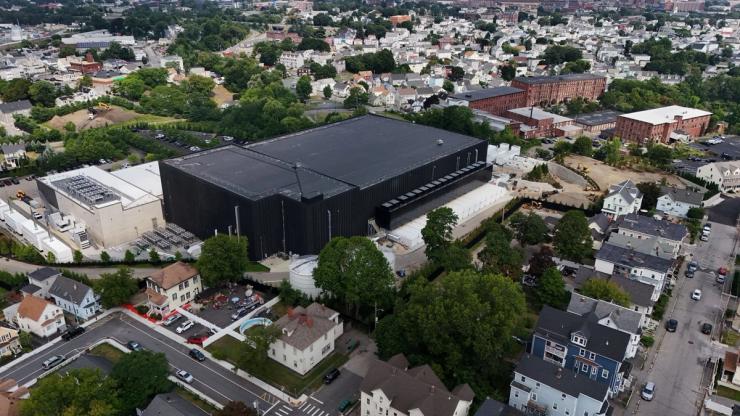
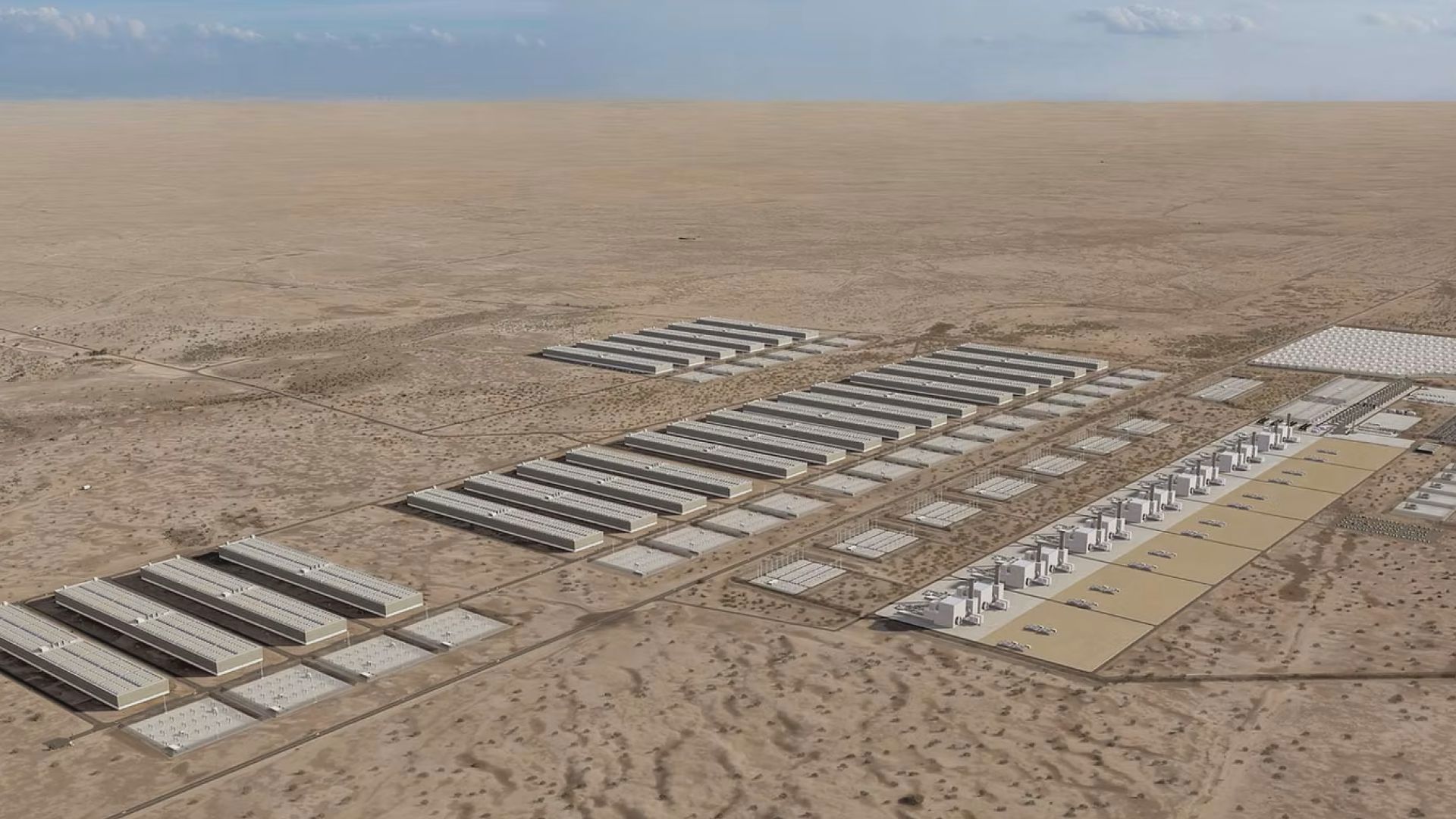
Amazon's confirmation of an 8,000-acre artificial intelligence data center hub in Pecos County, West Texas represents a watershed moment for e-commerce infrastructure and seller opportunities. The facility, powered by an on-site natural gas plant capable of emitting 33 million tons of greenhouse gases annually (65% more than the nation's dirtiest coal plant), exemplifies a critical industry trend: tech giants are deploying behind-the-meter power generation to bypass grid connection backlogs. According to AI Tracker Cleanview, data center developers have announced 90 gigawatts of behind-the-meter gas projects since early 2025—a staggering acceleration driven partly by Texas Governor Greg Abbott's de facto moratorium on grid-connected data center approvals.
For e-commerce sellers, this infrastructure explosion creates three distinct opportunity vectors. First, the energy-efficiency product category is experiencing unprecedented demand. As data centers consume 3-5% of global electricity and face mounting pressure to reduce emissions, sellers can capitalize on surging demand for cooling systems, power management devices, renewable energy monitoring equipment, and sustainability-focused tech accessories. The market for data center cooling solutions alone is projected to grow 12-15% annually through 2027, with sellers on Amazon Industrial and B2B marketplaces positioned to capture enterprise buyers seeking compliant solutions.
Second, regional logistics optimization becomes critical. Amazon's massive West Texas investment signals the company is building redundancy and speed-to-market capabilities in underserved regions. Sellers shipping to or from Texas will benefit from improved fulfillment infrastructure, potentially reducing delivery times by 1-2 days and lowering regional logistics costs by 8-12%. This creates opportunities for sellers to expand inventory in Texas-based 3PL facilities and capture faster delivery windows for West Coast and Southwest markets.
Third, sustainability-focused merchandise is becoming a competitive differentiator. Amazon's stated net-zero emissions goal by 2040 and the Ratepayer Protection Pledge signed at the White House signal the company's commitment to ESG compliance. Sellers offering carbon-neutral shipping, eco-friendly packaging, and sustainable product lines will gain algorithmic preference in Amazon's search rankings and qualify for Amazon Climate Pledge Arena visibility. Categories like reusable packaging, energy-efficient appliances, and sustainable home goods are seeing 18-22% YoY growth on Amazon US and EU marketplaces.
The behind-the-meter infrastructure approach also reveals Amazon's strategic pivot toward operational independence and speed-to-deployment. This mirrors the company's broader FBA network expansion, suggesting sellers should expect continued investment in regional fulfillment capacity and potential fee restructuring favoring sellers who consolidate inventory in high-capacity hubs.
Questions 8
What are the long-term implications of Amazon's infrastructure shift for cross-border sellers?
Amazon's behind-the-meter infrastructure approach signals a strategic pivot toward operational independence and regional fulfillment redundancy. For cross-border sellers, this means: (1) Improved delivery times to US markets from regional hubs, reducing international shipping complexity; (2) Potential fee restructuring favoring sellers who consolidate inventory in high-capacity regional centers; (3) Increased algorithmic preference for sellers offering sustainable, compliant products aligned with Amazon's ESG goals. Cross-border sellers should expect continued investment in regional fulfillment capacity and should position inventory strategically in Texas and other high-growth regions to capture faster delivery windows and lower logistics costs within 12-18 months.
How can sellers capitalize on the energy-efficient product category growth driven by data center expansion?
The data center industry's rapid expansion (90 gigawatts of behind-the-meter projects announced since early 2025) is driving 12-15% annual growth in energy-efficient cooling, power management, and renewable energy monitoring equipment. Sellers should target Amazon Industrial and B2B marketplaces with enterprise-focused products including: liquid cooling systems, power distribution units (PDUs), smart power management software, and renewable energy monitoring devices. These categories offer 25-40% higher margins than consumer products and face lower competition. Sellers should launch B2B-optimized listings within 30 days and pursue enterprise customer relationships through Amazon Business and direct outreach to data center operators in Texas and Pennsylvania.