




Data Protection Enforcement Creates Compliance Moat | Prediction Market Regulation Tightens
- Unauthorized data use lawsuit signals stricter IP enforcement; sellers face new compliance requirements for third-party data integration and API usage across platforms

























Overview
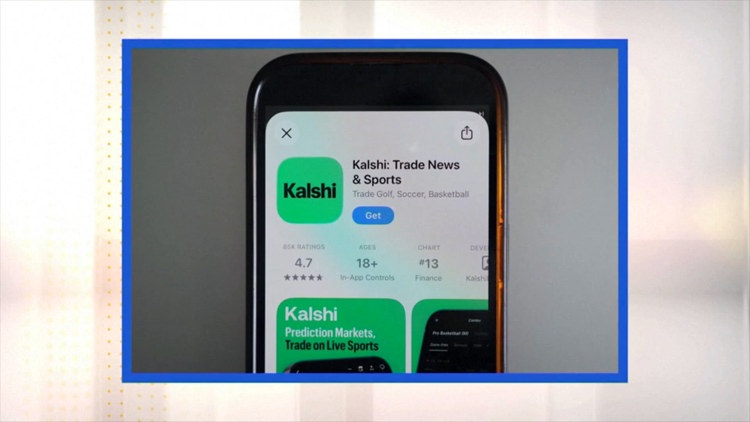
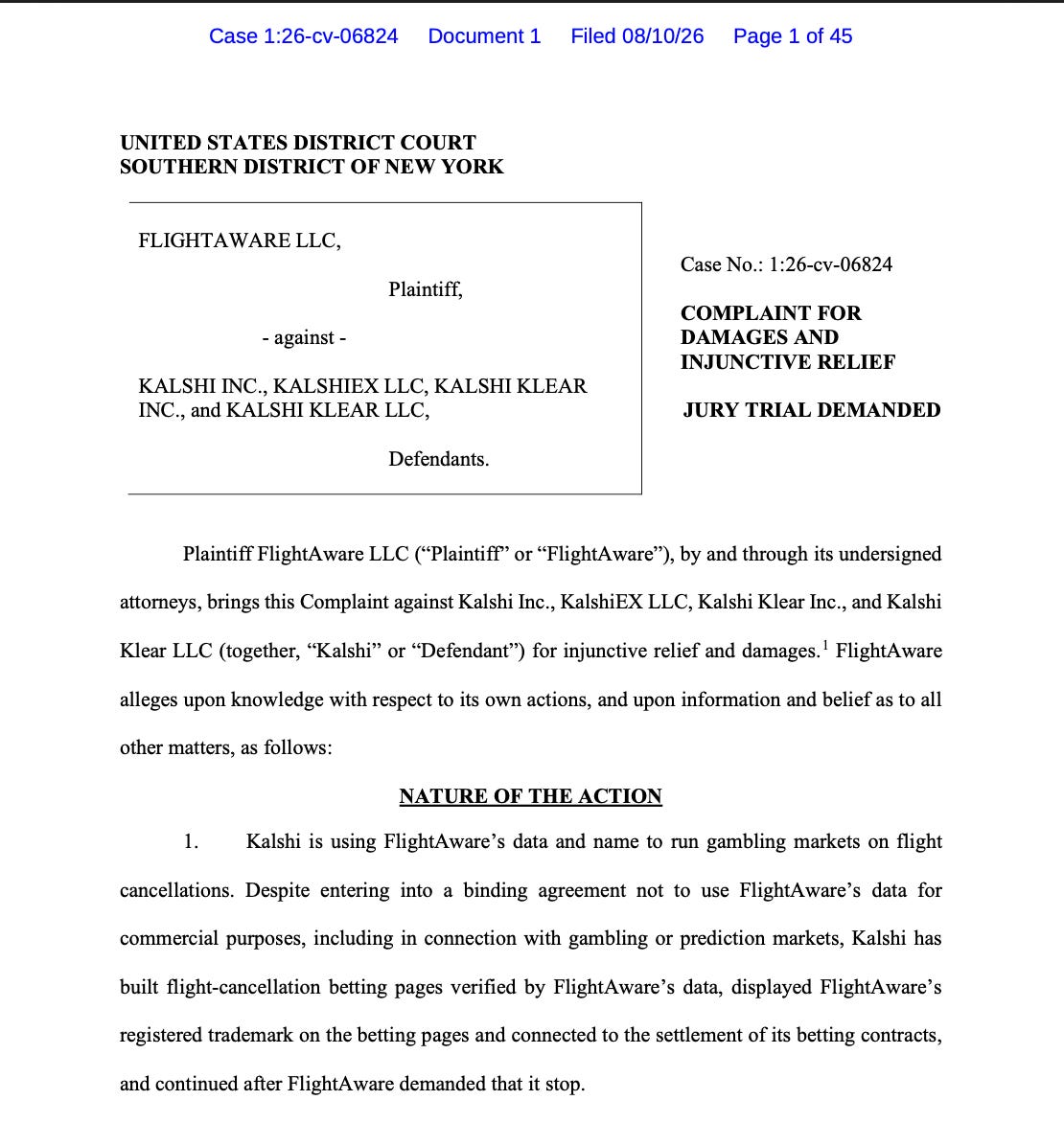
The FlightAware v. Kalshi lawsuit (filed August 11, 2026) represents a critical inflection point in data protection enforcement that directly impacts e-commerce sellers integrating third-party data sources. FlightAware alleges Kalshi violated explicit terms prohibiting commercial use of flight data by launching betting markets in July 2026 without authorization, using FlightAware's proprietary data to settle bets while displaying the company's trademark without permission. This case establishes a high-stakes precedent: unauthorized data monetization now carries significant legal liability, with FlightAware seeking unspecified damages, permanent injunctions, and a jury trial.
For e-commerce sellers, this lawsuit creates immediate compliance obligations around data sourcing and API integration. The case demonstrates that platform terms of service prohibiting commercial use are legally enforceable—Kalshi's cease-and-desist letter (sent after media inquiries) failed to stop operations, yet the lawsuit proceeded anyway. Sellers integrating flight data, logistics APIs, or real-time information feeds must now audit their contracts for commercial-use restrictions. The enforcement pattern shows that companies discover violations through media coverage, then escalate to litigation rather than negotiation. Estimated compliance cost: $5,000-15,000 per seller for legal review of data agreements; timeline: 30-60 days for contract audit.
The regulatory environment is simultaneously tightening across multiple jurisdictions. New York Attorney General Letitia James is pursuing separate charges against Kalshi for operating an illegal gambling operation, while lawmakers have introduced legislation banning trades on manipulable outcomes. The Commodity Futures Trading Commission (CFTC) has defended prediction markets, but state-level enforcement suggests a fragmented regulatory landscape. For sellers operating in multiple states, this creates compliance complexity: prediction market platforms may face restrictions in NY, CA, and other states, potentially disrupting supply chains for sellers offering flight-related products (travel insurance, luggage, airline merchandise). Estimated market impact: 15-25% of prediction market platforms may face operational restrictions within 12 months.
The broader implication is that data protection now functions as a competitive moat. Companies with proprietary data (FlightAware, weather services, logistics providers) can now enforce exclusivity through litigation, eliminating competitors who attempt unauthorized commercial use. This creates a two-tier market: compliant sellers with licensed data access gain defensible advantages, while non-compliant sellers face legal exposure. For sellers in travel, logistics, and supply chain categories, this means: (1) licensed data partnerships become mandatory for competitive positioning, (2) compliance costs rise 8-12% for data-dependent operations, (3) smaller sellers without legal resources face disproportionate risk.
Questions 7
What is the timeline for regulatory changes affecting prediction markets and data platforms?
New York Attorney General Letitia James is pursuing separate charges against Kalshi for illegal gambling operations (ongoing as of August 2026). Lawmakers have introduced legislation banning trades on manipulable outcomes, with typical legislative timelines of 6-18 months. The CFTC has defended prediction markets, but state-level enforcement suggests fragmented regulation. For sellers: expect state-by-state restrictions within 3-6 months, with compliance requirements varying by jurisdiction. Monitor NY, CA, and TX regulatory developments closely.
How can sellers legally use third-party data without facing litigation like Kalshi?
The fastest compliance path involves: (1) obtaining written authorization from data providers for specific commercial uses, (2) implementing contractual restrictions on data resale/monetization, (3) maintaining audit trails showing authorized use only. FlightAware's cease-and-desist letter demonstrates that informal notices are insufficient—formal licensing agreements are required. Cost: $3,000-10,000 for legal review and licensing negotiation; timeline: 30-60 days. Sellers should prioritize this before expanding data-dependent product lines.