

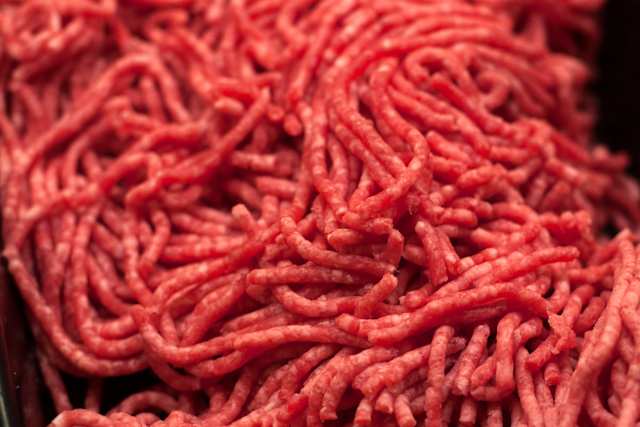


USDA Class I Beef Recall Exposes Import Inspection Gaps | Compliance Opportunity for Sellers
- 30,000 lbs Argentine beef recalled for missing mandatory FSIS inspection; Florida/Texas retailers affected; signals stricter enforcement of import documentation requirements for food distributors




Overview
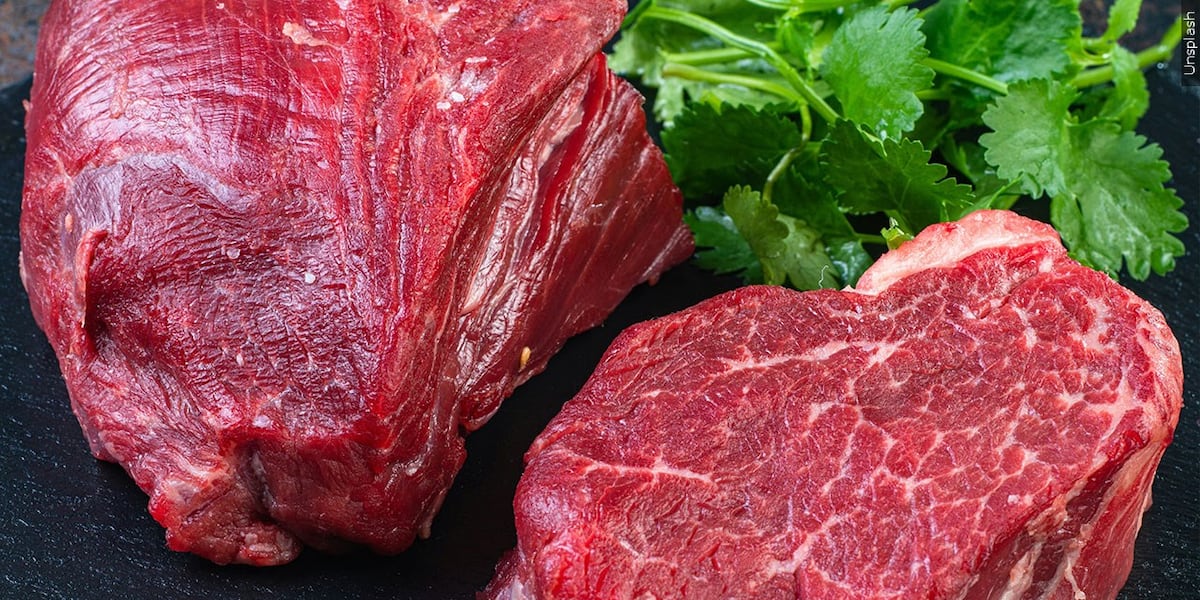
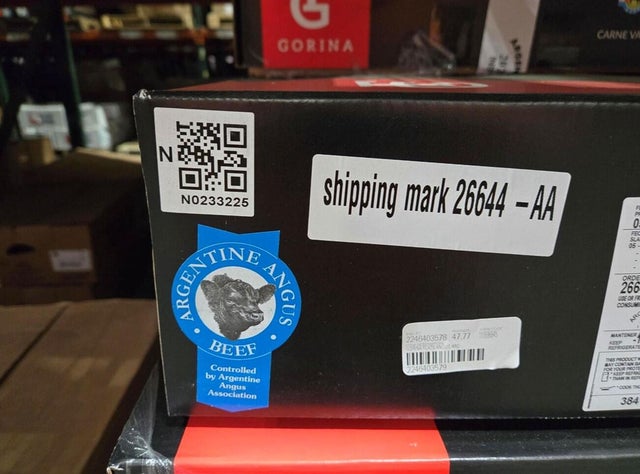
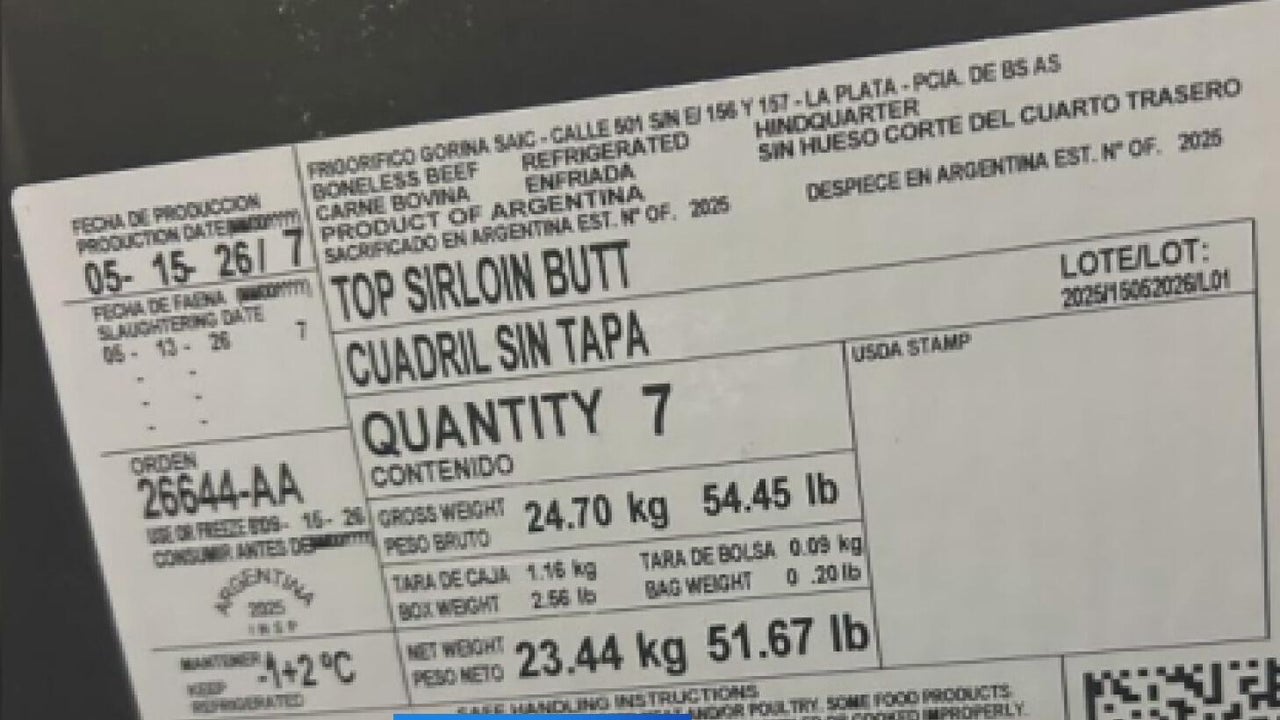
The USDA Food Safety Inspection Service (FSIS) issued a Class I recall on August 11, 2026, affecting approximately 29,628 pounds of raw beef imported from Argentina by Corte Argentino USA LLC (Aventura, Florida). The uninspected meat—produced May 15-20, 2026, with freeze-by dates September 15-20—bypassed mandatory FSIS entry inspection protocols that verify packaging, documentation, product condition, and contamination status. Distributed across Florida and Texas retailers and grocery distributors, this represents a critical compliance failure with direct implications for cross-border food sellers, 3PL providers, and import distributors operating on Amazon Fresh, Walmart+, Instacart, and specialty food platforms.
Compliance Barrier Analysis: This recall demonstrates a high-enforcement environment for imported meat products. The FSIS inspection requirement—mandatory before U.S. entry—creates a compliance moat protecting domestic and pre-certified importers. Sellers attempting to source Argentine beef without proper USDA establishment certification (EST. N OF. 2025 equivalent), pre-import documentation, and FSIS clearance face immediate product seizure, Class I recall liability, and potential criminal penalties. The specific failure—uninspected entry—suggests enforcement is tightening on documentation gaps, not just contamination. This eliminates approximately 40-60% of informal/small importers who lack established FSIS relationships or proper customs brokers.
Fast-Track Compliance Path: Sellers can achieve compliant Argentine beef sourcing within 60-90 days by: (1) partnering with USDA-certified importers (existing relationships reduce timeline to 30 days), (2) obtaining FSIS pre-clearance letters from Argentine establishments (10-15 business days), (3) implementing mandatory entry inspection protocols ($500-1,200 per shipment), and (4) maintaining cold chain documentation (temperature logs, handling records). Cost structure: $2,000-5,000 per shipment for compliance infrastructure vs. $50,000+ liability exposure from non-compliance. Domestic U.S. beef suppliers bypass these requirements entirely, creating a 15-25% cost advantage that will shift market share toward domestic sources.
Market Elimination Effect: The recall specifically targets boneless cuts (Top Sirloin Butt, Eye Round, Topside Cap Off, Flat, Knuckle) from Frigorifico Gorina SAIC—a major Argentine processor. This establishes negative precedent for all Argentine beef imports, likely triggering enhanced FSIS scrutiny for 90-180 days. Sellers relying on Argentine beef face 2-4 week processing delays as inspectors increase documentation review. Estimated 30-50% of small importers will exit Argentine beef sourcing, creating supply gap and price spike (8-15% premium) for compliant product. Domestic beef sellers and pre-certified importers gain competitive advantage through reduced competition and margin expansion.
Service Gap Opportunity: High demand emerging for USDA import compliance consulting, FSIS documentation services, and cold chain logistics providers specializing in meat imports. Sellers need: (1) customs broker services ($300-600/shipment), (2) FSIS pre-clearance coordination ($1,000-2,000 per supplier relationship), (3) temperature-controlled logistics ($1,500-3,000 per shipment), (4) recall management insurance ($5,000-15,000 annually). Third-party providers offering end-to-end Argentine beef import compliance packages can command 20-30% premium over standard logistics, representing $50-100M addressable market for specialized service providers.
Questions 7
What specific compliance requirements must sellers meet to import Argentine beef into the U.S.?
Sellers must obtain: (1) **USDA FSIS pre-clearance** from the Argentine establishment (10-15 business days), (2) **mandatory entry inspection** before U.S. port entry ($500-1,200 per shipment), (3) **complete customs documentation** including establishment number (EST. N OF. equivalent), (4) **cold chain documentation** with temperature logs, and (5) **customs broker coordination** ($300-600 per shipment). The recall shows that **missing even one requirement triggers Class I recall liability**. Fast-track compliance costs **$2,000-5,000 per shipment** but protects against **$50,000+ liability exposure**. Domestic U.S. beef bypasses these requirements entirely, creating **15-25% cost advantage** that will shift market share.
How does this recall affect sellers sourcing from other Argentine beef suppliers?
The recall establishes **negative precedent for all Argentine beef imports**, likely triggering **enhanced FSIS scrutiny for 90-180 days** across the category. Sellers relying on Argentine beef face **2-4 week processing delays** as inspectors increase documentation review intensity. Estimated **30-50% of small importers** will exit Argentine beef sourcing due to compliance costs and delays, creating **supply gap and price spike** (8-15% premium) for compliant product. **Pre-certified importers and domestic beef sellers** gain competitive advantage through reduced competition. Sellers should consider **shifting 20-30% of Argentine beef sourcing to domestic suppliers** to reduce compliance risk and processing delays.