



USDA Class I Beef Recall Signals Tightened Import Inspection | Food Sellers Face Compliance Acceleration
- 30,000 lbs Argentine beef recalled for missing mandatory FSIS inspection; exposes compliance gaps affecting food distributors in Florida/Texas; signals stricter enforcement of import documentation requirements





Overview
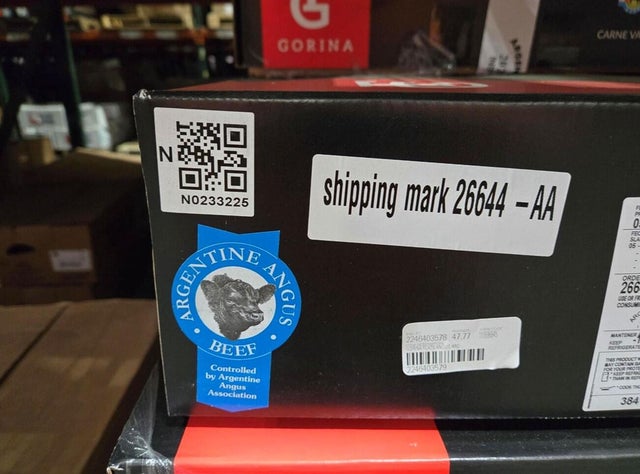
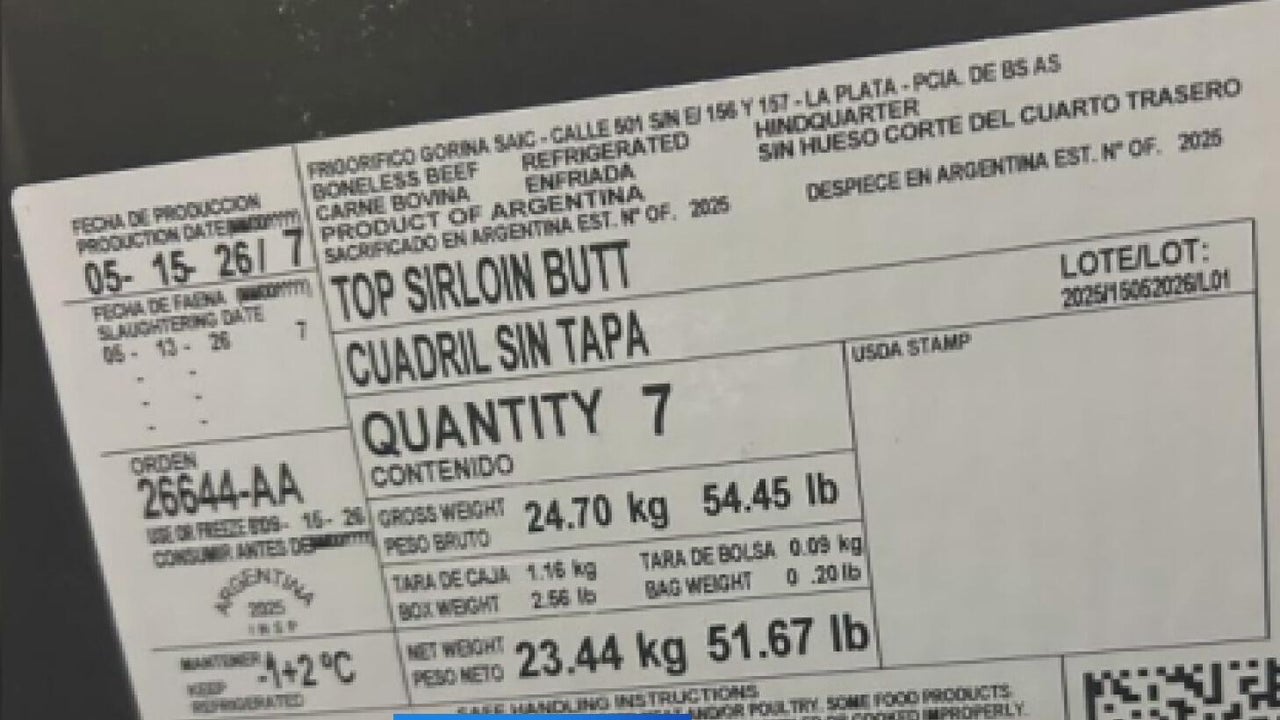
The August 11, 2026 USDA recall of approximately 29,628 pounds of uninspected Argentine beef from Corte Argentino USA represents a critical compliance enforcement escalation that directly impacts cross-border food sellers and e-commerce food distributors. The Class I recall—the most severe classification indicating reasonable probability of serious adverse health consequences or death—was triggered by FSIS discovery that imported beef from Frigorifico Gorina SAIC (Argentinian establishment EST. N OF. 2025) failed mandatory inspection upon U.S. entry. The affected boneless cuts (Top Sirloin Butt, Eye Round, Topside Cap Off, Flat, Knuckle) produced May 15-20, 2026 with freeze-by dates September 15-20 were distributed to retailers across Florida and Texas, affecting both B2B distributors and retail chains.
This incident exposes a critical compliance vulnerability in cross-border meat import protocols and signals USDA's intensified enforcement posture. For e-commerce sellers and food distributors operating in the U.S. market—particularly those sourcing from Argentina, Brazil, or other major beef exporters—the recall underscores that FSIS inspection gaps are now actively monitored during routine activities. The uninspected meat breach violated mandatory USDA documentation verification protocols that check packaging, product condition, and contamination status. This represents not a one-off failure but a systemic enforcement gap: sellers importing meat products must now assume FSIS will conduct surprise inspections at entry points, and non-compliance carries immediate Class I recall consequences. The recall affects inventory management across the supply chain, requiring rapid notification protocols and potential refund obligations for retailers and distributors.
The compliance cost implications are substantial for food sellers targeting U.S. markets. Sellers must now budget for: (1) Pre-shipment FSIS pre-approval documentation ($500-1,500 per shipment), (2) Third-party inspection certification at origin ($300-800 per lot), (3) Customs broker fees for enhanced documentation review ($200-400 per entry), and (4) Potential inventory write-offs if shipments fail inspection (5-15% of shipment value). For sellers importing 10-20 containers monthly, compliance costs increase $3,000-8,000 monthly. The recall also signals that Argentine beef suppliers face heightened scrutiny—sellers may experience 2-4 week delays as FSIS conducts enhanced inspections on Argentine shipments. This creates a competitive moat: sellers with pre-established FSIS approval pathways and certified suppliers can maintain supply continuity while non-compliant competitors face inventory disruptions. Alternative sourcing from USDA-approved facilities in Australia, New Zealand, or domestic U.S. producers becomes strategically valuable, though at 8-15% higher cost premiums.
Questions 8
What is a Class I food recall and why does it matter for meat importers?
A Class I recall is the most severe USDA classification, indicating a reasonable probability that product use will cause serious adverse health consequences or death. The August 2026 Argentine beef recall was classified Class I because uninspected meat posed contamination risks. For meat importers and e-commerce food sellers, Class I recalls trigger mandatory inventory removal, customer notification, and potential liability exposure. Sellers must understand that FSIS now conducts routine inspections at entry points—the Corte Argentino case shows inspectors discovered the violation during standard activities, not complaint investigations. This means compliance is no longer optional; it's actively enforced.
What specific USDA documentation must meat importers provide before shipment?
USDA FSIS requires importers to submit: (1) Health certificates from the exporting country's veterinary authority, (2) Establishment inspection records showing the facility meets USDA standards, (3) Product specifications including production dates and freeze-by dates, (4) Packaging and labeling documentation, and (5) Customs entry documentation. The Argentine beef recall occurred because Corte Argentino USA failed to obtain FSIS pre-approval inspection before the meat entered U.S. commerce. Sellers must budget 2-4 weeks for FSIS pre-approval and work with certified customs brokers ($200-400 per entry) to ensure all documentation is complete before shipment departure.