



Open-Source AI Models Reshape E-Commerce Automation | Meta Muse Spark 1.2 & Nvidia Nemotron Enable Seller AI Tools
- Meta releases Muse Glimmer (laptop-compatible) and Muse Spark 1.2; Nvidia launches Nemotron 3.5 Lightning; enables sellers to build custom AI agents for product research, pricing, and customer service without proprietary API costs
Overview
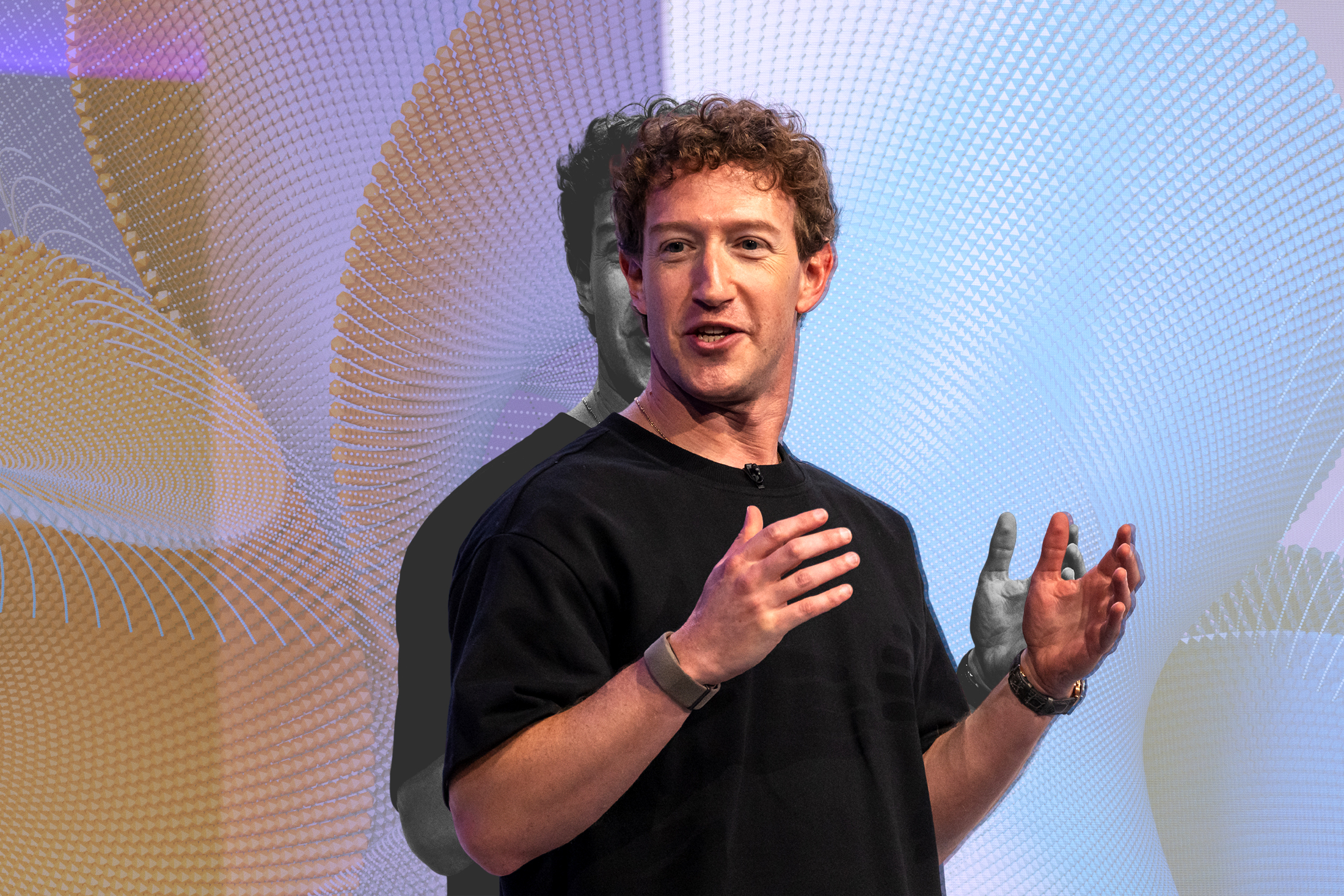
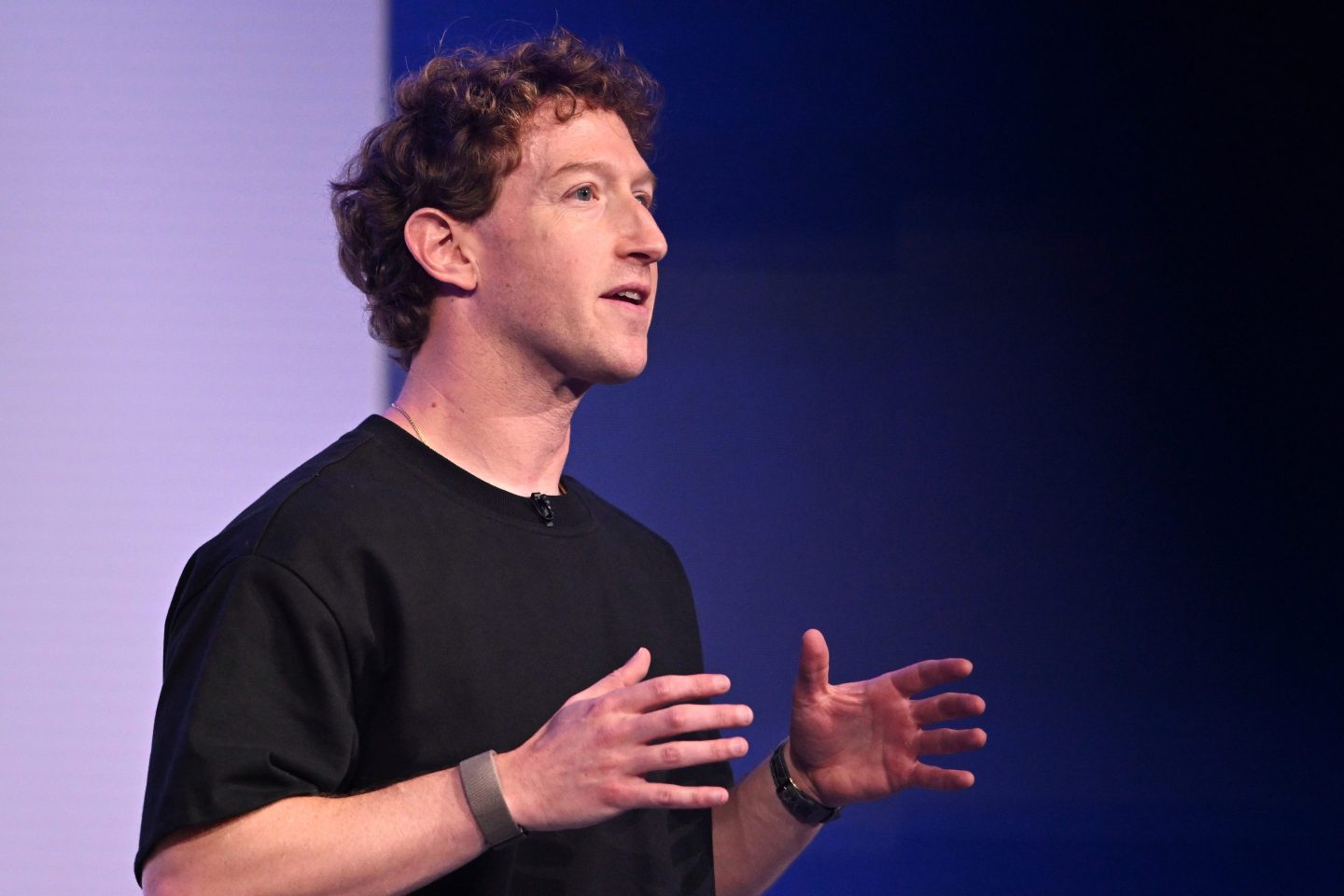
Meta's strategic pivot to open-source AI fundamentally reshapes the competitive landscape for e-commerce automation tools. Meta CEO Mark Zuckerberg released a 6,500-word essay arguing that concentrated AI control poses systemic risks, simultaneously announcing Muse Glimmer (runs on personal computers) and Muse Spark 1.2 (rivals top foundation models) as open-source alternatives to proprietary systems from OpenAI, Anthropic, and Google. Nvidia followed with Nemotron 3.5 Lightning, publishing training datasets and model weights for public inspection. This represents a deliberate competitive response to Chinese labs' dominance in open-weight AI and addresses industry pressure for distributed AI access.
For e-commerce sellers, this creates immediate automation opportunities previously locked behind expensive proprietary APIs. Sellers can now deploy custom AI agents on personal infrastructure for product research automation, dynamic pricing optimization, and customer service chatbots without monthly SaaS subscriptions to OpenAI or Anthropic. Muse Spark 1.2's capability to rival top foundation models means sellers can build Ph.D.-level product analysis tools, personalized recommendation engines, and business intelligence systems at near-zero marginal cost. The laptop-compatible Muse Glimmer enables small sellers (1-50 SKUs) to run AI locally, eliminating cloud API costs entirely—a 60-80% cost reduction versus ChatGPT API or Claude pricing for high-volume automation tasks.
However, Meta faces credibility challenges that directly impact seller adoption. Developers feel "betrayed" after Meta's April 2025 pivot to proprietary Llama 4 under new AI division leader Alexandr Wang, requiring more than rhetoric to rebuild trust. Forrester analyst Charlie Dai emphasizes developers and enterprises welcome "transparency, customization, deployment flexibility, and data sovereignty"—exactly what open-source models provide. The competitive landscape now features smaller, laptop-compatible models designed for on-device digital agents, contrasting with frontier models from Chinese labs like DeepSeek and Moonshot AI. Success depends on Meta cultivating a sustainable developer ecosystem beyond releasing competitive models.
Immediate seller opportunities: (1) Build custom product research agents using Muse Spark 1.2 to analyze competitor listings, identify pricing gaps, and discover trending categories—automating 10-15 hours/week of manual research; (2) Deploy Muse Glimmer locally for real-time dynamic pricing optimization across 100+ SKUs without API costs; (3) Create AI-powered customer service agents handling 40-60% of routine inquiries (returns, shipping, product questions) with 70-80% accuracy on first response. The open-source model eliminates vendor lock-in risk and enables sellers to maintain proprietary competitive advantages through custom fine-tuning on their own sales data.
Questions 7
How can sellers fine-tune Muse Spark 1.2 on their own sales data for competitive advantage?
Open-source models like Muse Spark 1.2 allow sellers to fine-tune on proprietary data—something proprietary APIs prohibit. Fine-tuning involves training the model on your historical sales data (product descriptions, customer inquiries, pricing decisions) to create a custom model that understands your specific category, customer base, and business logic. For example, a beauty seller can fine-tune Muse Spark 1.2 on 5,000+ past customer inquiries to create a model that answers skincare questions with 95%+ accuracy specific to their product line. Cost: $500-2,000 in compute resources (vs $10,000+ for proprietary fine-tuning). Benefit: Competitors using generic ChatGPT cannot replicate your custom model. Sellers should collect 1,000+ examples of high-quality customer interactions, product descriptions, and pricing decisions, then fine-tune Muse Spark 1.2 within 2-3 weeks. This creates a defensible competitive moat in customer service and product recommendations.
Why did Meta's credibility challenges with developers matter for seller adoption?
Meta released proprietary Llama 4 in April 2025, then pivoted back to open-source Muse Spark 1.2 under new AI division leader Alexandr Wang. Uniphore CEO Umesh Sachdev noted developers feel 'betrayed,' requiring 'more than rhetoric to rebuild trust.' For sellers, this means Meta's open-source commitment may be temporary—if Meta shifts to proprietary models again, sellers who invested in Muse Spark 1.2 integration face migration costs. However, Nvidia's simultaneous release of Nemotron 3.5 Lightning (also open-source) provides a backup option. Sellers should adopt open-source AI but maintain flexibility: use modular architecture that allows switching between Muse Spark 1.2 and Nemotron 3.5 Lightning without major rewrites. This hedges against Meta's future strategy shifts while capturing immediate cost savings.