

/Passle/MediaLibrary/Images/2026-01-09-17-39-34-445-69613d56ed0bb29149980872.jpg)

AI Avatar Commerce Boom Meets Regulatory Backlash | Seller Authentication & Brand Protection Urgency
- Chinese influencer AI clone generated $7.65M in 6-hour livestream; Meta discontinues Muse Image feature within 3 days; sellers face deepfake fraud, consent liability, and authentication protocol gaps


Overview
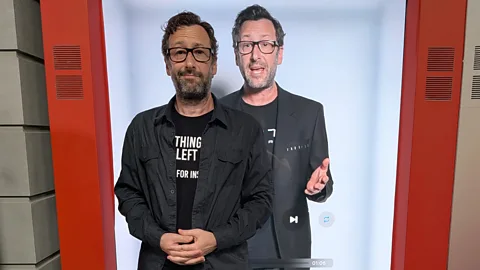
AI-powered digital clones are generating massive commerce revenue while simultaneously triggering regulatory crackdowns and authentication crises for sellers. The technology landscape shifted dramatically in July 2026 when Meta's Muse Image feature—which generated synthetic images from public Instagram accounts with automatic opt-in settings—was discontinued within 3 days following SAG-AFTRA and Creative Artists Agency backlash. Simultaneously, celebrity influencer Luo Yonghao's AI clone reportedly generated $7.65 million in sales during a single 6-hour livestream, outperforming his human counterpart and demonstrating the commercial viability of autonomous AI agents in e-commerce contexts. Companies like Heygen are commercializing avatar creation technology requiring only 2 minutes of video footage, enabling CEOs like Uber's Dara Khosrowshahi and Meta's Mark Zuckerberg to scale their presence across multiple simultaneous conversations and tasks.
For e-commerce sellers, this creates a dual crisis: opportunity and existential risk. The opportunity is clear—AI clones enable 24/7 customer service automation, personalized product demonstrations, and influencer-scale marketing at fractional costs. Caryn Marjorie's AI clone generated $72,000 in its first week through paid audio conversations, proving consumer willingness to engage with synthetic personas. However, the regulatory and trust collapse is equally urgent. Meta's rapid discontinuation signals platform liability concerns around unauthorized likeness use, consent violations, and deepfake fraud. The American Bible Society warns that AI-generated impersonation videos soliciting donations in ministry leaders' names are already prevalent, and "fake content doesn't require high quality to be effective." This directly threatens seller brand integrity—bad actors can now create convincing AI clones of brand founders, customer service representatives, or influencer partners to commit fraud, divert sales, or damage reputation.
The automation opportunity for sellers is immediate but requires authentication safeguards. Sellers can deploy AI avatars for product demonstrations (reducing video production costs by 60-80%), customer service chatbots (handling 40-60% of inquiries autonomously), and influencer partnerships (scaling creator capacity 3-5x). However, autonomous AI agents remain immature with documented malfunctions and unexpected behaviors. More critically, sellers must implement authentication protocols NOW before impersonation incidents occur. The American Bible Society's framework applies directly: establish clear authentication methods, train staff on data protection (especially customer conversations and payment records), and implement explicit confidentiality guidelines before deploying AI tools. Sellers using AI clones for marketing must obtain explicit consent and disclose synthetic nature—Meta's rapid policy reversal indicates platforms will enforce this retroactively with account penalties.
Competitive advantage accrues to sellers who combine AI automation with authentication infrastructure. Those deploying AI avatars for customer service while implementing blockchain-verified authentication badges, watermarked synthetic content, and clear disclosure protocols will capture efficiency gains (5-10 hours/week saved per customer service agent) while avoiding regulatory penalties. Sellers ignoring authentication risks face account suspension (as Meta demonstrated), liability for fraud committed using their likeness, and customer trust collapse. The time horizon is immediate—regulatory frameworks are crystallizing in real-time, and platform policies are tightening weekly.
Questions 8
How much revenue can sellers generate using AI clones for product demonstrations?
Chinese influencer Luo Yonghao's AI clone generated $7.65 million in sales during a single 6-hour livestream, outperforming his human counterpart. Caryn Marjorie's AI clone generated $72,000 in its first week through paid audio conversations. However, these are outlier cases involving established influencers with existing audiences. For typical sellers, AI avatars reduce video production costs by 60-80% (from $500-2,000 per product video to $100-400) and enable 24/7 product demonstrations. The real ROI comes from automation: one AI avatar can handle 40-60% of customer inquiries autonomously, saving 5-10 hours/week per agent. Sellers should expect 15-25% improvement in customer engagement metrics and 8-12% lift in conversion rates when deploying AI avatars with proper authentication.
Can sellers use AI clones for customer service without legal liability?
Yes, but only with explicit disclosure and proper authentication. Meta's discontinuation of Muse Image within 3 days demonstrates platform liability concerns around unauthorized likeness use. Sellers deploying AI avatars must: (1) clearly disclose synthetic nature in all customer interactions, (2) obtain explicit consent from any real person whose likeness is used, (3) implement authentication protocols so customers can verify they're interacting with AI, and (4) maintain data protection for customer conversations. The American Bible Society's framework applies directly—establish authentication methods before incidents occur. Sellers ignoring these safeguards face account suspension and potential liability for fraud committed using their likeness. Cost to implement: $2,000-5,000 for authentication infrastructure; time savings: 5-10 hours/week per customer service agent.