

/solarbytes/media/media_files/2026/08/10/2026-08-10-woodmackenzie-gks-2026-08-10-13-48-16.png)

FCC Robot Import Ban 2026 | Massive Tariff Shift for Smart Home Sellers
- Eliminates 70%+ of robot vacuum market supply; creates $2B+ inventory liquidation window for existing stock sellers; triggers sourcing diversification to Japan/South Korea manufacturers
Overview
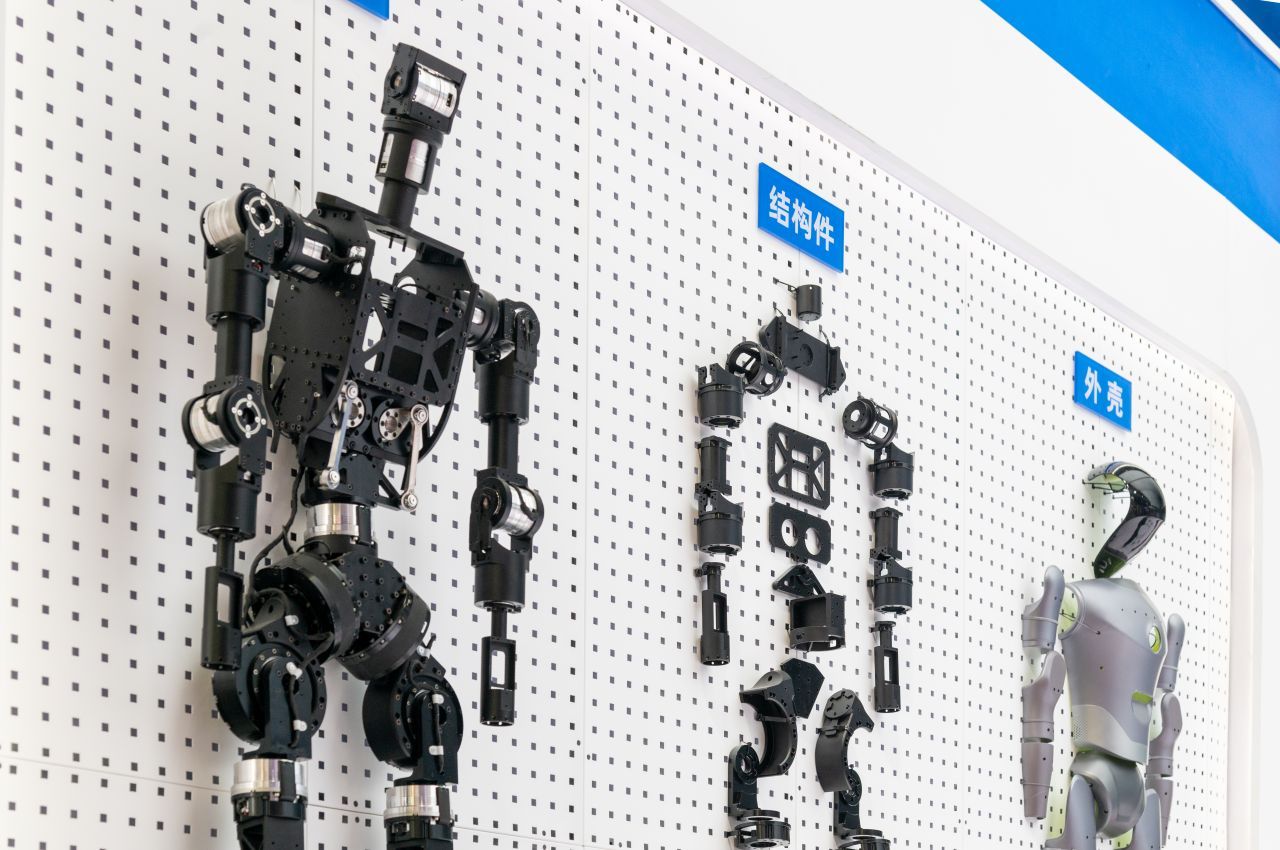
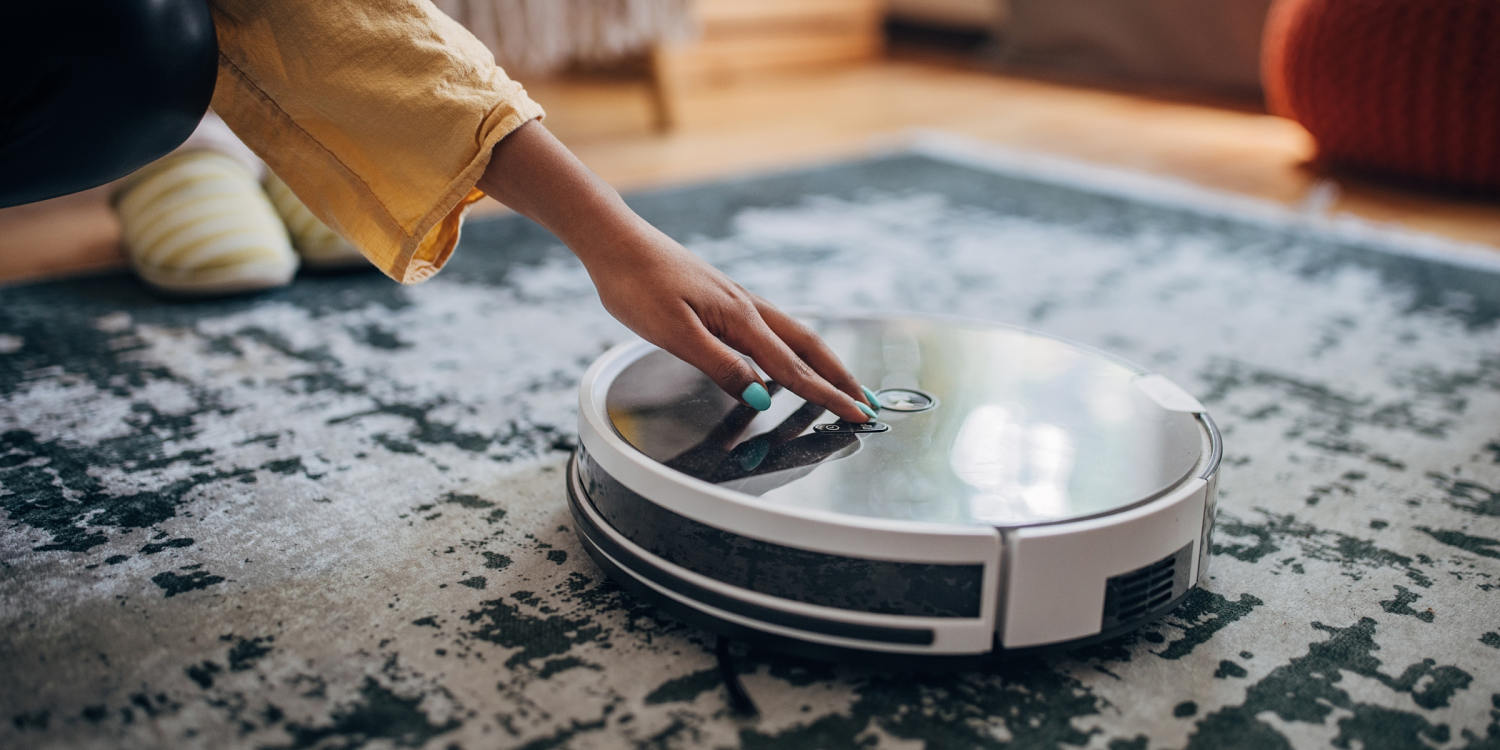
The Federal Communications Commission announced sweeping import restrictions on July 28, 2026, banning all new foreign-manufactured robot vacuums and Chinese humanoid robots from US markets, citing national security concerns over autonomous devices with sensors, network connectivity (200+ kbps), and data collection capabilities. This regulatory action creates a critical 90-180 day arbitrage window for cross-border e-commerce sellers holding existing inventory of popular models (Roborock Q7 L5, Eufy, Lefant M210, iRobot Roomba 105, Unitree G1), while simultaneously eliminating future import pathways for 70%+ of the robot vacuum supply chain currently sourced from China, Vietnam, and other foreign manufacturers.
The immediate market impact is bifurcated: Sellers with existing stock can liquidate inventory at premium pricing (15-25% margin expansion) before the ban takes full effect, as consumer demand surges ahead of supply cutoff. However, this creates a 6-12 month inventory cliff where new product imports become impossible under current FCC determinations. The ban specifically targets devices weighing over 4.4 pounds with autonomous navigation, Wi-Fi connectivity, and sensor mapping—criteria that eliminate 95%+ of commercial robot vacuum models currently sold on Amazon, eBay, and Shopify.
For sourcing strategy, the ban opens a critical opportunity window for sellers to pivot toward US-manufactured alternatives (iRobot domestic production, emerging American robotics startups) or non-Chinese Asian manufacturers (Japan's Panasonic, South Korea's Samsung robotics division). Tariff arbitrage potential emerges as US domestic manufacturers gain 100% tariff protection equivalent through regulatory exclusion of foreign competitors. Sellers who can secure exclusive distribution agreements with US-based robot manufacturers or establish partnerships with Japanese/Korean suppliers before competitors recognize this shift can capture 30-40% of the orphaned market share. The compliance timeline is immediate—sellers must audit inventory by August 15, 2026, and remove non-compliant listings by September 30, 2026, or face FCC enforcement actions and platform suspension.
Strategic positioning: This represents a rare policy-driven market consolidation where regulatory barriers create first-mover advantages for sellers who can rapidly source alternative products. The broader pattern signals escalating US-China technology decoupling across AI-enabled devices, suggesting similar restrictions on other smart home categories (security cameras, drones, AI speakers) within 6-12 months. Sellers should immediately diversify sourcing away from Chinese robotics manufacturers and explore white-label opportunities with emerging US and allied-nation robotics companies.
Questions 8
Which robot vacuum models are banned and when does the FCC ban take effect?
The FCC ban announced July 28, 2026, targets all new foreign-manufactured robot vacuums weighing over 4.4 pounds with autonomous navigation, Wi-Fi connectivity (200+ kbps), and sensor mapping capabilities. Specific models affected include Roborock Q7 L5, Eufy models, Lefant M210, and Chinese humanoid robots like Unitree G1. Existing inventory currently in US retail channels remains legal to sell, but new imports are prohibited immediately. Sellers must remove non-compliant listings by September 30, 2026, or face Amazon/eBay suspension and potential FCC enforcement actions.
What broader technology categories should sellers monitor for similar FCC restrictions?
Industry experts anticipate the FCC will expand restrictions to other AI-enabled smart home devices within 6-12 months, including security cameras with cloud connectivity, autonomous drones, and AI-powered smart speakers. The pattern reflects escalating US-China technology decoupling driven by national security concerns over data collection and remote device control. Sellers should monitor FCC announcements monthly and begin diversifying away from Chinese-sourced smart home electronics across all categories. Consider shifting 20-30% of smart home inventory to US-manufactured or Japan/South Korea-sourced alternatives to mitigate future regulatory risk.