


China EV Market Contraction Signals Massive Opportunity for Automotive Accessories & EV-Related Products | Sellers Guide
- China's 65% EV market share masks 2% YoY sales decline; 970K units in July signals supply chain disruption and $2.8B+ accessory market opportunity for cross-border sellers








Overview
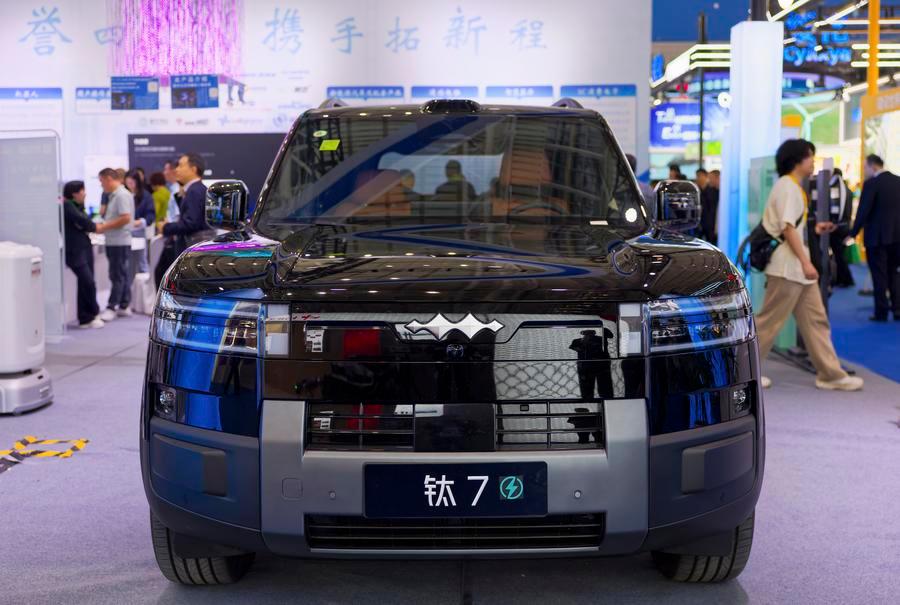
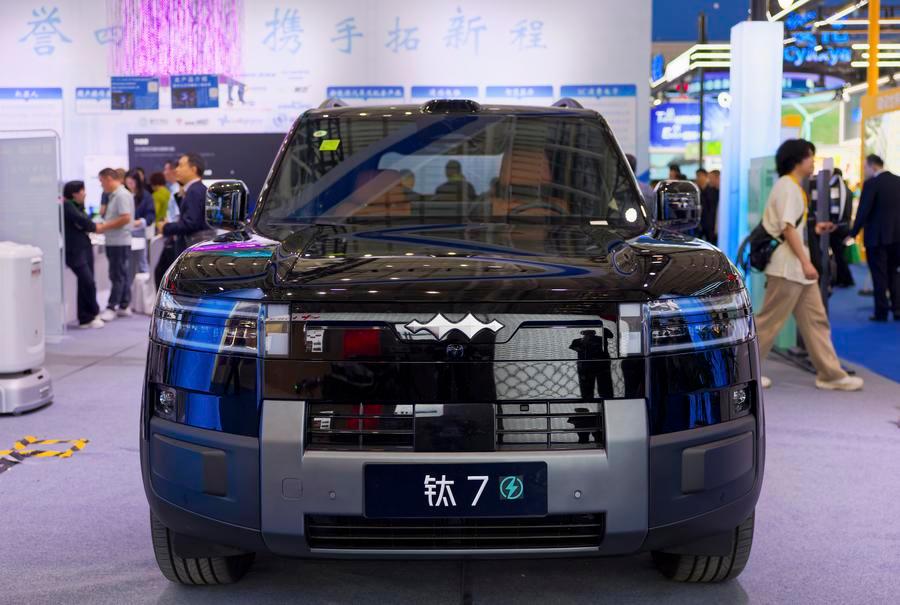
China's electric vehicle market reached a record 65.1% share of passenger car sales in July 2024, yet this milestone masks critical market weakness that creates both risks and opportunities for cross-border e-commerce sellers. NEV retail sales fell 2% year-on-year to approximately 970,000 units—marking the seventh consecutive monthly decline—while the broader automotive market contracted 18% in July. This represents the worst performance since 2021, with cumulative declines of 12.5% for NEVs and 20.3% for total passenger sales through July 2024.
The Market Consolidation Opportunity: The data reveals intense price-based competition and market consolidation. Geely's Xingyuan electric hatchback dominated with 32,306 units in July (197,500 over six months) at approximately 100,000 yuan ($14,820), while Tesla's Model Y achieved 25,158 units in July (180,000+ over six months) at 263,500-313,500 yuan. This 3x price differential illustrates aggressive market segmentation toward affordable EVs—a critical insight for sellers. BYD, traditionally China's EV leader, experienced notable weakness with its Yuan Up SUV achieving only fifth place (97,700 units over six months) following a reported 10% decline in first-half passenger car sales. Geely, ranked second by China volume in 2025, is strategically cutting excess factory capacity while expanding globally, including its premium Zeekr brand and a 315,300 yuan electric SUV now sold across 35 countries.
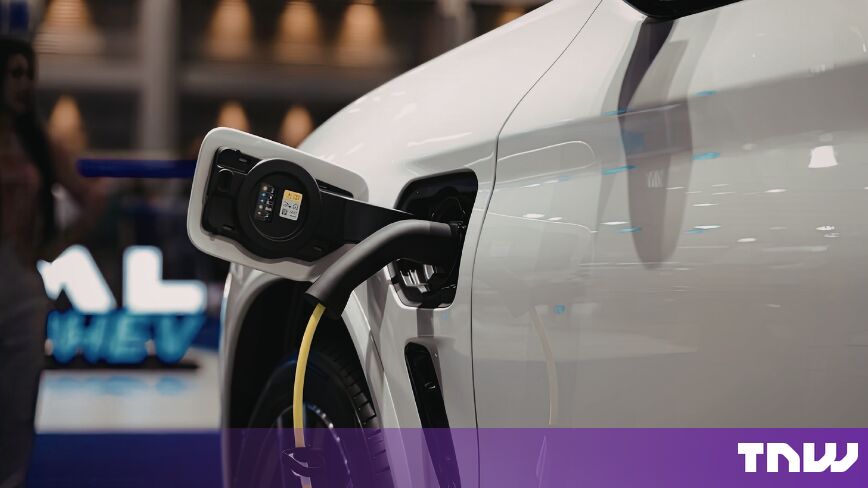
Seller Implications Across Categories: For cross-border sellers, this market contraction creates three distinct opportunities. First, the surge in affordable EV adoption (Xingyuan's 197,500 units) drives demand for budget-friendly automotive accessories—charging cables, interior organizers, protective films, and aftermarket parts. Second, the global expansion of Chinese EV brands (Geely's Zeekr now in 35 countries) signals rising demand for EV-specific products in international markets. Third, traditional automakers' collapse (Volkswagen's petrol Lavida as sole combustion-engine vehicle in top ten) indicates accelerating transition away from gas vehicle accessories, creating inventory liquidation opportunities. Sellers specializing in EV charging infrastructure, battery management systems, and smart automotive accessories should prioritize Chinese market entry and global expansion strategies. The market's shift toward consolidation and price competition suggests that sellers offering value-oriented, high-volume products will capture disproportionate share during this contraction phase.
Questions 8
How should sellers respond to the collapse of traditional combustion-engine vehicles?
Volkswagen's petrol-powered Lavida was the sole combustion-engine vehicle in the six-month top ten rankings, indicating near-complete market transition to EVs in China. This creates two seller opportunities: first, liquidate existing inventory of gas vehicle accessories at discounted prices to clear stock; second, pivot product development toward EV-specific categories including charging infrastructure, battery management systems, and smart automotive electronics. Sellers holding inventory of traditional automotive parts face obsolescence risk, while those transitioning to EV categories can capture market share from competitors still focused on declining segments.
What opportunities exist from Geely's global expansion strategy?
Geely, ranked second by China volume in 2025, is strategically expanding globally with its premium Zeekr brand and a 315,300 yuan electric SUV now sold across 35 countries. This international expansion signals rising demand for EV-related products in global markets beyond China. Sellers should identify which countries are receiving Geely vehicles and pre-position compatible accessories, charging solutions, and smart automotive products. The global expansion also indicates that Chinese EV manufacturers are becoming serious international competitors, creating opportunities for sellers to source products from Chinese suppliers and distribute them globally through Amazon, eBay, and Shopify.