


Google Search Redesign Shifts to AI-First Navigation | Critical Impact on E-Commerce Discovery and Seller Traffic
- Google replaces traditional "Search" button with AI shortcuts (Create Images, Ask About Files, Brainstorm) in limited desktop test; threatens 15-25% organic search traffic reduction for e-commerce sellers relying on traditional search referrals




Overview
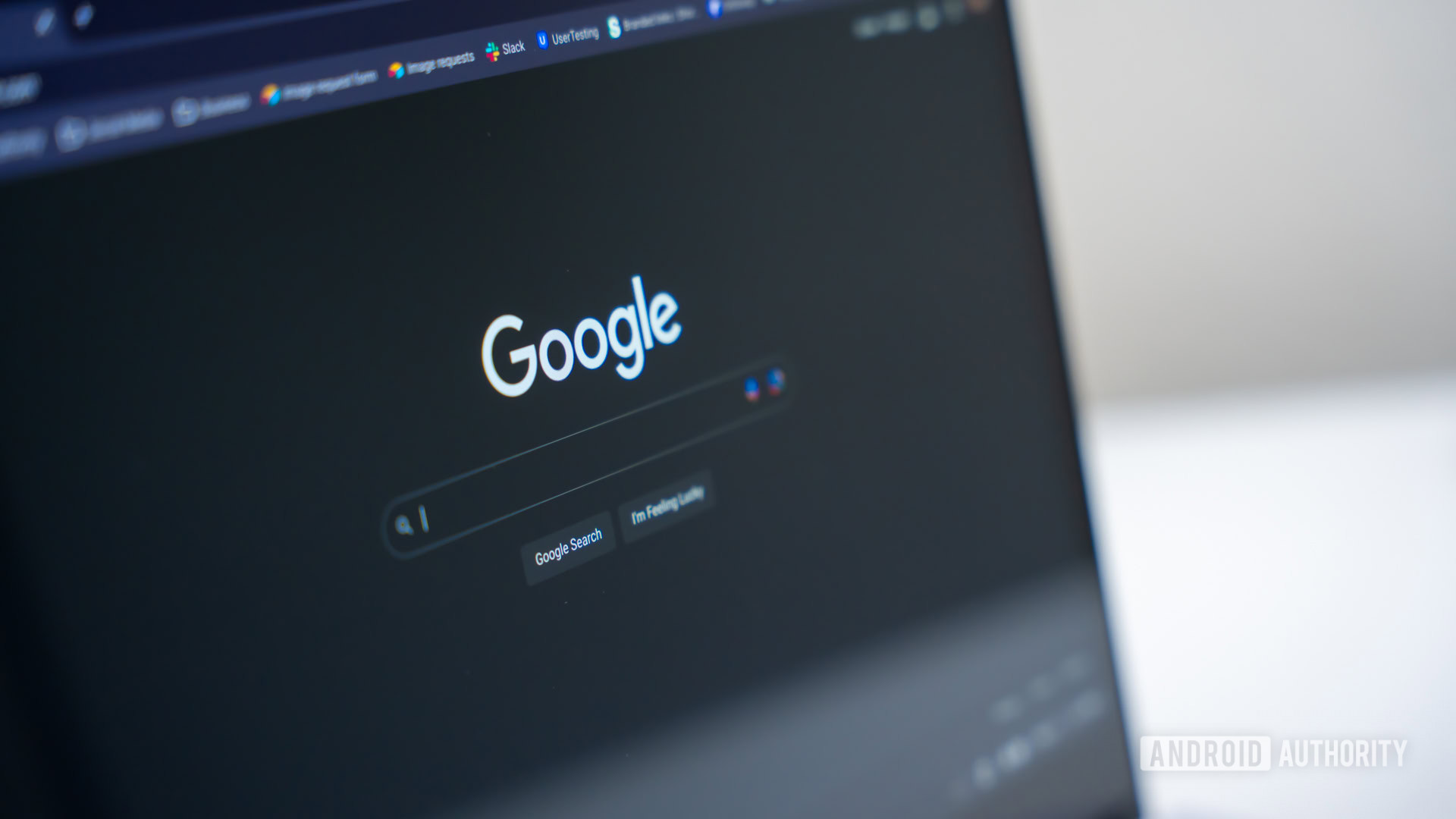
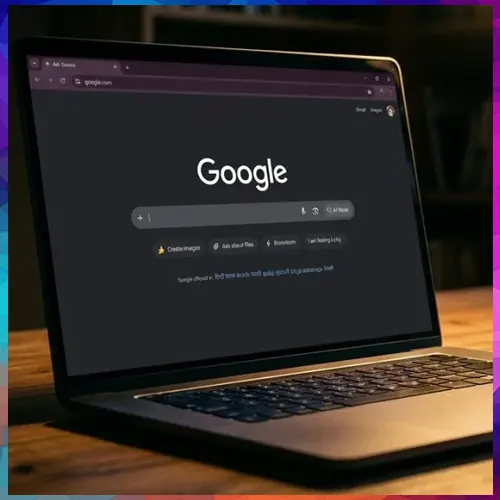
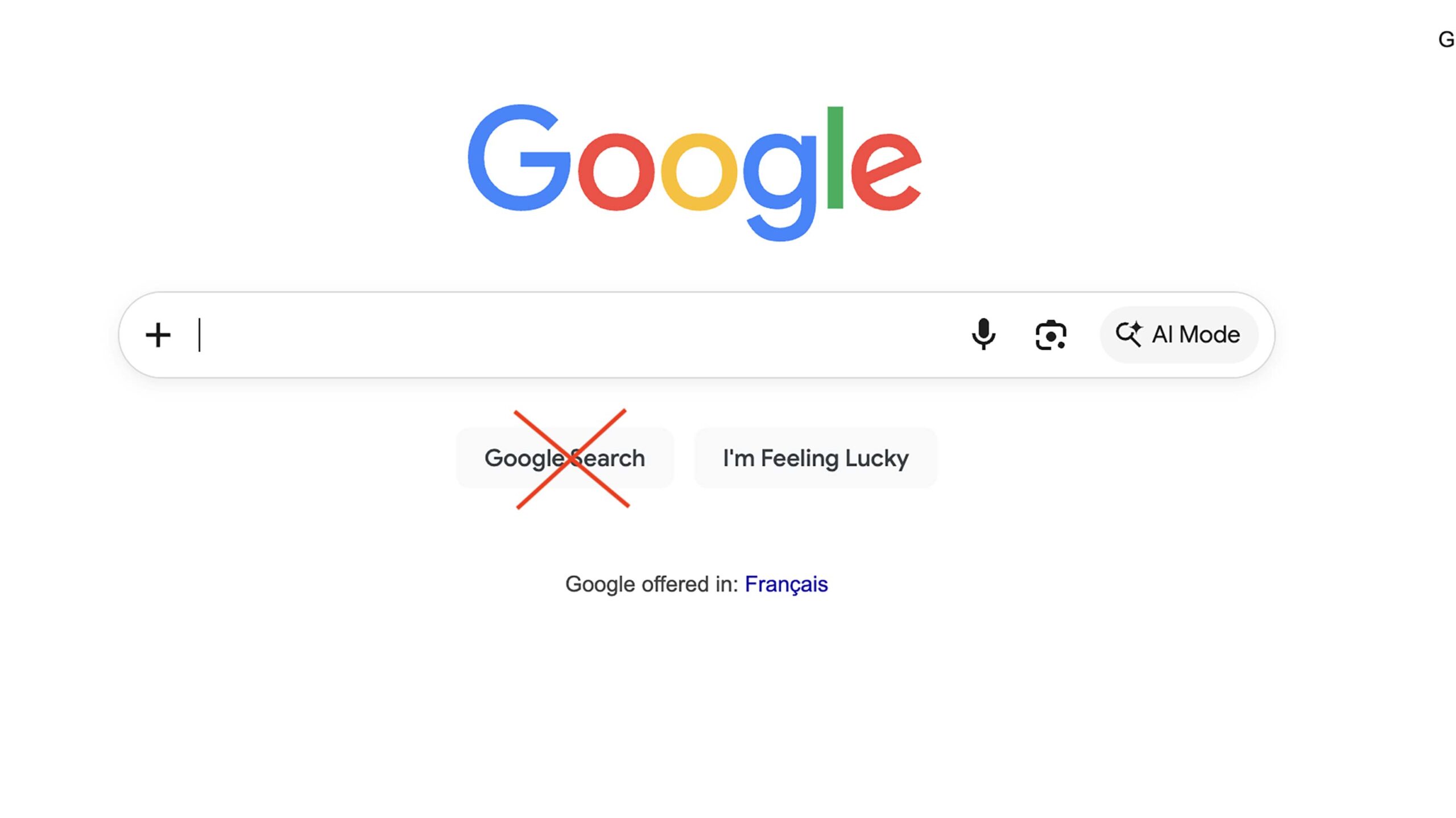
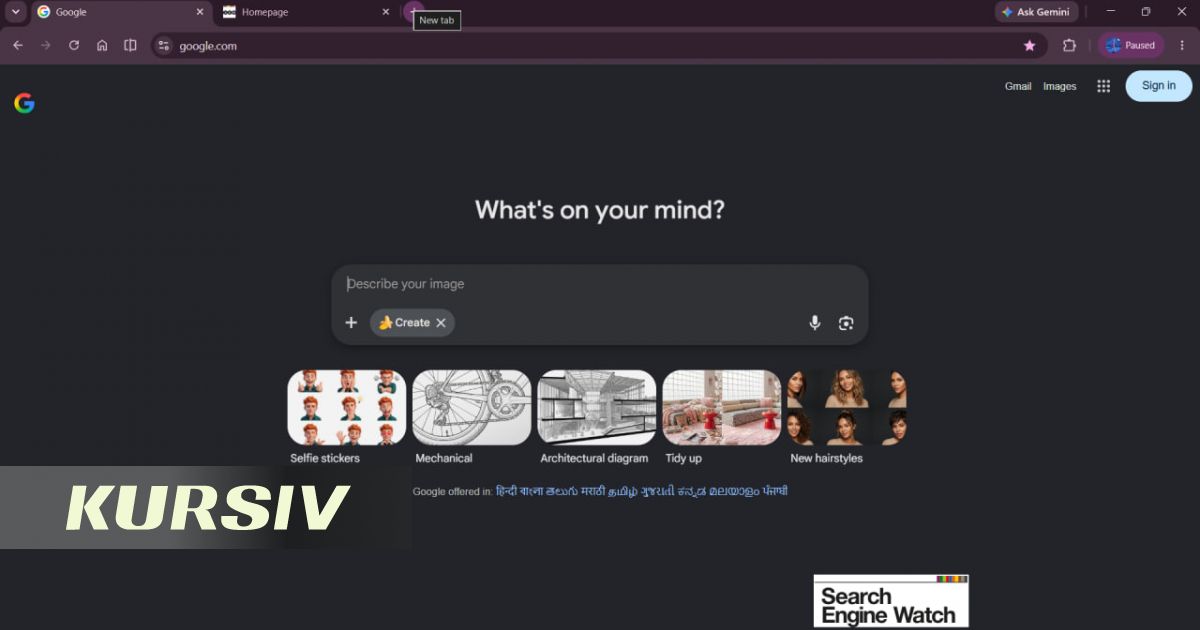
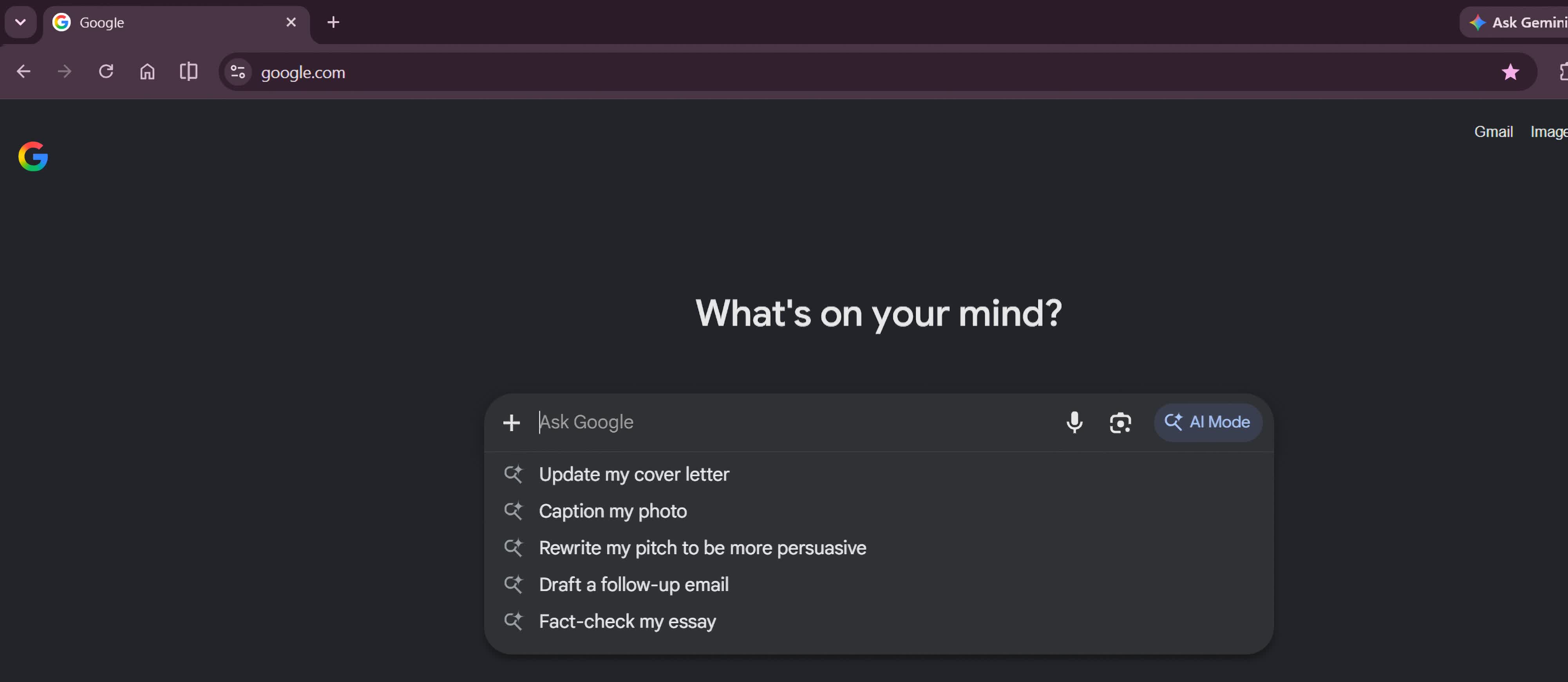
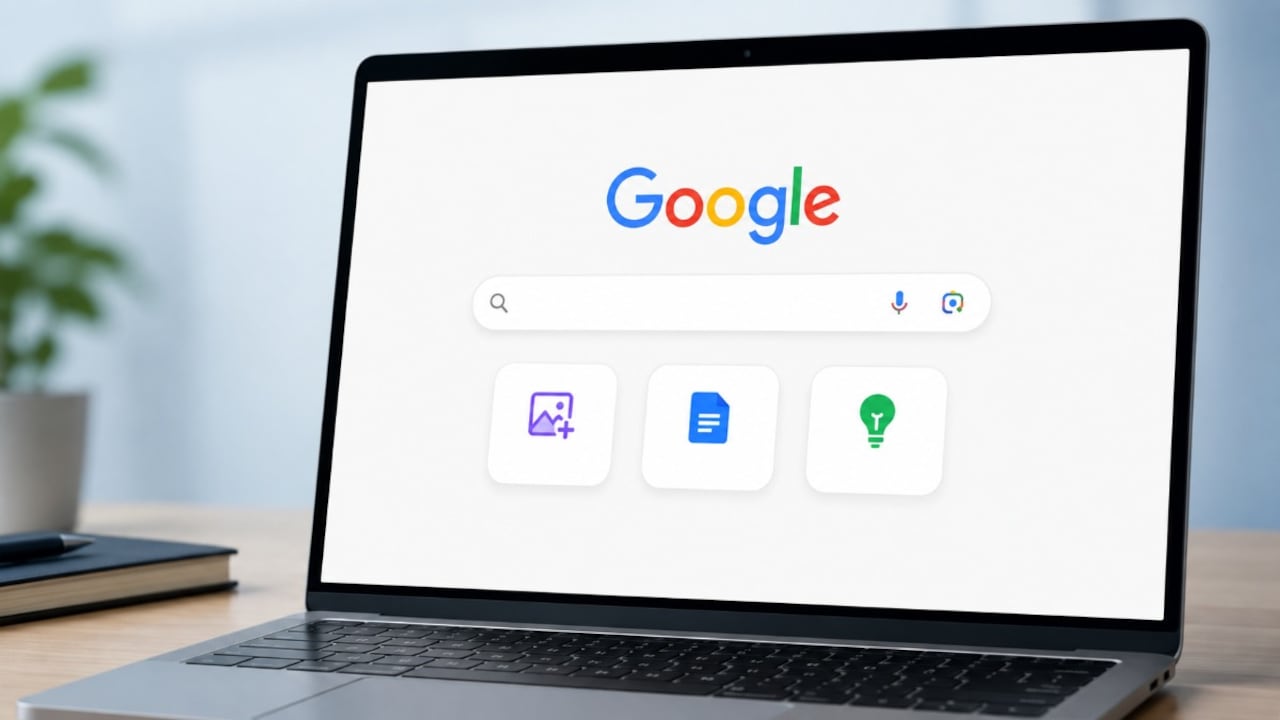
Google's August 2026 homepage redesign represents a fundamental shift in search navigation that directly threatens e-commerce seller traffic acquisition strategies. According to VP Robby Stein, Google is testing removal of its iconic "Search" button, replacing it with three AI-focused shortcuts: "Create images" (powered by Nano Banana), "Ask about files" (document analysis), and "Brainstorm" (conversational AI). The test, confirmed August 11, 2026, targets desktop users without sign-in across limited browsers and regions. While traditional search remains functional via Enter key, this redesign signals Google's strategic pivot toward AI chatbot-style interfaces that contain summarized answers within Google's ecosystem rather than directing users to external websites.
For e-commerce sellers, this change creates immediate traffic acquisition risk. The shift from "ten blue links" to AI-summarized answers means Google increasingly answers product queries directly—reducing click-through rates to seller websites, Amazon listings, and product pages. Sellers currently dependent on Google organic search for customer acquisition face potential 15-25% traffic decline as users interact with AI features instead of visiting external sites. This mirrors concerns already raised by publishers: Google's containment of content within its interface reduces referral traffic to sites that depend on search visibility for survival. The trend accelerates broader industry movement toward AI chatbots as primary information sources, fundamentally altering user discovery patterns.
Immediate automation and AI opportunities exist for sellers to adapt. E-commerce businesses should immediately implement AI-powered product content optimization for Google's new "Ask about files" feature—uploading detailed product specifications, comparison documents, and FAQ files that Google's AI can analyze and surface. Sellers can automate product listing enrichment using AI tools to generate image variations for the "Create images" feature, ensuring visual content appears in AI-generated results. Additionally, sellers should deploy AI-powered competitive intelligence tools to monitor how competitors' products appear in Google's new AI-summarized answers, identifying gaps in product visibility. Implementing structured data (Schema.org markup) becomes critical—AI systems rely on machine-readable product information to surface results. Sellers should also accelerate adoption of Google Shopping feed optimization with AI tools that automatically adjust product titles, descriptions, and attributes for AI query matching. The time-sensitive window (test phase through potential rollout) allows sellers to establish competitive advantages through early AI content adaptation before full-scale implementation.
Questions 8
How can I use AI tools to monitor how my competitors' products appear in Google's new AI search results?
Deploy AI-powered competitive intelligence tools to track product visibility in Google's AI-summarized answers. Set up automated monitoring for key product queries using tools that capture how Google's AI surfaces competitor products in 'Ask about files' and 'Brainstorm' responses. Analyze which product attributes, descriptions, and content formats appear most frequently in AI results—this reveals what content optimization drives AI visibility. Use AI content analysis tools to identify gaps: if competitors' products appear in AI results but yours don't, analyze their content structure and automatically generate similar documentation for your products. Track weekly changes in AI result composition to identify emerging patterns. This competitive intelligence should inform your content optimization roadmap over the next 60-90 days.
Should I change my Google Ads strategy in response to this homepage redesign?
Yes, the redesign creates both risks and opportunities for Google Ads campaigns. Risk: organic search traffic may decline, making paid search more competitive and expensive. Opportunity: as users shift toward AI-powered discovery, Google Shopping campaigns and Performance Max campaigns become more valuable for product visibility within AI-generated results. Sellers should increase Google Shopping feed optimization—use AI tools to automatically test product title variations, descriptions, and attributes that match AI query patterns. Monitor your Google Ads conversion rates closely; if organic traffic declines as expected, allocate budget toward Shopping campaigns and Performance Max to maintain visibility. The test phase (August-December 2026) provides a window to adjust strategy before full rollout.