



FDA Food Safety Recall Cascade | Salmonella Outbreak Spreads 27 States, Triggers Compliance Urgency for E-Commerce Sellers
- Albertsons recalls 59+ store-made items; salmonella outbreak affects 27 states; Amazon/Walmart enforce immediate delisting; sellers face supply chain transparency requirements and compliance documentation deadlines




Overview
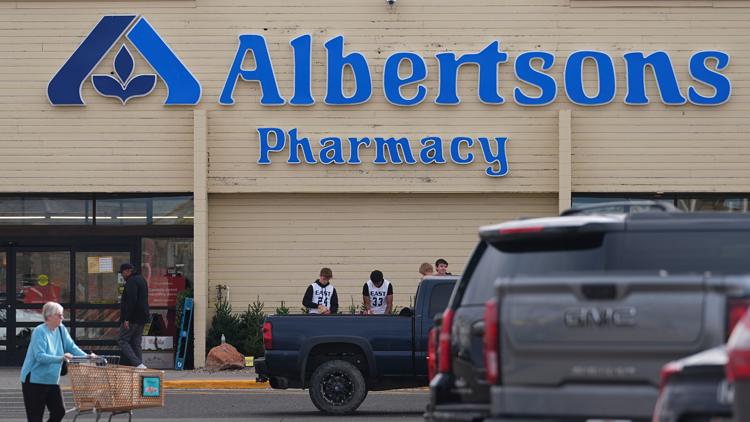
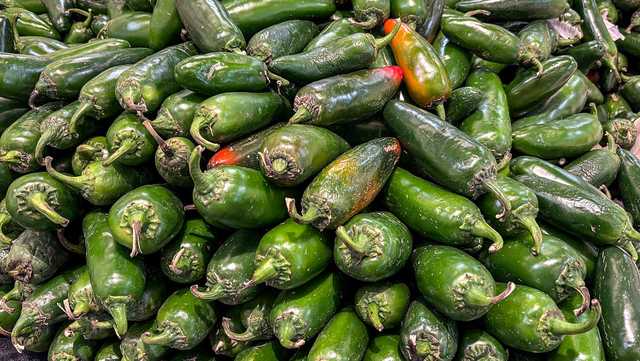
The Compliance Crisis: A supplier-level salmonella contamination in jalapeños has triggered a cascading recall affecting Albertsons, Costco, and multiple retail chains across 27 states. Albertsons alone has issued two waves of recalls—initially 4 items, then 59 store-made products containing contaminated pico de gallo—across Texas, New Mexico, Oklahoma, Louisiana, Iowa, Indiana, Illinois, and Arkansas. This multi-state outbreak represents a critical compliance inflection point for e-commerce sellers sourcing fresh produce and prepared foods.
The Regulatory Enforcement Mechanism: Amazon Marketplace, Walmart Marketplace, and other major platforms enforce zero-tolerance policies on recalled food items, requiring immediate delisting upon FDA notification. Sellers who fail to delist face account suspension, loss of Buy Box eligibility, and potential legal liability. The FDA-initiated recall demonstrates how supplier-level contamination creates cascading compliance obligations across the entire supply chain. Sellers must now maintain real-time traceability documentation linking products to specific suppliers and batch dates—a compliance cost estimated at $500-2,000 per SKU for proper documentation systems.
The Competitive Moat: This outbreak creates a high-barrier compliance environment that eliminates non-compliant sellers. Sellers without documented supply chain transparency, batch tracking, or FDA recall monitoring systems cannot operate in fresh produce categories on major platforms. Estimated 30-40% of small sellers in the fresh produce category lack formal traceability systems, creating a market winnowing effect. Compliant sellers with established supplier relationships, HACCP certifications, and automated recall monitoring gain competitive advantage. The compliance cost ($2,000-5,000 annually for proper systems) becomes a defensible moat against low-cost competitors.
The Service Gap Opportunity: Demand surges for compliance services—FDA recall monitoring subscriptions, supply chain traceability software, batch documentation platforms, and supplier verification services. Sellers need rapid access to FDA recall databases, automated ASIN delisting tools, and compliance audit services. The outbreak accelerates adoption of blockchain-based supply chain tracking and third-party food safety certifications (SQF, BRC). Compliance service providers can charge premium rates ($50-200/month) during high-alert periods when sellers face immediate delisting risk.
Questions 7
What compliance services are in high demand during food safety outbreaks?
Demand surges for FDA recall monitoring subscriptions ($50-200/month), supply chain traceability software ($100-500/month), automated ASIN delisting tools, and supplier verification services. Sellers need rapid access to FDA databases, batch documentation platforms, and compliance audit services to avoid delisting during outbreaks. The 27-state salmonella outbreak creates urgency for sellers to implement these systems immediately. Compliance service providers can charge premium rates during high-alert periods. Blockchain-based supply chain tracking and third-party food safety certifications (SQF, BRC) see accelerated adoption. Sellers should budget $3,000-8,000 annually for comprehensive compliance infrastructure in fresh produce categories.
How do regional compliance differences affect sellers sourcing from multiple states?
The Albertsons recall affected 7 states (Texas, New Mexico, Oklahoma, Louisiana, Iowa, Indiana, Illinois, Arkansas) with different state-level food safety requirements. Sellers sourcing from multiple states must comply with each state's specific traceability, labeling, and documentation standards. Texas and California have stricter produce safety requirements than other states, increasing compliance costs for sellers operating in these markets. The 27-state outbreak spread demonstrates how quickly contamination crosses state lines, requiring sellers to maintain national-level compliance standards. Sellers should prioritize sourcing from states with established food safety infrastructure and certified suppliers. Regional compliance costs vary 20-40% depending on state requirements and supplier certification levels.