


Tencent's AI-Powered WeChat Ads Drive 22% Marketing Growth | Cross-Border Seller Opportunity
- Marketing services revenue surges to 43.6B yuan; AI-enhanced advertising creates new monetization channels for sellers in China's 1.3B+ WeChat ecosystem















Overview
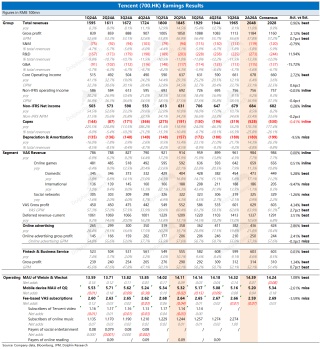
Tencent's Q2 2026 earnings reveal a critical inflection point for cross-border e-commerce sellers targeting Chinese consumers: the company's 22% year-over-year growth in marketing services revenue (reaching 43.6 billion yuan) is directly powered by AI-enhanced advertising within the WeChat ecosystem. This represents a fundamental shift in how sellers can reach Chinese buyers through integrated messaging, payments, and social commerce channels. The company's aggressive 65% surge in capital expenditures to 52.8 billion yuan ($7.8 billion) signals Tencent's commitment to building proprietary AI models—including the newly launched Xiaowei AI assistant integrated into WeChat and the globally available Hy3 model—specifically designed to improve ad targeting and conversion optimization for merchants.
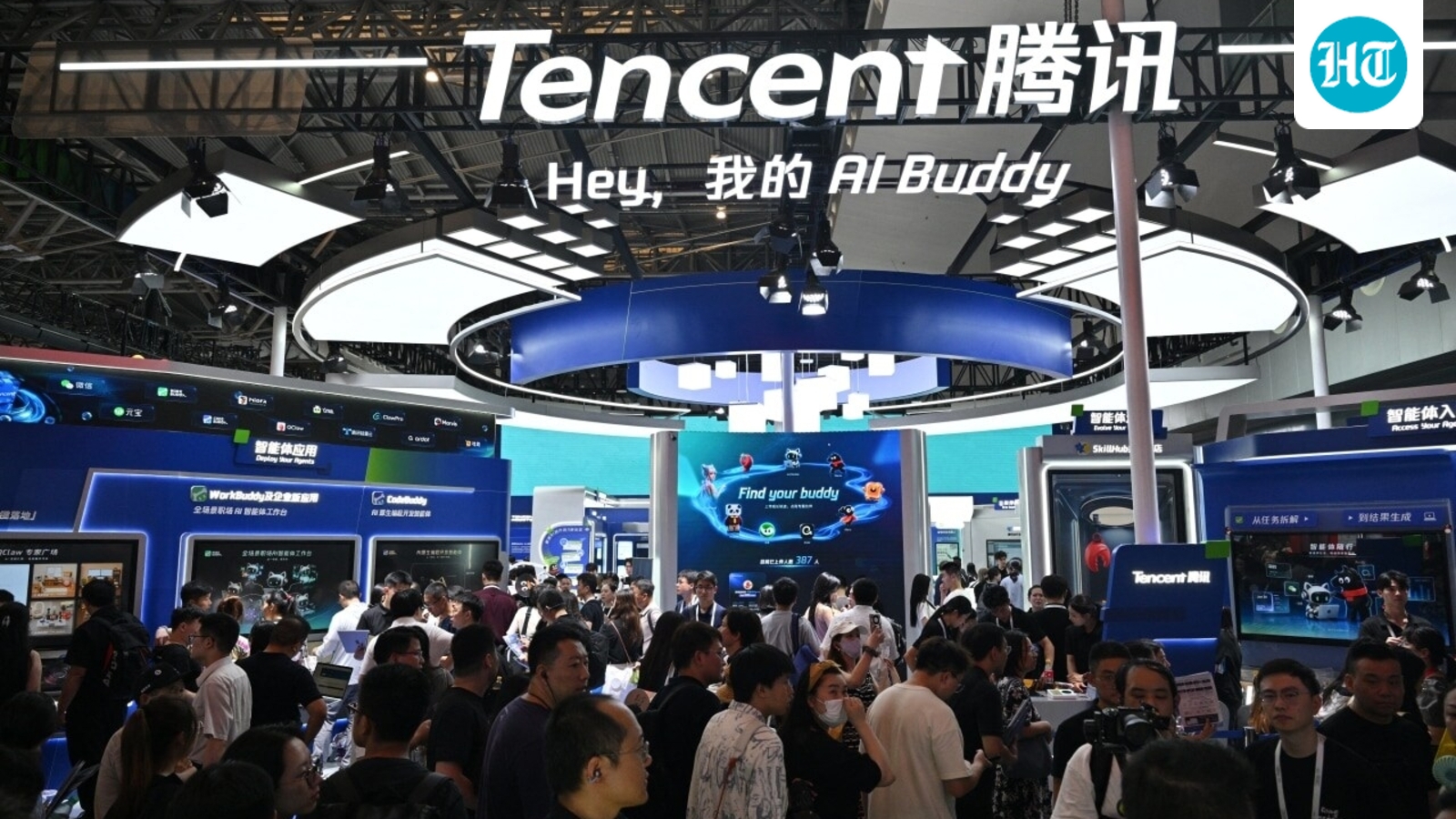
For sellers, the immediate opportunity lies in AI-driven ad recommendations now embedded in WeChat's 1.3+ billion user base. Tencent Cloud services grew at low-twenties percentage rates driven by AI demand, and the company successfully raised prices for customers, indicating strong ROI justification for AI-powered advertising tools. The 22% marketing services growth significantly outpaced overall revenue growth of 11%, demonstrating that AI-enhanced advertising is becoming Tencent's primary monetization engine. Sellers using WeChat Shop and Weixin Pay can now leverage machine learning algorithms for audience segmentation, bid optimization, and real-time performance analytics—capabilities that previously required manual management or third-party tools. The integration of Yuanbao chatbot and WorkBuddy office assistant into the ecosystem suggests Tencent is building end-to-end AI automation for merchant operations, from customer service to inventory management.
However, sellers must prepare for pricing pressure and operational complexity. While Tencent's net profit rose only 0.7% to 56 billion yuan (missing analyst expectations of 61.8 billion yuan), the company's heavy AI capex spending signals that service pricing will likely increase as Tencent seeks to monetize its infrastructure investments. The negative free cash flow of 13.8 billion yuan reflects this investment intensity. Sellers should expect WeChat advertising costs to rise 8-15% over the next 12-18 months as Tencent passes infrastructure costs to users. Additionally, the 0.8% decline in international gaming revenue due to currency headwinds suggests that sellers relying on yuan-denominated pricing may face margin compression when converting to USD or EUR. The competitive landscape is intensifying—Tencent faces pressure from Alibaba, ByteDance, and emerging AI players like DeepSeek and Moonshot AI—which could accelerate feature releases but also fragment the Chinese e-commerce advertising market.
Questions 8
How can sellers use Tencent's AI data insights to optimize product selection and inventory?
Tencent's AI infrastructure now processes 1.3+ billion WeChat users' behavioral data, enabling sellers to access aggregated insights on product demand, seasonal trends, and category performance through Tencent Cloud analytics. The Hunyuan AI model can identify emerging product trends 4-8 weeks before they peak, allowing sellers to adjust inventory ahead of demand spikes. Sellers can use AI-powered demand forecasting to reduce inventory carrying costs by 15-25% while improving stock-out prevention. The Yuanbao chatbot can analyze customer inquiries to identify unmet product needs and emerging categories. Sellers should request access to Tencent Cloud's AI analytics dashboard (available through WeChat Shop Premium tier) to monitor real-time product performance, competitor pricing, and category trends. This data-driven approach can improve inventory turnover by 20-30% and reduce dead stock by 10-15%.
How does Tencent's AI strategy compare to Alibaba's approach in the Chinese e-commerce market?
Tencent is pursuing a social-commerce-first AI strategy, embedding advertising and merchant tools directly into WeChat's messaging and payment ecosystem, while Alibaba focuses on search-based commerce through Taobao and Tmall with AI-powered product discovery. Tencent's 22% marketing services growth outpaces Alibaba's reported advertising growth, indicating social commerce AI is gaining market share. Tencent's Xiaowei chatbot and Hunyuan AI models are designed for conversational commerce and customer service automation, whereas Alibaba emphasizes search ranking algorithms and inventory management AI. Sellers should maintain presence on both platforms: use Tencent/WeChat for brand building and customer engagement through AI-powered social ads, and Alibaba/Taobao for high-intent search traffic. The competitive intensity (Tencent faces pressure from ByteDance, DeepSeek, and Moonshot AI) suggests feature parity will emerge within 6-12 months.