



Card Skimming Fraud Costs Sellers $1B+ Annually | Payment Security & Cash Flow Impact
- Secret Service removes 411+ skimming devices in 2025; prevents $428M fraud; retailers face payment processing risks and customer trust erosion






Overview
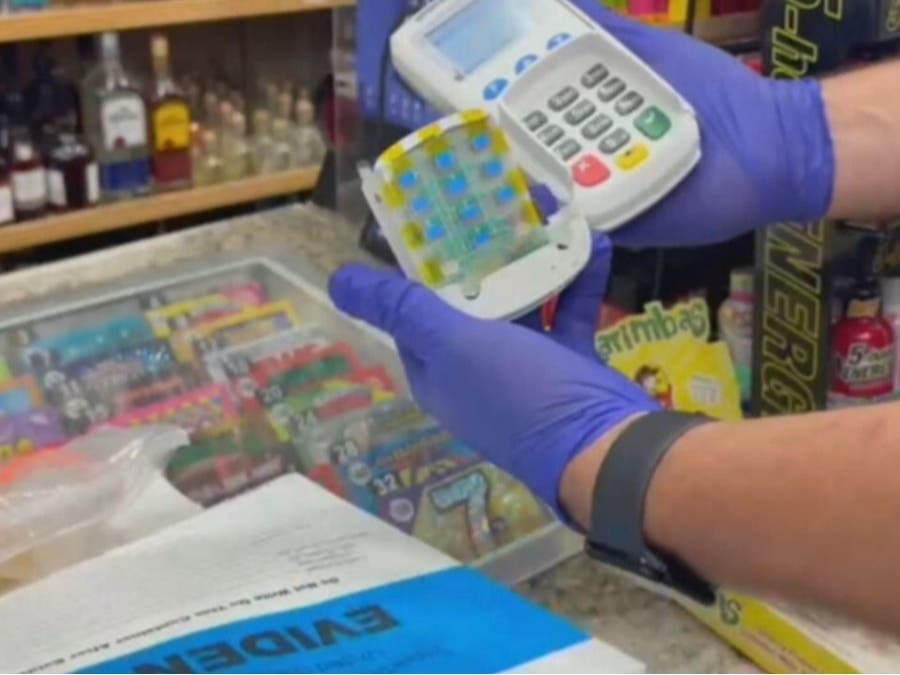
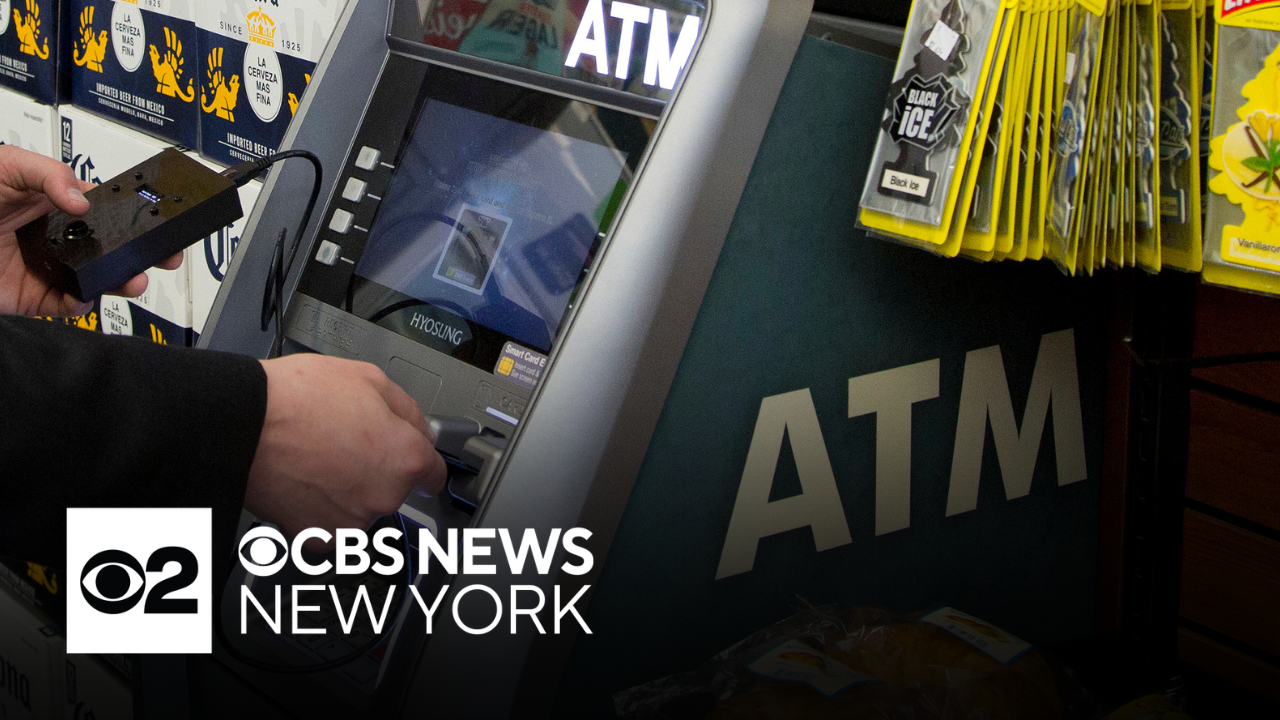
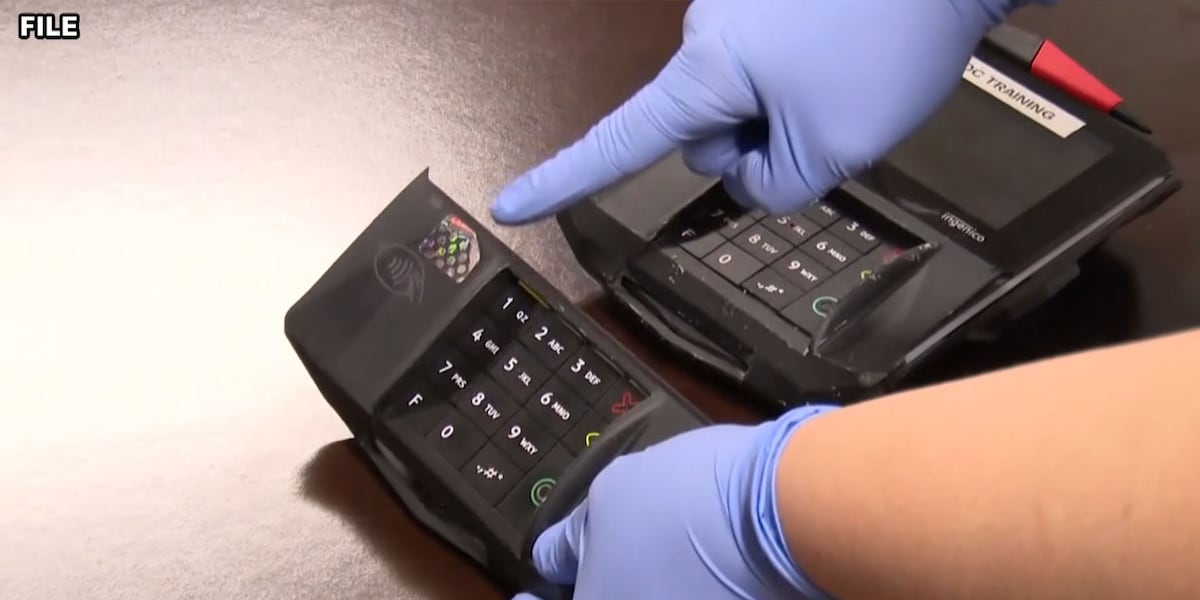
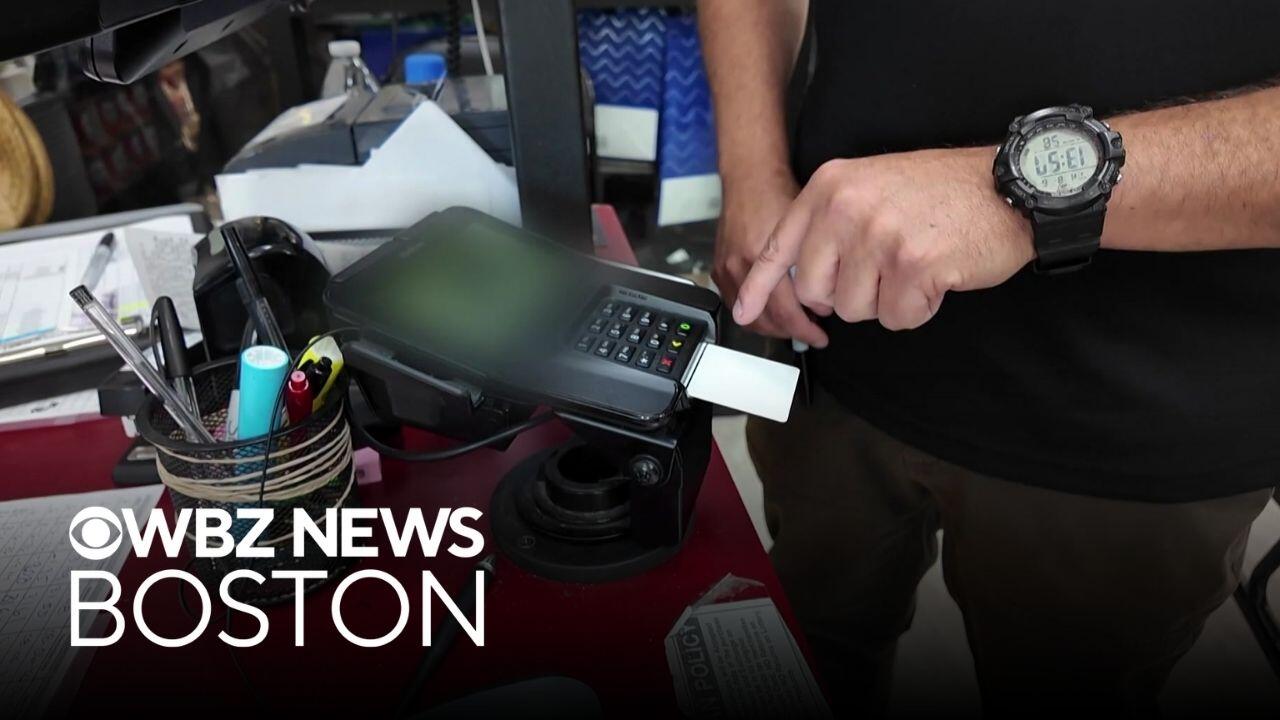
Card skimming fraud represents a critical financial and operational threat to cross-border e-commerce sellers, particularly those accepting payment cards and EBT transactions. The U.S. Secret Service's 2025 enforcement surge—removing 411 illegal skimming devices across 22 coordinated operations visiting 9,000+ businesses and inspecting 60,000 payment devices—reveals the scale of organized criminal activity targeting retail payment infrastructure. According to Secret Service analyst Vince Porter, a single skimmer can steal up to $1 million in fraudulent transactions, while the FBI estimates annual skimming losses exceed $1 billion across financial institutions and consumers.
For e-commerce sellers operating physical retail locations or accepting card payments, this enforcement activity signals immediate payment processing risks and compliance obligations. Retailers accepting EBT cards face particular vulnerability, as these government-benefit cards rely on outdated magnetic-stripe technology lacking chip or tap-and-pay security features. The Los Angeles operation exemplifies the threat: law enforcement examined 1,749 payment devices across 328 businesses, discovering 16 active skimmers and preventing $16.6 million in potential fraud losses. Organized criminal groups from Eastern Europe, Asia, and Central/South America are systematically targeting high-traffic retail locations, with devices installed in seconds while cashiers are distracted. This creates operational exposure for sellers: compromised customer payment data triggers chargeback liability, regulatory investigation costs, and severe reputational damage that directly impacts repeat purchase rates and customer lifetime value.
The financial implications extend beyond fraud losses to payment processing economics. Sellers experiencing skimming incidents face elevated chargeback rates (typically 1-3% of transaction volume), triggering processor fee increases of 0.5-2% and potential account suspension. Payment processors increasingly mandate EMV chip readers and contactless payment infrastructure as fraud mitigation requirements, representing capital expenditure of $500-2,000 per terminal for sellers with multi-location operations. The Secret Service's recommendation to prioritize tap-and-pay and chip-enabled transactions reflects industry-wide shift toward tokenized payment processing, which reduces skimming vulnerability but requires seller investment in POS system upgrades. For cross-border sellers with U.S. retail operations or accepting international card payments, this enforcement wave indicates tightening payment processor compliance standards and potential fee restructuring to offset fraud losses.
Questions 7
What are the working capital implications of payment processor fee increases due to skimming fraud?
Payment processor fee increases of 0.5-2% directly compress seller margins and reduce available working capital. For a seller processing $100,000 monthly in card transactions, a 1% fee increase represents $1,000 in monthly cost ($12,000 annually)—capital that could otherwise fund inventory purchases or marketing. The Secret Service's enforcement activity signals tightening processor compliance standards, meaning sellers without EMV/contactless infrastructure face imminent fee increases. Additionally, chargeback liability and account suspension risks force sellers to maintain higher cash reserves for fraud contingencies, further reducing working capital available for growth. Sellers should model fee impacts immediately and budget for terminal upgrades ($500-2,000 per location) to avoid compounding cost increases.
How does EBT card skimming specifically impact sellers accepting government-benefit payments?
EBT cards are high-value skimming targets because they rely on outdated magnetic-stripe technology lacking chip protection and can hold thousands of dollars monthly in government benefits. The FBI reports EBT data has been a significant skimming target since 2021, with criminals timing withdrawals around monthly benefit deposits. Retailers accepting EBT cards face elevated fraud exposure and compliance scrutiny from USDA/state agencies overseeing benefit programs. Upgrading to chip-based EBT processing eliminates this vulnerability and demonstrates compliance with emerging government security standards. For sellers in food/beverage, convenience retail, or other categories serving low-income consumers, this upgrade is critical to maintain EBT acceptance and avoid regulatory penalties. The operational benefit: chip-based EBT processing reduces fraud-related chargebacks by 95%+, directly improving cash flow and reducing processor fee penalties.