
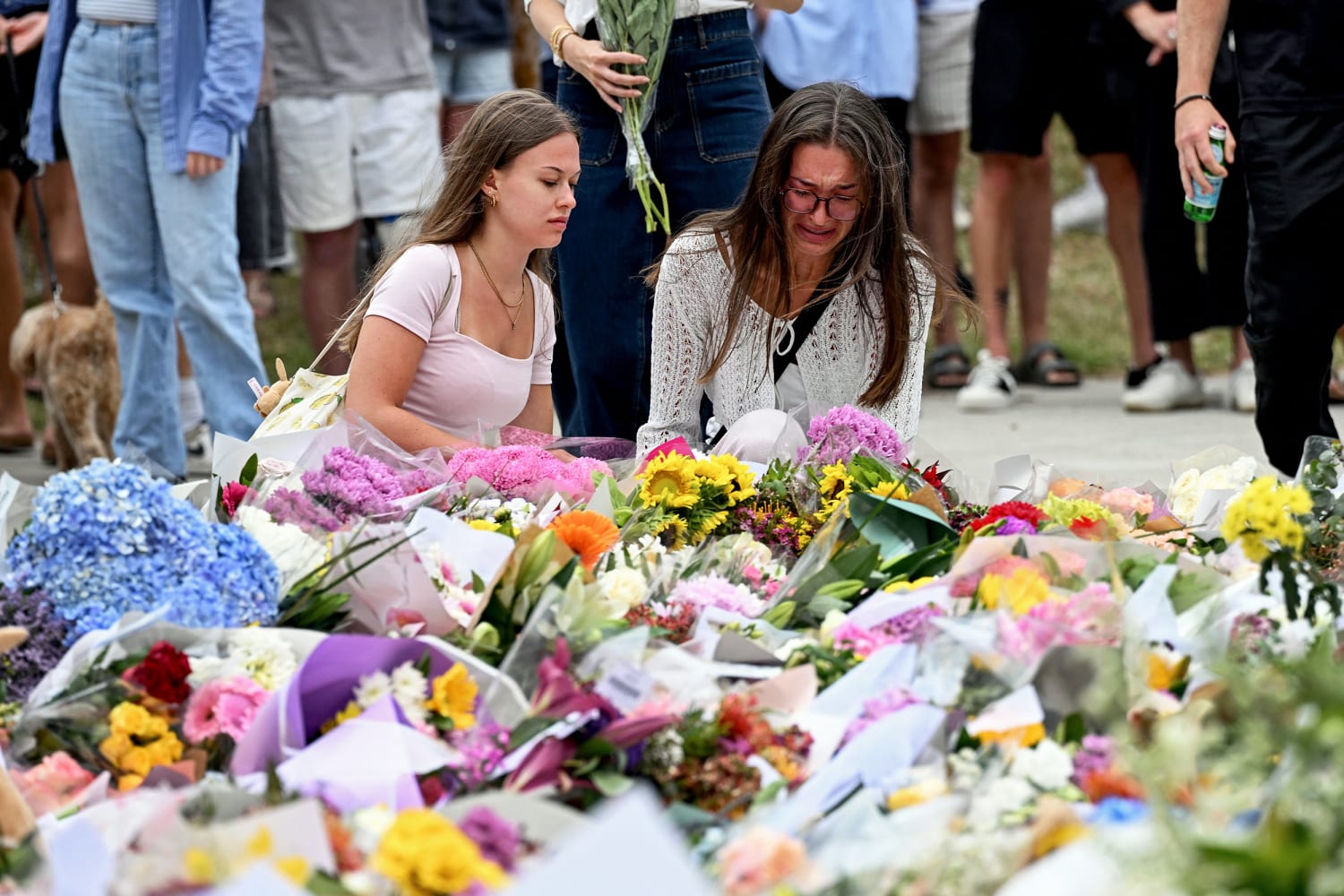



Terror at Bondi Beach Exposes Australia's Deepening Social Fractures
- A Critical Moment of National Reckoning with Terrorism and Multicultural Tensions


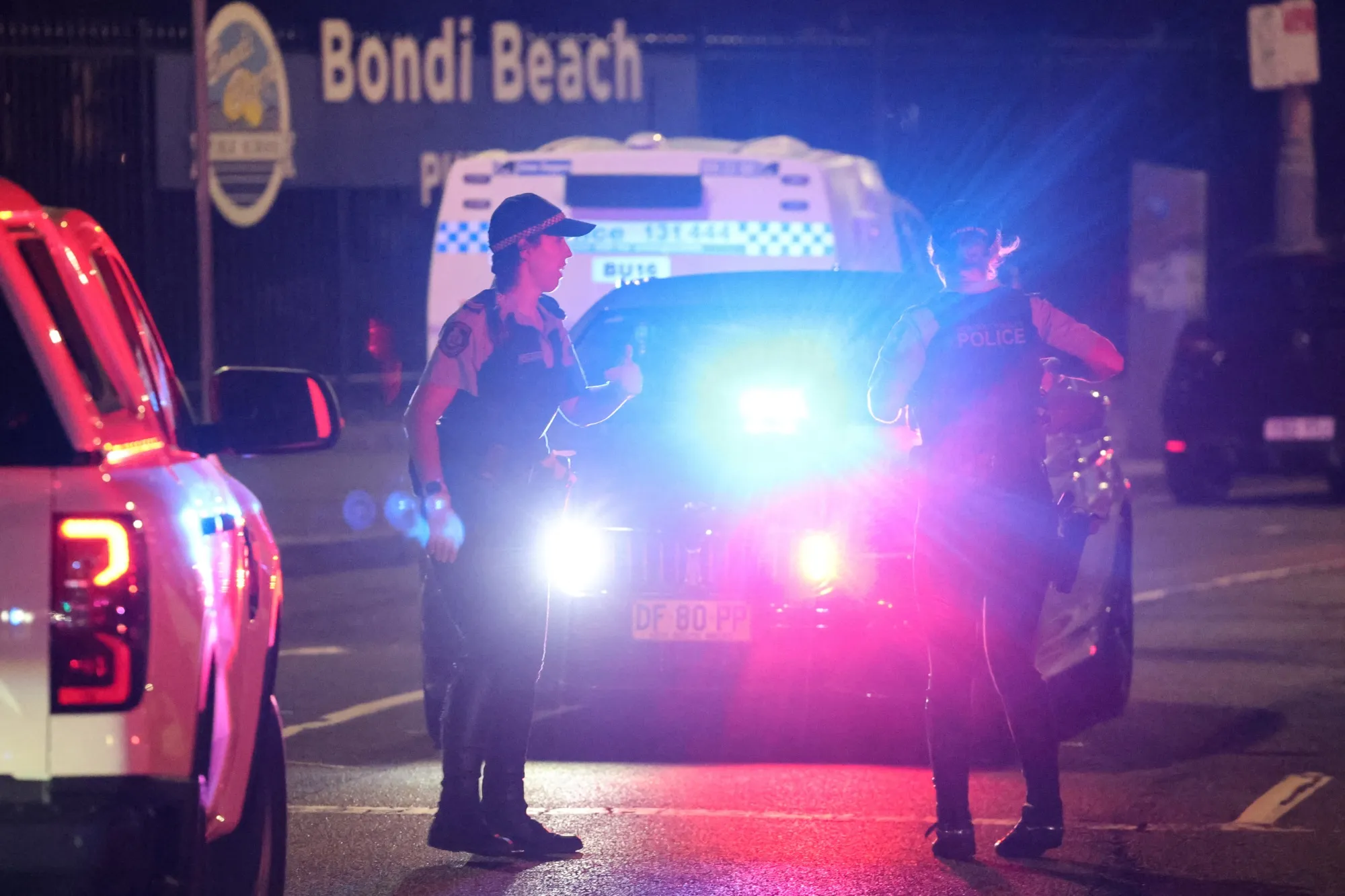
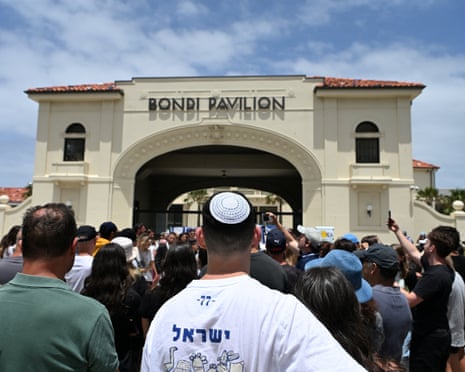








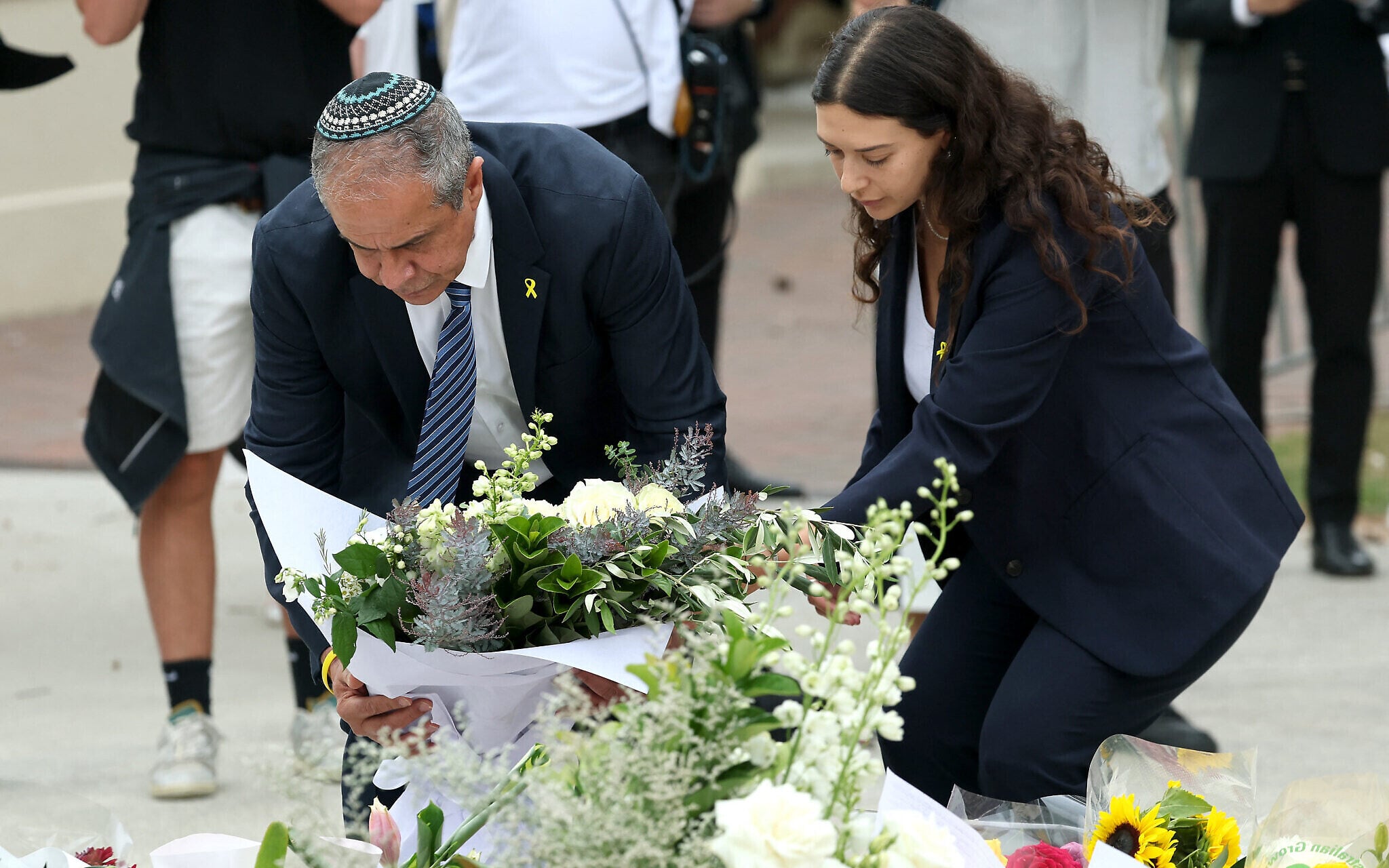

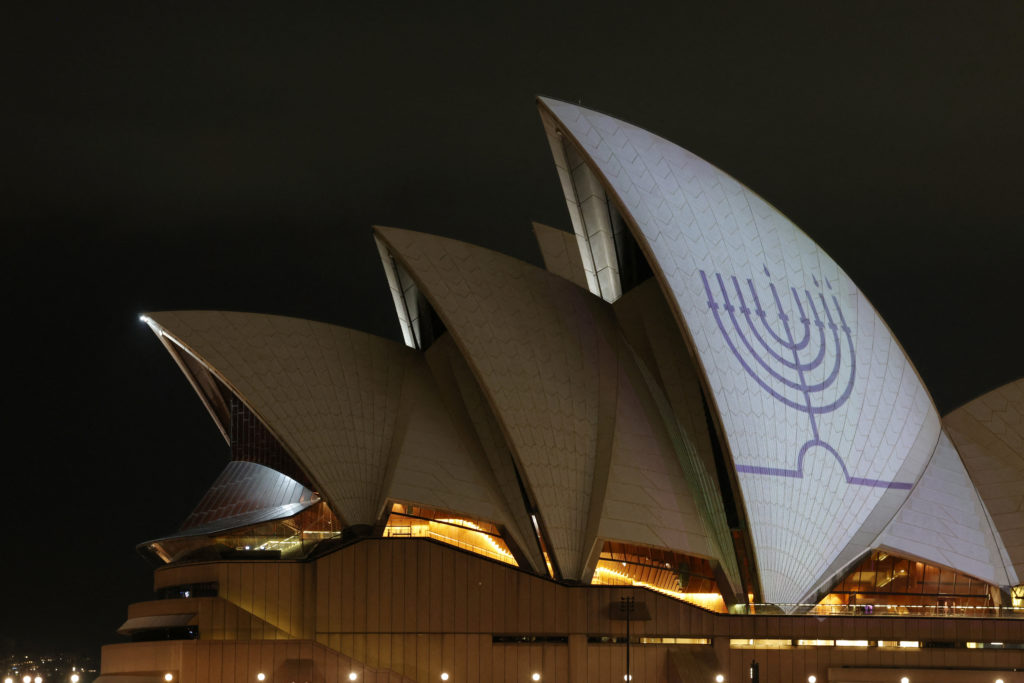



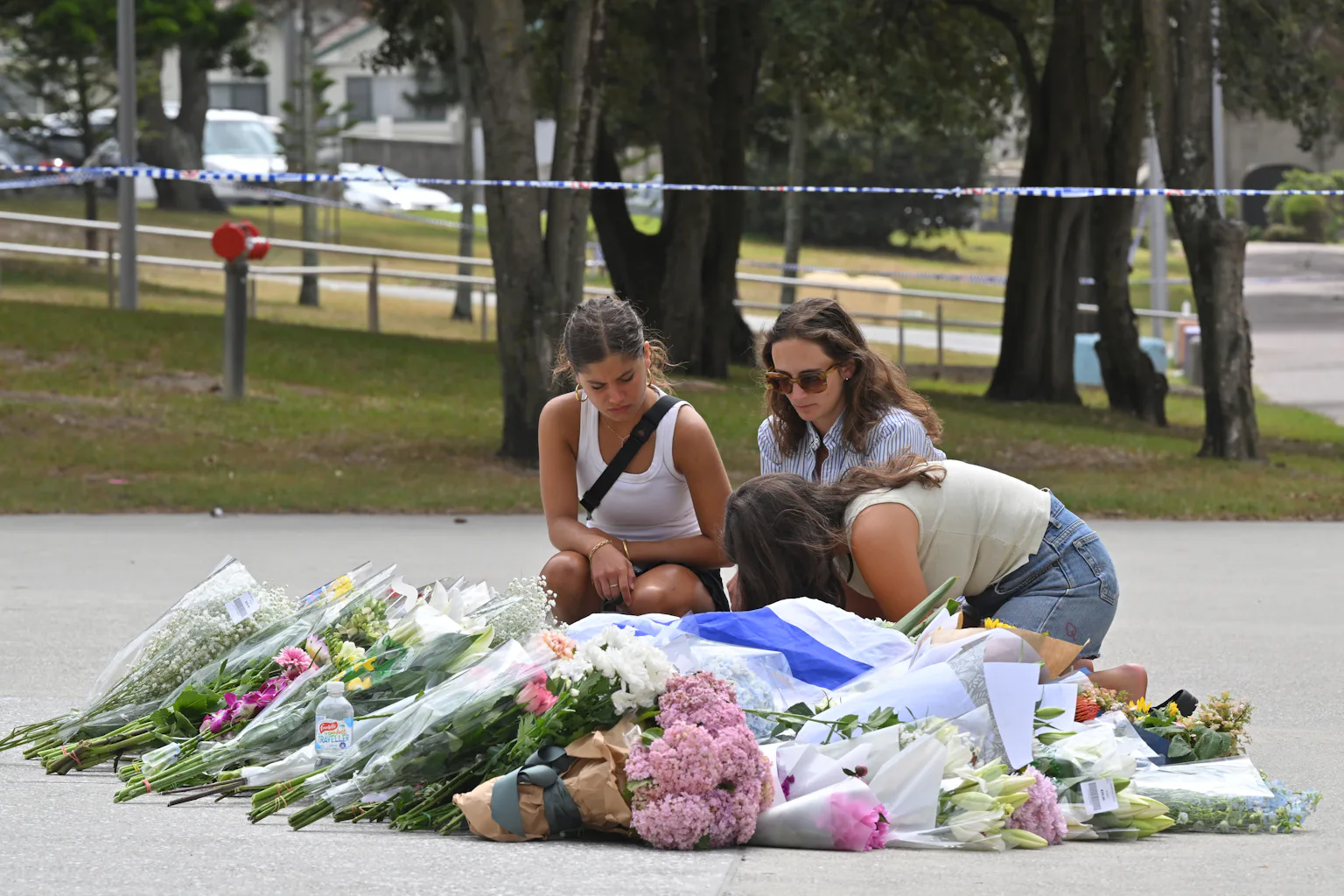


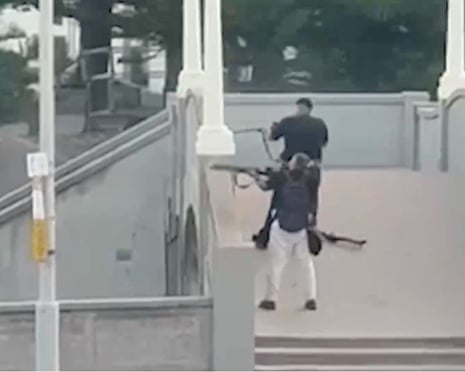



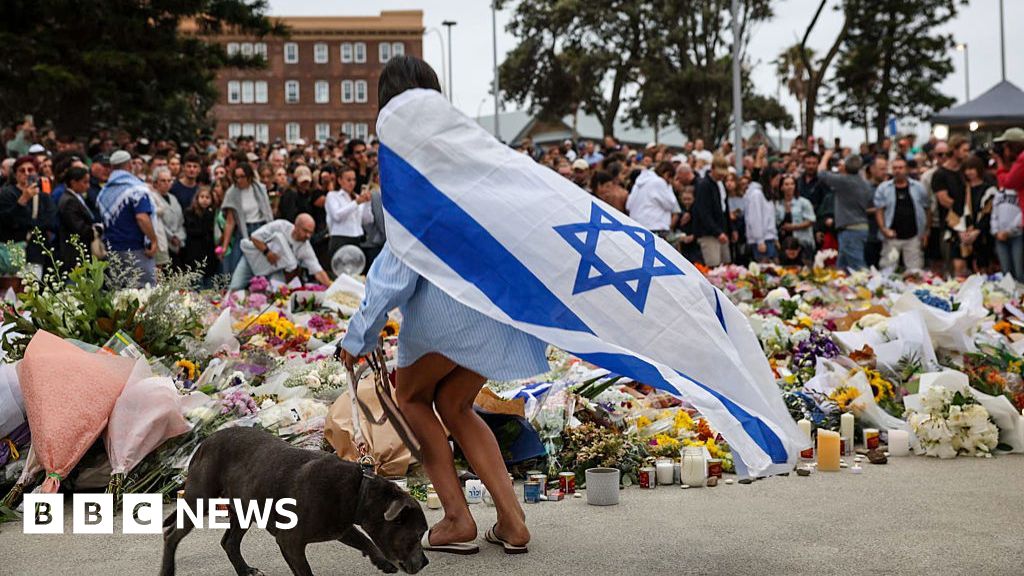

Overview
Terrorism and antisemitism have converged in a shocking incident that has fundamentally challenged Australia's self-perception as a harmonious, multicultural society. The Bondi Beach terrorist attack represents more than a single violent event—it is a pivotal moment revealing deep-seated societal vulnerabilities and systemic challenges in managing community safety and social cohesion.
The attack, targeting Jewish Australians during a festival, marks an unprecedented escalation of antisemitic violence. With 16 people killed and 25 injured, the incident goes beyond a typical terrorist act, symbolizing a broader pattern of increasing community fragmentation. The alleged perpetrators—a father-son duo with potential ISIS connections—highlight the complex landscape of radicalization and domestic terrorism.
Australia's immediate response demonstrates both resilience and strategic adaptability. Prime Minister Anthony Albanese's swift announcement of comprehensive gun control measures signals a proactive approach to preventing future incidents. The proposed regulations, building on the successful 1996 National Firearms Agreement, aim to restrict gun ownership, enhance licensing intelligence, and limit potential pathways for potential terrorists to access weapons.
The psychological impact cannot be understated. The Jewish community now faces an existential question about its future in Australia, with some members contemplating leaving due to escalating antisemitic incidents. This attack represents the most severe antisemitic event in Australian history, occurring against a backdrop of increasing global tensions and community divisions.
Critically, the incident exposes the limitations of current counter-terrorism surveillance. Despite Naveed Akram being under Australian Security Intelligence Organisation (ASIO) surveillance since 2019, the attack still occurred—raising serious questions about the effectiveness of existing monitoring mechanisms and the challenges of detecting and preventing radicalization.
The broader implications extend far beyond this single event. Australia is confronting a critical moment of national introspection, forced to reconcile its multicultural ideals with the harsh realities of emerging social tensions, potential terrorist threats, and the complex challenge of maintaining community safety in an increasingly polarized world.
Questions 4
How might Australia's new gun control measures prevent future terrorist attacks?
The proposed regulations aim to create multiple barriers for potential terrorists, including stricter licensing, enhanced criminal intelligence checks, limits on gun ownership, and restrictions on weapon modifications. By making it harder to acquire and modify firearms, these measures seek to disrupt potential terrorist planning and access to weapons.
What makes the Bondi Beach attack different from previous terrorist incidents in Australia?
This attack is unprecedented in its targeted antisemitism, scale of violence, and direct assault on a Jewish community event. Unlike previous incidents, it represents a deliberate targeting of a specific ethnic and religious group, causing significant psychological trauma and raising serious questions about community safety.