



Hormuz Oil Crisis Drives Shipping Costs Up 22% | Cross-Border Sellers Face Margin Compression
- Brent crude surges to $90/barrel (+28% from $70), fuel surcharges spike 15-22% on ocean freight, affecting all cross-border sellers shipping via Asia-US/EU corridors through Q4 2024






Overview
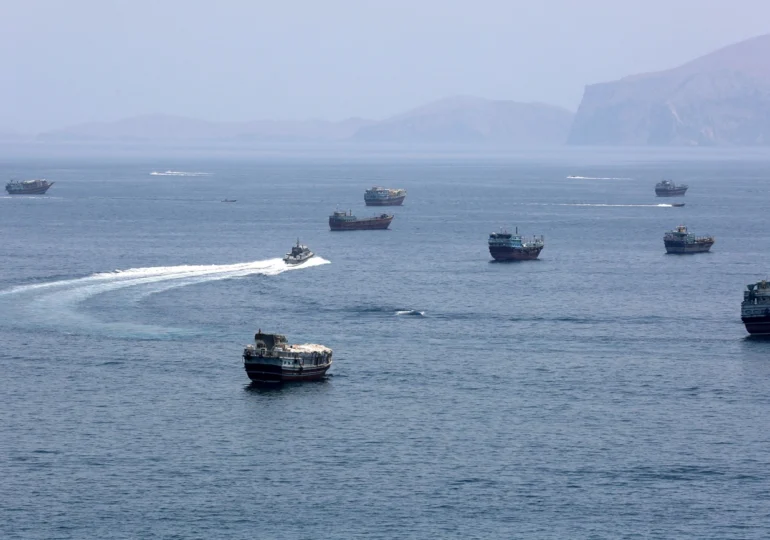
The Strait of Hormuz oil supply crisis is creating immediate cost pressures across cross-border e-commerce logistics networks. Brent crude prices have surged to nearly $90 per barrel—up from approximately $70 before the conflict—while refined product costs reveal the war's true impact through historic "crack spread" highs (the price difference between crude and refined products). Consumer gas prices have climbed to $3.54 per gallon from $2.90, directly signaling elevated fuel surcharges on ocean freight. Independent market analysts contradict official government claims about supply restoration: Commodity Context tracked only 7 million barrels per day by sea (vs. claimed 9 million), while Kpler estimated just 5 million barrels daily. This supply uncertainty means fuel surcharges on container shipping—typically 15-22% of base freight costs—will remain elevated through Q4 2024.
For cross-border sellers, this translates to immediate margin compression across all categories. Sellers shipping 500+ containers monthly from China/Vietnam to US/EU ports face $800-1,200 additional cost per 40-foot container due to fuel surcharges alone. Electronics, apparel, and home goods categories—which rely on 60-70% ocean freight for landed costs—see 3-5% margin erosion on products with <20% gross margins. Small sellers (shipping <100 containers/month) absorb costs directly; mid-market sellers (100-500 containers) can partially pass through 40-60% of increases via price adjustments; large sellers (500+ containers) negotiate fuel-indexed contracts but face 6-12 month lag in renegotiation windows.
The supply depletion dynamic creates strategic sourcing opportunities. The news reports "more vessels are leaving the Strait than are going back in," indicating unsustainable depletion rather than genuine restoration. This signals prolonged elevated shipping costs through at least Q1 2025. Sellers should immediately evaluate nearshoring strategies: Mexico/Central America sourcing for US-bound goods, Eastern Europe/Turkey for EU markets, and India/Vietnam for categories where tariff advantages offset slightly higher unit costs. Artificial suppression of oil futures prices due to political announcements complicates forward planning—sellers cannot rely on near-term price relief and should lock in freight contracts with 6-month fuel-indexed caps rather than spot pricing.
Questions 8
Are there tariff advantages to sourcing from alternative countries?
Yes, depending on destination market and product category. Vietnam benefits from CPTPP tariff advantages for apparel and electronics in US/EU markets; India has preferential rates for textiles and certain chemicals; Mexico qualifies for USMCA benefits for US-bound goods. However, these advantages must offset higher unit costs and slightly longer lead times. The news indicates fuel surcharges will remain elevated through Q1 2025, making nearshoring cost-competitive even with 5-10% higher unit costs. Conduct tariff code analysis for your top 20 SKUs: compare China sourcing (tariff + elevated freight) vs. alternative countries (lower tariff + moderate freight). For example, apparel from Vietnam may have 12% tariff vs. 16% from China, saving $0.48-0.80 per unit on a $30 wholesale cost—potentially offsetting higher freight costs. Consult with customs brokers to model scenarios before committing to sourcing changes.
What should I do immediately to protect my business from shipping cost volatility?
Take these actions within 30 days: (1) Audit current freight contracts—identify which are spot-priced vs. fuel-indexed and renegotiate spot contracts to include 6-month fuel caps; (2) Calculate per-unit freight costs for top 50 SKUs and identify products with <15% gross margins that require price increases; (3) Request quotes from nearshoring suppliers (Mexico, Vietnam, India) for top 10 categories to evaluate landed cost comparisons; (4) Increase safety stock for high-margin items and reduce inventory of low-margin SKUs to minimize exposure to further rate increases; (5) Monitor Freightos FCL Index and Brent crude prices weekly—set alerts if crude exceeds $95/barrel or freight rates increase >5% month-over-month. For Amazon FBA sellers, update product pricing in Seller Central to reflect new landed costs and monitor Buy Box competitiveness. The news indicates supply disruption will persist through Q1 2025, so these actions are urgent.