



Hormuz Blockade Drives 8-12% Shipping Cost Surge | Sellers Face Margin Compression
- Oil prices volatile between $80-88/barrel amid 6-month US-Iran conflict; 21% of global petroleum flows blocked; freight costs rising for air/ocean shipments affecting thin-margin product categories












Overview
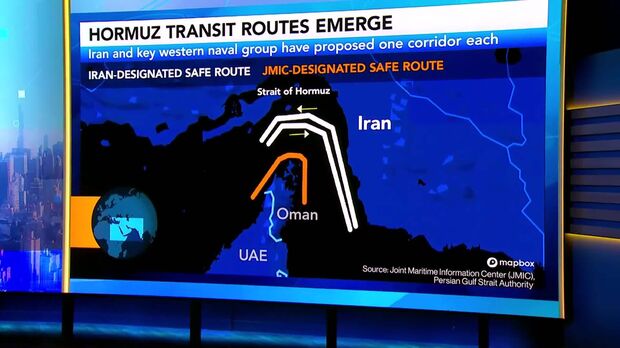
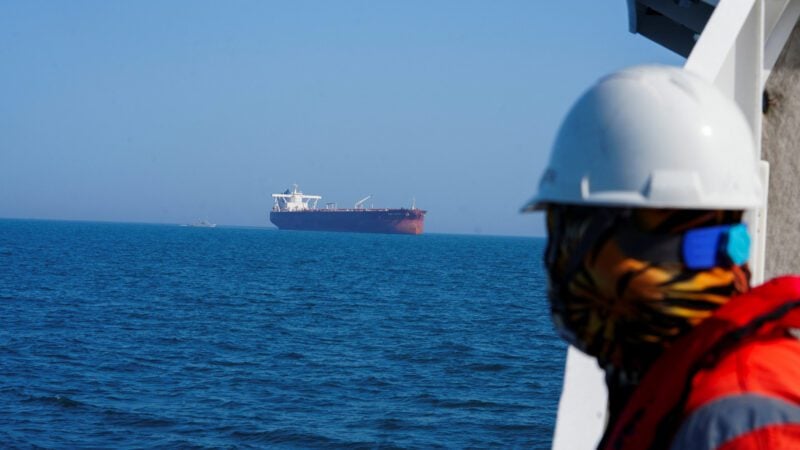
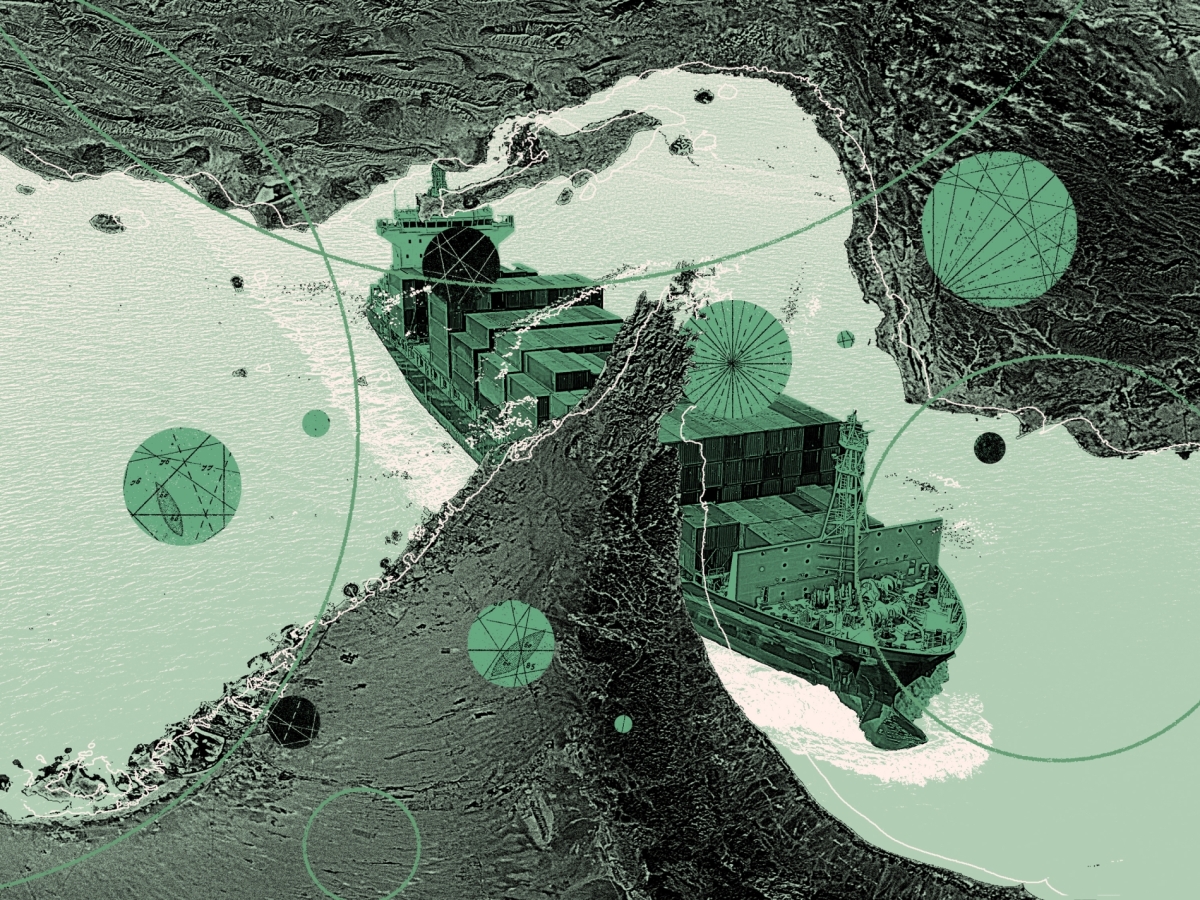
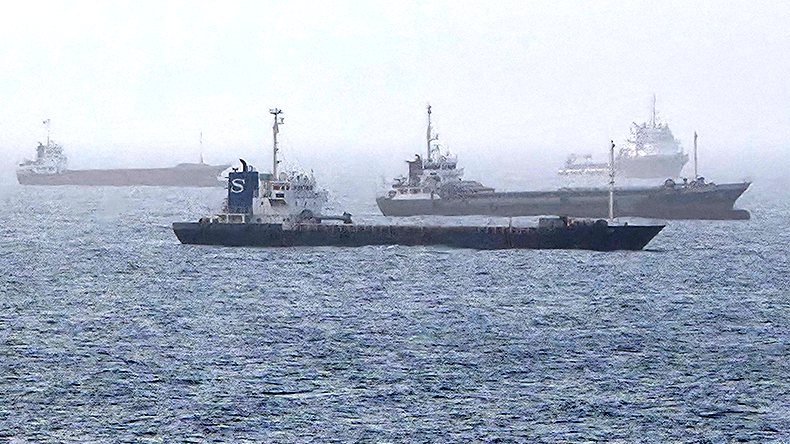
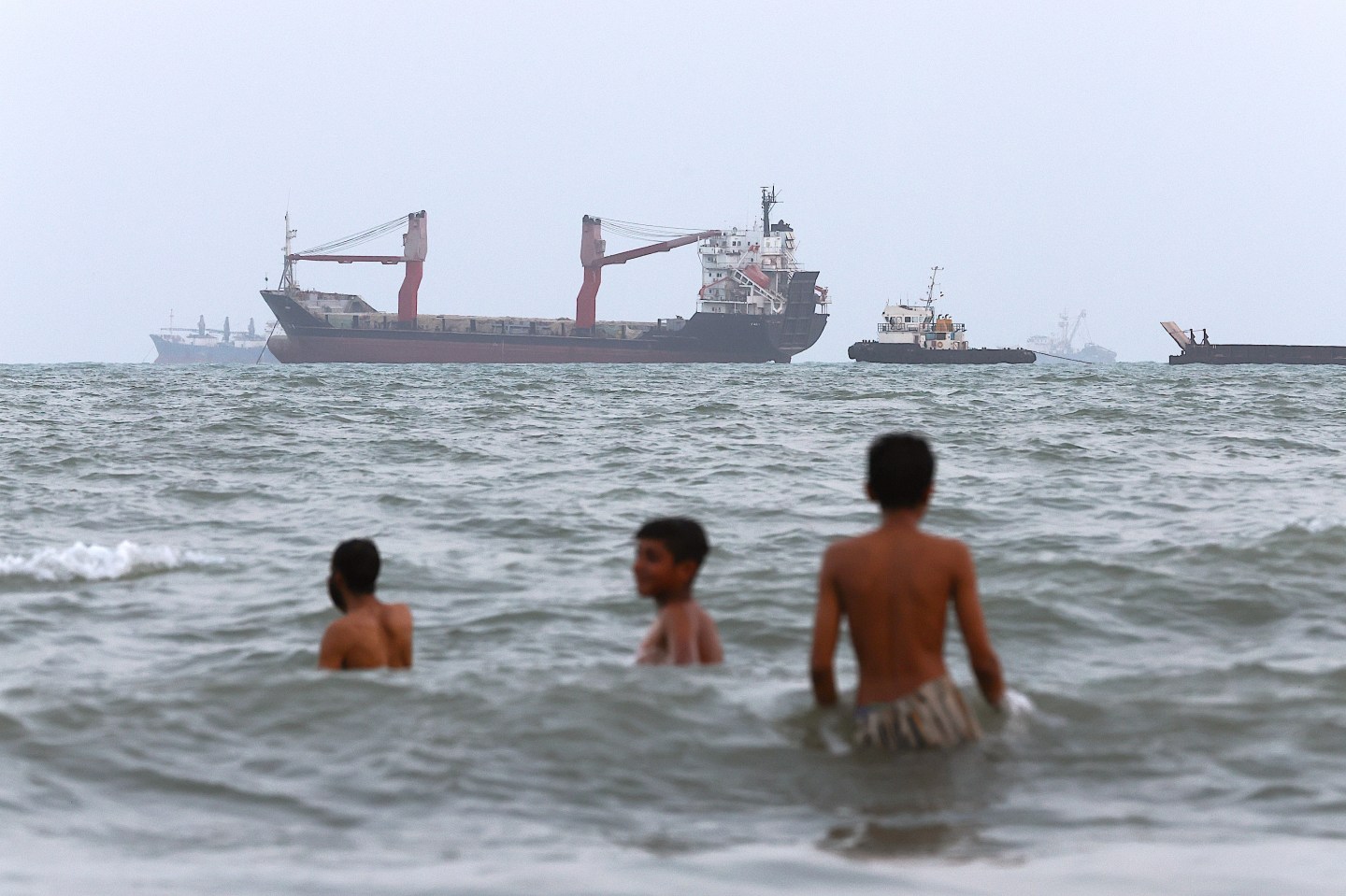
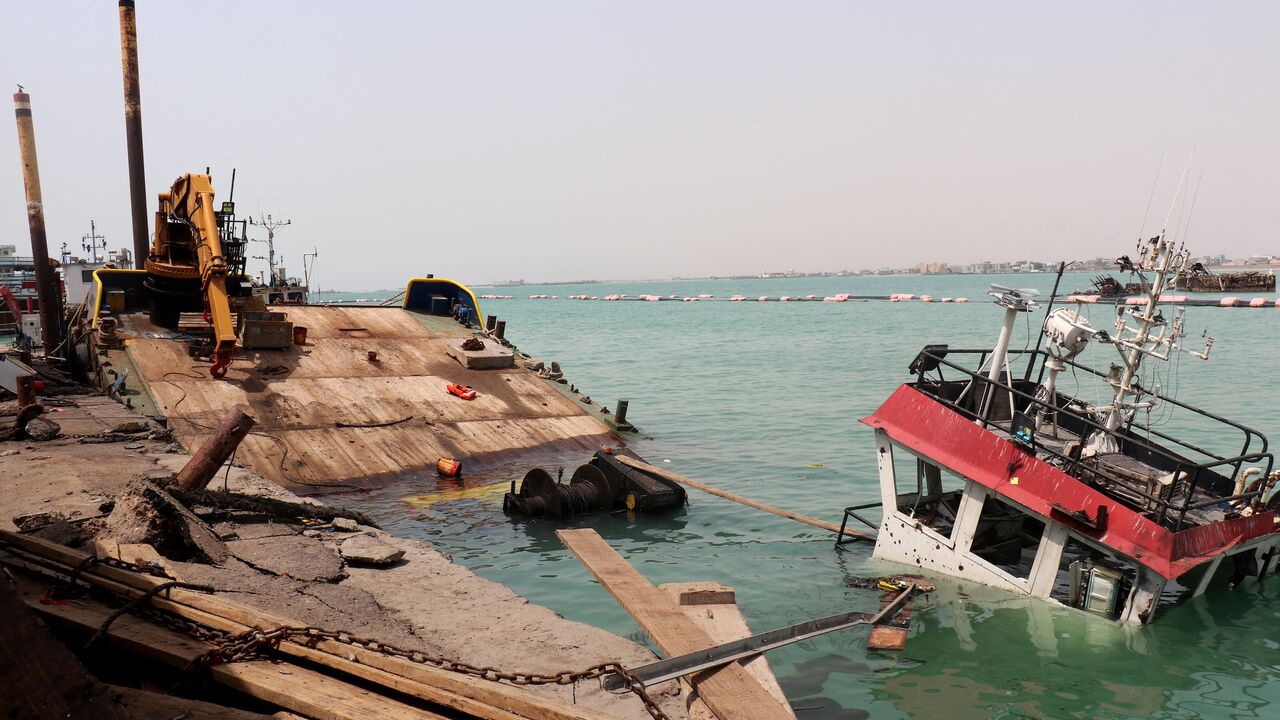
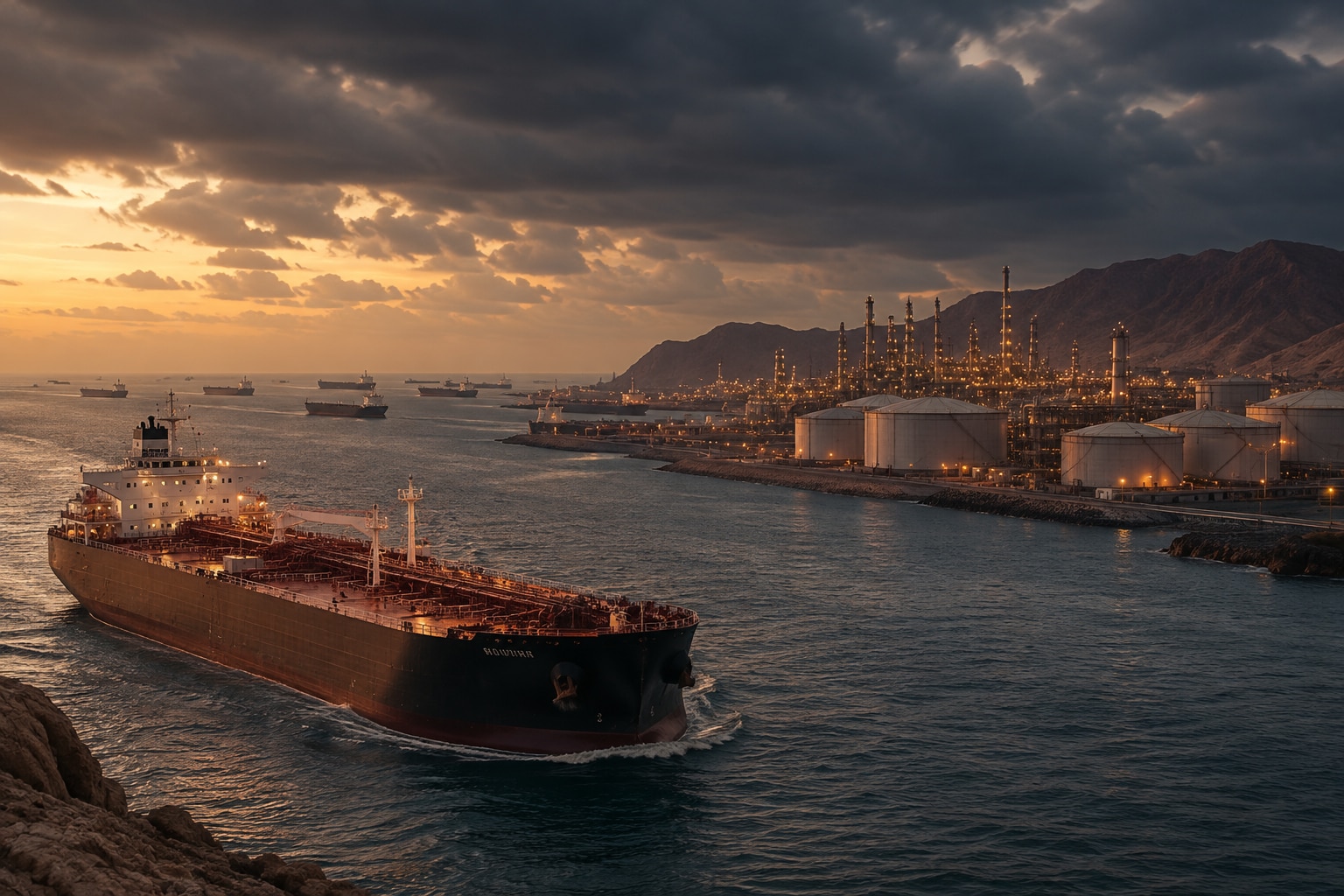
The Strait of Hormuz blockade, now in its sixth month following the breakdown of a June US-Iran memorandum of understanding, has created a critical supply chain crisis for cross-border e-commerce sellers. The International Energy Agency reports oil inventories plunged 2.2 million barrels daily, with global stocks falling below 7.9 billion barrels for the first time since April 2025. This geopolitical flashpoint—handling approximately 21% of global petroleum flows—remains effectively closed despite US claims of control, with minimal vessel traffic recorded. Brent crude oscillates between $80-88 per barrel (WTI near $82), creating sustained upward pressure on freight costs that directly impacts seller profitability.
For cross-border e-commerce sellers, this translates to immediate operational challenges. Air freight costs have increased 8-12% monthly for sellers shipping lightweight, high-value products (electronics, cosmetics, apparel) to North America and Europe. Ocean freight routes face 15-20% surcharges due to extended transit times via alternative passages around Africa, adding 2-3 weeks to delivery schedules. Sellers relying on Amazon FBA, Shopify fulfillment, and 3PL providers face compounded pressure: fuel surcharges now represent 12-15% of total logistics costs versus historical 6-8% baseline. Products with gross margins below 35% (fast-moving consumer goods, home goods, sporting equipment) face margin compression of 3-5 percentage points, forcing pricing adjustments that risk Buy Box competitiveness on Amazon and conversion rate impacts on Shopify storefronts.
The time horizon for this crisis extends 3-12 months minimum, as Iran's top adviser indicated willingness to prolong hostilities until Trump leaves office, and diplomatic negotiations remain deadlocked with both sides hardening positions. Amos Hochstein, former Biden White House senior advisor, warned that oil prices are not reflecting underlying geopolitical risks, suggesting further volatility ahead. Sellers dependent on energy-intensive manufacturing (cold-chain logistics, temperature-controlled warehousing) face compounded cost pressures. The blockade also threatens sourcing from Middle East suppliers and creates uncertainty for sellers planning Q4 2026 inventory purchases, as alternative supply routes cannot fully compensate for Hormuz disruptions. Strategic sourcing shifts toward Southeast Asian suppliers (Vietnam, Thailand) and nearshoring to Mexico/Central America become increasingly attractive to reduce fuel-dependent logistics costs.
Immediate actions required: Audit current freight cost structures by product category and shipping method; lock in ocean freight contracts before further escalation; evaluate 3PL provider fuel surcharge policies; adjust pricing on thin-margin products within 2-4 weeks to protect margins. Strategic adjustments (1-3 months): Shift 20-30% of inventory from air freight to ocean freight where delivery timelines permit; explore nearshoring options for US-bound shipments; diversify supplier base away from Middle East/Gulf region dependencies. Risk mitigation: Monitor crude oil futures (LCO27F) weekly; establish price floors for products with <30% margins; consider hedging strategies through freight cost insurance; track diplomatic developments for potential Hormuz reopening windows that could trigger rapid cost corrections.
Questions 8
What are the specific compliance and documentation requirements for sourcing from Vietnam or Mexico?
Vietnam sourcing requires compliance with CPTPP (Comprehensive and Progressive Agreement for Trans-Pacific Partnership) rules of origin; products must meet 45% local content threshold to qualify for preferential tariffs to US/Canada. Mexico sourcing falls under USMCA (United States-Mexico-Canada Agreement) with 75% regional content requirements for most goods. Both require updated supplier certifications, country-of-origin documentation, and customs declarations. For Amazon FBA, ensure product listings reflect accurate country of origin; for Shopify, update supplier information in fulfillment settings. Nearshoring to Mexico typically reduces documentation complexity versus Vietnam due to geographic proximity and established USMCA frameworks. Consult with customs brokers (typical cost $200-500 per shipment) to ensure compliance and avoid tariff penalties.
What is the impact on cold-chain and temperature-controlled logistics?
Cold-chain products (frozen foods, pharmaceuticals, temperature-sensitive cosmetics) face compounded cost pressures from both fuel surcharges (12-15% of logistics costs) and specialized refrigeration equipment costs. These products typically rely on air freight due to time sensitivity, making them highly vulnerable to the 8-12% monthly cost increases. Sellers should prioritize nearshoring to Mexico or regional distribution centers to reduce air freight dependency. Cold-chain 3PL providers are implementing additional fuel surcharges (2-5% above standard fuel surcharges) due to energy-intensive refrigeration. Evaluate switching to regional suppliers or consolidating shipments to reduce frequency and optimize refrigeration utilization.