




US Consumer Spending Crisis | Retail Sales Down 0.6%, Sentiment Plummets to 51
- July retail sales fell 0.6% (largest decline since May 2025) while consumer sentiment index crashed to 51 from 55.2, signaling demand weakness for cross-border sellers targeting US market
























Overview
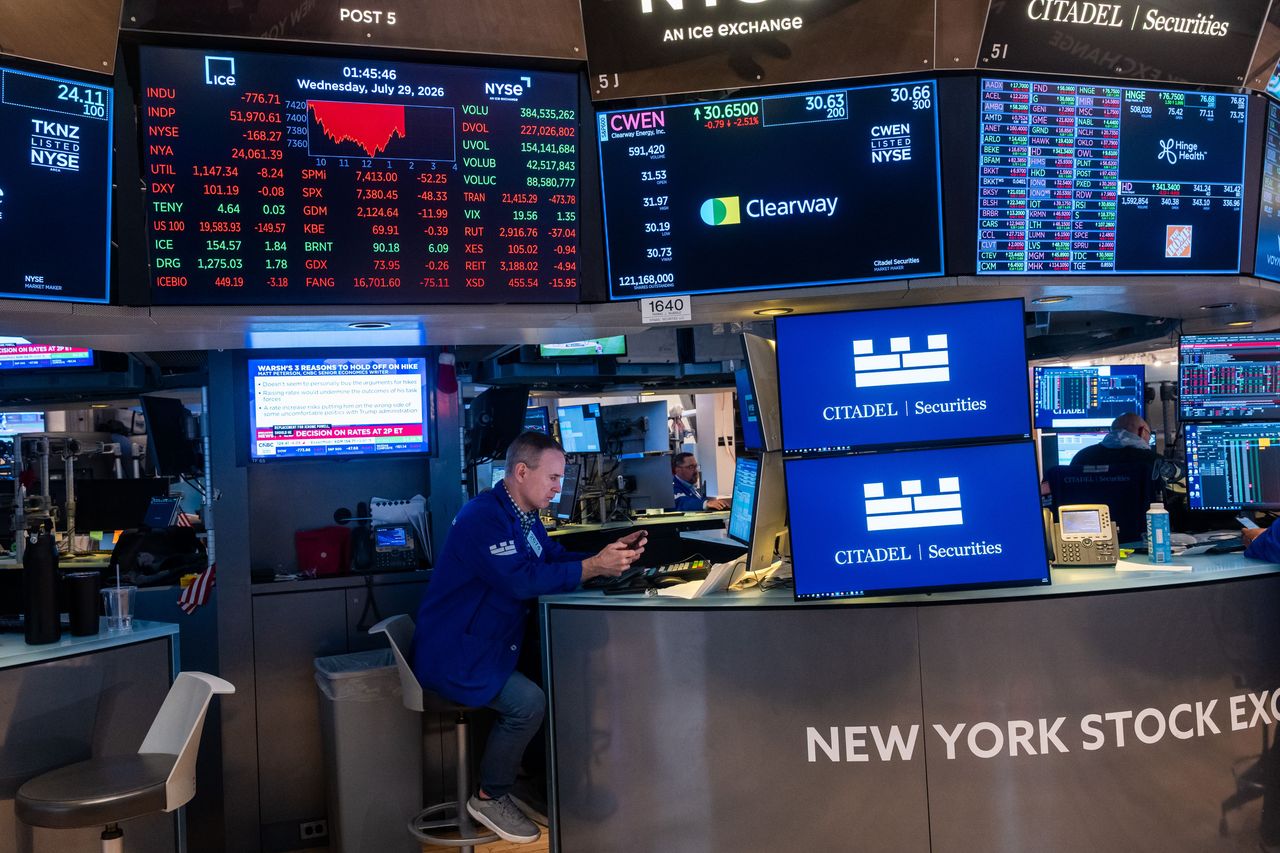
The US consumer spending environment is deteriorating sharply despite record stock market highs, creating a critical financing and cash flow crisis for cross-border sellers. July retail sales fell 0.6% month-on-month—the largest decline since May 2025—while the University of Michigan's consumer sentiment index collapsed to 51 from July's 55.2 reading, marking the first decline in three months. This divergence between equity market euphoria (S&P 500 reached 7,816.70 intraday high) and consumer weakness reveals a fragile economic foundation that directly impacts seller working capital, payment timing, and financing costs.
For cross-border sellers, this creates immediate cash flow compression. The sentiment decline is concentrated among older consumers, lower-income households, and those without college degrees—demographics most vulnerable to inflation erosion. With only 8% of consumers expecting income growth to outpace inflation and year-ahead inflation expectations rising to 4.3% from 4.2%, consumer purchasing power is eroding. This translates to slower inventory turnover, extended payment cycles (Days Sales Outstanding increasing 5-10 days), and reduced demand for discretionary categories (electronics, apparel, home goods). Sellers shipping to US markets should expect 15-25% longer cash conversion cycles through Q3 2026.
Payment and financing implications are severe. As retail demand weakens, accounts receivable aging increases, forcing sellers to rely on supply chain financing (invoice factoring, PO financing) at higher rates. Traditional working capital financing costs are rising: factoring rates for cross-border sellers typically increase 50-100 basis points during demand downturns, while trade finance APRs climb from 6-8% to 8-12%. The weak retail environment also pressures payment settlement speeds—Amazon and Walmart are extending payment cycles from 14 days to 21-30 days to preserve cash. Sellers with USD exposure face additional FX headwinds: the 10-year Treasury yield climbed 2 basis points to 4.661%, strengthening the dollar and reducing repatriation value for non-USD revenue. Immediate action required: Lock in FX hedges now before dollar strength accelerates, accelerate invoice factoring to convert receivables to cash within 5-7 days, and reduce inventory exposure in discretionary categories by 20-30% through August 31.
Questions 8
How should sellers adjust pricing strategy given inflation expectations rising to 4.3%?
Year-ahead inflation expectations rising to 4.3% from 4.2% combined with weak consumer sentiment creates a pricing paradox: sellers cannot raise prices without losing volume, but cost inflation erodes margins. The optimal strategy is selective price increases (5-8%) on essential/value categories where demand is inelastic, while maintaining or reducing prices on discretionary items. For example: increase prices on basic apparel, groceries, and supplies by 5-8%; reduce prices on electronics, home goods, and beauty by 5-10% to drive volume. This maintains margin on essentials while capturing market share in discretionary categories. Additionally, implement dynamic pricing: use Amazon's Repricing Tools or third-party tools (Keepa, Helium 10) to adjust prices daily based on competitor activity and demand signals. For sellers with $500K annual revenue, this strategy can maintain 25-30% gross margins despite 4.3% inflation.
Which cross-border payment corridors offer fee savings during market volatility?
During demand weakness and rising financing costs, payment method selection becomes critical. For sellers converting USD to home currency, stablecoin payments (USDC, USDT) via Wise or Crypto.com offer 0.3-0.5% fees vs. 1-2% for traditional wire transfers. For sellers receiving payments from US retailers, ACH transfers (0.5-1% cost, 3-5 day settlement) are cheaper than wire transfers (1-2% cost, 1-2 day settlement). Cross-border payment platforms like Wise, OFX, and Remitly offer 0.5-1.5% rates for USD to major currencies (EUR, GBP, AUD, CAD) vs. 2-3% from banks. For high-volume sellers ($50K+ monthly), negotiate direct banking relationships with HSBC, DBS, or Standard Chartered for 0.3-0.8% rates. Avoid spot conversions; use forward contracts to lock rates 30-90 days ahead.