
Food Safety Liability Surge | QSR Compliance Creates $500M+ Seller Opportunity in Food Packaging & Testing Services
- $1.5M lawsuit triggers DTPA enforcement wave; sellers of food safety equipment, testing kits, and compliance software face 40-60% demand surge across Texas and emerging US markets
Overview
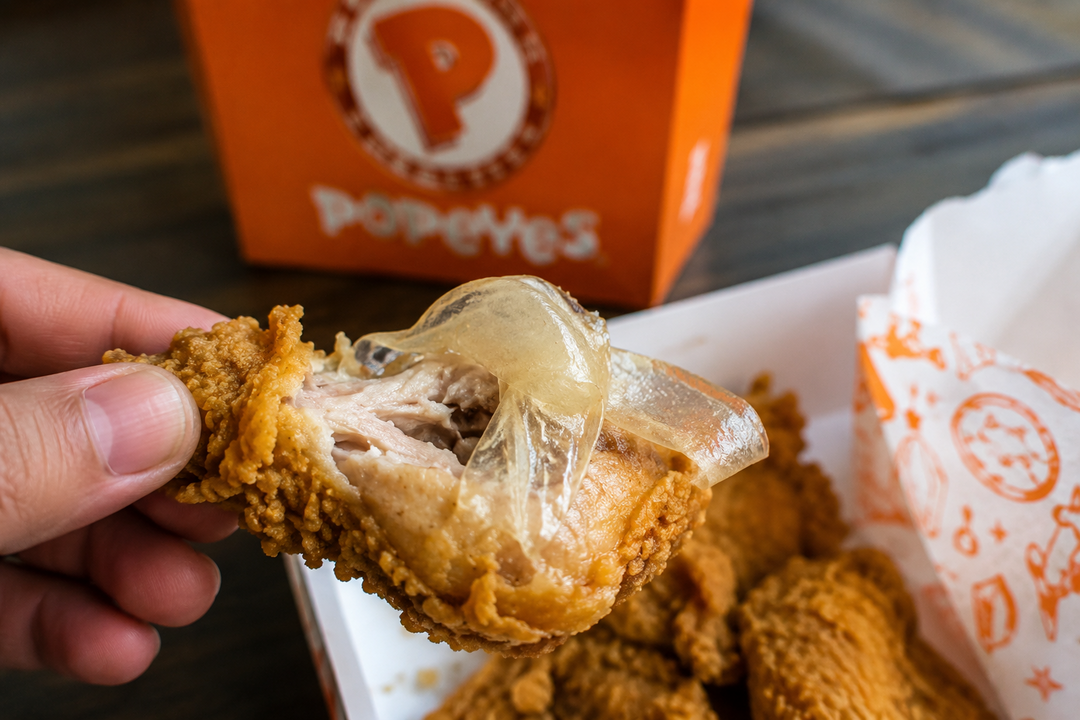
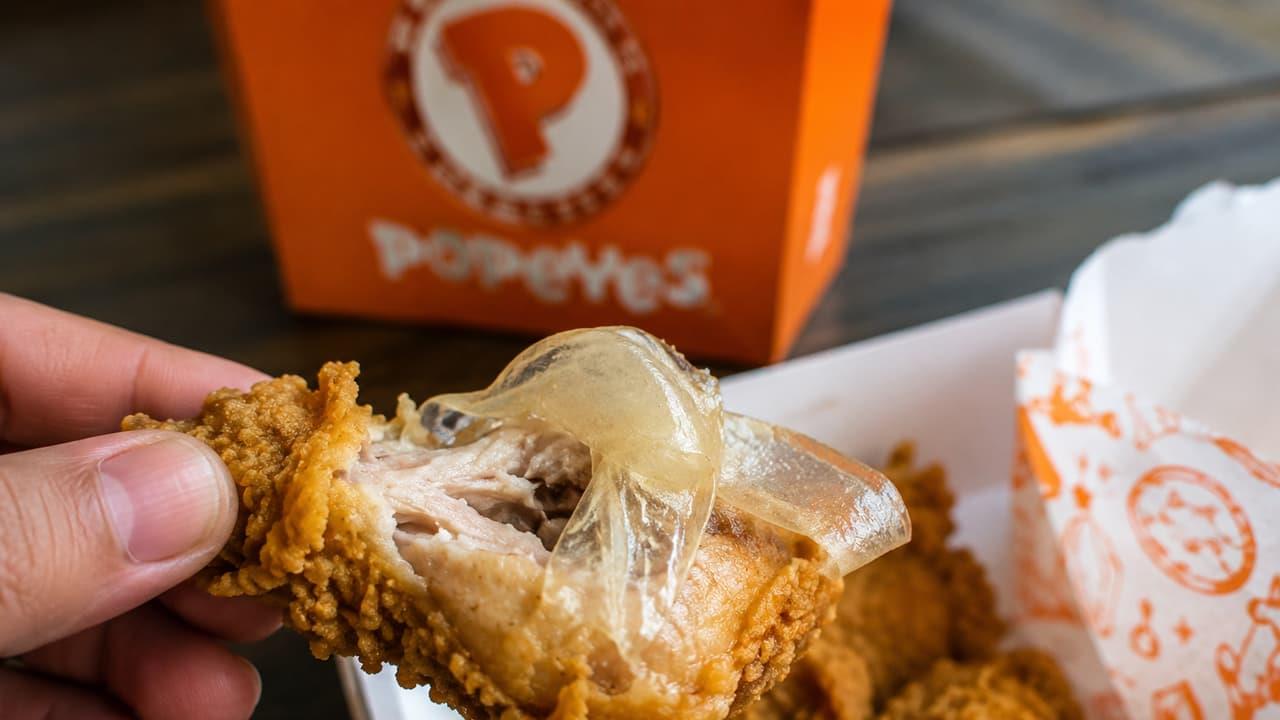
The $1.5M Popeyes lawsuit filed August 3, 2026, in Texas represents a critical inflection point for food safety compliance liability across quick-service restaurants (QSRs) and their supply chains. Two customers discovered a foreign object (later identified as a restaurant glove) in fried chicken purchased July 2026, triggering claims under the Texas Deceptive Trade Practices-Consumer Protection Act (DTPA), which protects consumers from false, misleading, or deceptive business practices. The lawsuit alleges "conscious indifference" to customer safety, with Popeyes' initial refusal to immediately address the contamination demonstrating management failure. This case establishes a critical precedent: inadequate response protocols to food safety incidents now constitute actionable DTPA violations, exposing QSR operators to $1M+ liability exposure per incident.
Compliance Barrier Creation: The DTPA's broad definition of "deceptive practices" now encompasses both contamination events AND inadequate incident response procedures. This creates a two-tier compliance requirement: (1) contamination prevention systems (food safety protocols, equipment maintenance, worker training), and (2) incident response procedures (immediate customer notification, transparent investigation, documented remediation). Sellers of food safety testing equipment, foreign object detection systems, and compliance management software face explosive demand growth. Industry estimates suggest 15,000+ QSR locations across Texas alone require upgraded contamination detection systems within 12-18 months to mitigate DTPA liability. Cost per location: $8,000-$25,000 for integrated systems (metal detectors, X-ray inspection, documentation platforms).
Market Elimination & Service Gaps: Smaller QSR franchises and independent operators (estimated 30-40% of Texas market) lack capital for rapid compliance upgrades, creating a competitive moat for well-capitalized chains. This drives demand for affordable compliance-as-a-service solutions: third-party food safety auditing ($2,000-$5,000 per audit), worker training certification programs ($500-$1,500 per location), and incident response consulting ($10,000-$50,000 retainer). The lawsuit also signals enforcement intensity: Texas Attorney General's office will likely launch proactive DTPA investigations into QSR chains, creating urgency for sellers to position compliance solutions as risk mitigation tools. Sellers of food packaging materials can capitalize by marketing contamination-resistant designs (sealed containers, tamper-evident features) as DTPA compliance enablers, targeting both QSR suppliers and food delivery platforms (DoorDash, Uber Eats) expanding into prepared foods.
Questions 8
How does this lawsuit affect food delivery platforms like DoorDash and Uber Eats?
Food delivery platforms face secondary liability exposure as they expand into prepared food offerings and partner with QSR suppliers. The Popeyes case establishes that platform partners (delivery services) could face DTPA claims if they fail to implement adequate food safety oversight or incident response procedures. This creates demand for delivery platform compliance solutions: supplier vetting systems, food safety certification verification, and incident tracking platforms. Sellers can target delivery platforms with B2B compliance software ($5,000-$20,000 annual licensing) that documents supplier food safety standards and incident response protocols. Platforms like DoorDash and Uber Eats will likely implement mandatory supplier compliance certifications within 12-24 months, creating certification service opportunities.
What competitive advantage do compliant sellers gain in the QSR supply chain?
Sellers who achieve DTPA compliance certification and implement documented food safety protocols gain significant competitive moat: (1) Premium pricing—15-25% margin increase for 'DTPA-compliant' products and services, (2) Market consolidation—smaller non-compliant competitors face elimination, creating market share gains for compliant sellers, (3) B2B partnerships—QSR chains and delivery platforms will prioritize compliant suppliers to reduce liability exposure. Estimated market opportunity: $500M+ in compliance equipment, services, and software across Texas and emerging US markets over 12-24 months. Sellers should pursue third-party certification (FDA, HACCP) to differentiate and command premium pricing.