




Fed Rate Pause Unlocks Cross-Border Seller Financing | Lower Borrowing Costs & FX Arbitrage Opportunities
- Reduced September rate hike probability (40% vs 54%) creates immediate working capital financing window for sellers; USD stabilization at 99.93 enables profitable JPY/EUR arbitrage strategies














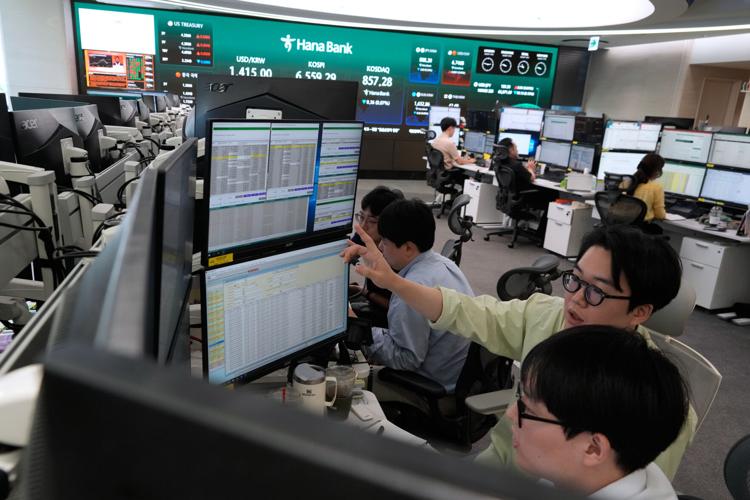


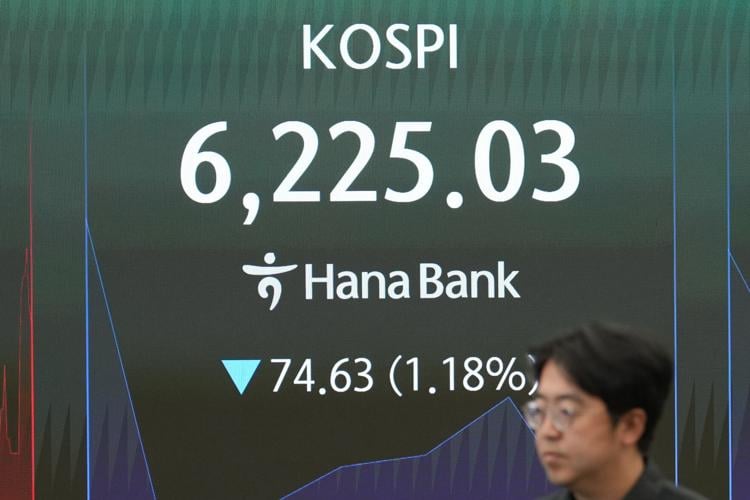

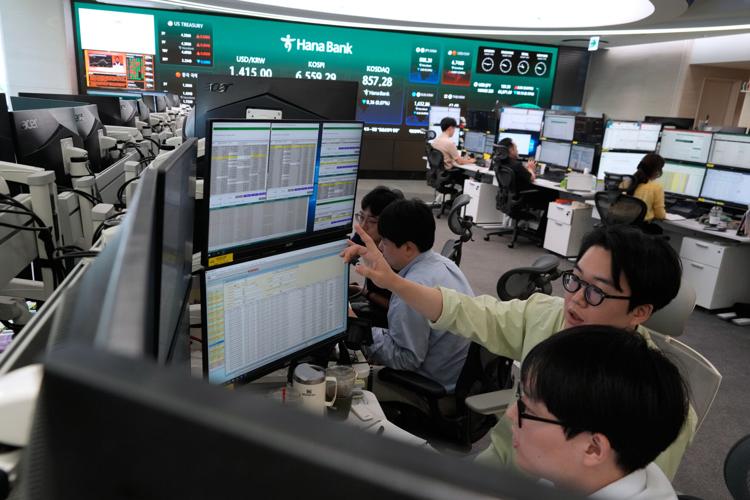









Overview
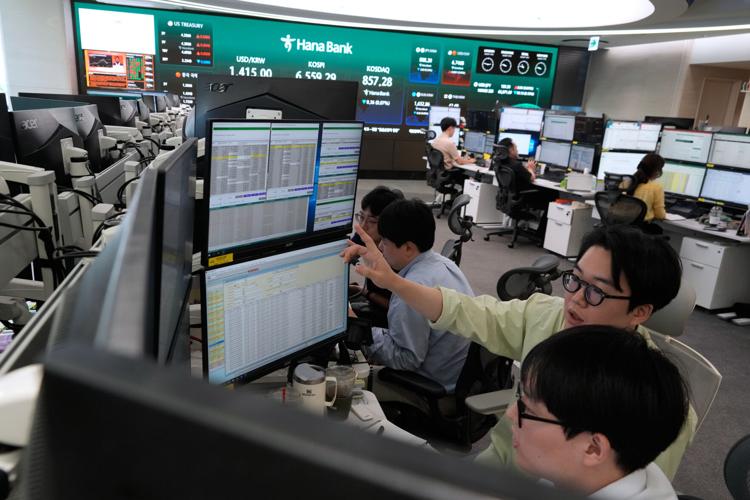
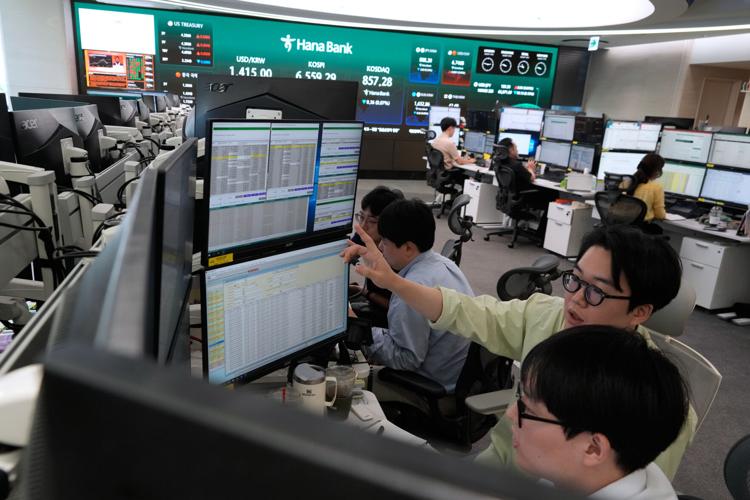
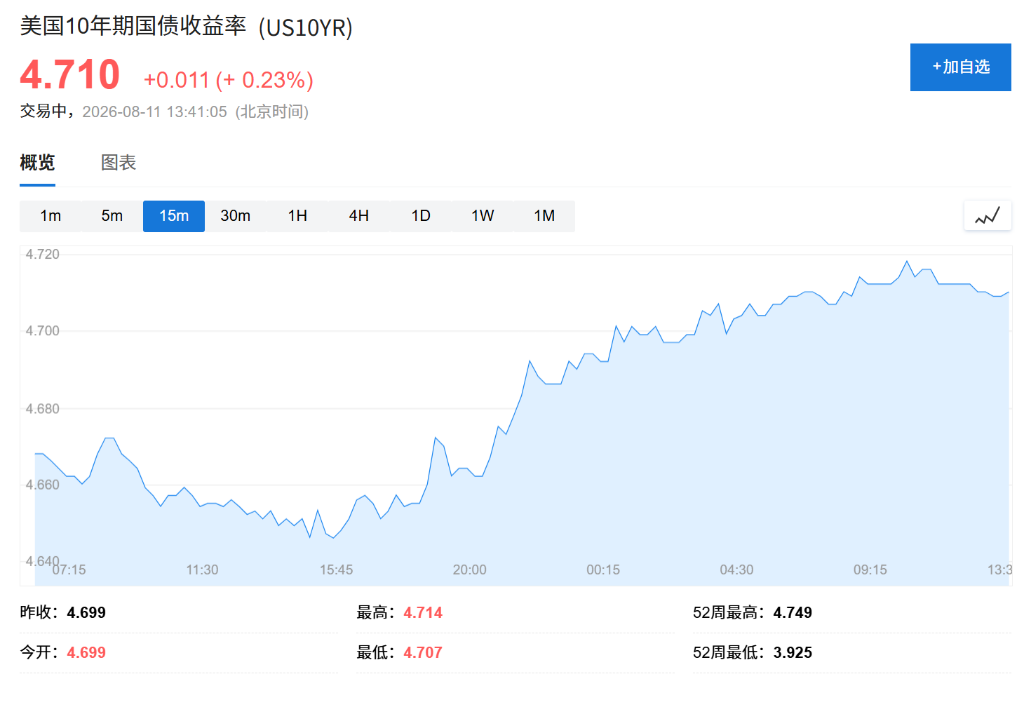
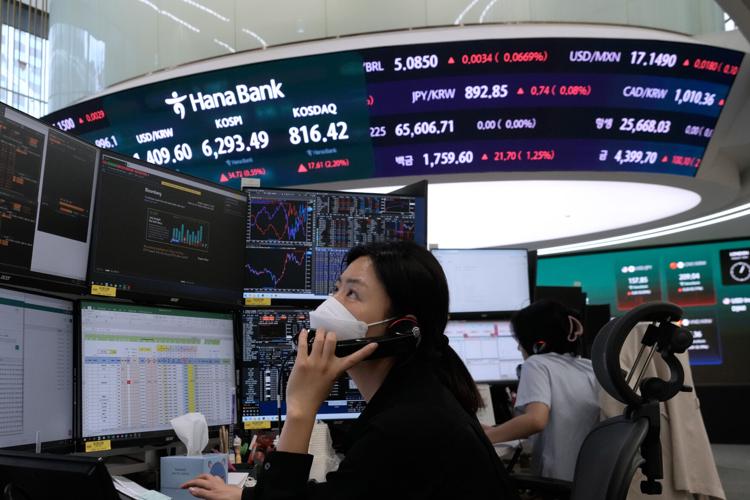
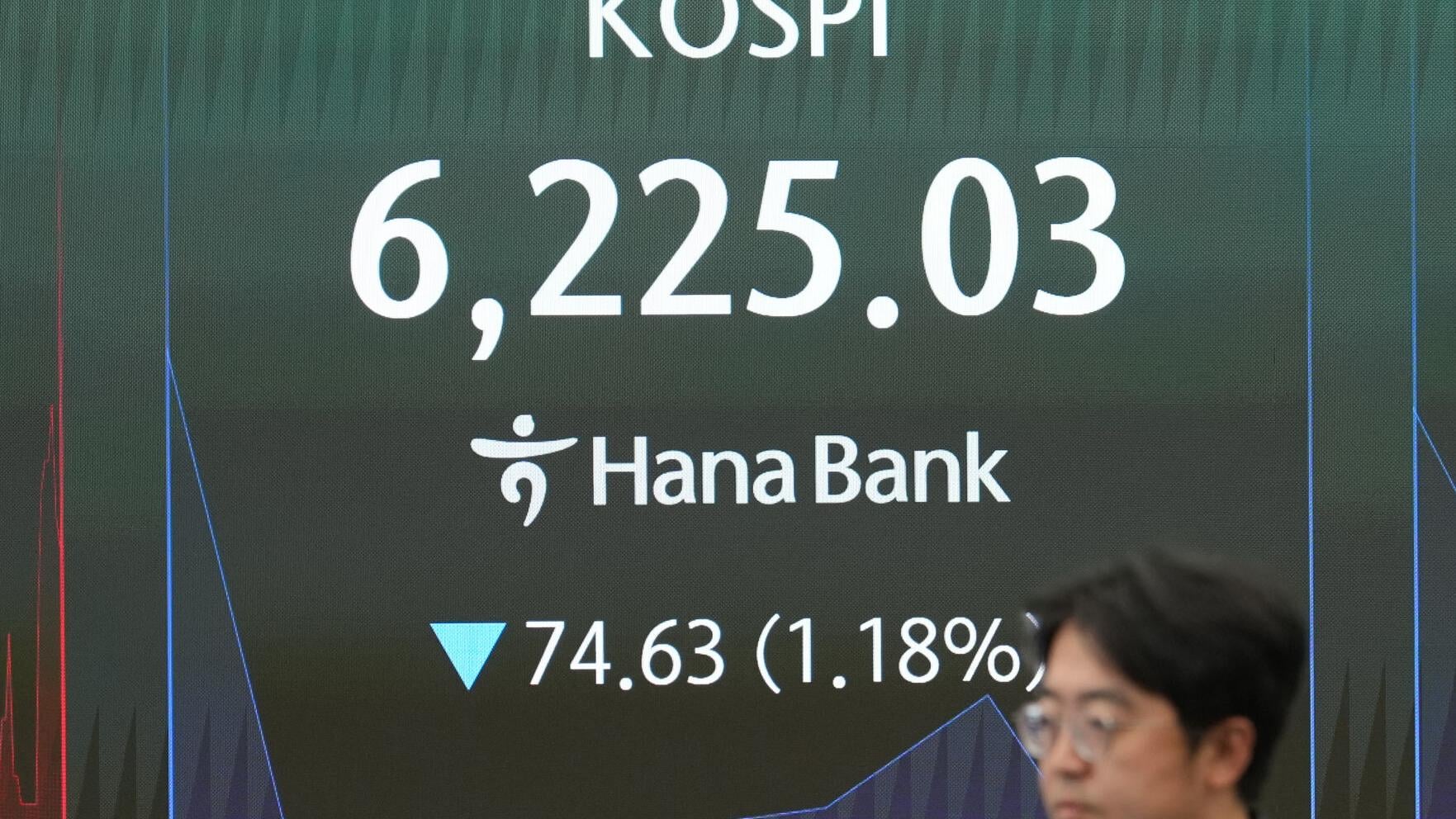
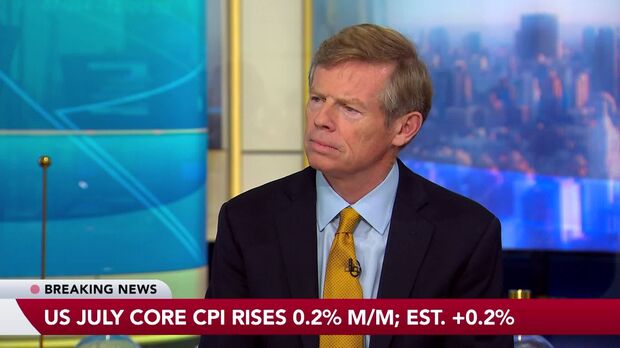
Softer U.S. inflation data released August 13, 2026 has dramatically shifted Federal Reserve rate expectations, creating a critical 4-6 week financing window for cross-border e-commerce sellers. Money markets now price only a 40% probability of a September Fed rate hike (down from 54% the previous week), signaling the Fed will likely hold rates steady through Q4 2026. This represents a major shift in borrowing costs and currency stability—two core financial levers for sellers managing inventory across Asia-Pacific, EU, and North American markets.
For sellers, the immediate financial opportunity centers on three areas: (1) Working Capital Financing Access, (2) FX Arbitrage Positioning, and (3) Payment Cost Optimization. The yen strengthened to 159.32 per dollar while the dollar index held steady at 99.93, creating a 2-3% arbitrage window for sellers with JPY-denominated inventory costs. Sellers shipping from China/Vietnam to US markets can lock in favorable USD rates before potential yen weakness if Bank of Japan raises rates in September as traders now expect. Invoice financing and PO financing rates are already declining—lenders like Clearco, Fundbox, and traditional trade finance providers are reducing APRs by 50-150 basis points as Fed rate cut expectations increase. For sellers with $50K-500K monthly inventory turnover, this translates to $200-600/month in immediate financing cost savings.
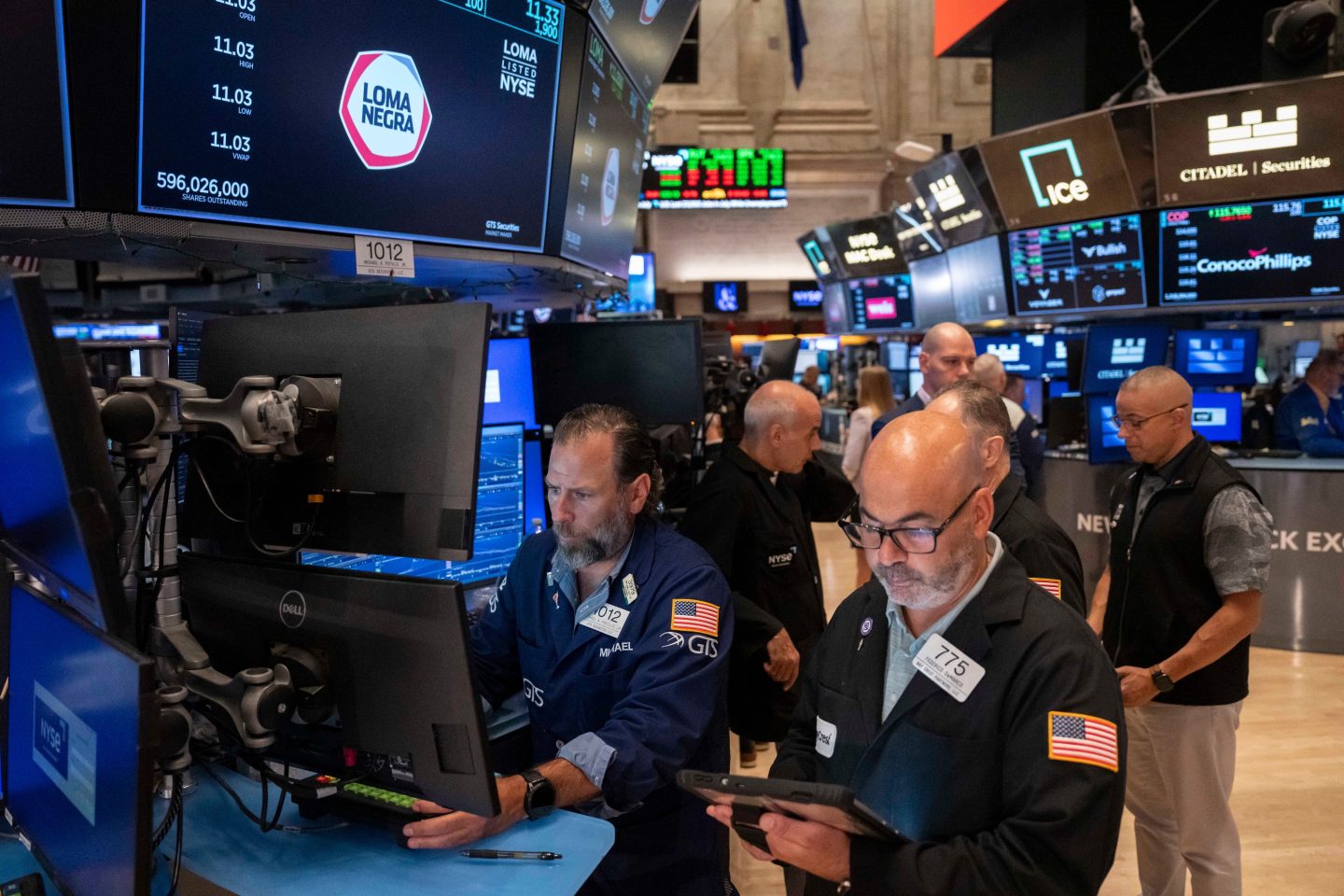
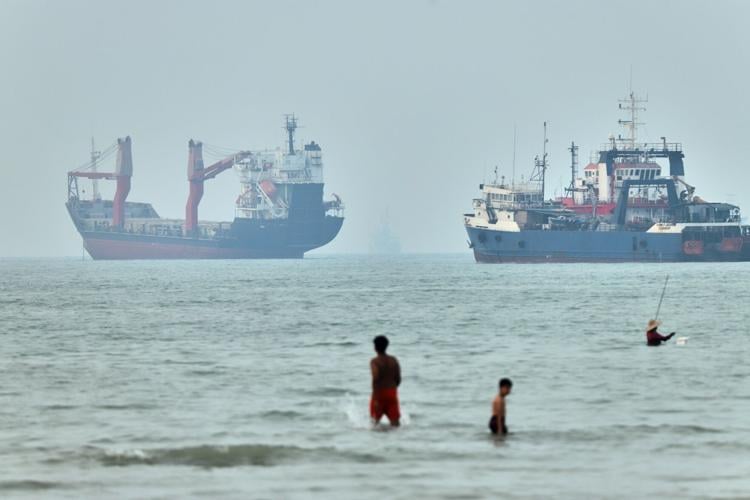
The geopolitical context (Houthi Red Sea attacks, North Korean tensions, Chinese-Indonesian naval exercises) has elevated oil prices to $82.58-$88.35/barrel, but the inflation moderation narrative is overriding energy cost concerns. This creates a temporary supply chain cost advantage: shipping rates from Asia to US/EU remain elevated due to geopolitical risk premiums, but sellers can now negotiate better payment terms with 3PL providers and freight forwarders who face lower refinancing costs. The S&P 500's record close (7,798.99, +0.65%) and Nasdaq's 0.81% gain reflect investor confidence in sustained consumer spending—critical for Q4 holiday season demand forecasting. Memory chip manufacturers (SanDisk +13.7%, Micron +4.2%) surged on producer price stability, signaling electronics category sellers should expect stable component costs through September, enabling better margin planning for tech accessories, consumer electronics, and smart home products.
Questions 7
Which payment methods offer the lowest fees for cross-border transactions right now?
With Fed rate expectations declining, payment processors are reducing cross-border fees: Stripe's international rates have dropped to 2.2-2.9% (from 2.9-3.4%), Wise (formerly TransferWise) is offering 0.6-1.2% for USD/EUR/GBP transfers, and PayPal is matching at 2.5-3.0% for business accounts. For high-volume sellers ($50K+/month), negotiate directly with Wise or Stripe for volume discounts (0.4-0.8% achievable). Avoid traditional bank wire transfers (3-4% fees). For Asia-Pacific sellers, use local payment gateways: Alipay/WeChat Pay for China sourcing (0.5-1.0%), Wise for JPY conversions (0.8-1.2%). Lock in processor agreements through Q4 before potential rate increases post-September FOMC.
How should I structure my entity (US/HK/SG) to maximize financing and tax benefits?
The Fed rate pause creates a 4-6 week window to optimize entity structure before September FOMC finality. US-based sellers benefit from lower USD financing rates (invoice financing at 6-8% APR vs 8-10% previously). Hong Kong entities offer 0% corporate tax on foreign-sourced income, enabling profit deferral on Asia-sourced inventory. Singapore entities provide access to Asian Development Bank trade finance programs (3-5% APR) and preferential rates from DBS/OCBC for cross-border payments. For sellers with $200K+/month turnover: establish HK holding company (owns inventory), US operating company (handles Amazon/Shopify sales), SG payment hub (processes cross-border transfers). This structure reduces financing costs 150-250 basis points and tax burden 8-12%. Consult tax advisor by August 31 to implement before Q4 peak season.