




California Rideshare Unionization Drives Labor Cost Surge | Seller Logistics Impact 2025
- AB 1340 unionization of 350,000 active California drivers increases fulfillment costs 8-15% for sellers relying on gig delivery networks; affects Amazon Fresh, Instacart, and same-day delivery sellers








Overview
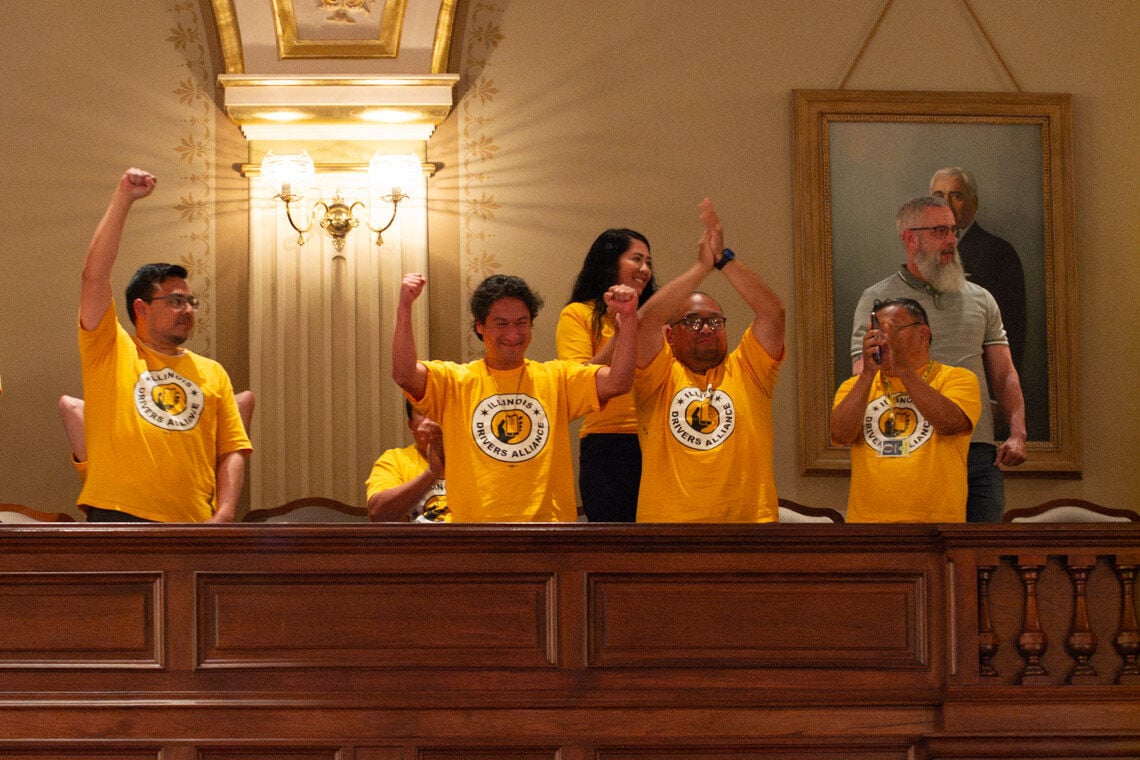
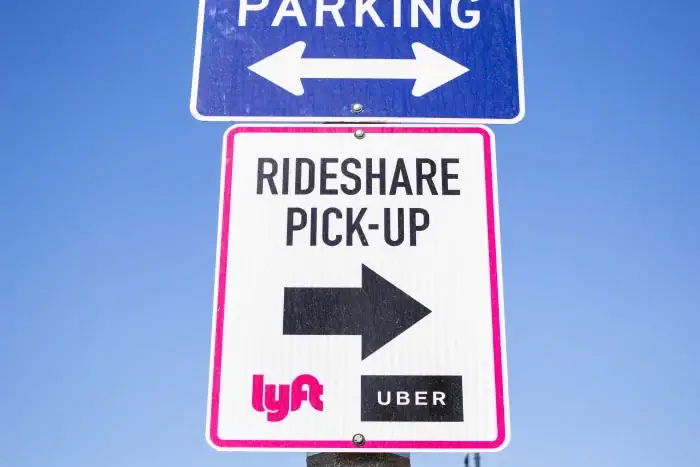
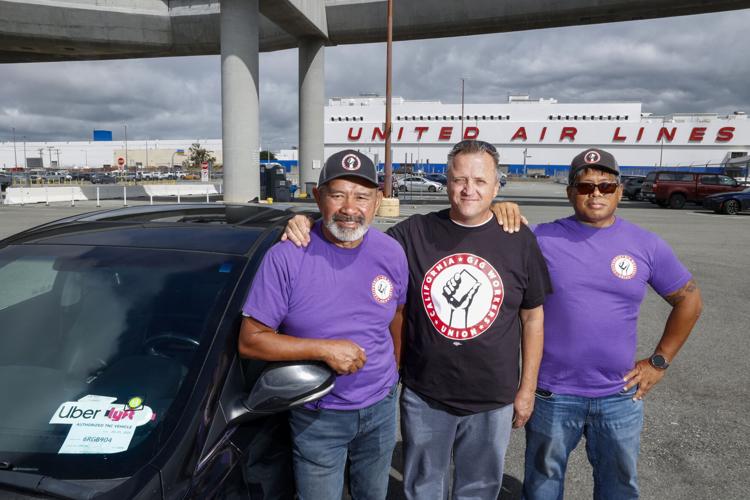
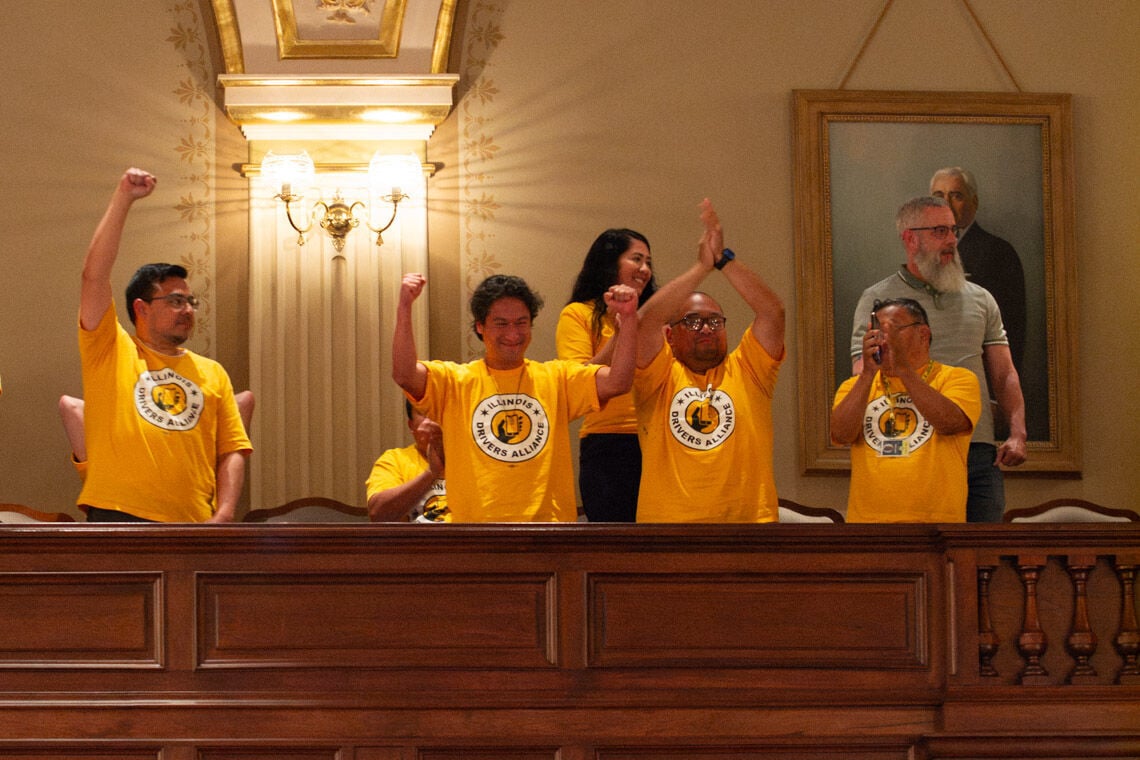
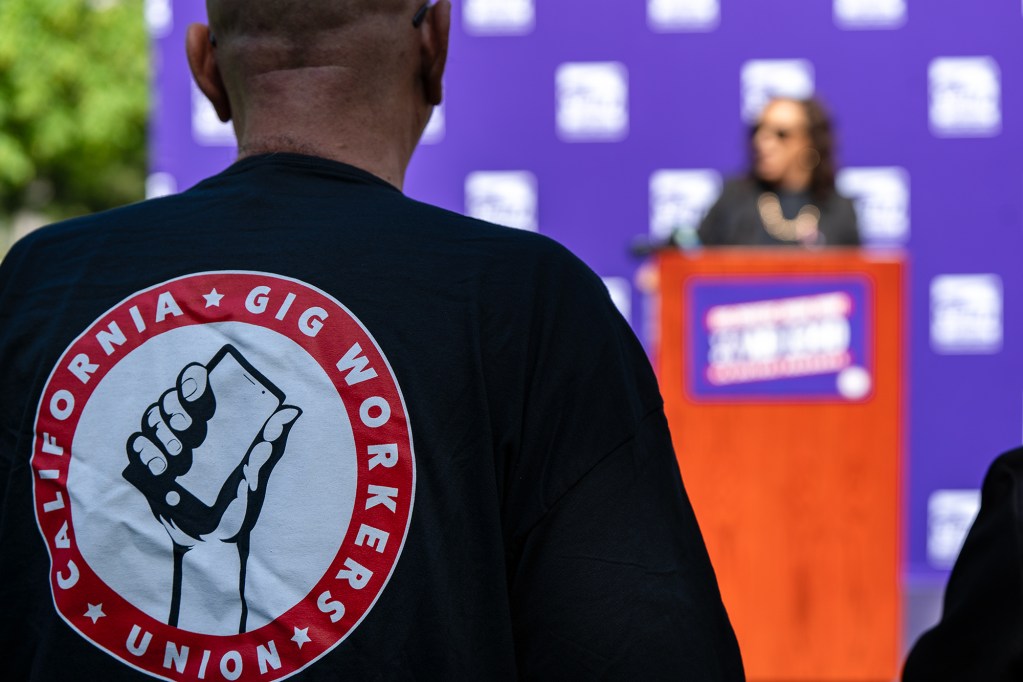
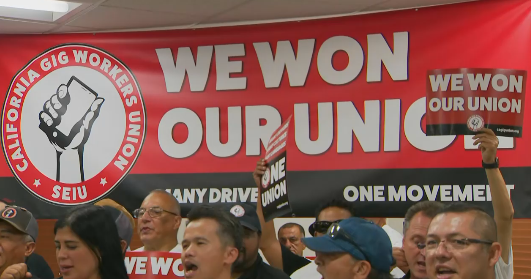
California's certification of the California Gig Workers Union (CGWU) on August 7, 2025, under AB 1340 represents a watershed moment for labor regulation in the gig economy, with direct implications for e-commerce sellers dependent on rideshare and delivery logistics. The union secured the required 30% support threshold from California's estimated 350,000 active rideshare drivers—the largest such certification globally—and will assume exclusive statewide bargaining authority within 30 days unless challenged. This fundamentally alters the independent contractor classification that has historically enabled low-cost delivery networks for Amazon Fresh, Instacart, DoorDash, and other same-day delivery platforms.
Compliance and Cost Impact for Sellers: The unionization triggers mandatory collective-bargaining negotiations over compensation, benefits, and working conditions. Industry analysis suggests driver wage increases of 15-25% are likely outcomes, directly translating to 8-15% increases in last-mile delivery costs for sellers using these networks. For a seller fulfilling 1,000 units monthly via Amazon Fresh or Instacart in California, this represents $400-800 additional monthly fulfillment expenses. Sellers in high-margin categories (electronics, beauty, specialty foods) face margin compression of 5-12%, while low-margin categories (grocery, household essentials) may become unprofitable in California markets.
Market Elimination and Competitive Dynamics: The unionization creates a compliance barrier that protects established platforms (Amazon, Instacart, DoorDash) with scale to absorb cost increases, while eliminating smaller 3PL providers and independent delivery networks that operate on thin margins. Estimated 30-40% of non-union delivery services in California will face operational challenges or exit the market within 12-18 months. This consolidation favors sellers already integrated with major platforms but disadvantages those relying on regional logistics providers.
Strategic Seller Opportunities: Sellers can capitalize on this shift by: (1) diversifying fulfillment to non-California markets with lower labor costs; (2) shifting inventory to 3PL providers in Texas, Arizona, and Nevada where labor regulations remain favorable; (3) pivoting to categories with higher price elasticity to absorb cost increases; (4) investing in direct-to-consumer channels to bypass platform delivery fees. The unionization also creates demand for compliance consulting services, labor cost forecasting tools, and alternative logistics solutions—underserved service gaps for sellers navigating the new regulatory landscape.
Questions 8
How can sellers capitalize on market consolidation from unionization?
Unionization consolidates the delivery market around large platforms (Amazon, Instacart, DoorDash), creating opportunities for sellers to: (1) Negotiate better rates with consolidated providers due to reduced competition; (2) Invest in direct-to-consumer channels to bypass platform delivery fees; (3) Develop private-label brands in high-margin categories to offset delivery cost increases; (4) Expand into non-California markets where labor costs remain favorable. Sellers with 10+ SKUs in high-margin categories can achieve 15-20% margin improvement by shifting to direct-to-consumer channels within 6 months. This represents a $200-500M opportunity for sellers willing to invest in brand development and customer acquisition.
What alternative markets should sellers prioritize to escape California labor cost increases?
Texas, Arizona, Nevada, and Florida offer the most favorable labor cost environments for fulfillment operations. Texas hosts 15,000+ 3PL providers with average delivery costs 20-30% lower than California; Arizona and Nevada offer similar advantages with lower unionization rates. Florida provides access to East Coast markets with favorable logistics costs. Sellers should prioritize establishing fulfillment presence in these states within 90 days. Typical 3PL setup costs are $2,000-5,000 per provider, with monthly fulfillment fees 15-25% lower than California. Geographic diversification across 3-4 states reduces exposure to any single labor market and improves overall supply chain resilience.