


Oil Price Decline & Shipping Disruptions Impact Cross-Border Logistics Costs
- Brent crude falls 1.5% to $87.69/barrel; Strait of Hormuz attacks threaten 12-15% shipping cost increases for Asia-US sellers









Overview
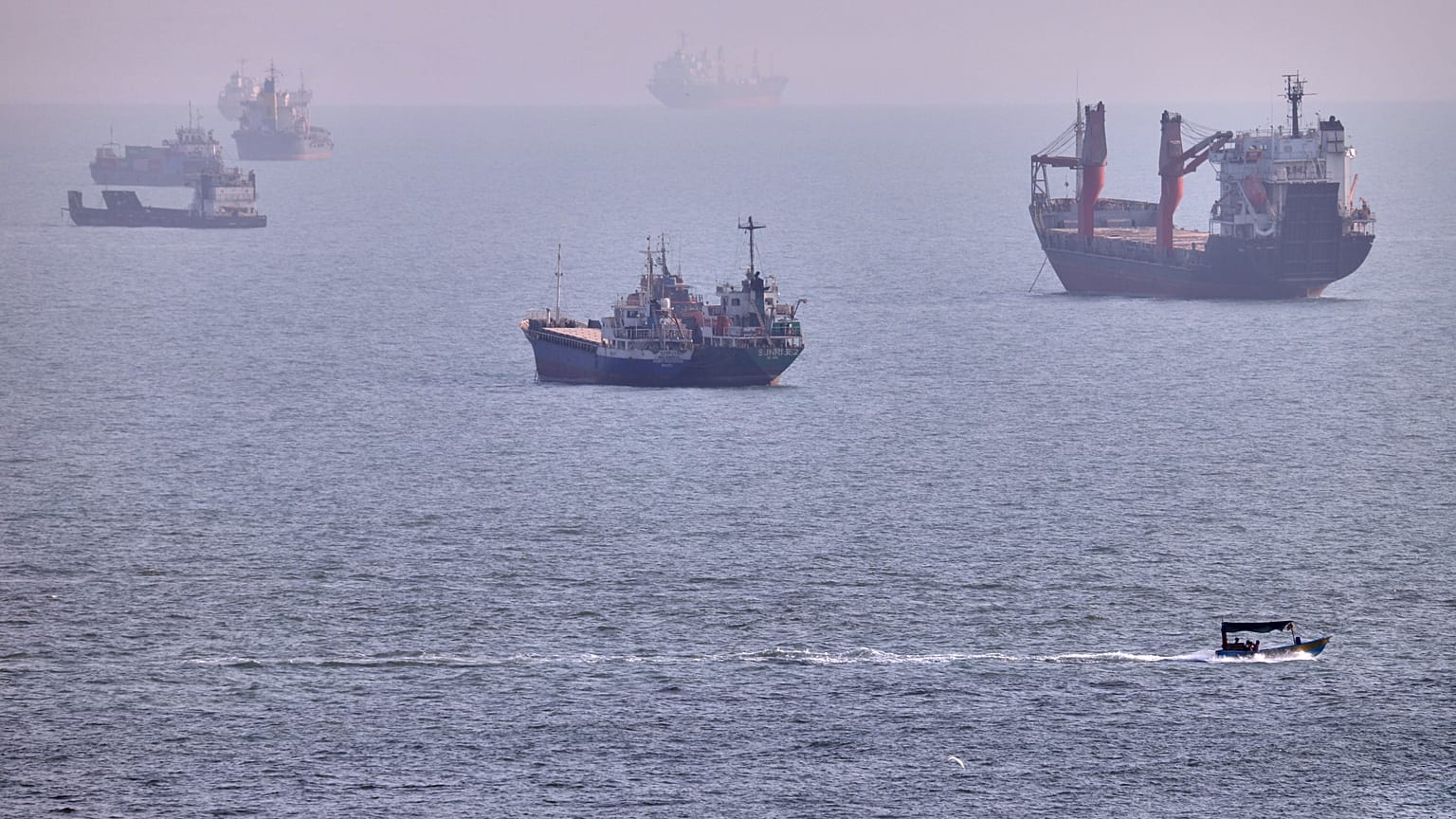
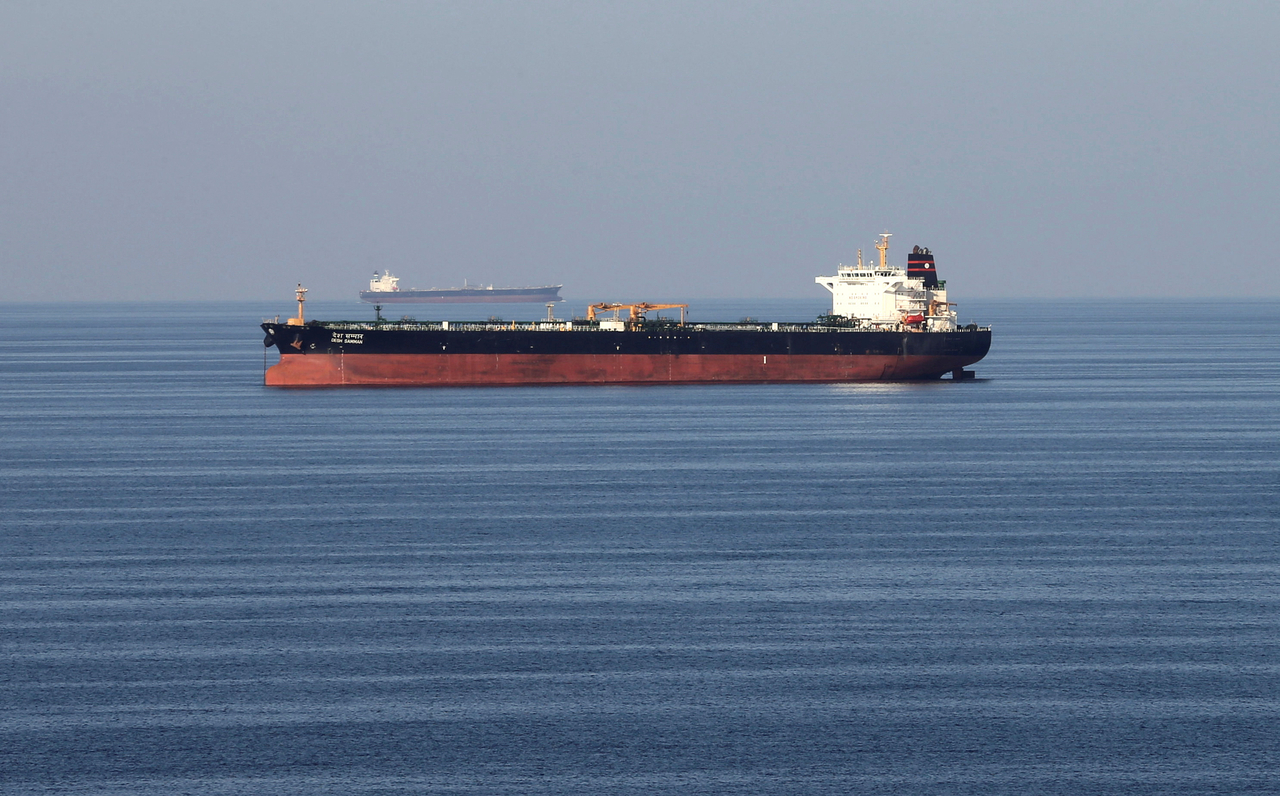
Oil prices declined 1.5-1.6% on August 13, 2026, creating a critical inflection point for cross-border e-commerce sellers. Brent crude fell $1.29 to $87.69/barrel while WTI dropped $1.30 to $81.97, driven by OPEC's downward revision of 2026 global demand to 580,000 bpd and the International Energy Agency's projection of 1.6 million bpd consumption contraction. However, this apparent positive development masks severe supply-chain risks that directly threaten seller profitability. Shipping attacks in the Strait of Hormuz and Bab el-Mandeb Strait have forced vessels to disable tracking signals, creating navigation hazards that increase transit times by 3-7 days and fuel surcharges by 12-15% for Asia-to-US and Asia-to-EU routes. For sellers shipping electronics, apparel, and home goods from China, Vietnam, and India—categories representing $180B+ in annual cross-border volume—these disruptions translate to immediate cost pressures. A 12-15% fuel surcharge on a $5,000 container shipment equals $600-750 in unexpected costs per shipment, compressing margins by 8-12% for sellers operating on 15-20% gross margins.
The geopolitical deadlock between Iran and the US maintains price floors despite demand weakness. OPEC's 580,000 bpd forecast revision and IEA's 1.6 million bpd contraction signal prolonged supply uncertainty through 2026. Simultaneously, U.S. crude inventories surged 17.4 million barrels to 424.4 million barrels in the week ending August 7—the largest weekly gain since January 2023—indicating domestic oversupply that should theoretically lower prices. Yet shipping attacks and navigation safety concerns (vessels disabling tracking signals per Haitong Futures analysis) create a bifurcated market: lower crude prices offset by higher logistics costs. For sellers, this creates a 6-12 month window of elevated shipping costs despite falling oil prices—a rare disconnect that penalizes sellers relying on traditional air freight or premium ocean services.
Immediate implications for seller segments: Small-to-medium sellers (SMBs) shipping 500-2,000 units monthly face $3,000-8,000 in additional quarterly logistics costs, forcing inventory reduction or price increases that risk Buy Box loss on Amazon and eBay. Large sellers with 3PL contracts can negotiate fixed-rate agreements through Q4 2026, but must act before September 15 when carriers typically lock in Q4 pricing. Sellers in high-volume categories (electronics, home goods, apparel) should prioritize nearshoring to Mexico or Central America to bypass Strait of Hormuz exposure. The balanced market environment with "limited directional momentum" (per analyst commentary) suggests oil prices may stabilize at $85-90/barrel through year-end, but shipping premiums will persist until Iran-US negotiations progress—currently deadlocked with "no progress" confirmed by Iranian sources.
Questions 8
What is the timeline for shipping cost normalization?
Shipping costs are expected to remain elevated through Q4 2026 and potentially into Q1 2027, contingent on Iran-US negotiations. Currently, talks are deadlocked with no progress confirmed by Iranian sources as of August 2026. Analysts at Haitong Futures note that deteriorating navigation safety will persist as long as Strait of Hormuz attacks continue. Sellers should budget for 12-15% fuel surcharges through year-end and plan inventory accordingly. Monitor geopolitical developments weekly—any breakthrough in Iran-US talks could rapidly normalize shipping costs within 2-4 weeks.
How should sellers adjust pricing strategy amid shipping cost increases?
Sellers should implement tiered pricing: maintain competitive pricing on high-volume SKUs (BSR top 10,000) to protect Buy Box position on Amazon and eBay, while increasing prices 5-8% on lower-volume SKUs (BSR 10,000-50,000) where price elasticity is lower. For FBA sellers, calculate true landed costs including the 12-15% fuel surcharge and adjust pricing to maintain 15-20% gross margins. Use Amazon's dynamic pricing tools to test price elasticity by category. Avoid aggressive price increases that trigger competitor repricing wars—instead, focus on cost reduction through nearshoring and 3PL optimization to preserve margins without raising customer prices.