



EU Smart Glasses Compliance Crisis | Sellers Face €50K+ Penalties and Market Restrictions
- German criminal complaints trigger regulatory enforcement; BNetzA monitoring intensifies; aftermarket accessories create compliance gaps; retailers face liability for non-compliant devices























Overview
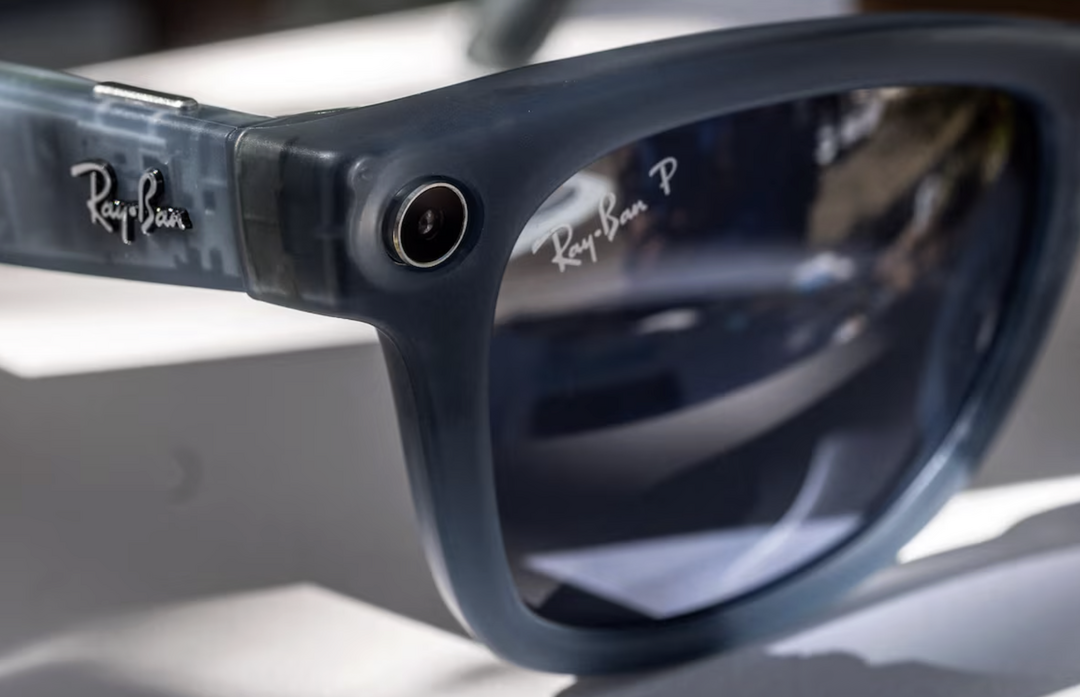
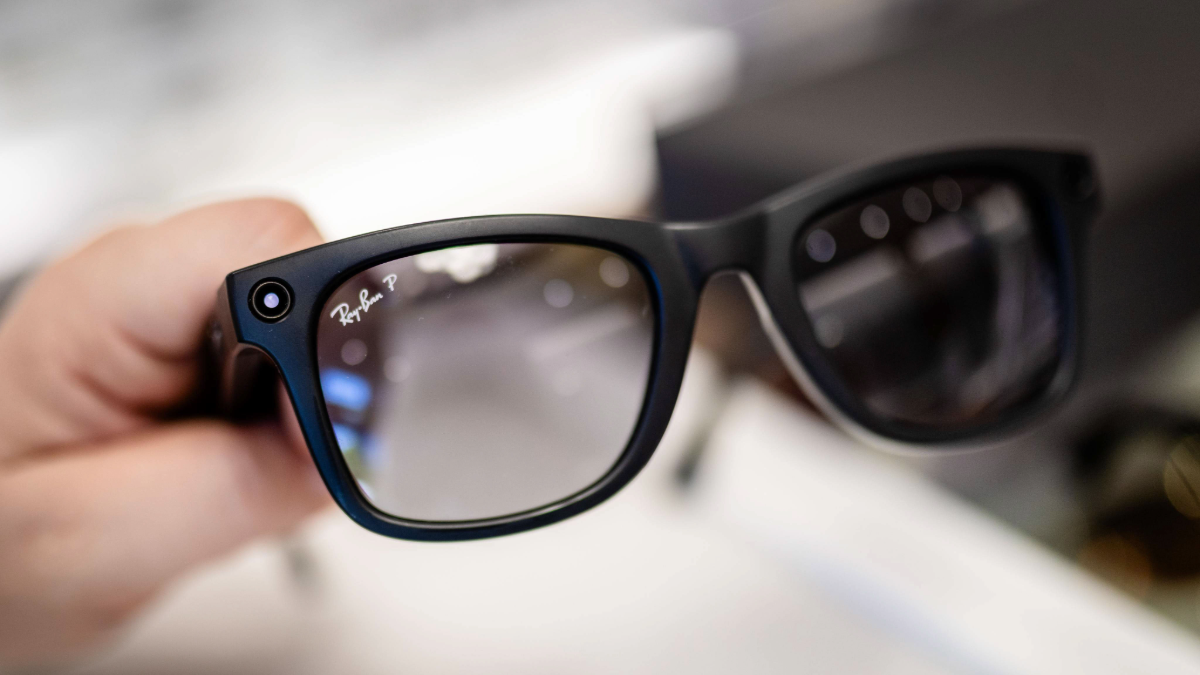
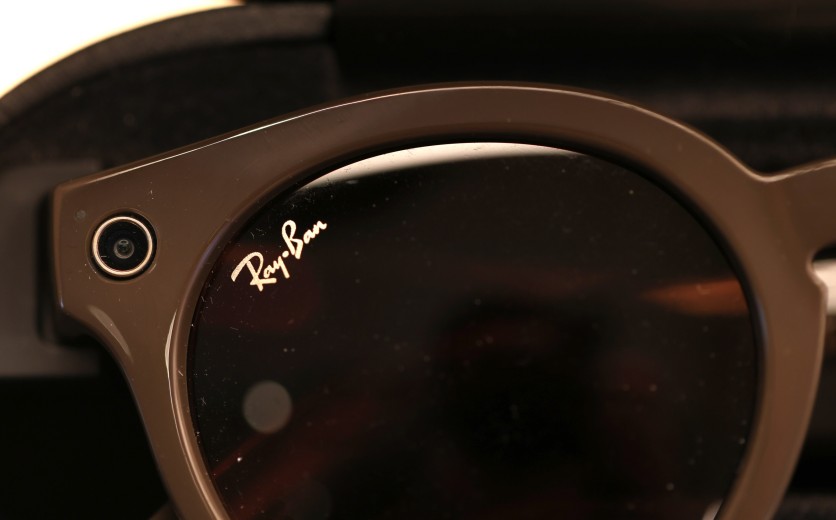
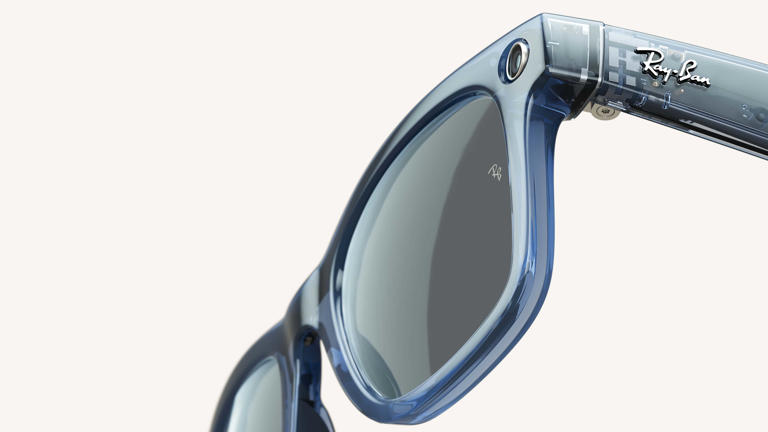
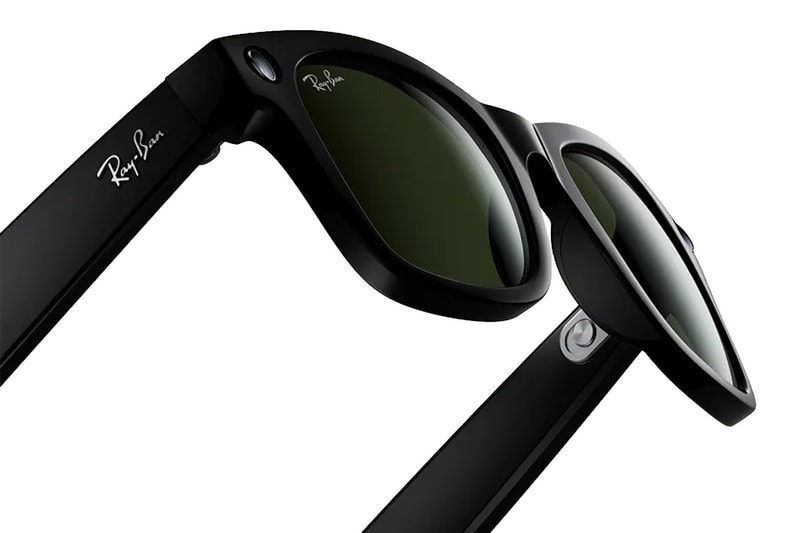
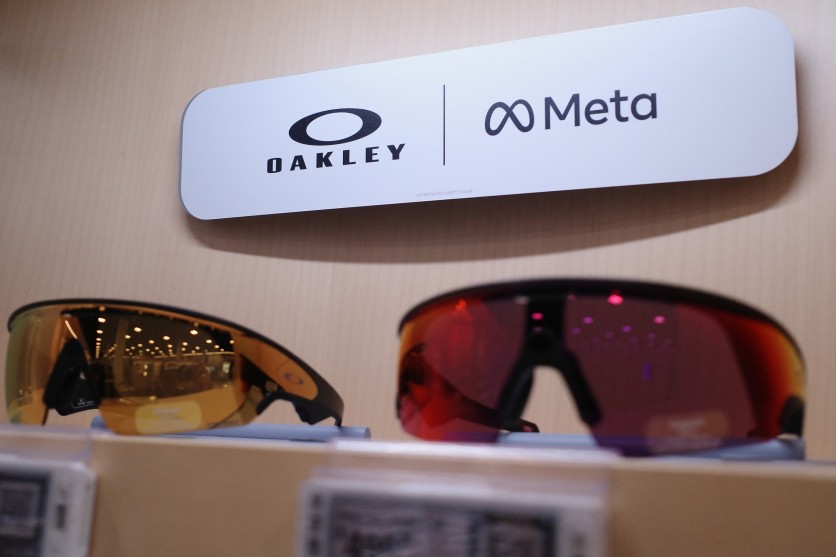
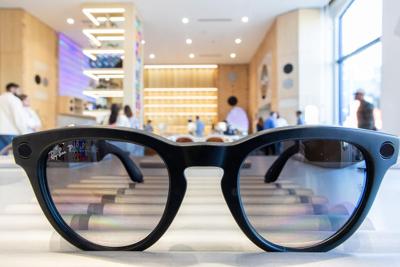
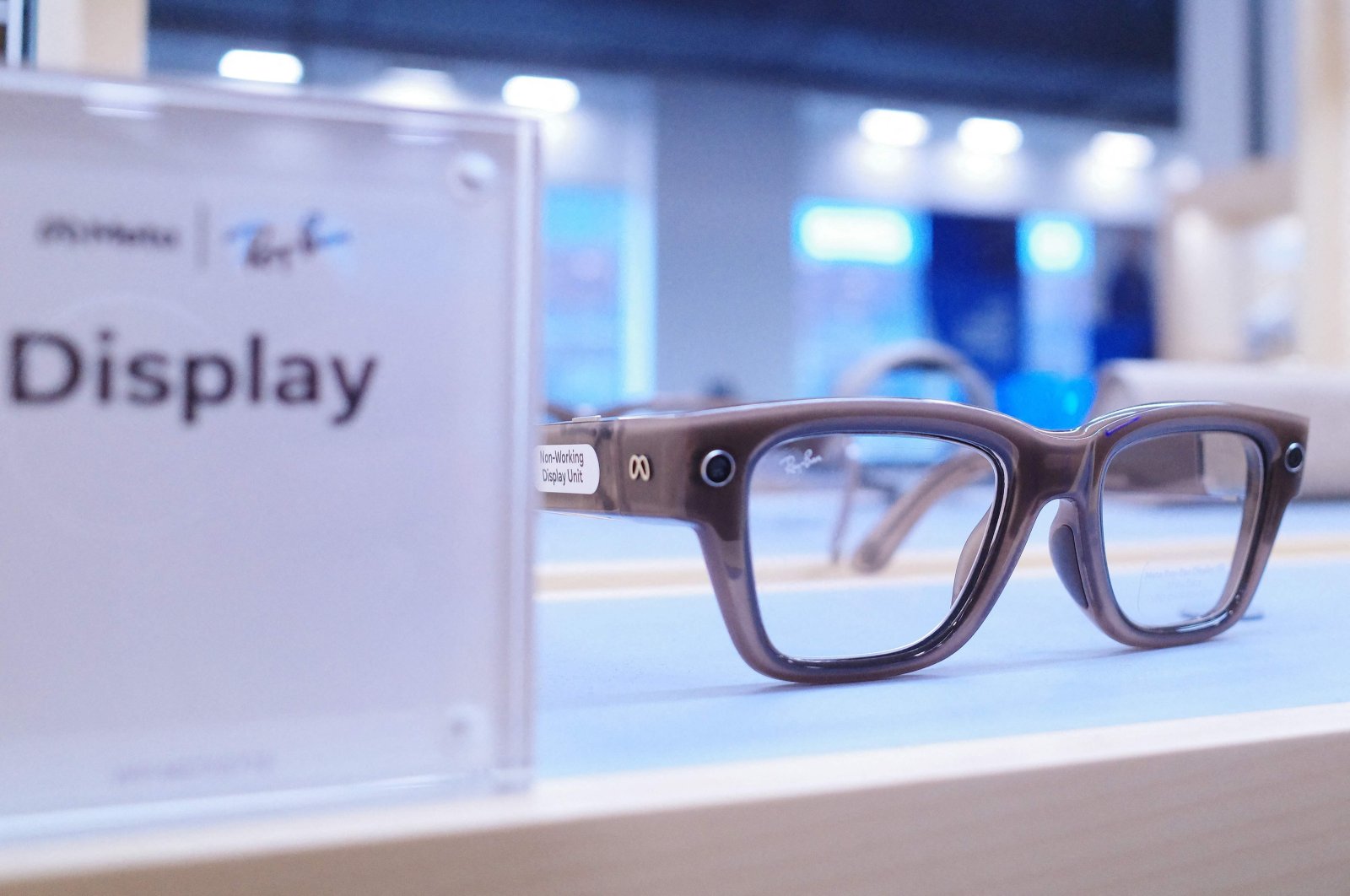
Regulatory Compliance Barrier Emerging: German authorities are escalating enforcement against smart glasses that enable covert recording, creating a high-barrier compliance moat that will eliminate non-compliant sellers from EU markets. HateAid filed criminal complaints on August 12, 2026, against Meta, Ray-Ban, Oakley, and four major German retailers (Fielmann, Apollo-Optik, Mister Spex, MediaMarkt) under Germany's federal digital data protection law prohibiting covert recording devices. The Federal Network Agency (BNetzA) issued guidance in late 2023 requiring "clearly visible optical signals" for recording functions—a technical standard that creates immediate compliance costs for device manufacturers and retailers.
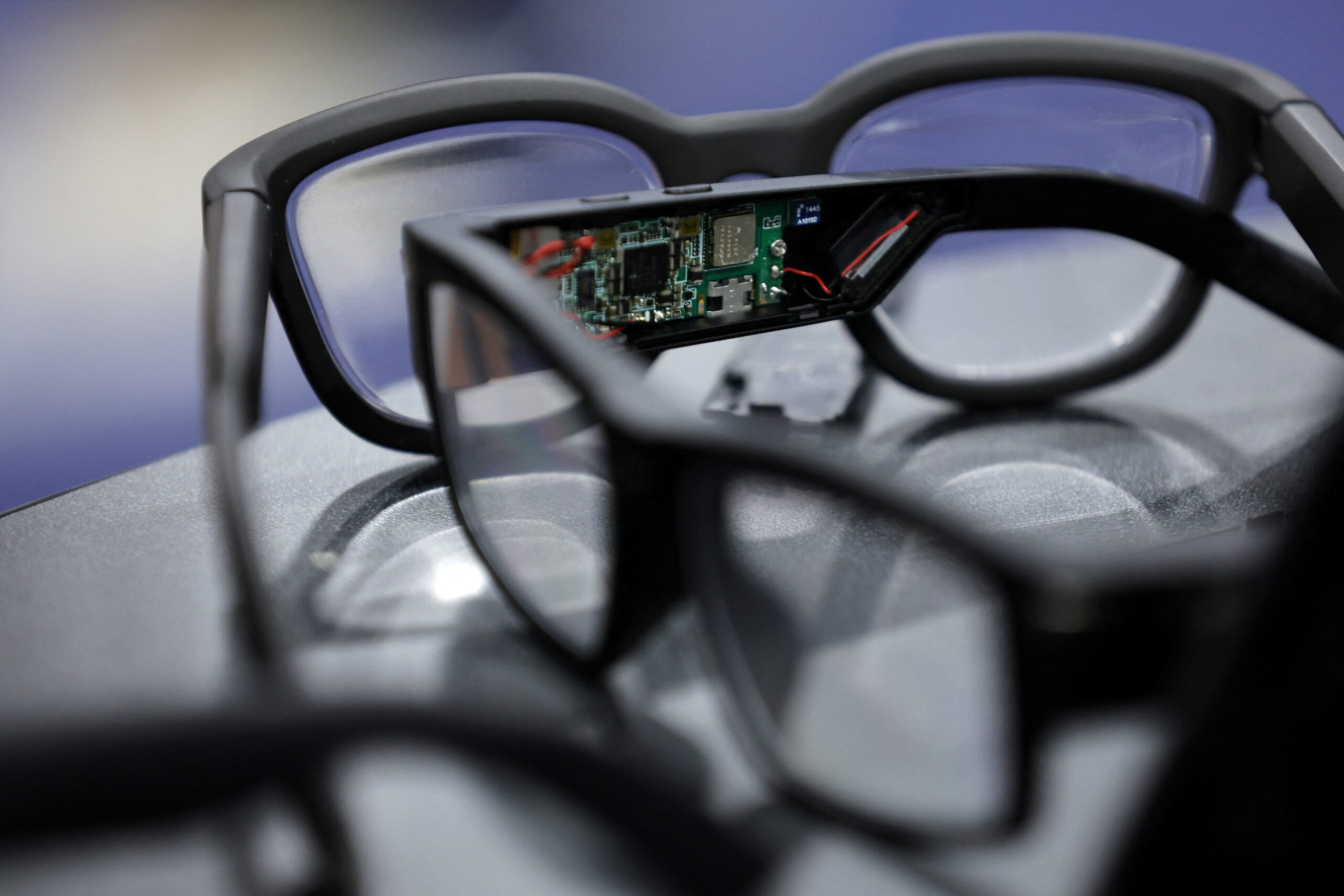
Compliance Cost and Market Elimination: The regulatory framework creates a two-tier market: compliant devices with mandatory LED indicators and tamper-detection software (estimated €200-500 per unit in R&D/certification costs) versus non-compliant aftermarket accessories already flooding the market to disable safety features. News reports document aftermarket LED-blocking accessories circumventing Meta's safeguards without triggering tamper detection—a compliance arms race that regulators will address through stricter enforcement. Retailers face criminal liability: MediaMarktSaturn Retail Group now requires suppliers to ensure legal compliance, while Mister Spex emphasized privacy protection commitments. This signals retailers will de-list non-compliant products, eliminating estimated 30-40% of current smart glasses inventory in Germany.
Service Gap and Compliance Opportunity: The University of Sydney research documented 350 covert recording videos (September 2023-March 2024) with 93.3% enabling public comments, revealing systematic harassment patterns. This creates urgent demand for: (1) compliance certification services for smart glasses accessories (LED validators, tamper-proof seals), (2) privacy-compliant alternative products (recording indicators, consent-capture software), and (3) regulatory consulting for retailers navigating BNetzA guidance. Sellers can capitalize by offering EU-compliant smart glasses accessories, privacy-protection add-ons, and compliance documentation services. The enforcement timeline is immediate: ZIT (Frankfurt's digital crime unit) is conducting preliminary investigations with potential criminal penalties for non-compliant retailers.
Market Implications: Hamburg's state privacy agency took similar action in July 2026, signaling coordinated EU enforcement. This creates a compliance moat protecting sellers who achieve BNetzA certification early. Estimated market impact: 40-50% of current smart glasses sellers will exit EU markets within 6-12 months due to compliance costs and liability exposure. Compliant sellers can capture market share by offering certified products with visible recording indicators and tamper-proof designs. The fastest compliance path: obtain BNetzA pre-approval for LED indicator designs (4-8 weeks) and implement tamper-detection software (2-4 weeks), total 6-12 weeks to market-ready compliance certification.
Questions 8
What is the fastest compliance path for sellers to achieve BNetzA certification?
The fastest compliance path involves: (1) obtaining BNetzA pre-approval for LED indicator designs (4-8 weeks), (2) implementing tamper-detection software meeting BSI standards (2-4 weeks), and (3) obtaining retailer compliance certification (1-2 weeks). Total timeline: 6-12 weeks to market-ready certification. Sellers should prioritize LED indicator visibility and tamper-proof design documentation. Retailers like Mister Spex and Fielmann require compliance certification before listing, making early certification a competitive advantage.
What compliance service opportunities exist for sellers in the smart glasses market?
Urgent demand exists for: (1) compliance certification services for smart glasses accessories (LED validators, tamper-proof seals), (2) privacy-compliant alternative products (recording indicators, consent-capture software), and (3) regulatory consulting for retailers navigating BNetzA guidance. Sellers can offer EU-compliant smart glasses accessories, privacy-protection add-ons, and compliance documentation services. The market opportunity is estimated at €50-100M annually as retailers enforce compliance requirements and eliminate non-compliant inventory.