

Ford Reshores Lincoln Production from China | Tariff-Driven Supply Chain Shift Creates Automotive Aftermarket Opportunities
- Ford phases out China imports by 2030, signaling $3B tariff impact; automotive aftermarket sellers face 12-24 month supply chain transition with pricing volatility and sourcing opportunities




















Overview
Ford's Strategic Reshoring Decision Signals Major Tariff-Driven Supply Chain Realignment
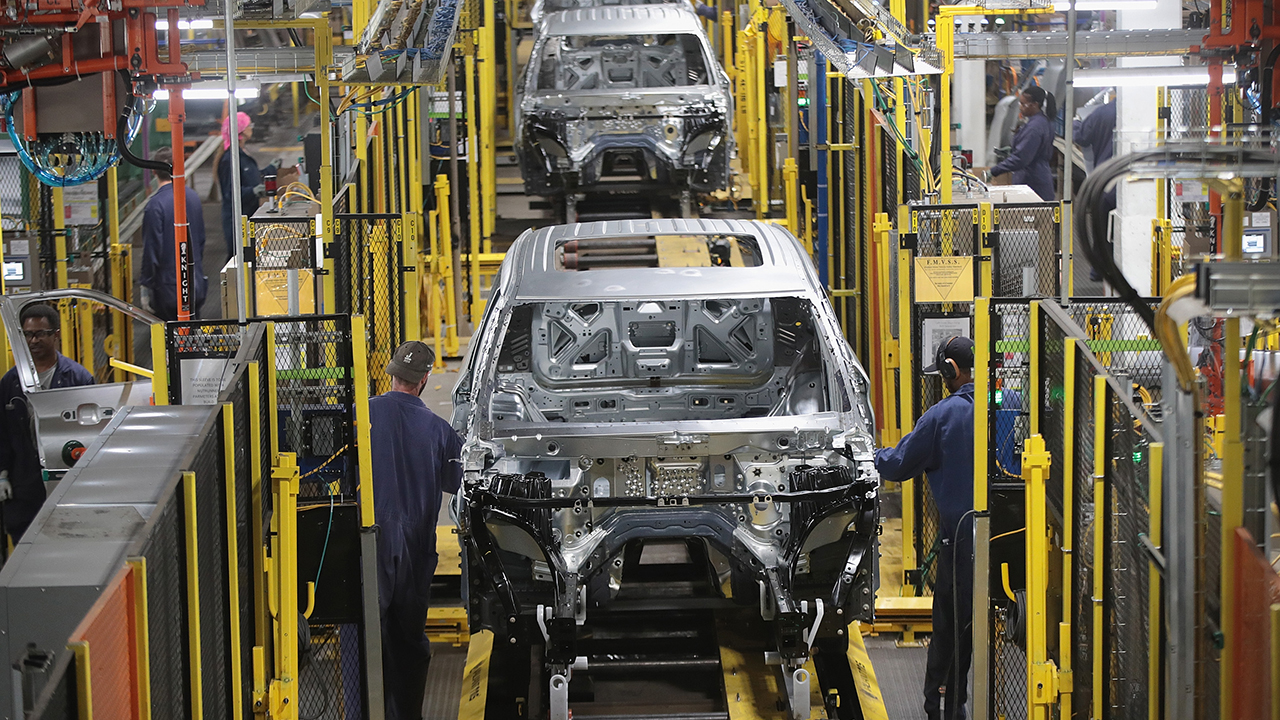
Ford Motor Company announced plans to discontinue imports of the Lincoln Nautilus SUV from China beginning in 2030, shifting production to U.S. facilities. This decision directly reflects the company's $3 billion in gross tariff costs incurred in 2025, with $2 billion impact on earnings before interest and taxes after offsets. The Lincoln Nautilus, currently assembled at Changan Ford's Hangzhou plant in China and exported to the United States since 2024, represents Ford's only China-imported vehicle for the U.S. market. This reshoring initiative aligns with broader industry trends toward nearshoring and domestic production for premium vehicle segments, driven by geopolitical tensions, trade policy uncertainty, and supply chain resilience priorities.
Tariff Arbitrage and Market Access Implications for Sellers
The reshoring decision creates a critical 4-year transition window (2026-2030) where automotive aftermarket sellers face significant supply chain disruptions and pricing opportunities. Production relocations typically involve 12-24 month transition periods during which supply availability and pricing fluctuate substantially. Sellers sourcing Lincoln parts, accessories, and OEM components will experience supply chain adjustments as manufacturing shifts from Hangzhou to U.S. facilities (likely Kentucky Truck Plant in Louisville or Chicago Assembly Plant). The tariff environment that triggered Ford's decision—approximately $3 billion in 2025 costs—directly impacts import duties on automotive components. Sellers currently sourcing Chinese-manufactured Lincoln parts face two strategic windows: (1) immediate arbitrage opportunity through 2027 as Chinese inventory clears at discounted rates, and (2) domestic sourcing transition from 2027-2030 as U.S. production ramps. This mirrors Ford's existing domestic production of Navigator SUVs (Louisville) and Aviator models (Chicago), both exported to Canada, Mexico, and Middle East markets, indicating established U.S. supply chain infrastructure for premium segments.
Competitive Dynamics and Seller Segment Advantages
This reshoring trend reflects how major automakers respond to trade policy by consolidating North American production. Ford assembled over 2 million vehicles domestically in 2025 with 56,300 hourly manufacturing workers, establishing significant domestic capacity. The shift creates competitive advantages for: (1) U.S.-based automotive aftermarket sellers with established relationships to domestic OEM suppliers, (2) 3PL providers managing inventory transitions between Chinese and U.S. sourcing, and (3) specialty retailers marketing "American-made" Lincoln accessories as tariff-driven premiums increase. Sellers currently dependent on Chinese-sourced Lincoln components must diversify sourcing by Q4 2027 to avoid supply gaps. The luxury SUV segment (Lincoln Nautilus competes with Lexus RX, BMW X5, Audi Q7) shows sustained demand for high-margin accessories, with domestic production enabling faster fulfillment and "Made in USA" marketing advantages. Industry analysts note similar moves by competing luxury automakers, suggesting this represents a sustained 3-5 year reshoring cycle affecting the entire premium automotive aftermarket.
Questions 8
What is the market size opportunity for automotive aftermarket sellers during this transition?
The automotive aftermarket generates $400-500 billion annually in the U.S., with luxury segments (Lincoln, BMW, Audi, Lexus) representing 15-20% of total volume. Lincoln Nautilus sales average 80K-100K units annually in the U.S., with aftermarket attachment rates of 25-35% (accessories, parts, customization). This translates to 20K-35K annual aftermarket transactions per model year. During the 2026-2030 transition, sellers can capture 5-10% market share growth through domestic sourcing advantages and faster fulfillment. For a seller with 2% current market share in Lincoln accessories ($2-3M annual revenue), the reshoring transition could drive 30-50% revenue growth through 2030 by capturing market share from Chinese-dependent competitors. The 4-year window represents a $50-100M opportunity for well-positioned domestic aftermarket suppliers.
What compliance or sourcing shortcuts can sellers leverage during the transition?
Sellers can legally leverage several strategies: (1) **tariff code optimization** by reclassifying components under lower-duty HS codes (e.g., accessories vs. parts), reducing tariff exposure by 5-10%; (2) **origin certification** by sourcing from Vietnam, India, or Mexico under trade agreements (USMCA, CPTPP) with 0-5% tariffs versus 15-25% on Chinese imports; (3) **inventory timing** by front-loading Chinese purchases through Q2 2026 before tariff rates potentially increase, then transitioning to domestic sourcing by Q4 2027. Sellers should consult customs brokers to audit HS code classifications and explore USMCA-compliant sourcing in Mexico, which offers 40-50% labor cost savings versus U.S. production while maintaining tariff advantages. These strategies can preserve 8-15% margins during the 2026-2028 transition period.