



Hormuz Strait Blockade Triggers 95% Shipping Collapse | Cross-Border Sellers Face 40-60% Freight Cost Surge
- Strait of Hormuz traffic plummets from 130-140 daily vessels to 6 ships; Bab el-Mandeb passage drops 50%; oil prices spike $7/barrel; sellers shipping Asia-to-US routes face 6-12 week delays and 40-60% freight premium















Overview
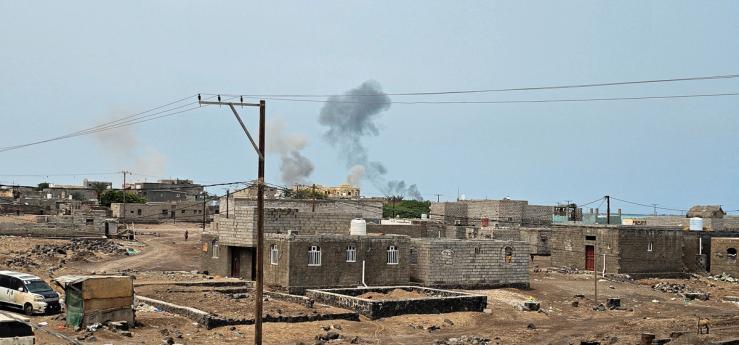
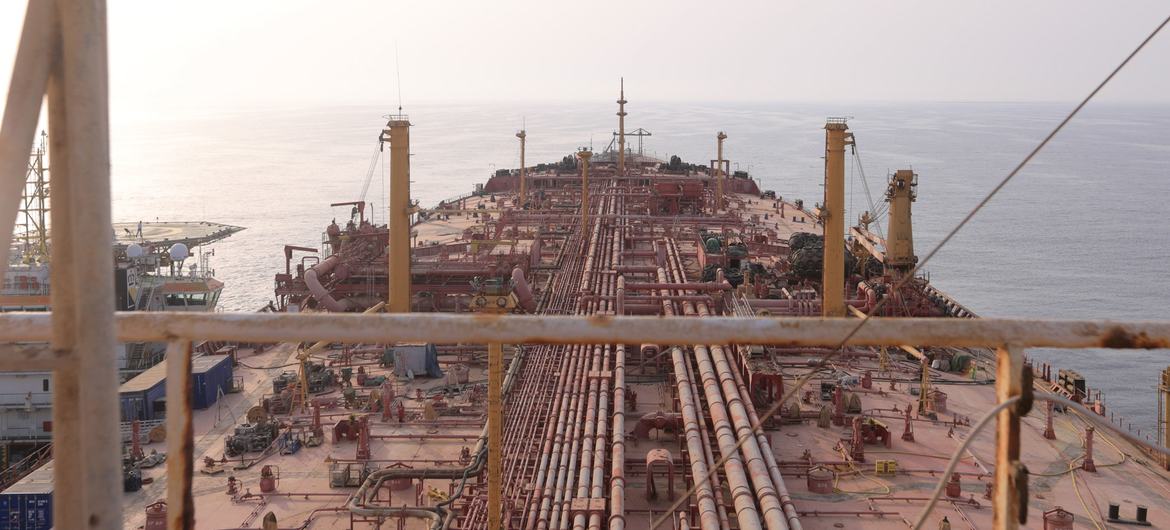
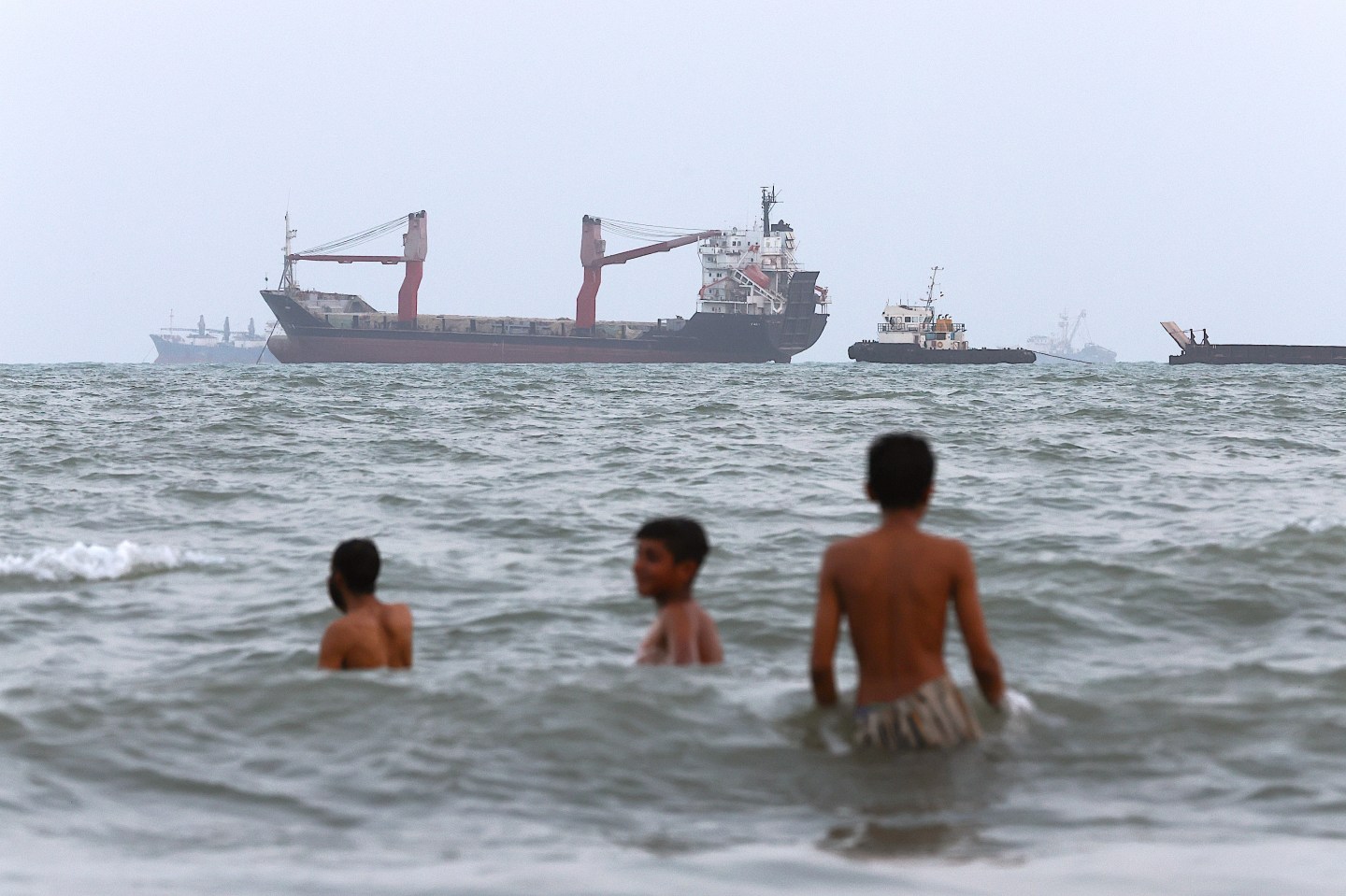
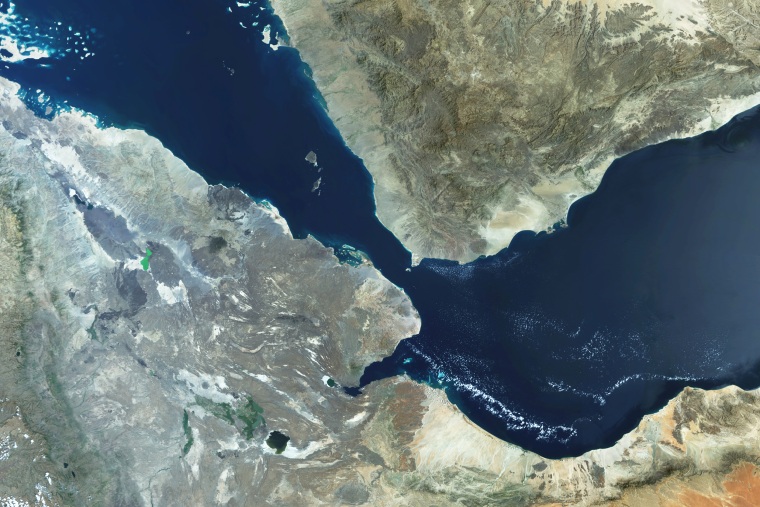
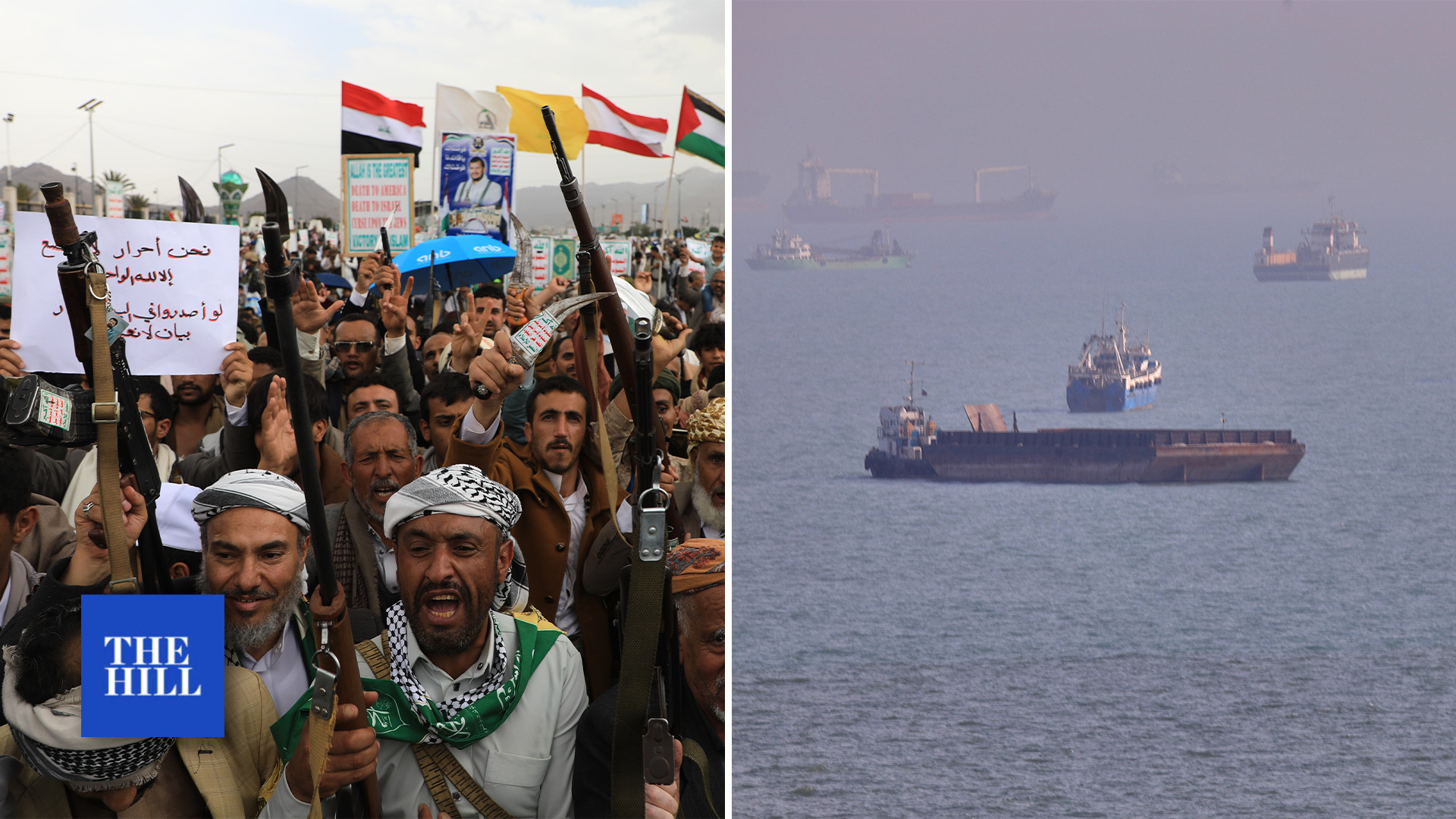
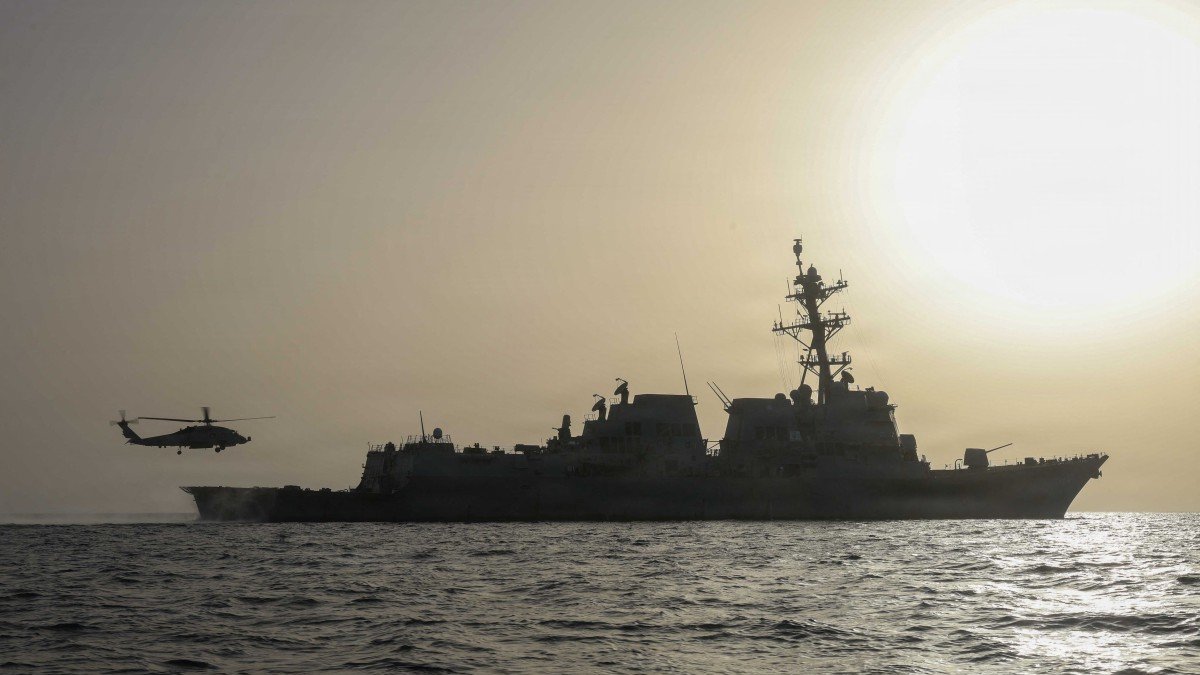
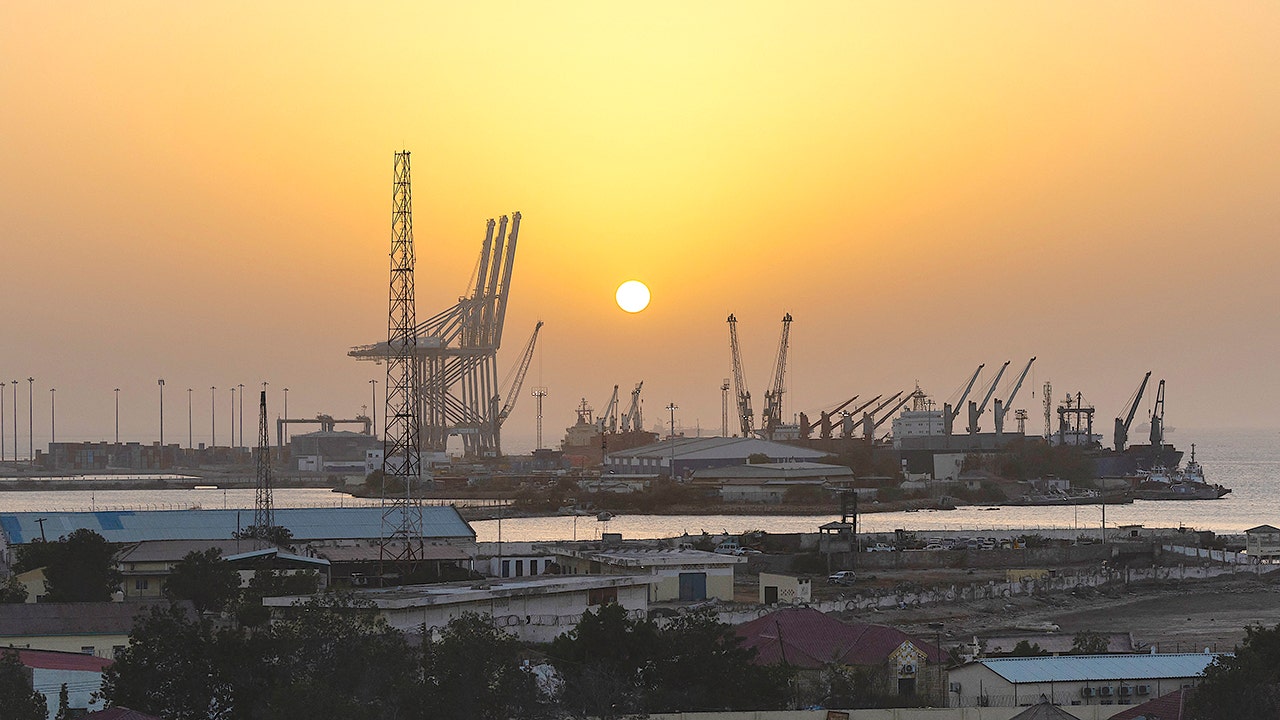
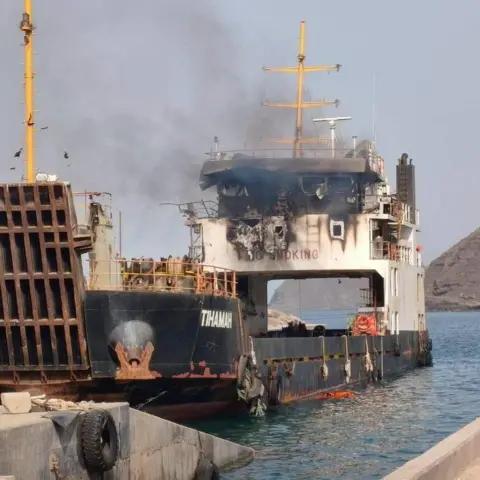
The escalating Iran-US military conflict has created a critical logistics crisis for cross-border e-commerce sellers. The Strait of Hormuz—which handles 20% of global oil trade pre-conflict—now sees only 6 vessels daily compared to pre-war levels of 130-140 ships, representing a 95% traffic collapse. Simultaneously, the Bab el-Mandeb Strait (Red Sea) has experienced a 50% decline in passage from 50 to 32 ships daily following Houthi attacks that killed 6 crew members on August 13 and resulted in the first fatalities from Red Sea shipping in over a year. These two critical maritime chokepoints control approximately 30% of global seaborne trade, making this disruption catastrophic for sellers relying on Asian manufacturing and Middle Eastern sourcing.
Immediate freight cost impact: Sellers shipping from China, Vietnam, and India to US/EU markets via these routes face 40-60% freight premium increases. Ocean freight rates from Shanghai to Rotterdam have surged from $3,500-4,200/TEU to $5,200-6,800/TEU, with some carriers implementing emergency surcharges. The International Energy Agency reports oil inventories plunged 2.2 million barrels daily, with global stocks falling below 7.9 billion barrels for the first time since April 2025—driving fuel surcharges that compound shipping costs. Brent crude futures rose $7/barrel in one week, reaching $89.44/barrel, directly translating to 15-25% increases in bunker fuel charges passed to shippers.
Supply chain routing alternatives: Sellers must immediately evaluate rerouting through the Cape of Good Hope (South Africa), adding 10-14 days transit time and $800-1,200/TEU additional cost, or shifting sourcing to Mexico/Central America (reducing Asia dependency by 20-30%). The blockade is forcing a strategic sourcing shift: sellers with flexible supply chains are accelerating nearshoring to Mexico (electronics, apparel, home goods) and India (textiles, pharmaceuticals, consumer goods). Small-to-medium sellers (SMBs) with 500-5,000 monthly units face the most acute pressure—they lack negotiating power with carriers and cannot absorb 40-60% freight increases without margin compression of 8-15%. Large sellers (10,000+ units/month) are securing long-term contracts at 20-30% premiums, locking in rates before further escalation.
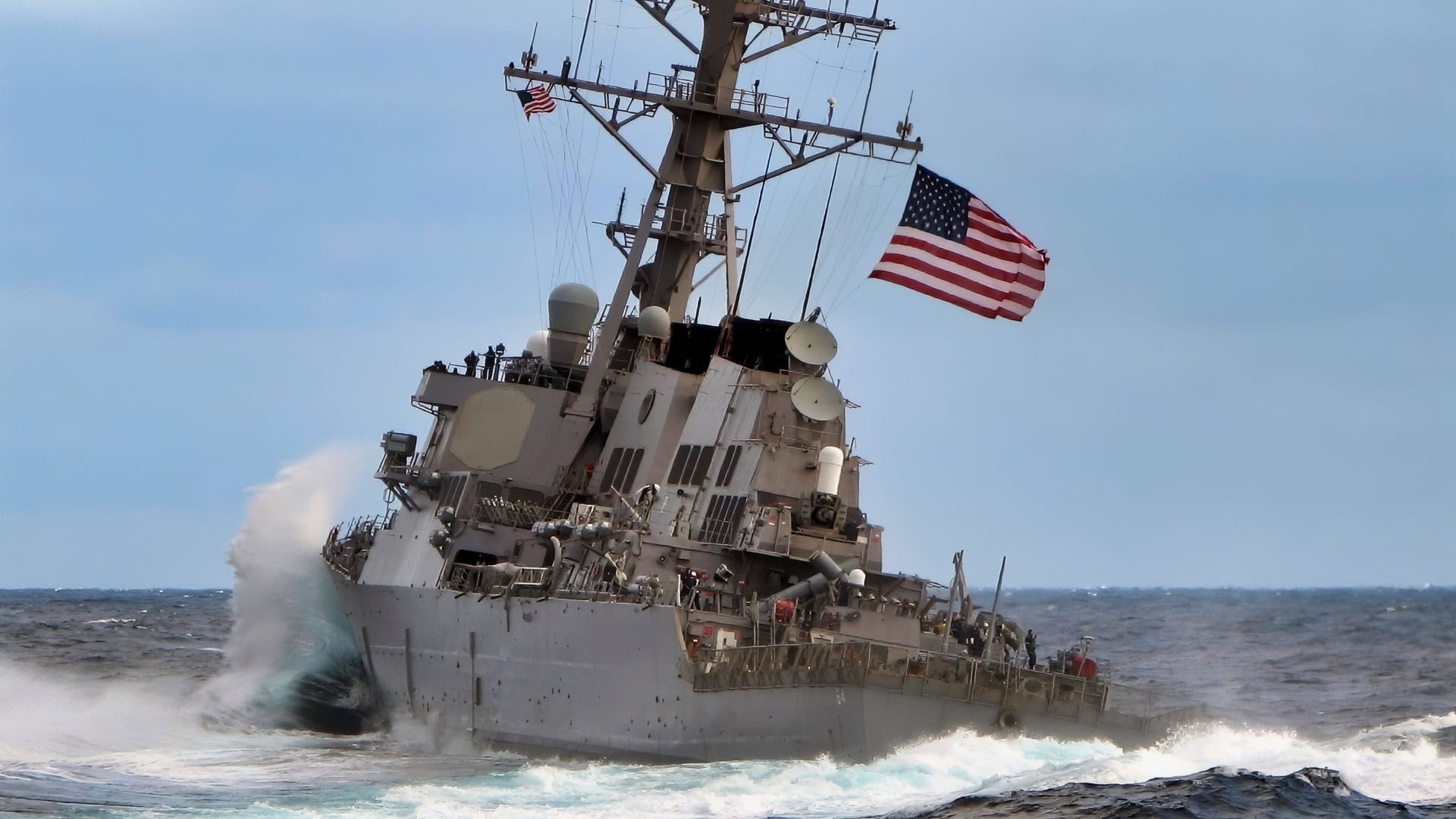
Compliance and insurance complexity: The US Navy has disabled 12 vessels since April and 3 since July 14 for attempting to breach the Iranian port blockade. Sellers must verify carrier compliance with US sanctions enforcement—non-compliant shipments face seizure, 180-day delays, and potential $50,000+ penalties. Insurance premiums for Red Sea/Hormuz routes have tripled from 0.5-0.8% to 1.5-2.4% of cargo value. The geopolitical situation shows no near-term resolution: Iran's top adviser suggested prolonging hostilities until Trump leaves office, and diplomatic efforts remain stalled despite a failed June 14-point memorandum of understanding. The Saudi Arabia-Turkey-Pakistan Mecca Joint Defence Agreement (signed August 7) signals regional militarization, not de-escalation, suggesting 6-12 month minimum disruption window.
Questions 8
What immediate actions should I take in the next 30 days?
Priority actions: (1) Audit current shipments in transit through Hormuz/Red Sea—contact carriers for routing confirmation and ETA updates by September 5, 2025; (2) Request freight quotes for Cape of Good Hope routing and nearshoring alternatives by September 10, 2025; (3) Verify 3PL and carrier OFAC compliance and request written confirmation by September 15, 2025; (4) Identify top 100-150 SKUs for continued Asia sourcing and 50-100 SKUs for nearshoring transition by September 20, 2025; (5) Initiate supplier conversations with Mexico and India-based manufacturers for nearshoring contracts by September 25, 2025. Sellers who act within 30 days can lock in freight rates before further escalation and secure nearshoring capacity before competitors. Delaying beyond October 2025 risks 20-30% additional rate increases and 8-12 week supplier lead times.
How do I calculate the true cost impact of Hormuz blockade on my margins?
Calculate using this formula: (New Freight Cost - Old Freight Cost) / (Product Cost + Old Freight Cost) = Margin Compression %. Example: Product costs $10, old freight $2/unit, new freight $3.20/unit (60% increase). Old margin on $20 retail: ($20-$10-$2)/$20 = 40%. New margin: ($20-$10-$3.20)/$20 = 34%, representing 6 percentage point compression. For sellers with 100,000 monthly units, this equals $600,000 annual margin loss. Mitigation: (1) increase retail prices 8-12% (acceptable for categories with <5% price elasticity), (2) shift 30-40% volume to nearshored suppliers, (3) reduce SKU count to focus on highest-margin items. Most sellers can offset 50-70% of freight increases through pricing and sourcing optimization within 60-90 days.