



)
Middle East Oil Crisis Drives Logistics Costs Up 8-15% for Cross-Border Sellers
- Strait of Hormuz disruptions increase shipping expenses; sellers face margin compression across all categories through Q4 2024








Overview
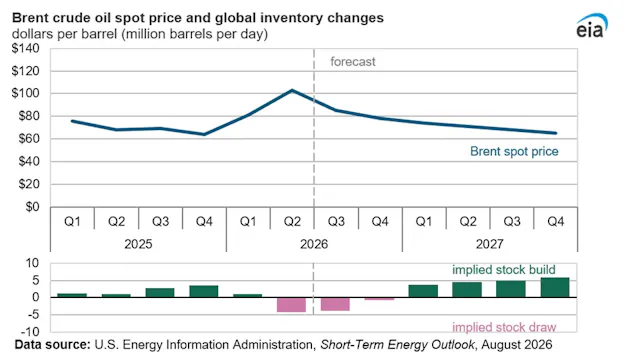
The geopolitical crisis in the Middle East is creating immediate cost pressures for cross-border e-commerce sellers through elevated fuel surcharges and logistics expenses. With Brent crude at $87.66/barrel (down 1.4% but remaining elevated) and West Texas Intermediate at $82/barrel, the underlying supply disruption—6.3 million barrels per day lower year-on-year in July—signals sustained energy cost inflation. The Strait of Hormuz closure, compounded by an 800,000-barrel Russian oil spill near Oman and ongoing vessel attacks in the Red Sea and Gulf of Oman, creates a five-month-old conflict that disrupts energy flows and extends shipping routes. For sellers, this translates directly to increased 3PL fulfillment costs, higher FBA storage fees (as warehouses absorb fuel surcharges), and elevated shipping rates to key markets.
Sellers shipping via air freight face the most acute pressure, with fuel surcharges typically adding 8-15% to base rates during supply-constrained periods. Ocean freight routes rerouting around Africa (avoiding the Suez Canal corridor) add 10-14 days to transit times and 15-25% to shipping costs. Amazon FBA sellers shipping inventory from Asia to US/EU warehouses will see increased inbound logistics costs reflected in their cost-of-goods-sold calculations. Small and medium sellers (SMBs) with thin margins in electronics, home goods, and apparel categories face the greatest compression, as they lack the volume leverage of large brands to negotiate fixed-rate shipping contracts. The International Energy Agency's downward demand revision signals prolonged energy cost elevation rather than near-term relief.
Strategic sellers should immediately audit their supply chain positioning and pricing strategies. Those with inventory already in US/EU fulfillment centers have a 4-6 week advantage before new shipments arrive at elevated costs. Sellers should consider: (1) shifting 20-30% of inventory to regional 3PL providers to reduce air freight dependency, (2) increasing product prices 5-8% on high-margin categories (electronics, beauty) while absorbing costs on price-sensitive categories, and (3) accelerating inventory velocity to minimize storage cost exposure. The lack of clarity on Strait of Hormuz reopening (per Christopher Tahir, Exness strategist) suggests this cost environment persists through Q4 2024, making immediate action critical before competitors implement similar adjustments.
Questions 8
Are there compliance or tariff implications from the Middle East oil crisis affecting sellers?
The news mentions the tanker operates under international sanctions, highlighting that geopolitical disruptions can trigger regulatory changes affecting trade routes and tariff classifications. While current tariff rates remain unchanged, prolonged Middle East instability could trigger: (1) sanctions on Russian oil affecting energy costs in EU markets, (2) new customs procedures for Red Sea/Suez Canal routing, and (3) potential tariff adjustments on energy-intensive products (electronics, appliances). Monitor US Trade Representative (USTR) and EU Customs announcements for any tariff modifications related to supply chain disruptions. Ensure your product HS codes and origin declarations are current, as customs authorities may increase scrutiny on shipments rerouting around Africa. Maintain compliance documentation for all shipments, as delays from route changes can trigger demurrage fees and customs holds. Consult with your customs broker quarterly to assess tariff exposure as geopolitical situations evolve.
How do I calculate the true cost impact of oil price increases on my specific products?
Use this formula: (Current Shipping Cost × 1.12) + (Product Weight in lbs × $0.15-0.25 fuel surcharge per lb) = New Total Inbound Cost. For example, a 2-lb product with $5 base shipping cost becomes $5.60 (12% increase) + $0.30-0.50 (fuel surcharge) = $5.90-6.10 total, representing a 18-22% cost increase. The news indicates 6.3 million barrels per day supply deficit, suggesting sustained 10-15% fuel surcharges through Q4 2024. Create a spreadsheet tracking your top 50 SKUs with current inbound costs, projected new costs, current margins, and required price increases to maintain profitability. Update this weekly as fuel surcharges fluctuate with crude prices. Use Amazon's 'Reports' section to export inbound shipment costs and calculate category-level impact. Share this analysis with your sourcing team to identify opportunities for lighter packaging, material substitution, or supplier consolidation to offset cost increases.