



JPY/USD Currency Volatility & BOJ Rate Hikes | Cross-Border Seller FX Risk Guide
- 2-5% intraday yen swings threaten margins for 50K+ Japanese exporters; 76% probability of September 2024 BOJ hike creates $85B intervention precedent














Overview
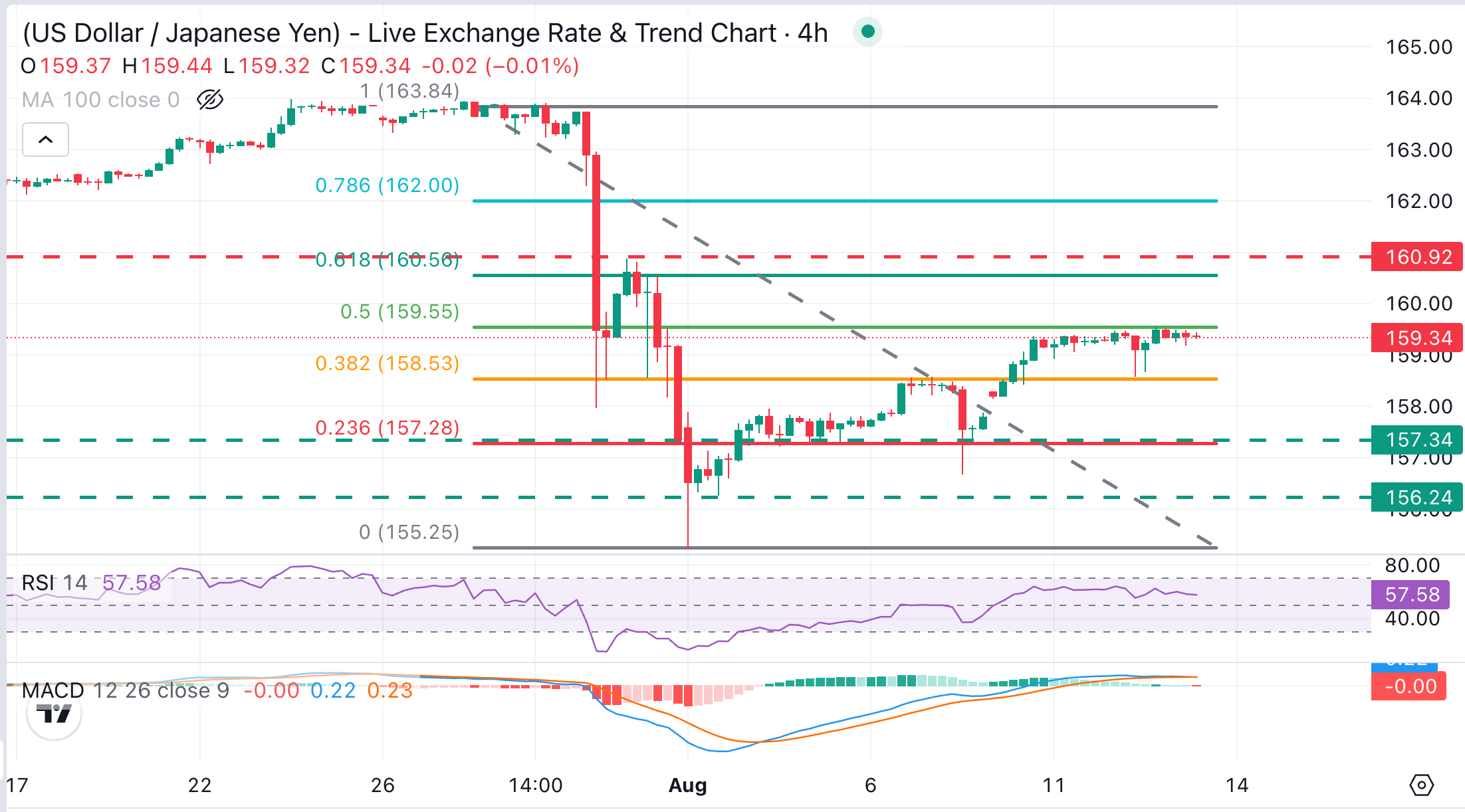
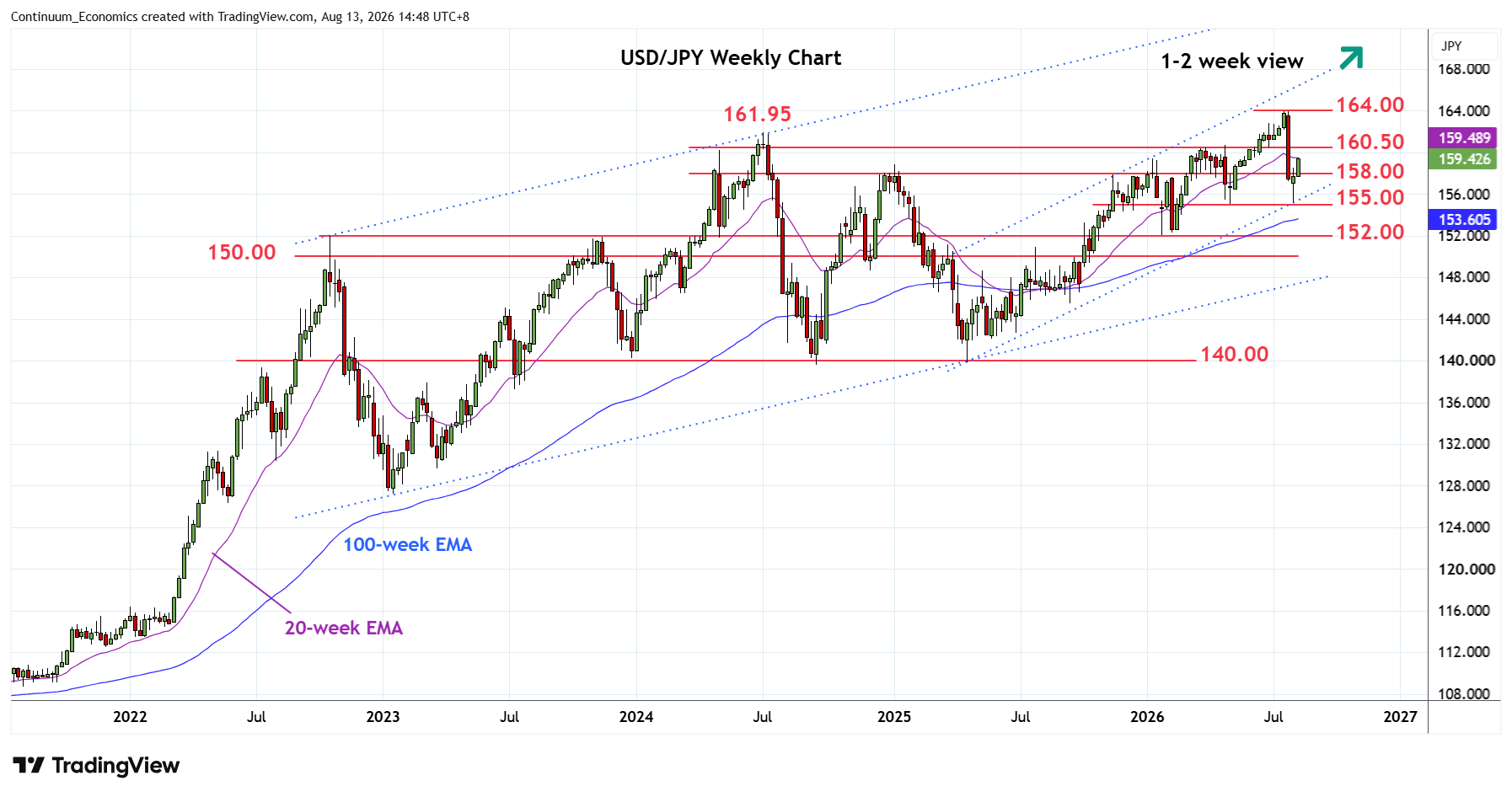
Japan's coordinated $85 billion yen intervention in July 2024—the largest two-day currency operation since 2011—signals sustained government commitment to defending the 160 USD/JPY threshold, directly impacting cross-border e-commerce sellers with JPY-USD exposure. Goldman Sachs analysis confirms Japan holds $1 trillion in foreign currency reserves with $200 billion immediately accessible, enabling "another couple rounds" of interventions at similar scale. The Bank of Japan faces mounting pressure to deliver rate hikes, with market pricing shifting dramatically to 76% probability of a September 2024 hike (up from 24% on July 30), and terminal rate forecasts raised to 1.75% from 1.50%. This creates a critical window for sellers to optimize FX hedging strategies before potential 40 basis points of tightening by year-end.
For Japanese sellers exporting to USD-denominated markets (Amazon US, eBay, Shopify), the current environment presents acute margin compression risk. The yen's 5% temporary strengthening to 155.20 following intervention demonstrates intervention's limited durability—previous solo Japanese actions in April-May 2024 saw the yen return to 40-year lows within months. The fundamental driver remains the carry trade differential: 10-year U.S. Treasury yields at 4.69% versus 2.84% for Japanese government bonds create persistent incentives for holding U.S. debt, structurally weakening the yen. Sellers face 2-5% intraday volatility around the 160 level, with options market pricing showing elevated premiums on short-dated yen calls, indicating trader expectations for sharp movements. A missed September BOJ rate hike would constitute a "market betrayal" per analyst consensus, triggering renewed yen weakness and higher long-term bond yields—compounding cost pressures for Japanese importers sourcing from USD-priced suppliers.
Immediate financial optimization opportunities exist across three dimensions: (1) Payment routing: Sellers should lock in forward FX contracts now at current 159-160 levels before potential yen strengthening from BOJ hikes; (2) Working capital acceleration: Invoice financing providers (Mizuho, SMBC, Rakuten Trade Finance) are offering enhanced terms for USD-denominated receivables, with 2-3% discounts for early settlement; (3) Financing access: Japan's new FIMA repo facility enables dollar borrowing against Treasury holdings, unlocking liquidity for sellers needing USD working capital without selling yen at unfavorable rates. The 1-3 month horizon before September BOJ decision creates a critical decision window—sellers should implement dynamic pricing models that adjust USD list prices weekly based on JPY/USD spot rates, protecting 3-8% margin bands. Regional banking advantages favor sellers with HK or SG entities, which can access lower-cost USD funding (50-100 bps cheaper than Japan-based borrowing) and benefit from faster settlement on cross-border payments via SWIFT corridors optimized for Asia-Pacific trade.
Questions 8
What are the risks if the Bank of Japan misses the September rate hike?
A missed September BOJ rate hike would constitute a 'market betrayal' per analyst consensus, triggering renewed yen weakness and higher long-term bond yields. Market pricing currently assigns 76% probability to a September hike; if this fails to materialize, the yen could weaken another 3-5% toward 165-170 levels, creating severe margin compression for Japanese exporters. Higher long-term bond yields would increase borrowing costs for sellers seeking working capital financing, with corporate loan rates potentially rising 50-100 bps. Sellers should prepare contingency plans: (1) accelerate USD receivables collection before a potential miss; (2) lock in forward FX contracts immediately at current 159-160 rates; (3) reduce JPY-denominated debt exposure by refinancing into USD at current rates. The risk window is 1-3 months until the September BOJ decision—sellers should treat this as a critical decision point for implementing hedging strategies and working capital optimization.
Should Japanese sellers adjust inventory or pricing strategy now?
Yes—Japanese sellers should implement dynamic pricing models immediately that adjust USD list prices weekly based on JPY/USD spot rates, protecting 3-8% margin bands. With 76% probability of a September BOJ rate hike and potential 40 basis points of tightening by year-end, the yen could strengthen 2-5% over the next 3 months, compressing margins if prices remain static. Sellers should also accelerate inventory turnover by offering promotional pricing on slow-moving SKUs before potential yen strengthening increases holding costs. For sellers with 30-60 day cash conversion cycles, locking in forward FX contracts now at 159-160 levels protects against margin compression. The 2-5% intraday volatility around the 160 level creates opportunities for tactical pricing adjustments—sellers can raise USD prices by 1-2% during yen weakness windows and lower them during strength windows, capturing 50-100 bps of additional margin. This strategy requires daily monitoring of JPY/USD spot rates and BOJ policy signals.