

Tariff Refunds & Budget Crisis Create $250B Customs Revenue Gap | Cross-Border Seller Opportunities
- Supreme Court strikes down emergency tariffs, triggering $100B refund wave; new 10-12.5% duties on 60 trading partners create tariff arbitrage windows for sellers importing from Vietnam, India, Mexico



















Overview
The U.S. Supreme Court's decision to strike down President Trump's 2025 emergency tariffs has created a seismic shift in cross-border e-commerce tariff dynamics. The Treasury processed approximately $100 billion in tariff refunds through July 2026, with customs receipts turning negative for three consecutive months ($8.55 billion outflow in July alone). This represents a $250 billion shortfall in projected full-year customs duty collections compared to February forecasts. However, this crisis simultaneously creates unprecedented tariff arbitrage opportunities for cross-border sellers.
The Tariff Refund Windfall & Seller Implications: Sellers who imported goods under the now-illegal emergency tariffs are receiving refunds on duties paid between 2025-2026. This creates immediate cash flow relief for importers of electronics, apparel, home goods, and consumer products. The refund processing through Customs and Border Protection provides a 2-3 month window where sellers can reinvest recovered capital into inventory before new tariff regimes stabilize. For Amazon FBA sellers importing from China, this represents potential margin recovery of 5-8% on previously tariffed SKUs.
New Tariff Structure & Strategic Sourcing Shifts: The Trump administration's new 10-12.5% duties on 60 major trading partners covering 99% of U.S. imports create a critical sourcing decision point. Sellers must now evaluate tariff-efficient sourcing corridors: Vietnam (electronics, apparel), India (textiles, home goods), Mexico (consumer products, automotive parts), and Indonesia (furniture, home décor). The tariff rate differential between China (10-12.5%) and alternative suppliers creates 2-4% margin improvement opportunities for sellers willing to diversify sourcing. Categories like consumer electronics, footwear, and home textiles show the highest tariff sensitivity.
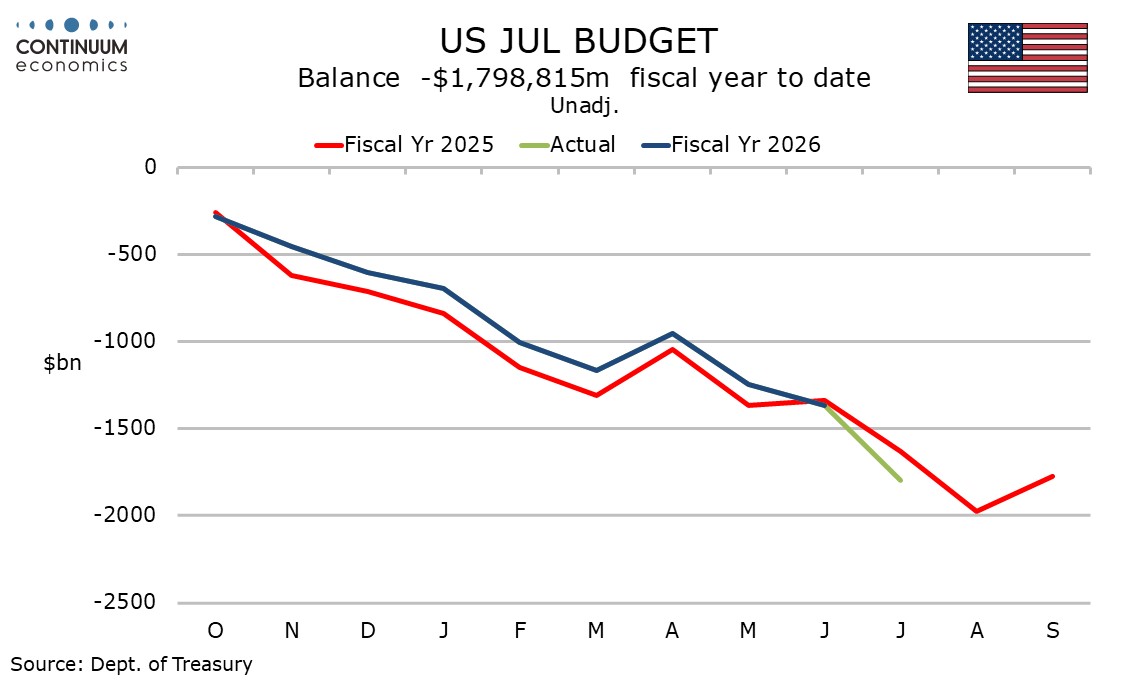
Market Access & Competitive Dynamics: The Congressional Budget Office's $250 billion customs revenue projection miss signals potential policy instability through end of 2026. This uncertainty benefits large sellers with diversified sourcing (Amazon, Walmart, Alibaba sellers with multi-country operations) over single-source importers. Mid-market sellers (annual imports $2-10M) face a 60-90 day window to lock in alternative sourcing before tariff rates potentially increase further. The fiscal deficit crisis ($1.799 trillion through 10 months of FY2026) may pressure Congress to increase tariff rates as revenue replacement, creating urgency for sourcing optimization before Q4 2026.
Compliance & Timing Windows: Sellers must file tariff refund claims through CBP before statute of limitations expire (typically 3 years from entry). The current refund processing backlog (only $166 billion collected vs. $100 billion refunded) suggests 4-6 month processing delays. Sellers should document all tariff payments from 2025-2026 and file claims immediately to capture refunds before budget pressures force policy reversals. The 10-12.5% new tariff structure appears stable through 2026, providing a 6-month planning window for sourcing optimization.
Questions 8
What is the impact of the $1.799 trillion fiscal deficit on cross-border seller costs?
The U.S. fiscal deficit reached $1.799 trillion through 10 months of FY2026 (exceeding entire FY2025 deficit of $1.775 trillion), creating fiscal pressure that may force tariff rate increases as revenue replacement. The $250 billion customs revenue shortfall signals Congress may raise tariff rates from current 10-12.5% levels to offset budget deficits. Sellers should expect potential 2-3% tariff rate increases in Q4 2026 or early 2027. This creates urgency for sourcing optimization and inventory positioning before rates increase; sellers should lock in alternative supplier agreements within 60-90 days.
How should mid-market sellers prioritize sourcing decisions given tariff uncertainty?
Mid-market sellers ($2-10M annual imports) should execute a three-phase strategy: (1) Immediate (0-30 days): File all tariff refund claims and recover 5-8% margins on 2025-2026 imports; (2) Short-term (30-90 days): Evaluate Vietnam, India, Mexico sourcing for top 20 SKUs by volume, targeting 2-4% margin improvement; (3) Medium-term (90-180 days): Diversify sourcing across 2-3 countries to hedge against further tariff increases. The $250 billion customs revenue shortfall creates 6-month window before Congress potentially increases rates. Sellers delaying sourcing optimization risk 3-5% margin compression in Q4 2026.