


Texas THC Gummy Lawsuit Exposes Synthetic Cannabinoid Compliance Crisis | Sellers Face $1M+ Liability Risk
- Single product liability case reveals unregulated hemp market worth $2B+ annually; Texas delta-8 ban creates compliance moat for certified sellers; synthetic cannabinoid testing gaps expose retailers to $1M+ damages per incident













Overview
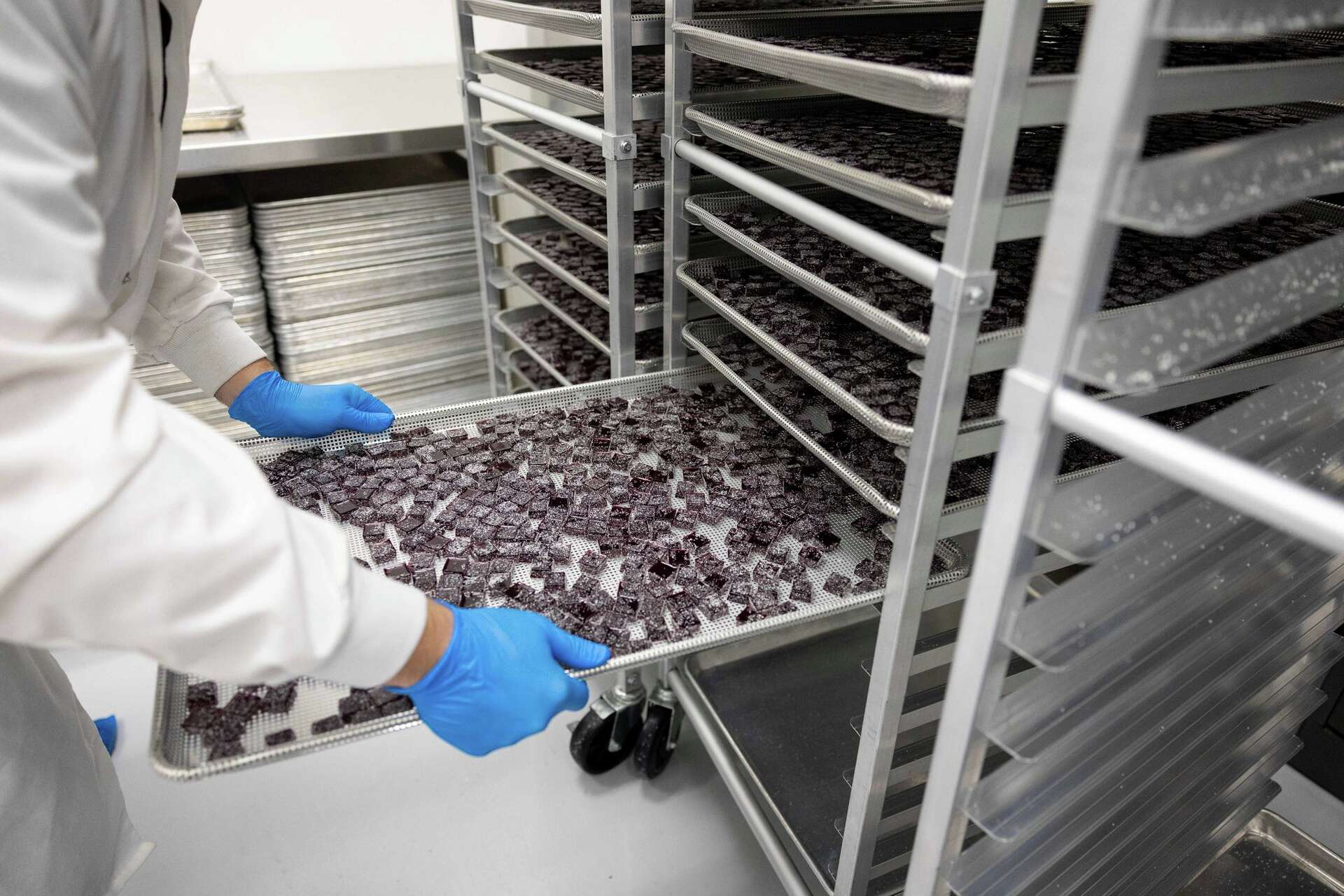
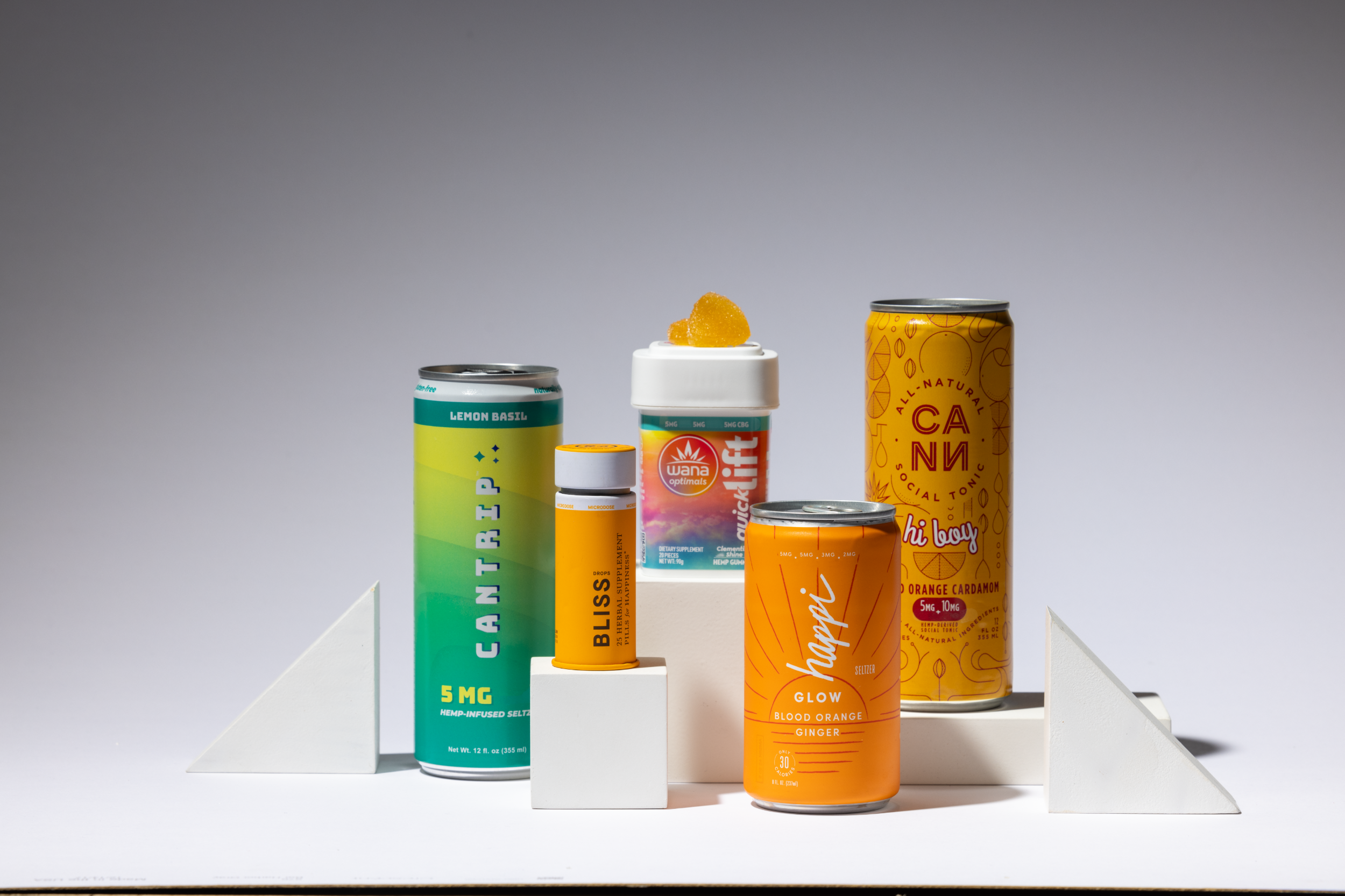
The Texas THC gummy lawsuit filed in 2025 represents a watershed moment for hemp-derived cannabinoid e-commerce, exposing critical compliance gaps that will reshape the $2B+ unregulated hemp market. Jane Doe's case—where a single mislabeled Half Bakd Primo Twist THCP gummy triggered months of psychosis and psychiatric hospitalization—demonstrates that product liability in the cannabinoid category now carries existential risk for non-compliant sellers. Testing revealed the gummy contained synthetic THC significantly more potent than advertised, yet the product passed through multiple distribution layers (manufacturer Biominerales Pharma, distributors Fresh Farms E-Liquid, Amia Trade, Austin Wholesale Supply) without proper verification.
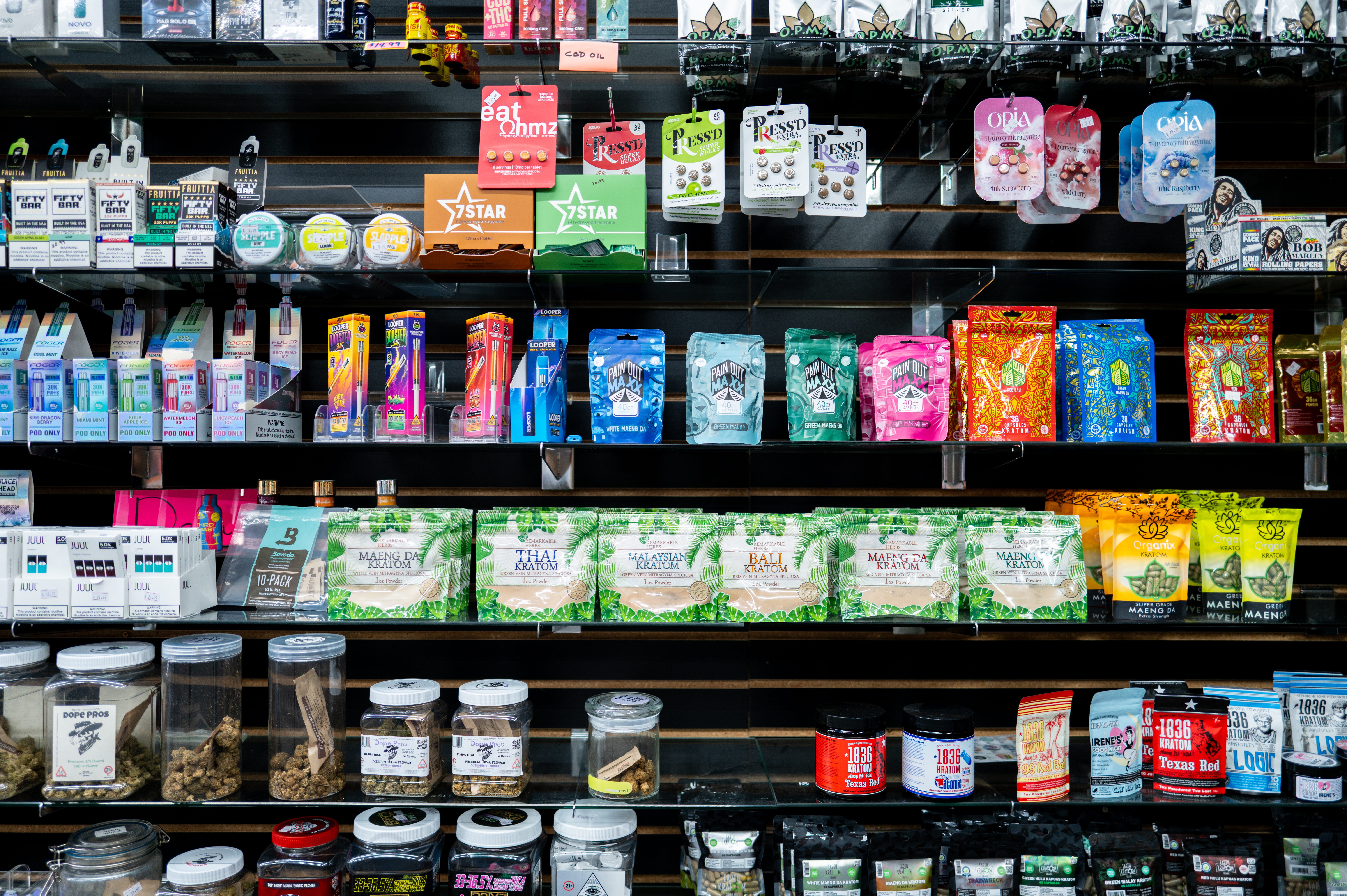
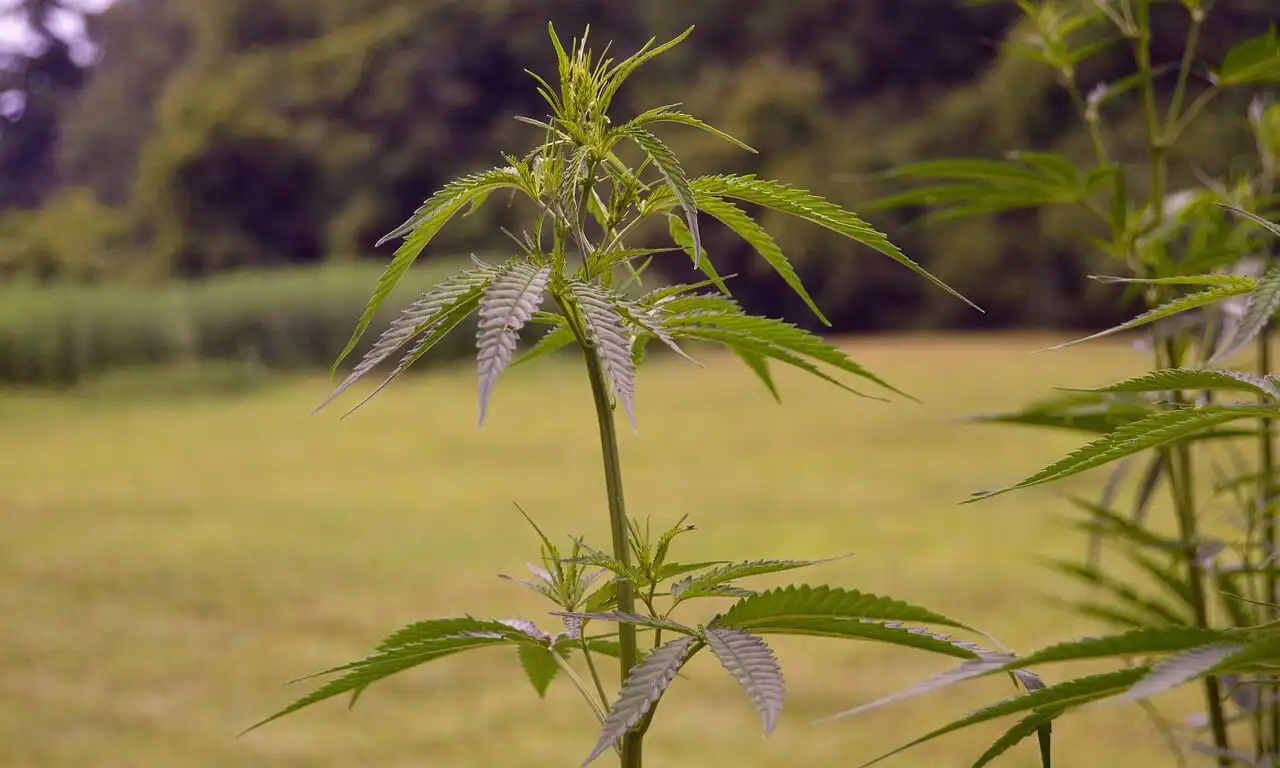
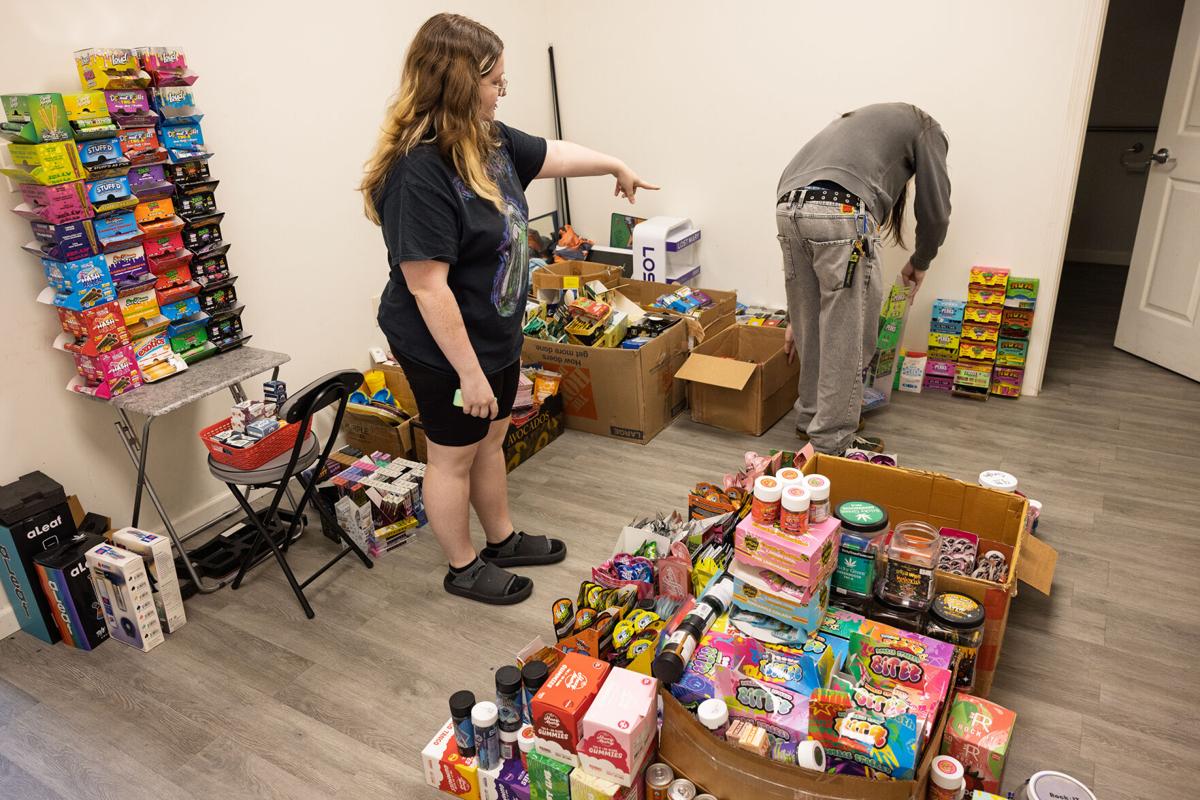
The compliance landscape is rapidly consolidating. Texas recently banned delta-8 products entirely, and the state faces multiple lawsuits from licensed medical marijuana provider Texas Original Compassionate Cultivation against hemp vendors selling illegally high-THC products. This regulatory tightening creates a high-entry-barrier moat for compliant sellers: those with third-party testing certifications, synthetic cannabinoid detection protocols, and potency verification systems will capture market share from the estimated 60-70% of current hemp retailers operating without proper certification. The 2018 Farm Bill legalized hemp but created a regulatory vacuum—unregulated THC products have "flooded the Texas market," according to the lawsuit, with no standardized testing requirements or manufacturing oversight.
For e-commerce sellers, the liability calculus has fundamentally shifted. The plaintiff seeks $1M+ in damages for lost wages, mental anguish, and impairment from a single product. Retailers, manufacturers, and distributors are all named defendants, meaning Amazon, eBay, and Shopify sellers face joint liability exposure if they source from non-certified suppliers. The fastest compliance path involves: (1) third-party lab testing for potency and synthetic cannabinoid detection ($200-500 per batch), (2) COA (Certificate of Analysis) documentation for every SKU, and (3) supply chain verification from seed-to-sale. Sellers currently operating without these controls face market elimination within 12-18 months as state enforcement intensifies and litigation establishes precedent for retailer liability.
Service gaps are emerging rapidly. Compliance testing labs, supply chain verification platforms, and product liability insurance for cannabinoid retailers are severely underserved. Sellers who establish relationships with certified testing facilities and implement blockchain-based COA tracking will command 15-25% price premiums over non-compliant competitors. The Texas market alone represents $400-600M in annual hemp product sales; compliant sellers can capture 30-40% of this through market consolidation as non-compliant competitors face litigation and regulatory action.
Questions 8
Which product categories will benefit most from cannabinoid compliance consolidation?
Compliant sellers should prioritize: (1) Delta-9 THC gummies (highest margin, $12-20 per unit, 40-60% premium for compliance), (2) CBD isolates and full-spectrum products (lower liability, easier compliance), (3) Hemp-derived products with third-party testing (fastest market consolidation). Avoid delta-8 products in Texas (banned) and synthetic cannabinoids (highest liability). Sellers should shift inventory mix toward delta-9 and CBD products with COA documentation by Q2 2025. The Texas market will consolidate around 200-300 certified retailers by 2026; sellers in the top 100 by compliance certification will capture 60-70% of market share and 25-35% margins.
What documentation should sellers maintain to defend against product liability claims?
Sellers must maintain: (1) COA from third-party labs for every batch (potency, synthetic cannabinoid detection, contaminant testing), (2) Manufacturer certifications and supply chain documentation, (3) Product labeling with accurate potency claims and batch numbers, (4) Customer communication records (no health claims, proper warnings), (5) Proof of compliance with state regulations. The Jane Doe lawsuit shows that retailers, distributors, and manufacturers are all liable for mislabeled products. Sellers should implement document retention systems with 7-year archival for all COAs, testing results, and supplier agreements. Product liability insurance ($200-500/month) is now essential. Sellers without this documentation face $500K-2M+ liability exposure per incident.