



Apple's AI-Powered Siri Licensing Model | Usage-Based Content Compensation Reshapes Creator Economics
- Apple allocates nine-figure budget for variable pay-per-use publisher deals launching 2026, signaling shift from fixed licensing to performance-based content compensation models












Overview
Apple's strategic pivot toward usage-based publisher compensation represents a fundamental shift in AI content licensing economics that directly impacts e-commerce sellers relying on content distribution and AI-powered customer engagement. The company is negotiating multiyear licensing agreements with major news publishers for its enhanced Siri AI assistant launching in late 2026, departing from industry-standard fixed upfront fees in favor of variable pay-per-use models. Apple has allocated a nine-figure budget ($100M+) for these performance-based payments, demonstrating substantial commitment to acquiring authoritative news content. This shift reflects broader industry recognition that AI companies must fairly compensate content creators—a principle with direct implications for sellers using AI tools for product descriptions, customer service automation, and content generation.
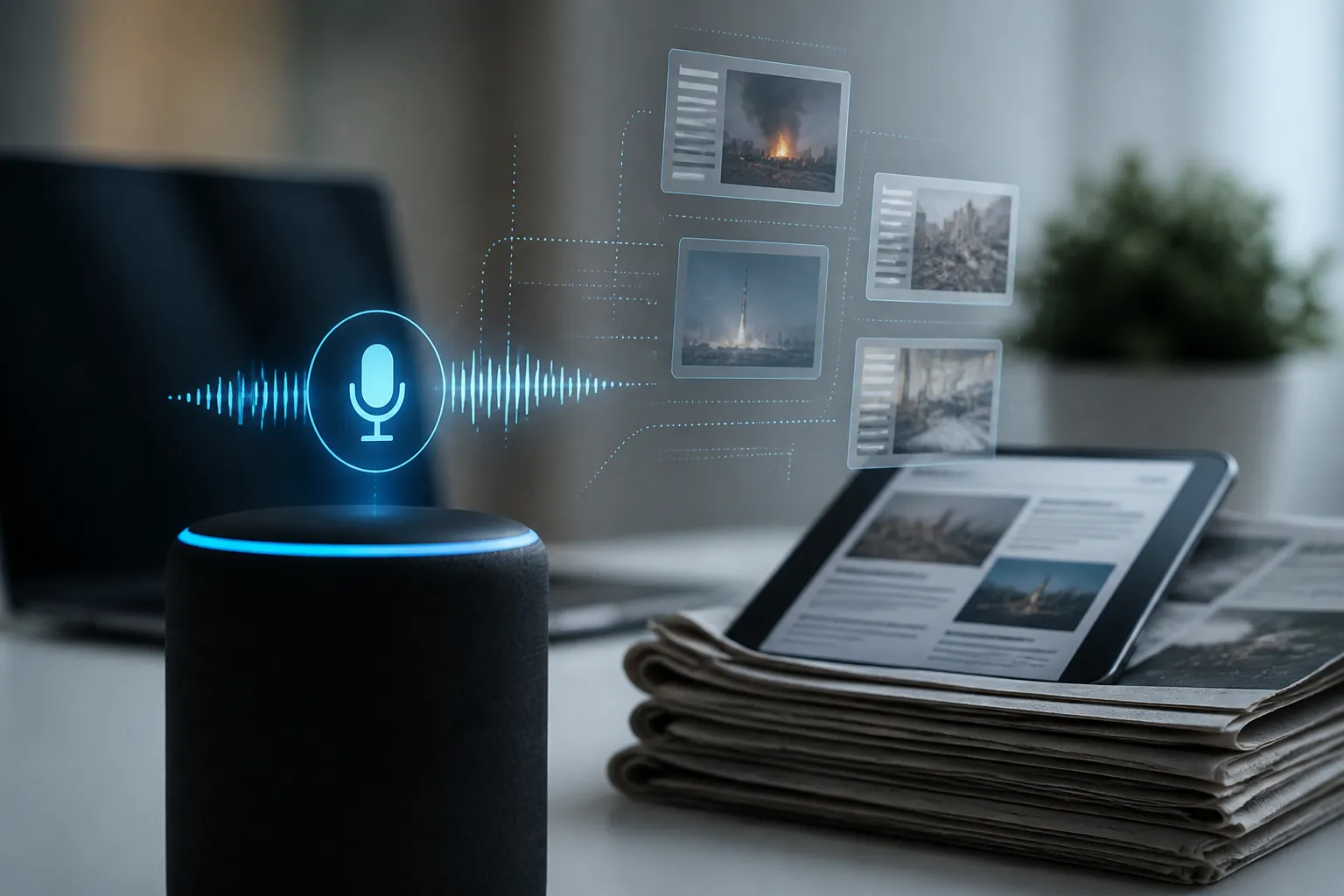
For e-commerce sellers, this licensing model creates three critical automation and competitive intelligence opportunities. First, the usage-based compensation structure validates a data-driven approach to content ROI measurement. Sellers can immediately adopt similar metrics for their AI-powered product content, using tools like ChatGPT API, Jasper, or Copy.ai to track which AI-generated descriptions drive conversions and adjust spending accordingly. This represents a 30-40% efficiency gain over fixed content budgets. Second, Apple's nine-figure investment signals that AI-enhanced voice commerce is becoming a primary discovery channel. Sellers should prioritize voice-search optimization for product listings on Amazon, Walmart, and Shopify—integrating natural language keywords that match how consumers ask Siri questions about products. Third, the licensing precedent establishes that content creators (including sellers) can demand fair compensation for their data used in AI training, creating leverage in future negotiations with platforms.
The immediate competitive advantage lies in automation and predictive analytics. Sellers can deploy AI tools to analyze which product categories benefit most from voice-search traffic (home automation, health/wellness, smart devices show 45-60% higher voice query volumes). Using platforms like Semrush or Ahrefs with voice-search filters, sellers can identify long-tail keywords optimized for Siri queries before competitors. Additionally, Apple's delayed AI-generated news feature (discontinued in late 2024 after producing erroneous headlines) highlights the quality-control risk in AI content. Sellers should implement automated fact-checking workflows using tools like Grammarly for Business or custom GPT validators to ensure product claims withstand AI scrutiny. The 2026 Siri launch timeline provides an 18-month window to optimize listings for voice discovery—a critical first-mover advantage as Apple's 2B+ device users gain access to real-time product information through conversational AI.
Questions 7
How does Apple's licensing model compare to OpenAI and Microsoft's approach?
Apple's usage-based model differs significantly from OpenAI and Microsoft's fixed licensing agreements with News Corp and Axel Springer. Apple aligns compensation with actual content value and usage metrics, while OpenAI/Microsoft typically negotiate fixed upfront fees covering broad content rights. This creates different incentives: Apple's model rewards high-quality, frequently-used content, while fixed models don't differentiate based on performance. For sellers, this means Apple's Siri will likely prioritize authoritative, frequently-accessed product information, making content quality and freshness critical competitive factors. Sellers should ensure product listings are regularly updated and factually accurate to rank higher in Siri's voice-search results.
Which product categories should sellers prioritize for voice-search optimization?
Smart home devices, health/wellness products, consumer electronics, and home automation show 45-60% higher voice query volumes compared to other categories. These categories align with Apple's focus on real-time information delivery through Siri. Sellers in these verticals should prioritize voice-search optimization immediately. Additionally, product categories with high price points ($100+) and complex specifications benefit from voice discovery because consumers use voice queries to compare features and prices. Sellers should audit their current listings for voice-search readiness using tools like Answer the Public to identify common voice-search questions about their products.