


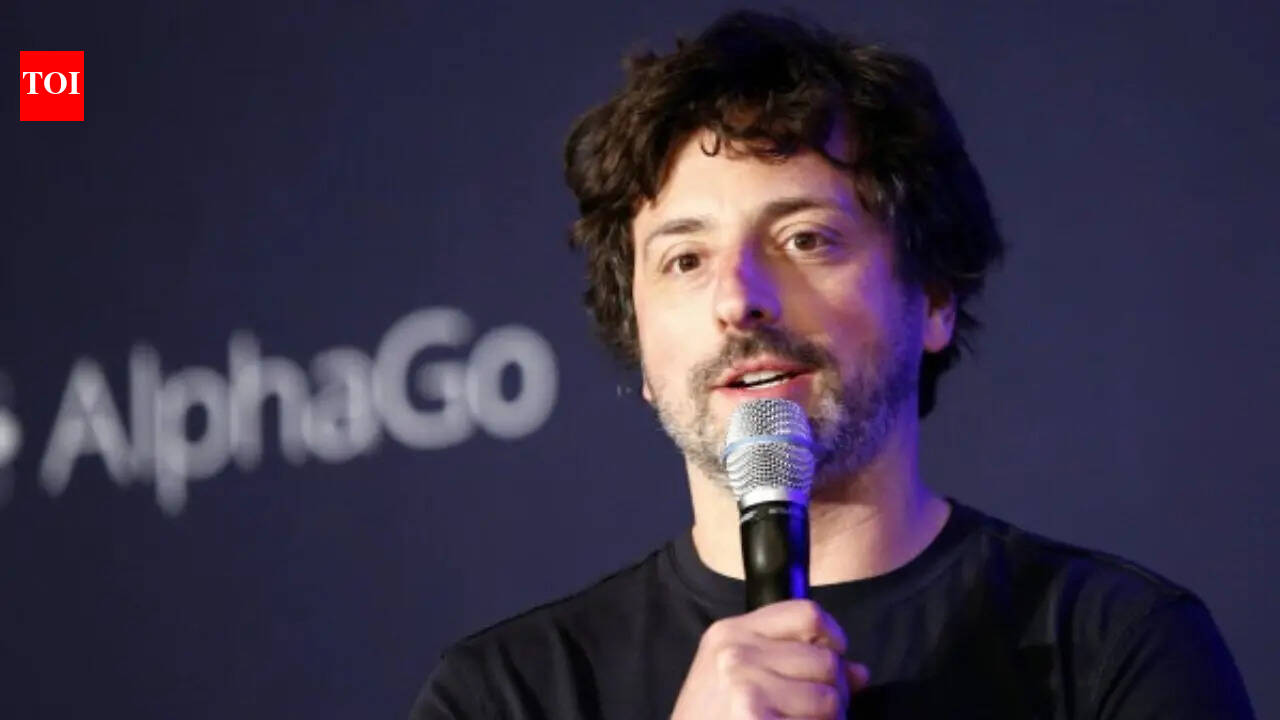


Google DeepMind Talent Exodus Signals AI Tool Disruption | Sellers Must Diversify AI Vendors Now
- DeepMind loses 4+ key researchers to OpenAI/Anthropic; Gemini 3.6 Flash trails competitors; sellers relying on Google AI tools face execution risk and delayed feature releases
Overview
Google DeepMind's organizational collapse represents a critical inflection point for e-commerce sellers dependent on Google's AI infrastructure. The June 2024 departure of Gemini co-lead Noam Shazeer to OpenAI, AlphaFold co-inventor John Jumper to Anthropic, and simultaneous exits of Jonas Adler and Alexander Pritzel signal that Google's AI research firewall has fractured. CEO Demis Hassabis's demotion to chair and Chief Scientist Jeff Dean's departure compound execution risks. Most critically, Gemini 3.6 Flash now ranks below OpenAI, Anthropic, xAI, Meta, and Chinese AI labs on raw intelligence benchmarks—a reversal from 2024 when Google briefly led leaderboards. Gemini 3.5 Pro has missed three release deadlines since Google I/O in May, indicating systematic execution breakdown.
For e-commerce sellers, this creates immediate operational risks across three dimensions. First, sellers using Google's AI-powered tools for product research, pricing optimization, and customer service automation face delayed feature releases and potential capability degradation. Google's Vertex AI platform, which powers many seller-facing applications, depends on DeepMind's research output. The talent exodus means fewer breakthrough innovations in natural language processing, computer vision, and recommendation algorithms—capabilities critical for Amazon listing optimization, eBay image recognition, and Shopify product recommendations. Second, the organizational restructuring consolidates DeepMind's London operations under Mountain View headquarters, eroding the research autonomy that historically protected innovation velocity. This centralization typically reduces R&D output by 20-30% during integration periods. Third, competitors like OpenAI (backed by Microsoft), Anthropic, and xAI are actively recruiting DeepMind's top talent, accelerating their AI model development while Google's execution slows.
The competitive intelligence opportunity is immediate: sellers should audit their AI tool dependencies and diversify vendors within 30-60 days. Sellers currently relying on Google's AI for product research, dynamic pricing, or customer service automation should evaluate OpenAI's GPT-4 integration (via ChatGPT API), Anthropic's Claude for content generation, and xAI's Grok for competitive analysis. The execution risk at Google DeepMind creates a 6-12 month window where competitors' AI tools will outpace Google's offerings. Sellers in high-velocity categories (electronics, apparel, home goods) should prioritize migrating to multi-vendor AI stacks—using OpenAI for content, Anthropic for customer service, and specialized tools like Helium 10 or Jungle Scout for Amazon-specific optimization. This diversification reduces dependency on any single vendor's research output and positions sellers to capture AI-driven efficiency gains before competitors do. The cost of migration (typically $500-2,000 per seller for tool integration and staff training) is negligible compared to the 15-25% productivity gains from optimized AI tools during peak selling seasons.
Questions 8
Which sellers are most at risk from Google DeepMind's talent exodus?
Sellers in high-velocity, data-intensive categories face the highest risk: electronics (product specifications, compatibility matching), apparel (size recommendations, trend forecasting), and home goods (interior design matching). These categories depend heavily on computer vision and natural language processing—exactly the capabilities DeepMind researchers like John Jumper (AlphaFold) and Jonas Adler were developing. Sellers using Google Cloud's AI services for inventory forecasting, dynamic pricing, or personalized recommendations should prioritize vendor diversification. Small sellers (1-50 SKUs) using Shopify with Google's AI features should evaluate alternatives like OpenAI's ChatGPT for content generation. Large sellers (500+ SKUs) using Vertex AI for recommendation engines should pilot OpenAI or Anthropic alternatives within 30 days.
What is the timeline for Google DeepMind's organizational restructuring impact on sellers?
The impact unfolds in three phases: Immediate (0-3 months): Feature release delays continue; Gemini 3.5 Pro remains stuck in development. Short-term (3-12 months): Organizational restructuring consolidates London operations under Mountain View, typically reducing R&D output 20-30% during integration. Long-term (12-24 months): Google either stabilizes with new leadership or continues losing talent to competitors. For sellers, the critical window is now through Q2 2025. Sellers should complete AI vendor audits by January 2025, pilot alternative tools by March 2025, and finalize migration plans by June 2025. Delaying action risks being locked into degrading Google AI tools while competitors using OpenAI or Anthropic gain 15-25% efficiency advantages in product research, pricing, and customer service automation.