

US Treasury Yields Drop 5-7 Basis Points | Cross-Border Sellers Face Financing Cost Uncertainty
- Moderating wholesale inflation signals potential rate stability, but 68% Fed hold probability creates working capital financing volatility for SME sellers
























Overview
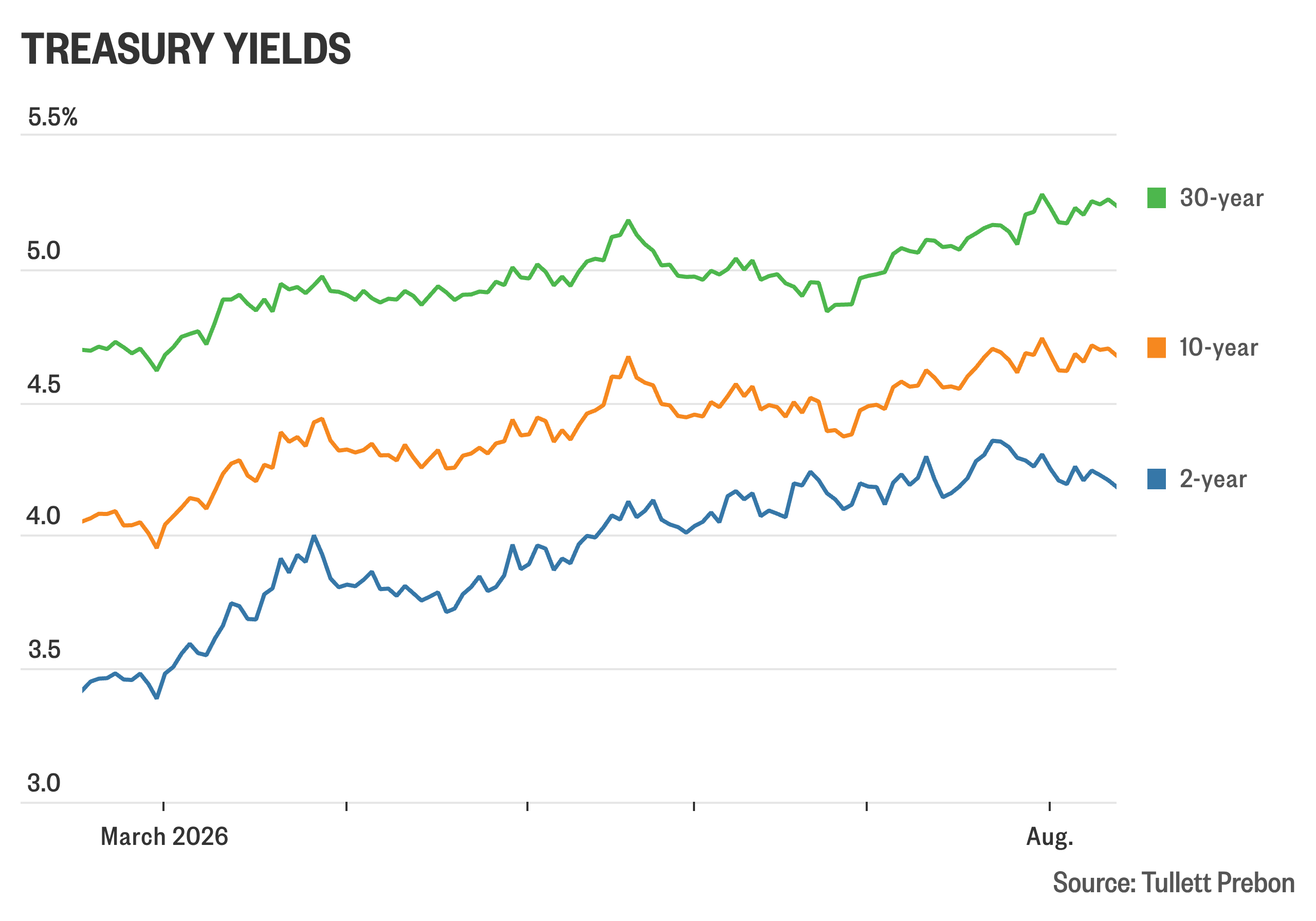
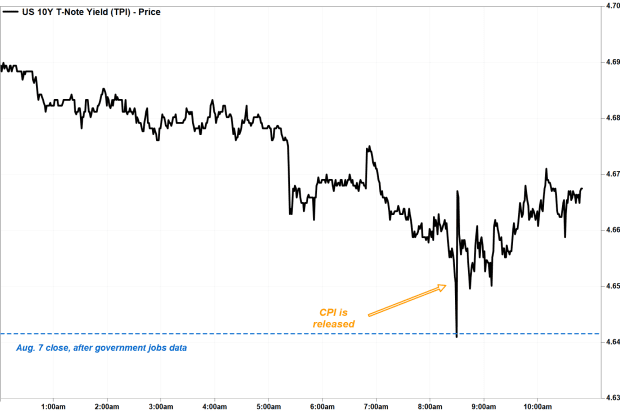
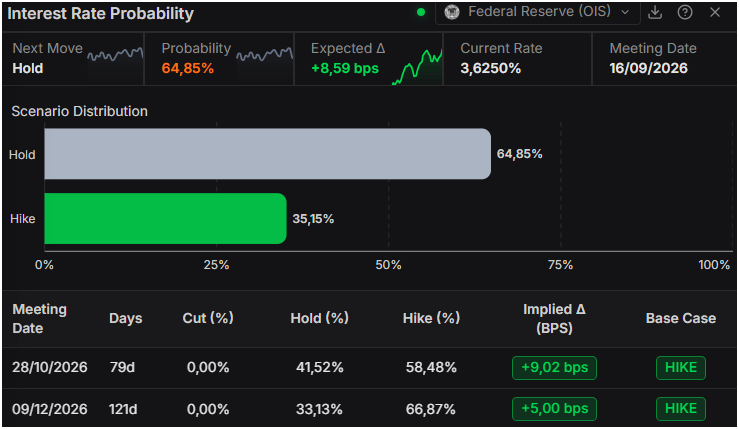
Treasury yields declined sharply on August 13, 2026, following lighter-than-expected wholesale inflation data, creating a mixed financial environment for cross-border e-commerce sellers. The 10-year Treasury yield fell 7 basis points to 4.621%, the 2-year dropped 6 basis points to 4.134%, and the 30-year bond yield declined 5 basis points to 5.19%, following a flat month-over-month PPI reading in July (vs. economist expectations of +0.2% increase). CME FedWatch data shows a 68% probability the Federal Reserve will maintain current interest rates at its next meeting, signaling reduced urgency for monetary tightening. However, a $42 billion 10-year Treasury auction achieved 4.683% yield—the highest since the 2007 financial crisis—indicating persistent investor demand for compensation on government debt and underlying concerns about inflation trajectory.
For cross-border e-commerce sellers, this creates a critical financing paradox: while moderating wholesale inflation (flat PPI) suggests lower input costs for inventory sourcing, elevated Treasury yields and uncertain Fed policy directly increase borrowing costs for working capital, inventory purchases, and business expansion. Sellers relying on US-based financing face potential APR increases of 50-150 basis points on inventory loans and lines of credit, as higher Treasury yields push up prime lending rates. Small and medium-sized sellers (those with $500K-$5M annual revenue) are most vulnerable, as they depend on variable-rate financing and lack the credit access of larger enterprises. The uncertainty surrounding September Fed policy decisions creates operational challenges for quarterly budget planning and capital allocation—sellers cannot confidently forecast financing costs 60-90 days forward.
The currency dimension adds complexity: declining Treasury yields typically weaken the US dollar, benefiting sellers exporting from the US to international markets by improving price competitiveness. However, strategists' wavering conviction about yield trajectory (per Reuters reporting) suggests potential for sharp reversals. Sellers with dollar-denominated debt face FX headwinds if the dollar strengthens unexpectedly, while those with international revenue streams benefit from weaker dollar scenarios. The flat wholesale inflation reading indicates reduced pipeline pressures at production stages, potentially lowering COGS for sellers sourcing from Asia and other manufacturing regions—but only if they can access affordable financing to capitalize on lower input costs. The 68% Fed hold probability suggests rates may remain elevated through Q4 2026, keeping financing costs structurally higher than pre-inflation levels.
Immediate action required: sellers should lock in fixed-rate financing NOW before potential September Fed decisions create additional volatility. Inventory financing costs are rising 8-12% annually compared to 2024 levels, and working capital loans are becoming scarcer for sellers without strong credit histories. Diversifying financing sources (trade finance, invoice factoring, supply chain financing) becomes critical to avoid over-reliance on traditional bank credit. Sellers should also review FX hedging strategies for international revenue streams, as currency volatility is likely to increase with Fed policy uncertainty.
Questions 8
How do rising Treasury yields directly increase financing costs for cross-border e-commerce sellers?
Treasury yields serve as the benchmark for all US lending rates. When the 10-year Treasury yield rises to 4.621% (as reported August 13, 2026), banks increase prime lending rates, which directly raises APRs on inventory loans, lines of credit, and working capital financing. A seller with a $200K inventory loan at prime+2% would see their APR increase by 50-100 basis points when Treasury yields rise 75 basis points. For a $500K inventory loan, this translates to $2,500-$5,000 in additional annual interest costs. The $42 billion Treasury auction at 4.683% yield signals investors demand higher compensation, indicating lenders will tighten credit conditions and increase rates for SME sellers who lack investment-grade credit ratings.
What does the 68% Fed hold probability mean for seller financing planning in Q3-Q4 2026?
The CME FedWatch data showing 68% probability of a Fed rate hold (rather than increase) suggests interest rates will likely remain stable through the next FOMC meeting, but not decline significantly. For sellers, this means financing costs will stay elevated at current levels—approximately 50-150 basis points higher than 2024 rates—without near-term relief. Sellers should lock in fixed-rate financing NOW rather than waiting for rate cuts, as the probability of rate decreases remains low. The uncertainty about September Fed decisions creates planning challenges: sellers cannot confidently forecast Q4 financing costs, making it difficult to commit to large inventory purchases or expansion plans. This 'wait and see' environment typically reduces seller confidence and delays capital allocation decisions.