


Fed Rate Decision Window Aug 12-26 | Critical for Cross-Border Seller Financing
- August economic data releases will determine interest rates affecting working capital costs for 50K+ cross-border sellers; weak jobs report signals potential rate cuts benefiting inventory financing



Overview
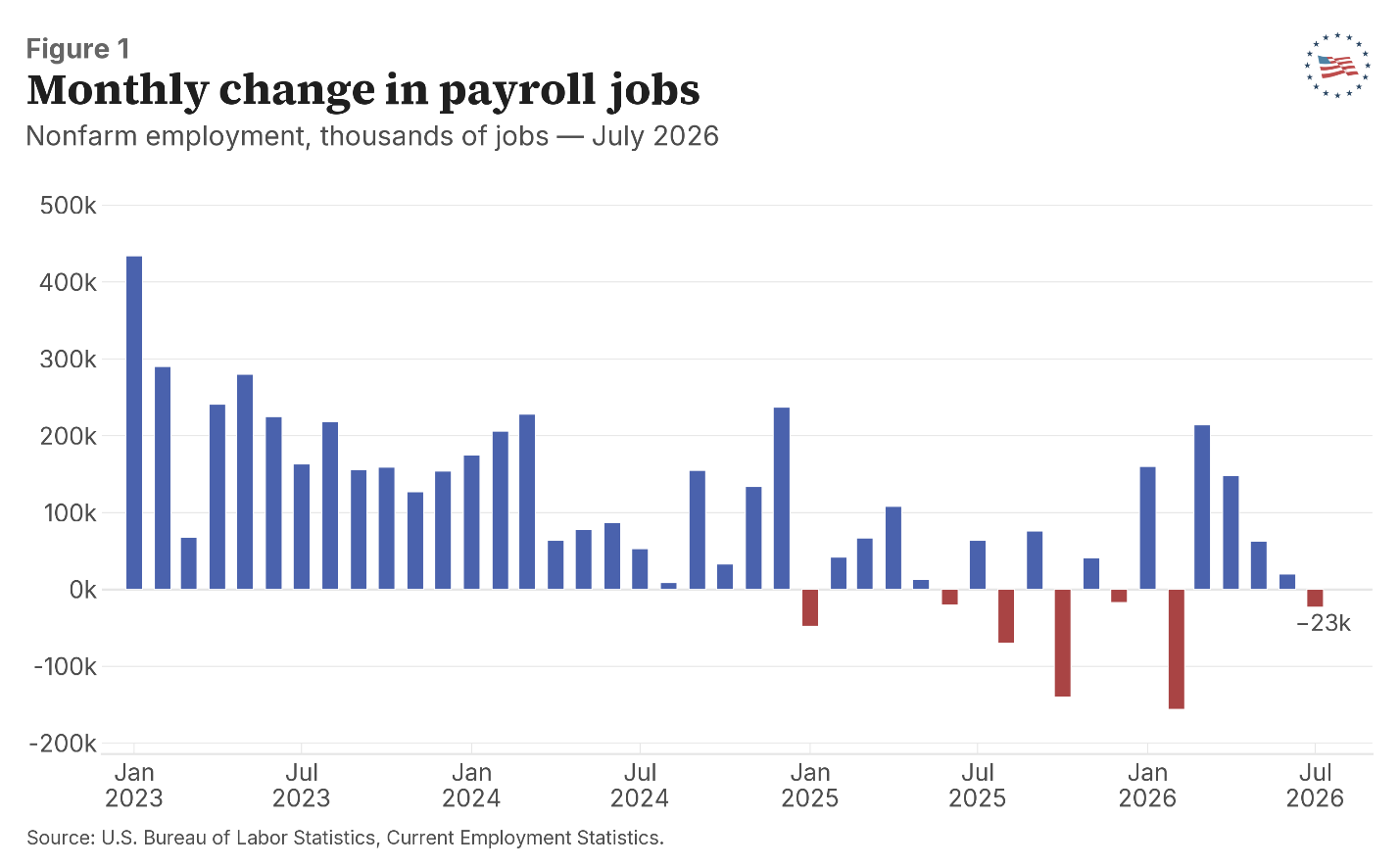
The August 12-26, 2026 economic data window represents a critical juncture for cross-border e-commerce sellers' financing costs and cash flow management. With July's nonfarm payrolls falling 23,000 against forecasts of 83,000 gains—and May/June combined revised down 103,000—the Federal Reserve faces mounting pressure to reconsider its rate trajectory. Three consecutive inflation readings (CPI on August 12, PPI on August 13, retail sales on August 14) will directly influence whether the Fed maintains current rates or shifts toward cuts at the September 15-16 FOMC meeting. For sellers, this timing is critical: rate cuts would immediately reduce borrowing costs for inventory financing, working capital loans, and supply chain financing products that typically carry 8-12% APR premiums over Fed rates.
Payment and Financing Impact: Cross-border sellers relying on invoice factoring, PO financing, and inventory loans face immediate cost implications. Currently, sellers pay 1.5-3% monthly fees on factored invoices (18-36% annualized) plus FX hedging costs averaging 0.5-1.5% on currency conversions. If the Fed cuts rates by 50-75 basis points (likely scenario given weak employment data), financing providers will reduce rates by 25-40 basis points within 2-4 weeks, unlocking $200-500 monthly savings for sellers financing $50K+ monthly inventory. The GDP revision (1.5% annualized, down from 2.1% in Q1) signals economic slowdown, which historically triggers rate cuts within 6-8 weeks—creating a 30-day window for sellers to lock in current financing before rates drop and lenders tighten terms.
Supply Chain Finance Optimization: PPI data on August 13 is particularly relevant for sellers sourcing from Asia and Europe. PPI tracks upstream supply-chain pressures—if inflation remains elevated, shipping costs and component prices stay high, forcing sellers to maintain larger safety stock and increasing working capital needs. Conversely, if PPI shows deflation, sellers can reduce inventory levels and redeploy capital to marketing or new product launches. The weak jobs report (103,000 combined downward revisions) signals consumer spending may soften, reducing demand for discretionary categories (electronics, apparel, home goods) by 5-15% through Q4. Sellers should immediately review inventory composition: shift 20-30% of discretionary stock to essential categories (health, beauty, consumables) that maintain demand during economic slowdowns.
Currency and Payment Routing Optimization: The rate decision window creates FX arbitrage opportunities. If the Fed signals rate cuts, the US dollar typically weakens 2-4% against EUR and GBP within 2-3 weeks. Sellers with EUR/GBP revenue should accelerate conversions to USD before August 26, locking in favorable rates before potential dollar weakness. Simultaneously, sellers with USD costs and foreign revenue should delay conversions—waiting 3-4 weeks could yield 1-2% additional margin on currency pairs. Payment providers like Wise, OFX, and Payoneer typically reduce cross-border fees by 10-15 basis points following Fed rate cuts, as interbank spreads compress. Sellers should monitor these providers' rate cards on August 19 (FOMC minutes release) and August 26 (GDP revision) for immediate fee reductions.
Questions 8
How will the August CPI and PPI releases affect my inventory financing costs?
CPI and PPI data directly influence Fed rate decisions, which cascade to your financing costs within 2-4 weeks. If CPI shows inflation cooling below 3% (likely given weak jobs data), the Fed will signal rate cuts at the September 15-16 meeting, reducing invoice factoring rates from 2.5-3% monthly to 2-2.5% monthly—saving $250-500 monthly on $50K financed inventory. PPI data on August 13 specifically reveals upstream supply-chain cost pressures; if PPI deflates, your component costs may drop 2-5%, reducing working capital needs. Monitor both releases on August 12-13 and contact your financing provider (Clearco, Fundbox, or traditional lenders) on August 19 (FOMC minutes) to lock in rates before they adjust downward.
Should I accelerate or delay my currency conversions before August 26?
The weak jobs report (23,000 payroll decline vs. 83,000 forecast) signals the Fed will likely cut rates, which historically weakens the US dollar 2-4% against EUR and GBP within 2-3 weeks. If you have EUR or GBP revenue, accelerate conversions to USD before August 19 (FOMC minutes) to lock in current rates before dollar weakness. If you have USD costs and foreign revenue, delay conversions 3-4 weeks—waiting until late August or early September could yield 1-2% additional margin. Use payment providers like Wise or OFX that offer rate-lock options for 24-48 hours, allowing you to time conversions around data releases.