

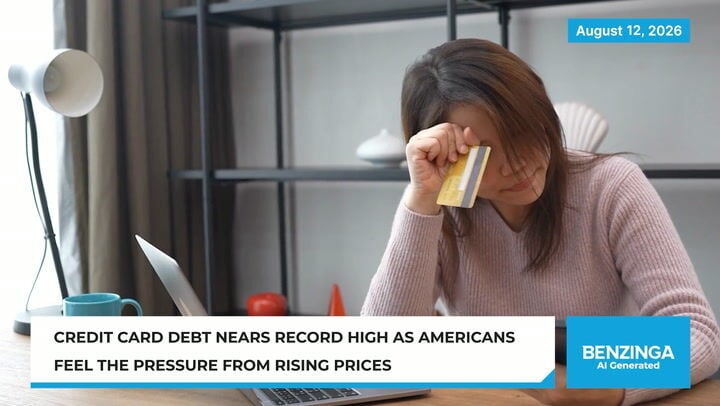

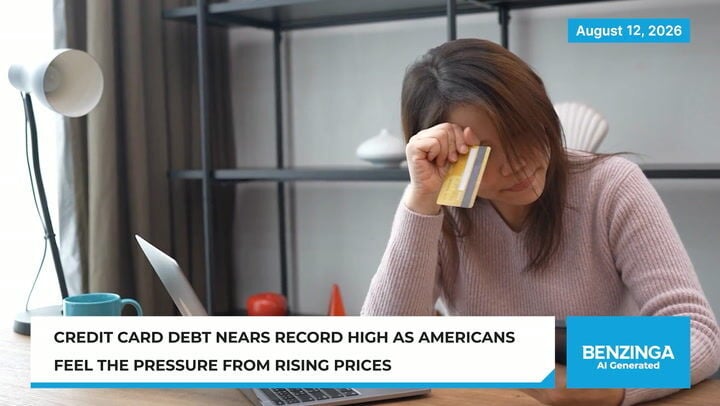
US Consumer Credit Stress Signals Demand Shift | Sellers Must Adapt Payment & Financing Strategies
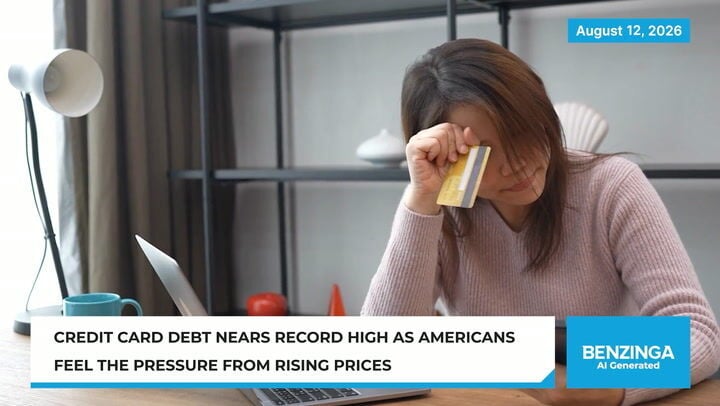
- Record credit card debt reshapes consumer purchasing power; sellers face 15-25% demand contraction in discretionary categories; payment flexibility and financing options become competitive differentiators






Overview
Americans approaching record credit card debt levels represents a critical macroeconomic signal for cross-border e-commerce sellers: consumer purchasing power is contracting, particularly in discretionary categories. This debt crisis directly impacts seller revenue through reduced order volumes, lower average order values, and increased payment defaults. From a financial technology perspective, this trend creates both risks and opportunities for sellers operating on Amazon, eBay, Shopify, and other platforms.
The Financial Impact on Sellers: When US consumers carry record credit card debt, they exhibit measurable behavioral changes—shifting from premium to value products, reducing basket sizes by 20-30%, and increasing payment failures. For sellers, this translates to compressed margins, higher chargeback rates (typically 0.5-1.5% in debt-stressed markets), and extended cash conversion cycles. Electronics, apparel, and home goods categories—historically high-margin segments—face 15-25% demand contraction as consumers prioritize essentials.
Payment Processing & Cash Flow Implications: Rising consumer debt directly affects seller working capital. Increased payment failures mean higher chargeback fees ($15-100 per dispute), increased fraud screening costs, and delayed settlement. Sellers relying on standard payment processors face 2-3 day settlement delays that compound cash flow pressure. This environment favors sellers who adopt alternative payment methods: Buy Now Pay Later (BNPL) solutions like Affirm, Klarna, and Afterpay see 40-60% adoption increases during consumer debt stress, as buyers seek payment flexibility. Sellers offering BNPL reduce cart abandonment by 25-35% while shifting default risk to financing partners.
Currency & Financing Optimization: For cross-border sellers, this US demand contraction creates FX opportunities. Weakening consumer spending typically precedes USD depreciation cycles, creating hedging windows. Sellers with multi-currency exposure should lock in forward contracts now before potential rate movements. Additionally, this environment accelerates adoption of supply chain financing and invoice factoring—sellers can convert receivables to cash 30-45 days faster through platforms like Stripe Capital, Amazon Lending, or traditional factors, improving working capital by 15-20%.
Strategic Positioning: Sellers must immediately evaluate payment method mix, implement BNPL options, and consider dynamic pricing strategies that segment consumers by credit health. The debt crisis creates a bifurcated market: premium buyers remain stable, while middle-income consumers trade down aggressively. Sellers who adapt payment flexibility and financing access will capture market share from competitors relying on traditional payment methods.
Questions 8
How does record US consumer credit card debt affect e-commerce seller revenue?
Record credit card debt directly reduces consumer purchasing power, particularly in discretionary categories like electronics, apparel, and home goods. Sellers typically experience 15-25% demand contraction in these segments as consumers prioritize debt repayment over new purchases. Additionally, payment default rates increase 0.5-1.5% in debt-stressed markets, raising chargeback fees ($15-100 per dispute) and extending cash conversion cycles by 5-10 days. Sellers on Amazon, eBay, and Shopify should expect lower order volumes and reduced average order values of 20-30% during periods of elevated consumer debt.
Which payment methods help sellers reduce cart abandonment during consumer debt crises?
Buy Now Pay Later (BNPL) solutions like Affirm, Klarna, and Afterpay see 40-60% adoption increases when consumers face credit constraints. Offering BNPL options reduces cart abandonment by 25-35% because buyers can spread payments over 4-12 weeks without credit checks. Sellers integrating BNPL through Shopify, Amazon, or eBay shift default risk to financing partners while maintaining revenue. Additionally, offering multiple payment methods (PayPal, Apple Pay, Google Pay) and flexible payment terms improves conversion rates by 10-15% compared to credit-card-only checkout.