


South Korea Semiconductor Exports Surge 155% YoY | AI Chip Demand Reshapes Tech Supply Chains
- Korean memory chip exports jump 155% year-over-year in August 2026; Samsung and SK Hynix lead recovery; creates sourcing and resale opportunities for electronics sellers across Amazon, eBay, and specialty tech platforms













Overview
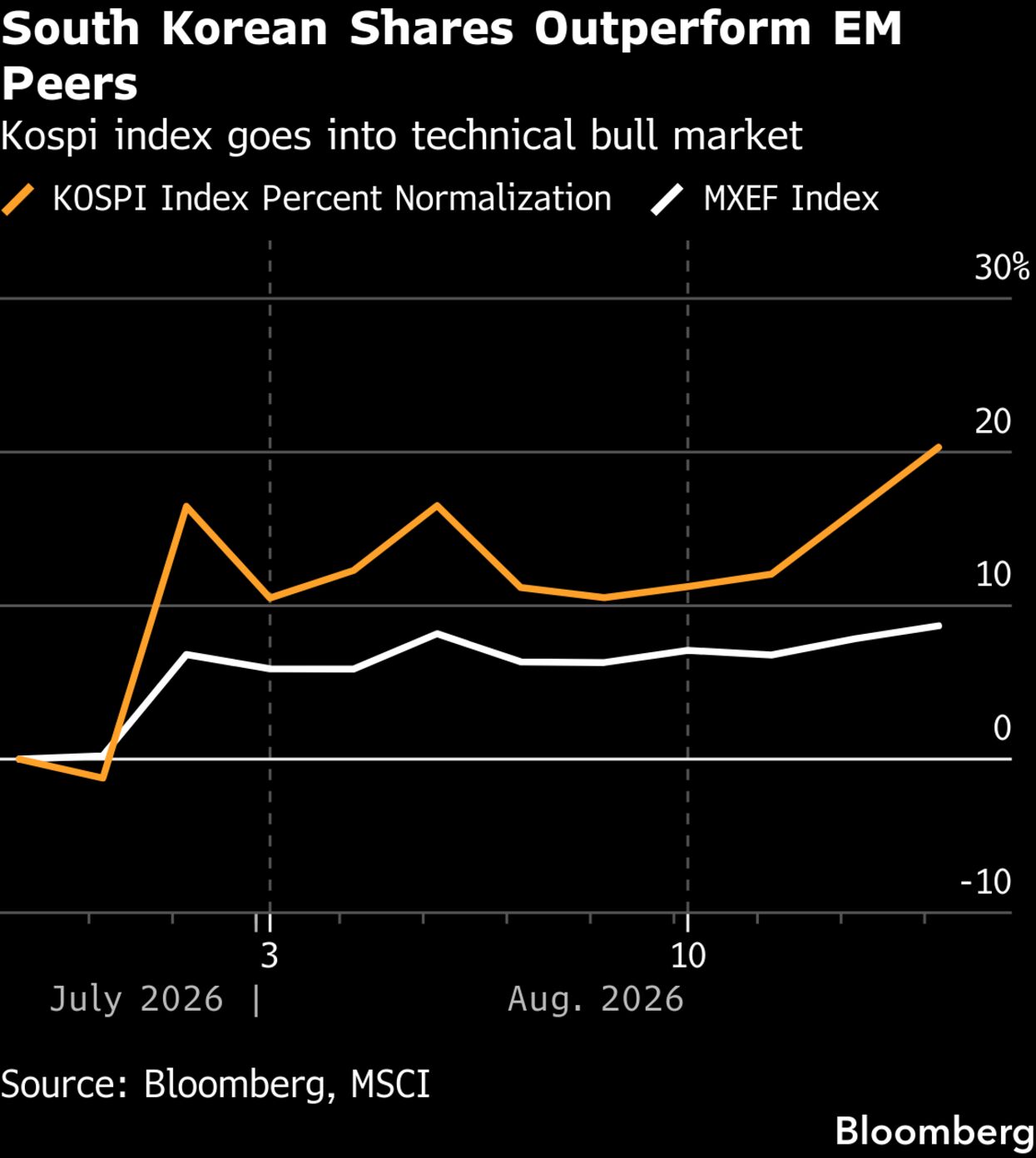
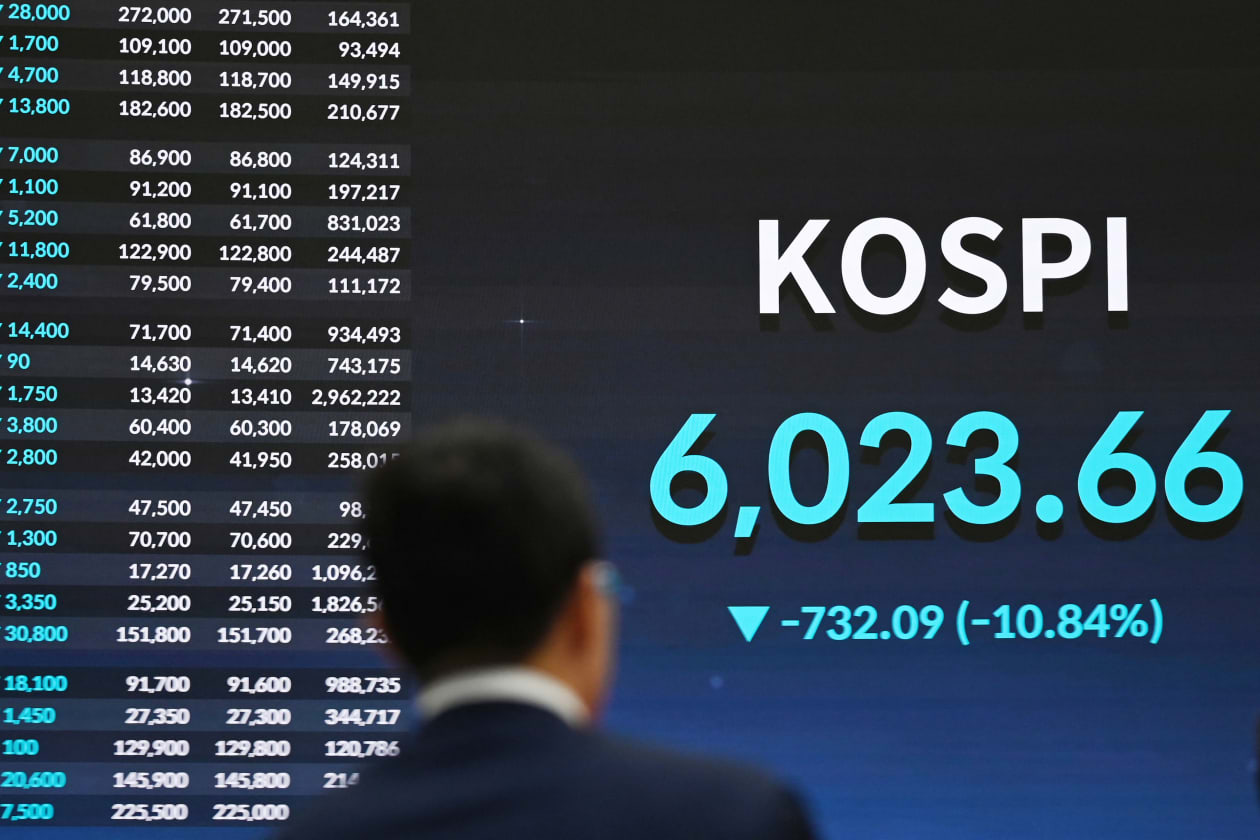
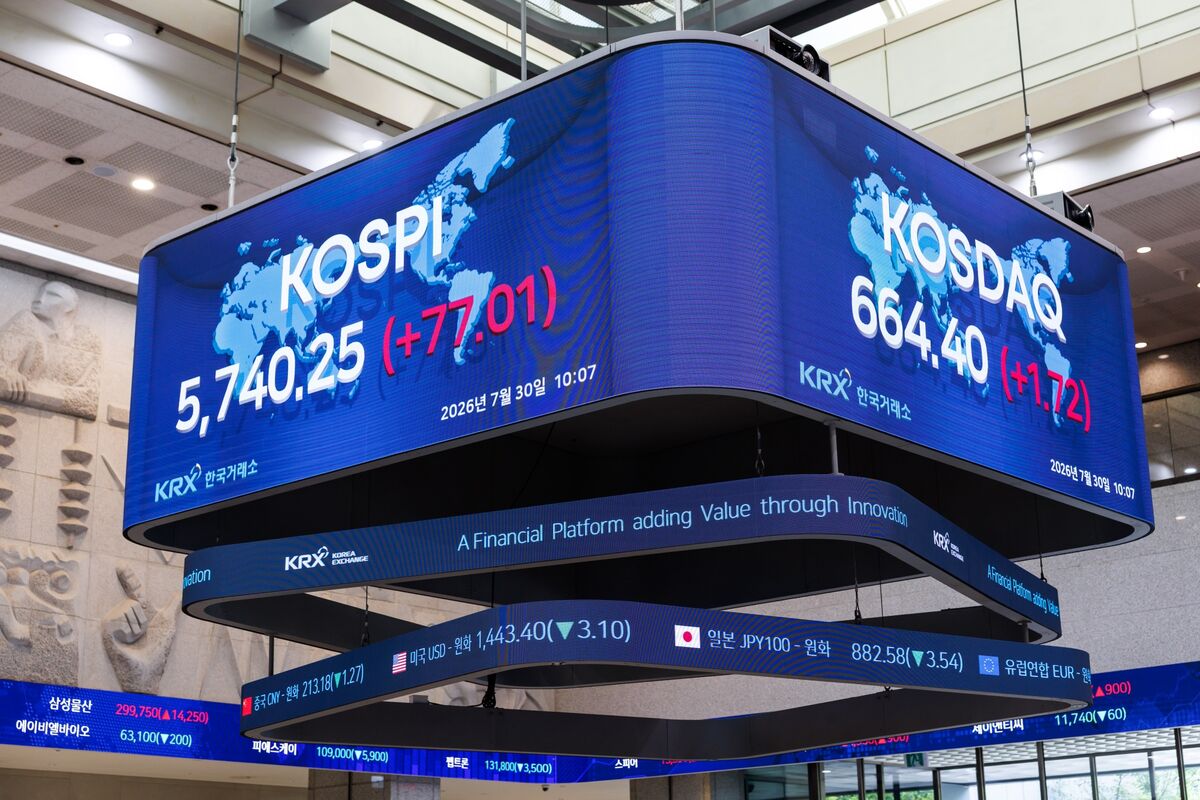
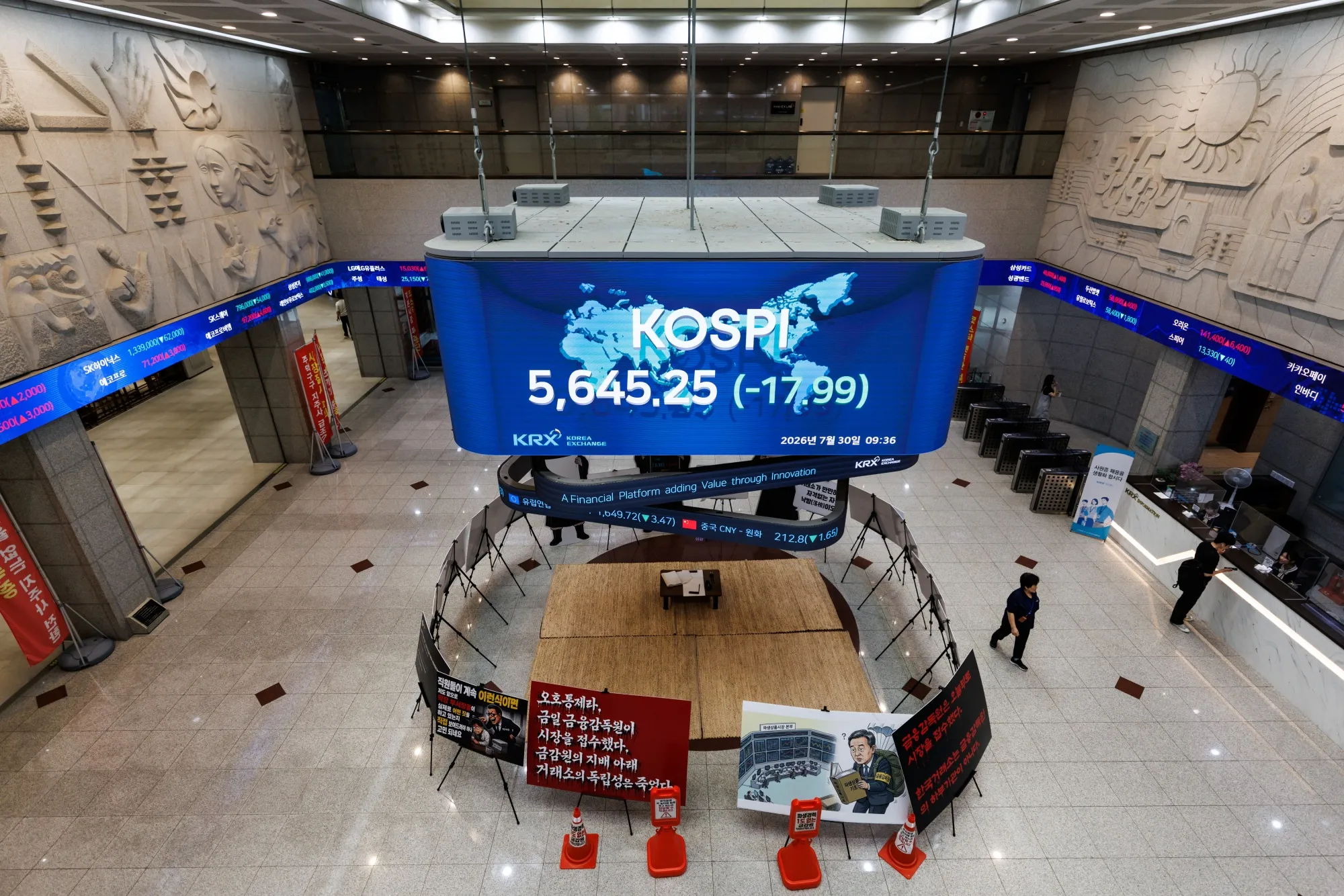
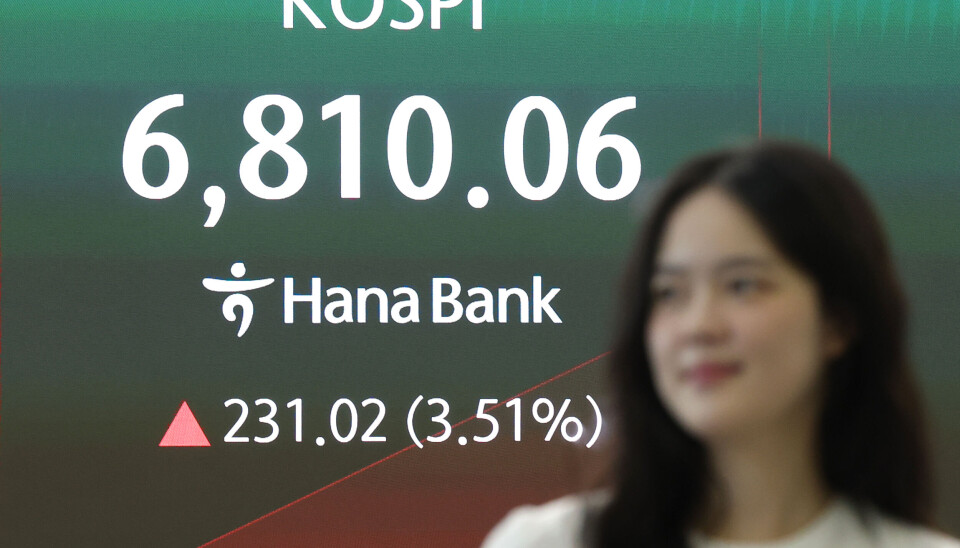
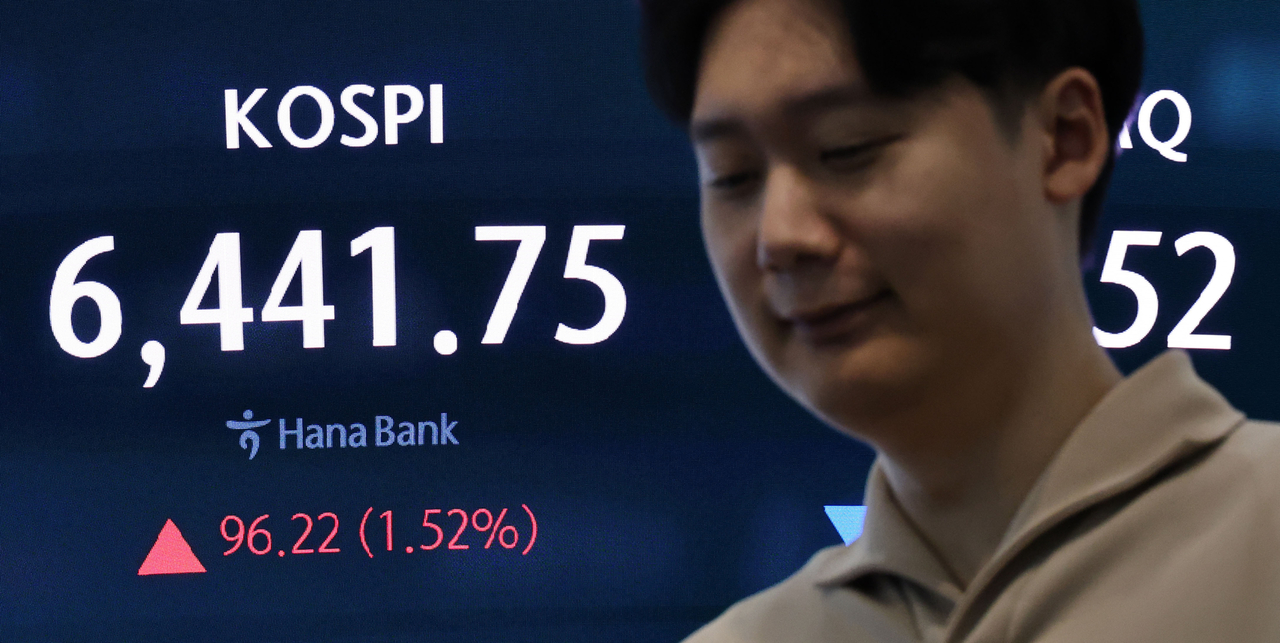
South Korea's dramatic economic recovery in August 2026—with the Kospi index rallying 21% in just two weeks after a 40% bear market collapse—directly signals accelerating global AI infrastructure investment that reshapes sourcing and product opportunities for cross-border electronics sellers. Korean semiconductor exports surged 155% year-over-year in early August, while overall exports jumped 45%, driven by insatiable demand for memory chips powering AI data centers. Samsung Electronics and SK Hynix, which collectively dominate South Korea's equity market, reported strong earnings growth and robust guidance, with SK Hynix completing a record-breaking U.S. equity offering on July 9 and analyst price targets reaching $230 (versus $154.41 closing price), signaling institutional confidence in sustained chip demand.
For electronics sellers, this creates three immediate opportunities: First, component sourcing becomes more competitive—Korean suppliers are expanding production capacity to meet AI infrastructure demand, creating potential for sellers to negotiate better pricing on memory modules, SSDs, and AI-accelerator components for resale on Amazon, eBay, and Newegg. Second, AI-adjacent product categories are experiencing demand acceleration—cooling solutions, power supplies, server components, and networking equipment tied to AI infrastructure buildout are seeing 45%+ export growth, indicating strong B2B and consumer demand. Third, currency tailwinds favor Korean imports—the Korean won strengthened 5% from July lows, making Korean-manufactured electronics more price-competitive versus Chinese alternatives, particularly for sellers sourcing through Korean distributors or direct manufacturers.
The timing window is critical: Goldman Sachs projects 32% earnings growth for Korean semiconductor companies in 2026, with analyst Milton Berg identifying Korean equities as having bottomed after $1.5 billion in retail forced liquidations during June-July. This capitulation historically signals bullish reversals lasting 3-6 months, meaning Korean suppliers are likely to maintain aggressive pricing and delivery commitments through Q4 2026. However, technical analyst Mark Newton cautioned that momentum could diminish if U.S. Treasury yields and dollar strength resume climbing—a risk that could reduce Korean export competitiveness by late 2026. Sellers should prioritize securing supply agreements and inventory positions within the next 4-8 weeks before Korean suppliers fully normalize pricing and allocate capacity to higher-margin OEM customers (Samsung, Apple, Meta data center buildouts).
Competitive advantage shifts toward sellers with Korean sourcing relationships: Small-to-medium electronics sellers (1,000-10,000 SKU range) can capitalize on Korean supplier willingness to work with smaller buyers during this expansion phase, whereas large aggregators may face allocation constraints. Sellers in cooling solutions, enterprise storage, and networking categories should immediately contact Korean distributors (Ingram Micro Korea, Tech Data Korea) to lock in Q4 pricing before capacity tightens. The 155% export surge indicates Korean manufacturers are operating at elevated capacity utilization—typically a 6-12 week window before supply constraints emerge.
Questions 8
Why did Korean semiconductor exports surge 155% year-over-year in August 2026?
The surge reflects accelerating global AI infrastructure investment, particularly from U.S. companies like Supermicro and CoreWeave building data centers that require massive quantities of memory chips. Samsung Electronics and SK Hynix, which supply 60%+ of global DRAM and NAND flash memory, are operating at peak capacity to meet this demand. The news reports that strong earnings from U.S. AI companies signal 'continued heavy infrastructure investment,' indicating this demand cycle is expected to persist through 2026. For sellers, this means Korean suppliers have pricing power and allocation constraints—securing supply agreements now is critical before capacity tightens.
How does the Korean won's 5% strengthening from July lows affect electronics sellers?
A stronger Korean won makes Korean-manufactured products more expensive for foreign buyers in dollar or euro terms, typically increasing import costs by 3-5% for sellers sourcing from Korea. However, the news indicates Korean suppliers are aggressively expanding production to capture AI infrastructure demand, meaning they may absorb some currency headwinds through competitive pricing to maintain market share. Sellers should negotiate pricing in USD or lock in forward contracts immediately, as the won could strengthen further if Korean export growth continues. The 45% overall export jump suggests Korean suppliers are prioritizing volume over margin, creating a narrow window (4-8 weeks) for favorable pricing before normalization.