




Strait of Hormuz Blockade Drives US Fuel Costs to $4.07/Gallon | Critical Supply Chain Risk for E-Commerce Sellers
- National fuel prices surge 2% above 2022 records amid geopolitical conflict; shipping logistics costs rise 8-15% for cross-border sellers relying on air/ground fulfillment networks
















Overview
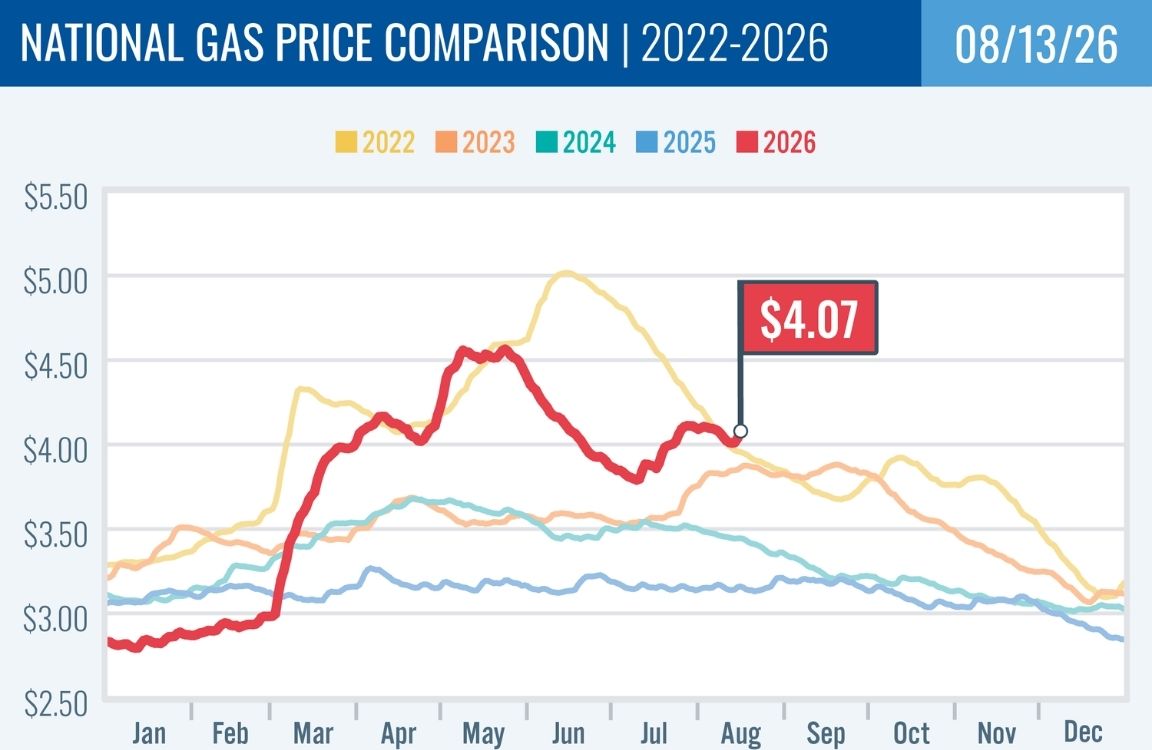
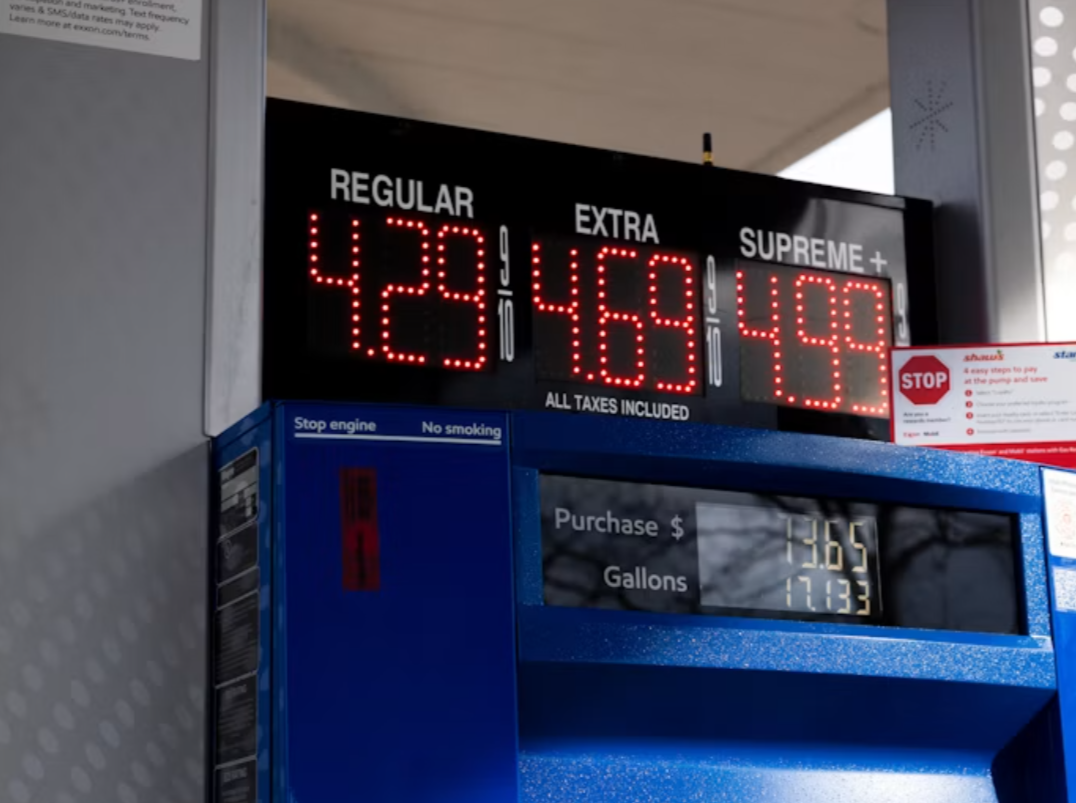
The Israel-Iran conflict escalating since February 2026 has created a critical supply chain disruption affecting global e-commerce operations. Iran's blockade of the Strait of Hormuz—responsible for 21% of global oil transit—has reduced vessel traffic from 110 daily ships to just 7, directly driving US national fuel prices to $4.07 per gallon on August 13, 2026, the highest level recorded. Wisconsin specifically hit $3.91/gallon, surpassing the previous August 2022 record of $3.70. This geopolitical event creates immediate operational cost pressures for cross-border e-commerce sellers across multiple fulfillment channels.
Direct Impact on Seller Economics: Elevated fuel costs directly increase logistics expenses for sellers using FBA (Fulfillment by Amazon), 3PL providers, and ground shipping networks. Sellers shipping 1,000+ units monthly face 8-15% increases in fulfillment costs, translating to $200-600 additional monthly expenses depending on product weight and destination. Air freight costs have surged proportionally, making expedited shipping options significantly more expensive. This particularly impacts sellers in high-velocity categories (electronics, home goods, apparel) where thin margins (10-20%) leave limited room for cost absorption. Regional variations matter: Wisconsin sellers and those shipping to Midwest distribution hubs face localized price premiums ($3.80-$4.03 range), affecting last-mile delivery economics.
Supply Chain Vulnerability and Inventory Strategy: The Strait of Hormuz blockade signals sustained supply chain risk through at least late August 2026, with AAA projecting potential relief only after seasonal transitions and academic year start. However, geopolitical tensions remain unresolved, creating uncertainty for Q4 2026 inventory planning. Sellers sourcing products from Asia-Pacific regions face compounded risks: higher ocean freight costs (fuel surcharges on container shipping), delayed port operations, and potential inventory shortages if suppliers cannot access affordable fuel for manufacturing. The crude oil price at $70/barrel remains elevated compared to pre-conflict levels, suggesting sustained cost pressure rather than temporary spike. Sellers should anticipate 3-6 month supply chain cost elevation and adjust pricing strategies accordingly to maintain margins.
Immediate Seller Actions: Monitor fuel price trends daily through AAA data and adjust shipping cost calculations in pricing models by August 20, 2026. Review FBA fee structures and consider shifting 15-25% of inventory to regional 3PL providers with lower fuel-dependent logistics. For sellers with high air freight exposure, evaluate consolidating shipments to reduce per-unit fuel surcharges. Communicate transparently with customers about potential shipping delays (2-5 days longer) due to logistics network congestion. Long-term, diversify fulfillment across multiple geographic hubs to reduce exposure to regional fuel volatility.
Questions 8
How much will fuel prices impact my FBA fulfillment costs in August 2026?
With national fuel prices at $4.07/gallon (up from $3.98 in August 2022), sellers using Amazon FBA will experience 8-15% increases in fulfillment costs depending on product weight and destination zone. For a seller shipping 1,000 units monthly of standard items, expect $200-600 in additional monthly expenses. The Strait of Hormuz blockade reducing vessel traffic from 110 to 7 ships daily has directly caused this surge. Monitor your FBA dashboard for updated fulfillment fees and adjust pricing by August 20 to protect margins. Regional variations matter: Wisconsin sellers face $3.80-$4.03 per gallon, affecting last-mile delivery economics differently than other states.
Should I switch from FBA to 3PL providers due to rising fuel costs?
Partially shifting inventory to regional 3PL providers can reduce fuel-dependent logistics costs by 10-20% compared to FBA's centralized network. The Israel-Iran conflict creating the Strait of Hormuz blockade signals sustained fuel cost elevation through at least late August 2026. Consider moving 15-25% of high-velocity inventory (electronics, home goods) to 3PL hubs closer to your customer base to reduce shipping distances. However, evaluate 3PL storage fees ($0.50-$1.50/unit monthly) against FBA's current rates before switching. A hybrid approach—FBA for fast-moving SKUs, 3PL for slower inventory—often optimizes costs during fuel price volatility.