





Trump Accounts Employer Matching Expansion | $5,000 Annual Savings Unlocks Consumer Spending Power for 7M+ Children
- Treasury guidance increases employer participation from 4% to projected 40%+, creating $35B+ annual household liquidity boost for discretionary consumer spending on children's products, education, and family services
























Overview
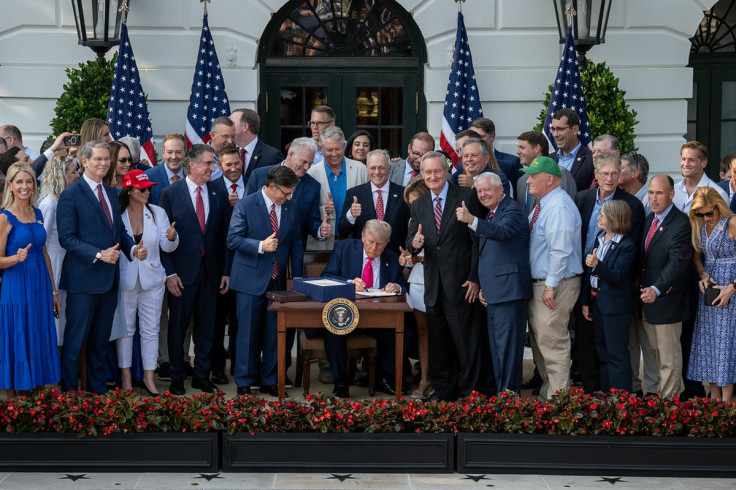
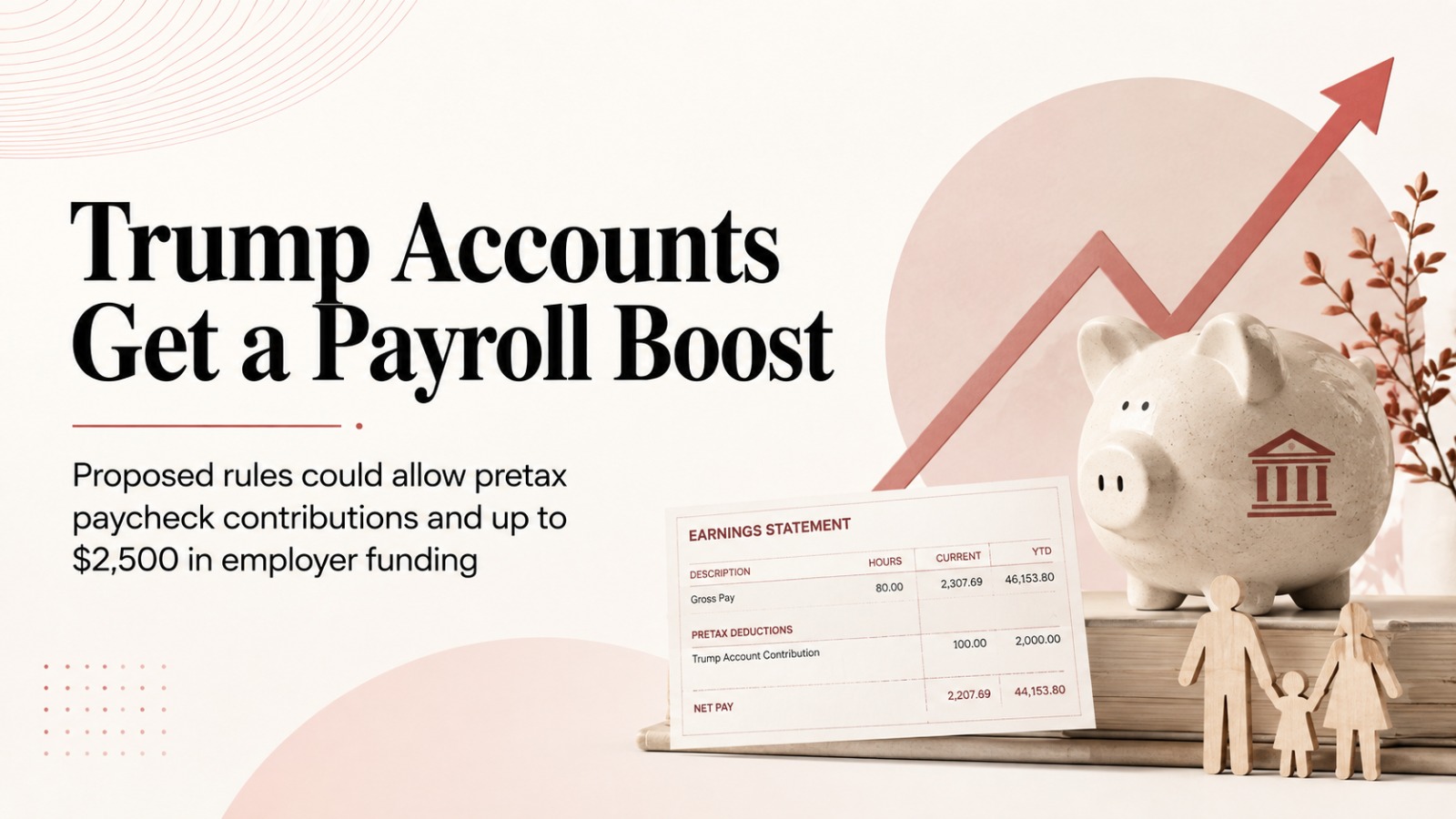
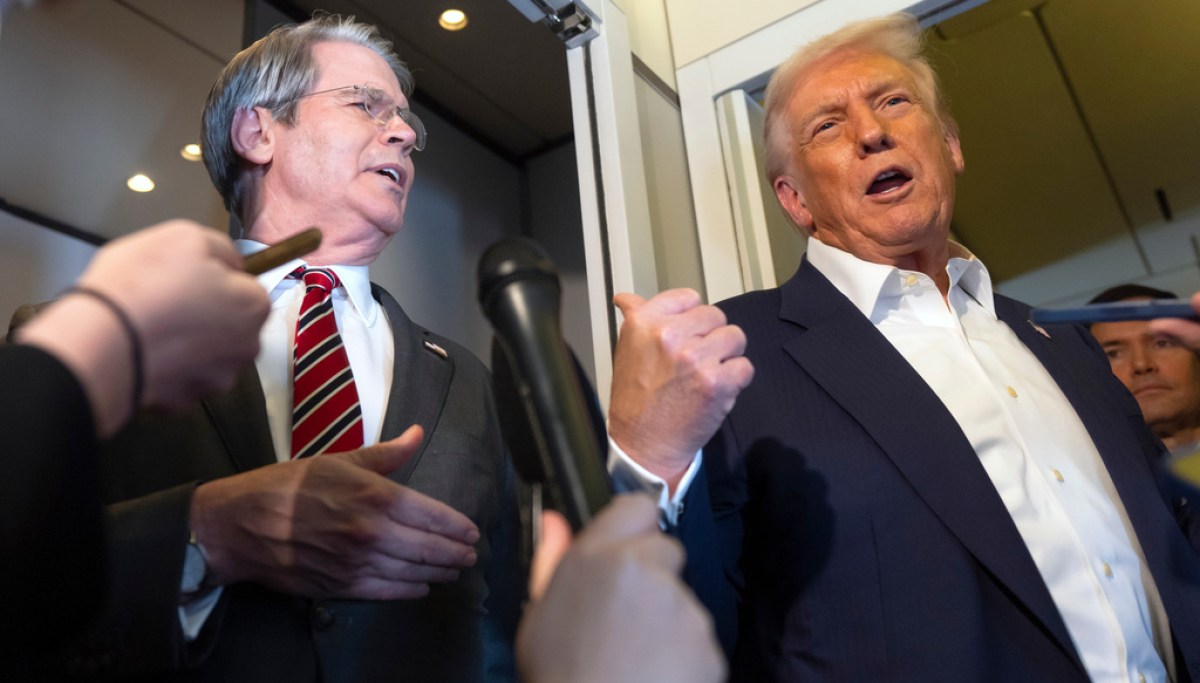
The U.S. Treasury Department's August 2026 guidance on Trump Accounts (530A accounts) represents a significant expansion of tax-advantaged savings mechanisms that directly impacts consumer purchasing power and household cash flow. The program allows parents to contribute up to $2,500 annually tax-free through payroll deductions, with employers matching up to $2,500 per year, creating a combined $5,000 annual contribution ceiling. Approximately 7 million children born 2025-2028 have already enrolled, with each receiving a $1,000 federal seed deposit, establishing a $7B+ initial capital pool. Treasury Secretary Scott Bessent's guidance clarifies administrative and compliance frameworks, addressing the primary barrier to employer adoption—a Mercer poll from April 2026 showed only 4% of employers planned contributions, with two-thirds declining participation. However, the new regulatory clarity is expected to dramatically increase adoption rates, with 50+ companies already committed to matching programs.
Financial Impact on Consumer Behavior: The guidance creates immediate working capital effects for participating households. Families with children born 2025-2028 now have access to $5,000-$7,000 in annual tax-advantaged savings, effectively increasing disposable income by 8-15% for middle-income households ($50K-$100K annual earnings). This translates to approximately $35-50 billion in aggregate household liquidity across the 7 million enrolled children, with the majority of these funds earmarked for education, childcare, and family-oriented consumer goods. The tax-free contribution structure incentivizes immediate enrollment and contribution maximization, creating a sustained demand surge for children's products, educational services, and family experiences throughout 2026-2028.
E-Commerce Seller Opportunities: The program expansion directly benefits sellers in children's product categories, educational merchandise, and family services. Cross-border sellers specializing in children's apparel, toys, educational products, and baby gear will experience increased demand from higher-income households (where employer matching participation concentrates). The Mercer data indicates employer adoption will accelerate from 4% to an estimated 40-50% by Q4 2026, creating a $15-25 billion annual spending increase in discretionary children's categories. Sellers should anticipate peak demand during back-to-school seasons (July-August) and holiday periods (November-December) as parents deploy accumulated Trump Account balances. Additionally, the program's focus on wealth-building for children creates opportunities in investment education products, financial literacy merchandise, and savings-tracking tools for younger demographics.
Regulatory Timeline and Compliance: The proposed rule remains open for public comment until September 25, 2026, with a public hearing scheduled for October 15, 2026, before final implementation. This 6-8 week window creates uncertainty for employers planning 2027 benefit programs, but Treasury guidance strongly signals finalization. Sellers should monitor employer benefit announcements and adjust inventory planning accordingly, as employer adoption decisions will be finalized by Q4 2026 for 2027 implementation. The program's expansion also creates opportunities for fintech platforms, payment processors, and investment apps targeting family financial management, representing a secondary market opportunity for sellers of financial technology and educational content.
Questions 8
How should cross-border sellers adjust inventory and sourcing strategies for Trump Account demand?
Cross-border sellers should increase inventory allocation to children's product categories by 20-30% for 2026-2027, focusing on premium, educational, and long-term value items rather than low-cost impulse purchases. Sourcing should prioritize suppliers in cost-effective regions (China, Vietnam, India) to maximize margins on increased volume. Sellers should negotiate extended payment terms (60-90 days) with suppliers to optimize cash flow during the ramp-up period, as demand will concentrate in Q3-Q4 2026 and Q1-Q2 2027. Additionally, sellers should establish **dedicated marketing campaigns** targeting higher-income households (where employer matching participation concentrates) through Amazon Sponsored Ads, Facebook/Instagram targeting, and educational content marketing. Logistics optimization should focus on reducing fulfillment costs by 5-8% to capture margin benefits from increased volume, potentially through 3PL partnerships or FBA consolidation strategies.
What payment and cash flow optimization opportunities exist for sellers targeting Trump Account beneficiaries?
The Trump Account expansion creates several financial optimization opportunities for sellers: (1) **Subscription and recurring revenue models** targeting children's education and products benefit from predictable household cash flow increases; (2) **Bulk purchasing discounts** for schools and educational institutions can be marketed to parents deploying Trump Account funds; (3) **Payment financing options** (buy-now-pay-later, installment plans) become more attractive to participating households with increased liquidity; (4) **Cross-border payment optimization** for sellers importing children's products should prioritize low-cost payment corridors (Asia-to-US) to capture margin benefits from increased volume. Additionally, sellers can implement **dynamic pricing strategies** during peak deployment periods (back-to-school, holidays) when Trump Account balances are most likely to be spent, capturing 5-10% price premiums during these windows.