





Prediction Market Regulation Clash | Compliance Barriers Reshape Sports Betting E-Commerce
- Federal-state jurisdictional conflict creates compliance moat for licensed sportsbooks; prediction market platforms face $millions in legal exposure and potential market restrictions in Maryland and beyond











Overview
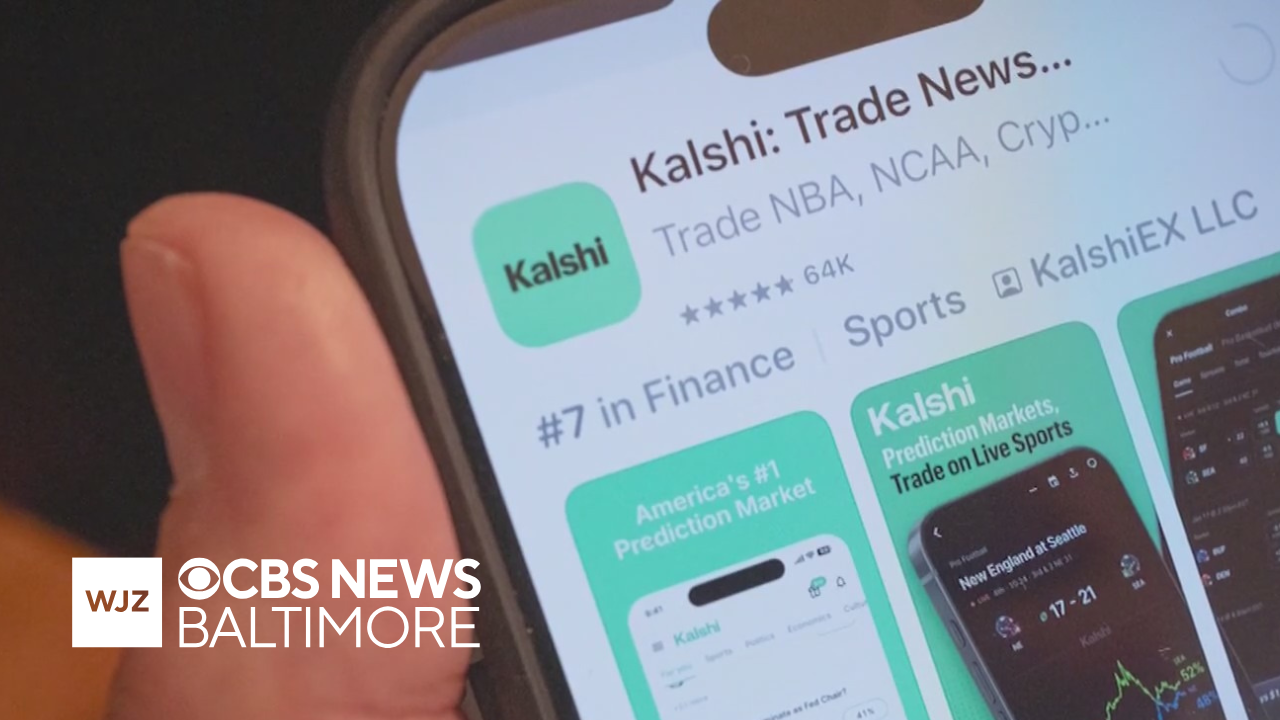
Baltimore's lawsuits against Kalshi and Polymarket represent a critical regulatory inflection point that will reshape the sports betting and prediction market e-commerce landscape. Filed by Mayor Brandon Scott and Baltimore City Council in Baltimore City Circuit Court, the lawsuits allege that these platforms operate illegal, unlicensed gambling services in violation of city consumer protection ordinances—specifically claiming they disguise sports bets as "event contracts" or "prediction-market trades" to circumvent Maryland gaming licensing requirements, taxation obligations, and responsible-gambling safeguards imposed on licensed sportsbooks.
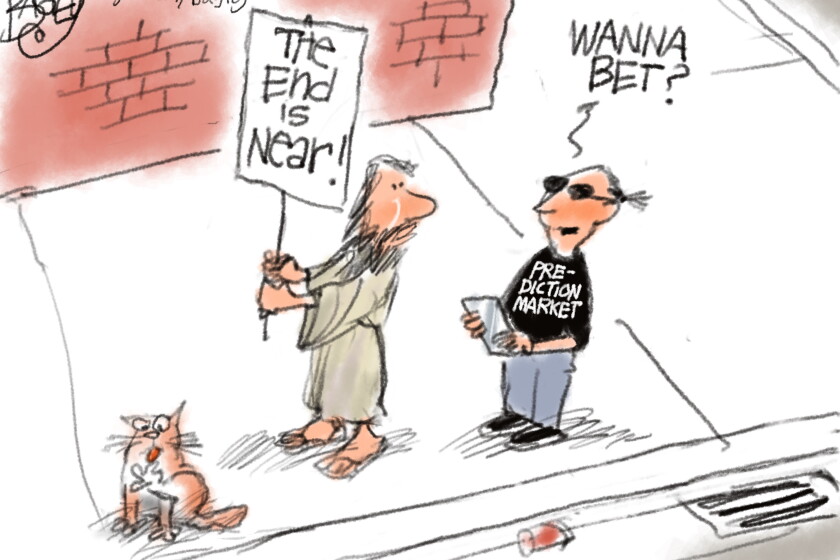
The Compliance Barrier Opportunity: This jurisdictional conflict between federal (CFTC) and local/state regulators creates a significant competitive moat for licensed sportsbooks operating in Maryland and other states pursuing similar enforcement. Kalshi and Polymarket argue they operate lawfully under exclusive federal CFTC jurisdiction, but Baltimore contends they compete directly with regulated sportsbooks while avoiding consumer protections, taxation, and responsible-gambling requirements. The 4th Circuit appeal (already pending) will determine whether prediction markets constitute gambling under state law. If Baltimore prevails, similar lawsuits will likely follow in other jurisdictions, potentially eliminating 30-50% of non-compliant prediction market operators from major US markets within 12-18 months.
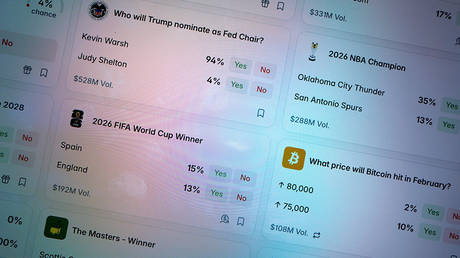
Market Elimination and Category Winnowing: The core issue—whether prediction markets are gambling—will determine which product categories survive. Sports-related prediction contracts (Ravens games, point spreads, player statistics) face the highest regulatory risk. However, non-sports prediction markets (election outcomes, weather events, economic indicators) may escape gambling classification, creating a legal arbitrage opportunity. Sellers and platforms offering compliant prediction products on non-sports events could capture market share from banned sports offerings. Licensed sportsbooks like DraftKings, FanDuel, and BetMGM benefit directly from enforcement that eliminates unregulated competitors.
Compliance Cost and Timeline: Achieving Maryland gaming licensure requires 6-12 months, $500K-$2M in legal/compliance costs, and ongoing regulatory reporting. Prediction market platforms face a binary choice: (1) obtain gaming licenses in each state (prohibitively expensive), or (2) geo-block Maryland and other enforcement-active states (reducing addressable market by 15-20%). The fastest compliance path for platforms is federal CFTC registration (already completed by Polymarket), but this provides no protection against state-level enforcement. Platforms must now budget $1-3M annually for legal defense across multiple jurisdictions.
Questions 8
How will this lawsuit affect licensed sportsbooks like DraftKings and FanDuel?
Licensed sportsbooks benefit directly from enforcement that eliminates unregulated competitors. If Baltimore prevails, similar lawsuits will likely follow in other jurisdictions, potentially removing 30-50% of non-compliant prediction market operators from major US markets within 12-18 months. This reduces competition and protects licensed sportsbooks' market share. DraftKings and FanDuel can capitalize by acquiring prediction market users and expanding their product offerings. The 4th Circuit appeal will determine the timeline and scope of this competitive advantage.
Which product categories face the highest regulatory risk from this enforcement?
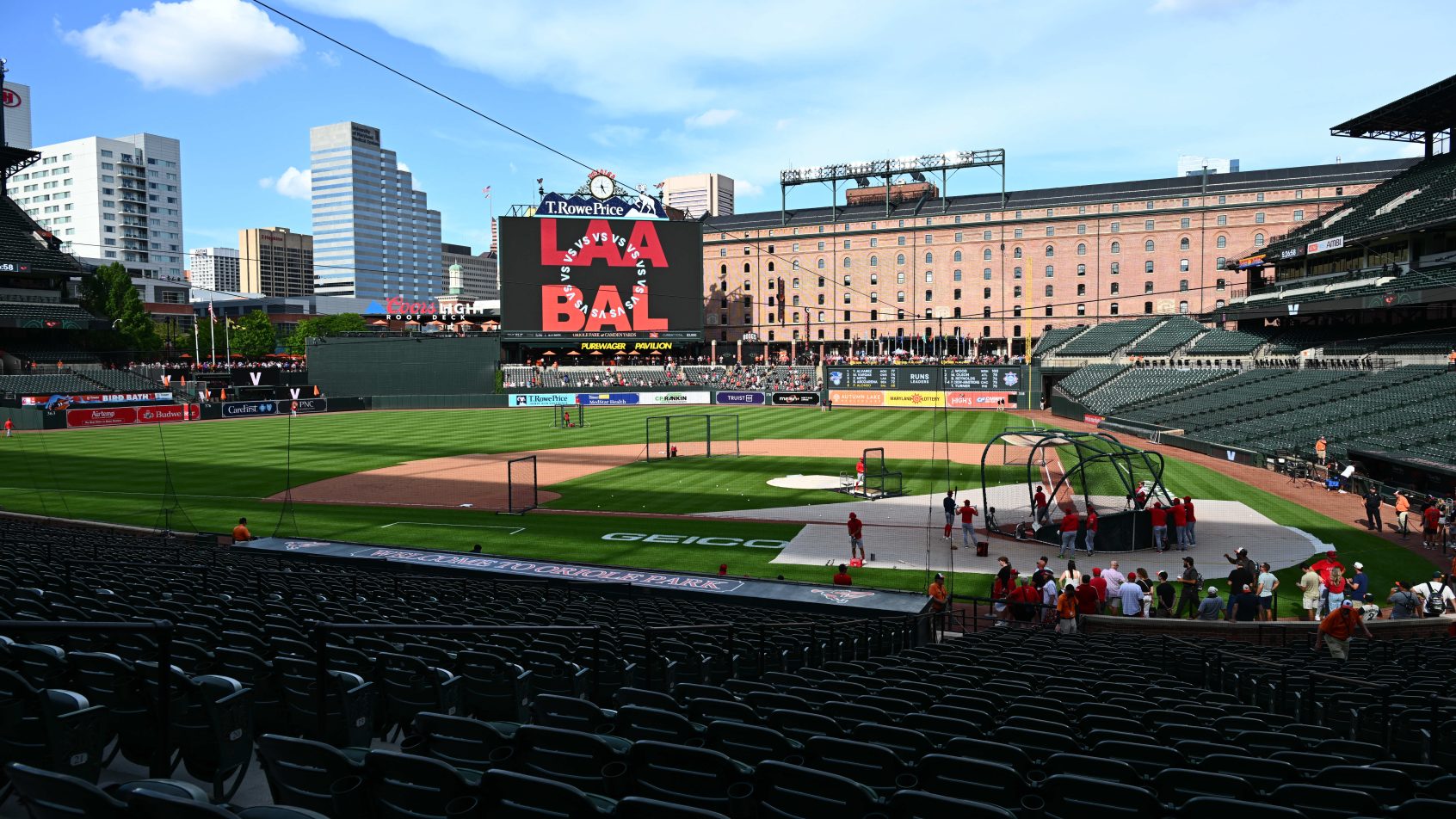
Sports-related prediction contracts (Ravens games, point spreads, player statistics) face the highest risk because they directly compete with licensed sportsbooks and clearly constitute gambling under state law. Non-sports prediction markets (election outcomes, weather events, economic indicators) may escape gambling classification and survive enforcement. This creates a legal arbitrage opportunity where platforms can shift offerings to non-sports events to maintain compliance. Sellers should monitor category restrictions by state and prepare alternative product offerings.