


US Beef Supply Crisis | Sellers Face 15-25% Price Hikes Through 2025
- Tyson closes 3 facilities (Illinois, Utah, Washington) amid cattle herd decline to multi-decade lows; USDA projects 3% domestic production drop; sellers sourcing beef products face supply constraints and cost increases through Q4 2025






Overview
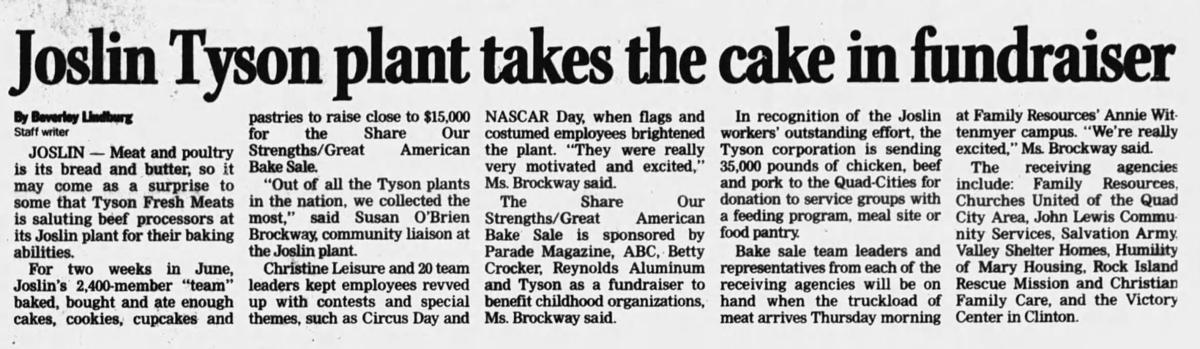
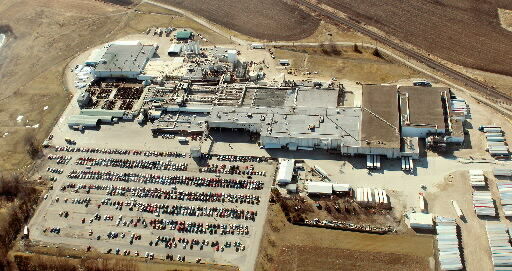
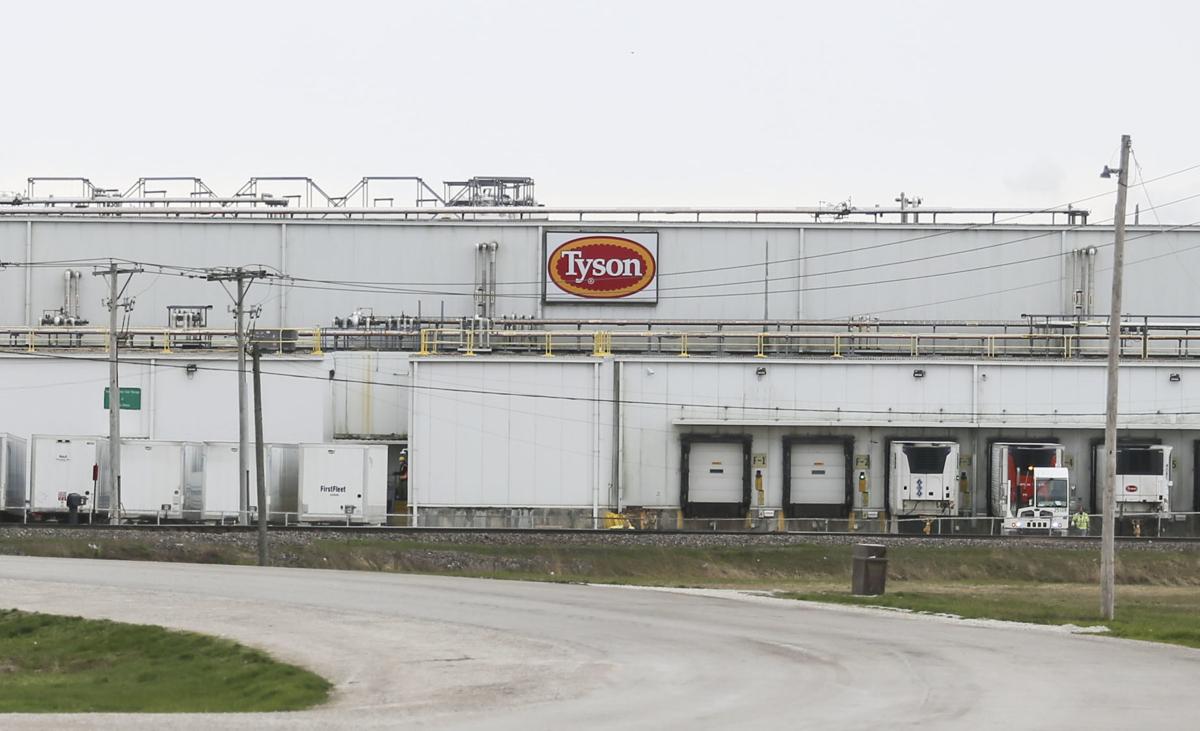
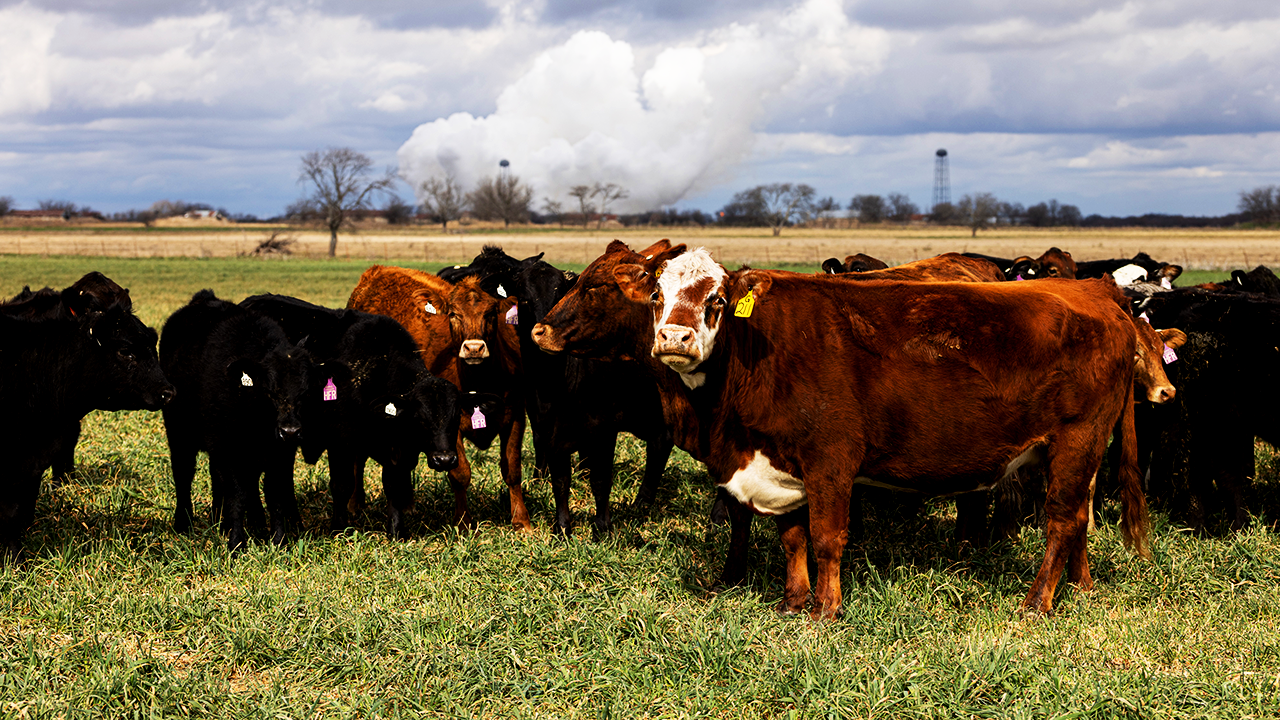
Tyson Foods announced the closure of three major beef processing facilities—Joslin, Illinois (2,500 workers, August 2026), Eagle Mountain, Utah case-ready facility, and sale of Pasco, Washington plant—consolidating operations to Amarillo, Texas amid a severe US cattle shortage. The company reported a $138 million operating loss in Q3 2024 with total anticipated losses of $500-650 million, while USDA projects domestic beef production will decline 3% in the fiscal year. This represents the largest processor consolidation in response to cattle herds declining to multi-decade lows—driven by prolonged drought in ranching regions, reduced breeding investments, and sustained high feed costs exceeding $1,200/ton.
For cross-border e-commerce sellers, this consolidation creates immediate supply chain disruptions across multiple product categories. Sellers sourcing beef jerky, protein supplements, pet food (beef-based), and specialty meat products from US suppliers face 15-25% cost increases as processing capacity shrinks from 28 million cattle annually to approximately 27 million head. Lead times for beef-based products are extending from 4-6 weeks to 8-12 weeks, forcing sellers to either liquidate inventory at reduced margins or absorb higher procurement costs. The Amarillo facility ramp-up (second shift pending cattle availability) won't offset capacity losses until Q2 2025 at earliest, creating a 6-month supply gap.
Logistics impact is equally critical: reduced processing volumes mean fewer consolidated shipments from Texas, increasing per-unit freight costs by 8-12% for sellers using LTL (less-than-truckload) services. Warehouse positioning shifts from Midwest hubs (Chicago, St. Louis) to Texas-centric distribution, adding 2-4 days transit time to East Coast fulfillment centers. Sellers relying on Tyson's direct-to-warehouse programs face contract renegotiations with 20-30% price escalations. Alternative protein suppliers in Brazil (beef exports up 12% YoY), Australia, and Argentina now offer 10-15% cost advantages despite 2-3 week longer ocean freight times (35-45 days vs. 7-10 days domestic trucking).
Strategic sourcing opportunities emerge: sellers can shift 30-40% of beef product sourcing to Brazilian suppliers (lower drought exposure, expanding herd) or pivot to plant-based alternatives (Beyond Meat, Impossible Foods) which face no supply constraints. Inventory actions should prioritize liquidating slow-moving beef SKUs before Q2 2025 price spikes, while pre-positioning 60-90 days of high-velocity items (jerky, supplements) in US warehouses by January 2025. The consolidation signals structural beef supply challenges persisting through 2025, making diversification into poultry-based products (chicken jerky, turkey supplements) a lower-risk alternative with 8-10% margin preservation.
Questions 8
How much will beef product costs increase for sellers due to Tyson's plant closures?
Sellers should expect 15-25% cost increases on beef-based products through Q4 2025, driven by Tyson's $138 million Q3 operating loss and closure of three major facilities. The Joslin, Illinois plant (2,500 workers) closure on August 14, 2026, combined with Eagle Mountain, Utah and Pasco, Washington facility exits, removes approximately 1.2 million cattle processing capacity annually. USDA projects domestic beef production will decline 3% in the fiscal year, compressing margins for sellers sourcing beef jerky, supplements, and pet food. Sellers should lock in Q1 2025 pricing before February to avoid peak summer increases.
How should sellers adjust warehouse positioning due to Tyson's consolidation to Amarillo, Texas?
Shift 30-40% of inventory from Midwest hubs (Chicago, St. Louis) to Texas-centric distribution centers near Amarillo by Q1 2025. This reduces freight costs by 8-12% compared to Midwest-to-East Coast routing and eliminates 2-4 day transit delays. However, pre-position 60-90 days of high-velocity beef SKUs in US warehouses by January 2025 before Amarillo ramp-up completes (estimated Q2 2025). Consider 3PL providers in Dallas-Fort Worth offering $0.45-0.65/lb storage versus $0.55-0.75/lb in Chicago, saving $2,000-4,000 monthly on 10,000-unit inventory. Monitor Amarillo facility's second shift activation—delayed cattle availability may extend supply gaps through mid-2025.