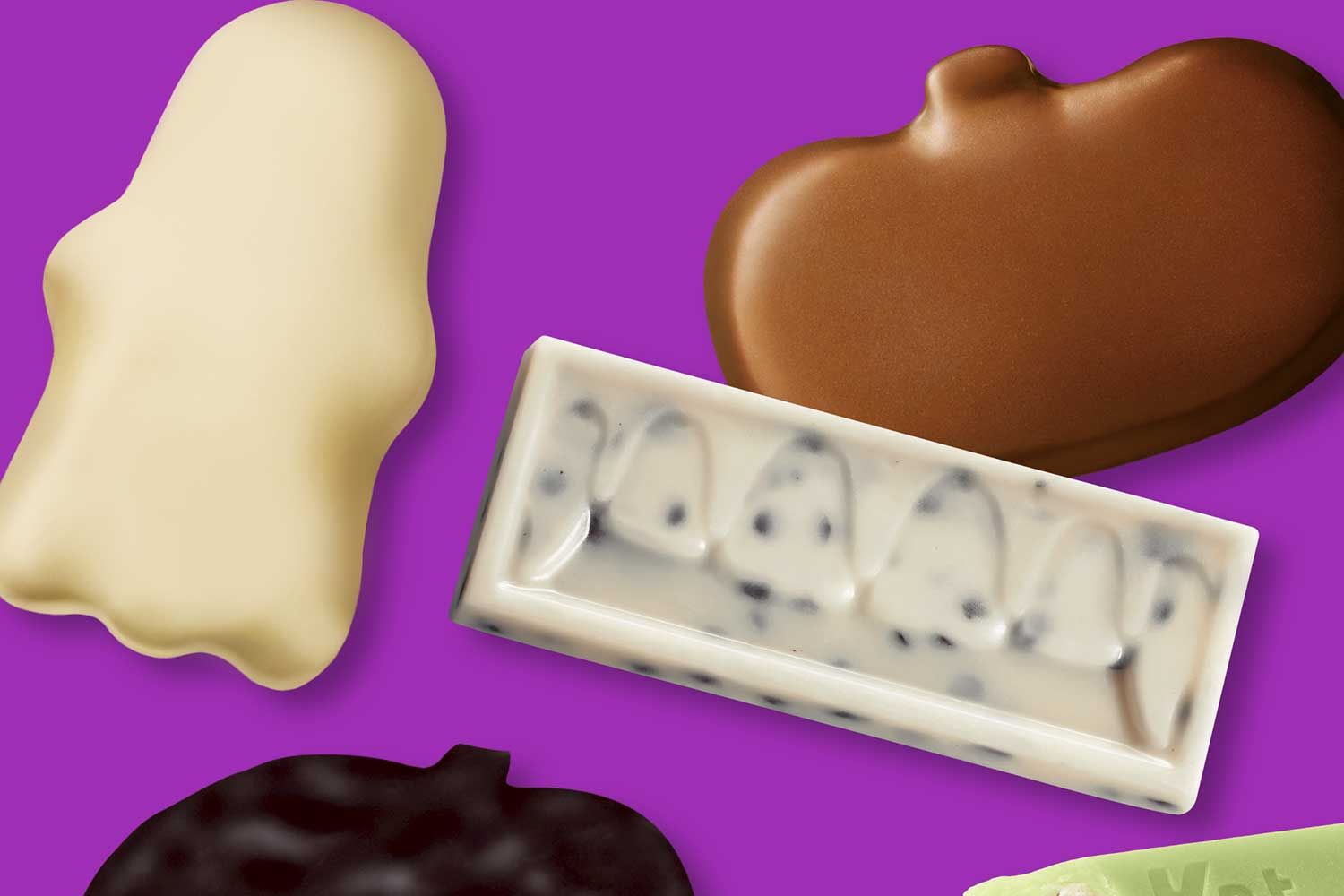
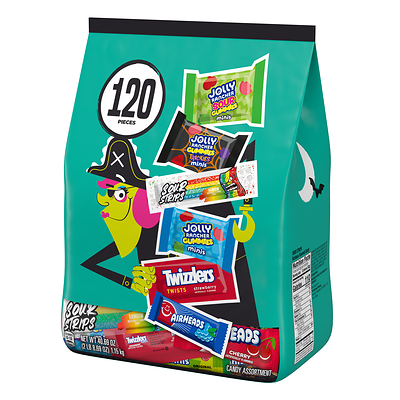


Hershey's strategic Halloween innovation signals a critical inventory planning window for cross-border e-commerce sellers. The company has launched Kit Kat's first dual-character seasonal bar—pairing the "Count" vampire with a new witch character—breaking 80+ years of symmetrical design tradition. Simultaneously, Hershey's 2026 Halloween portfolio announcement reflects broader retail trends where seasonal products are announced 6-9 months in advance to accommodate extended supply chains and marketplace fulfillment requirements. This dual-pronged strategy creates immediate opportunities for sellers on Amazon, eBay, and Walmart Marketplace who specialize in seasonal confectionery.
The market opportunity is substantial: Halloween represents 2-3% of annual candy industry sales, making it a critical Q3-Q4 revenue driver. Social media response to the Kit Kat innovation has been overwhelmingly positive, with fans explicitly requesting "more of them" and praising the larger, heftier bar format. This consumer enthusiasm signals strong demand elasticity for novelty seasonal products. Sellers must recognize that Hershey's early 2026 announcement enables them to negotiate wholesale pricing and secure inventory allocation before peak demand periods—typically July-September for Halloween retail. The timing advantage is critical: sellers who commit inventory by Q2 2025 can lock in better wholesale terms and avoid stockouts during peak selling windows.
For sellers operating on major marketplaces, this announcement directly impacts inventory planning, pricing strategies, and promotional calendars. The news explicitly states that seasonal product availability varies by region and distribution channel, with some items exclusive to specific retailers or markets. This creates differentiation opportunities for sellers who understand Hershey's product roadmap. Sellers should note that the dual-character concept represents a strategic evolution signaling future holiday collaborations—industry observers speculate similar innovations could extend to winter holidays (e.g., Rudolph paired with Santa). This forward-looking insight enables sellers to forecast demand patterns and plan 2025-2026 seasonal campaigns. The wider base and heftier format of the new bars also suggests potential packaging and shipping cost adjustments that sellers must factor into margin calculations. Early movers who secure exclusive regional allocations or bundle offerings with complementary Hershey brands (Reese's, Hershey's Kisses, Twizzlers) can capture premium positioning before competitors saturate the market.
Sellers should take the following immediate actions: (1) **By January 2025**: Contact Hershey distributors or authorized wholesalers to request 2026 Halloween product catalogs and pricing; (2) **By February 2025**: Analyze 2024 Halloween sales data to forecast 2025-2026 demand by SKU and region; (3) **By March 2025**: Commit to wholesale orders for Q2 delivery, targeting 60-70% of forecasted demand to balance inventory costs; (4) **By April 2025**: Develop product listings, photography, and content strategy for all seasonal SKUs; (5) **By May 2025**: Launch pre-order campaigns and begin building customer email lists for seasonal promotions; (6) **By June 2025**: Finalize bundle offerings and pricing strategy, then launch paid advertising campaigns on Amazon, eBay, and Walmart; (7) **By July 2025**: Monitor early sales velocity and place secondary orders if demand exceeds forecasts. Sellers should also establish relationships with multiple distributors to ensure supply chain redundancy and negotiate volume discounts. Finally, sellers should set up inventory alerts in their marketplace dashboards to monitor competitor pricing and adjust their strategies in real-time during the peak selling window.
The news indicates that understanding Hershey's product roadmap enables sellers to differentiate offerings and negotiate better wholesale terms. Sellers should pursue three differentiation strategies: (1) **Regional Exclusivity**: Secure exclusive allocations of specific SKUs for particular geographic markets, then market these as 'regional exclusives' to drive premium pricing; (2) **Curated Bundles**: Combine complementary Hershey brands (Kit Kat + Reese's + Hershey's Kisses + Twizzlers) into themed gift sets targeting specific occasions (office parties, family gatherings, trick-or-treat bulk purchases); (3) **Narrative Content**: Develop social media content around the character stories and seasonal themes—the dual-character concept provides rich storytelling opportunities that can drive engagement and conversion. Sellers should also monitor social media sentiment around the new products and create user-generated content campaigns encouraging customers to share photos of their favorite seasonal combinations. Early data shows that limited-edition and novelty products command 15-25% price premiums, so sellers should emphasize scarcity and exclusivity in their listings. Finally, sellers should consider launching pre-order campaigns in June-July to gauge demand and secure customer commitments before peak season inventory arrives.
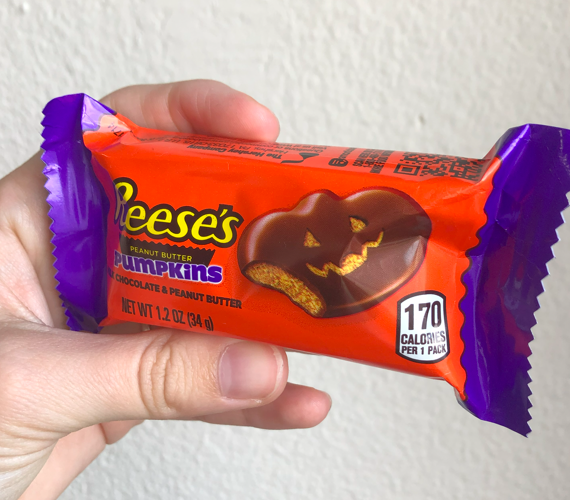
Hershey's early 2026 announcement provides a 6-9 month advance notice window that enables sellers to negotiate wholesale pricing and secure inventory allocation before peak demand periods (July-September). Sellers should immediately contact Hershey distributors or authorized wholesalers to lock in Q2 2025 commitments, as early commitments typically yield 5-12% better wholesale pricing compared to last-minute purchases. The news explicitly states that seasonal product availability varies by region and distribution channel, with some items exclusive to specific retailers—this creates differentiation opportunities for sellers who understand the full product roadmap. Sellers should also note that Hershey's strategy encompasses limited-edition flavors, special packaging designs, and promotional bundles across brands including Reese's, Hershey's Kisses, and Twizzlers. Strategic sellers can bundle these complementary products to increase average order value and capture premium positioning before competitors saturate the market.
Kit Kat has launched its first-ever dual-character seasonal bar featuring the 'Count' vampire paired with a new witch character—a significant departure from 80+ years of symmetrical design. This innovation breaks from tradition by placing two different molded figures side-by-side on a single break-apart bar, with a wider, heftier format than traditional Kit Kat fingers. For sellers, this matters because social media response has been overwhelmingly positive, with consumers explicitly requesting 'more of them,' signaling strong demand elasticity for novelty seasonal products. Sellers on Amazon, eBay, and Walmart Marketplace should prioritize securing inventory of this SKU early, as limited-edition formats typically experience faster sell-through and command premium pricing. The larger bar size also requires adjusted packaging and shipping cost calculations—sellers should factor 10-15% higher dimensional weight fees into margin models.
Industry observers speculate that Kit Kat's dual-character concept could extend to winter holidays, with possibilities like pairing Rudolph alongside Santa in future seasonal releases. This signals that Hershey is moving toward collaborative, narrative-driven seasonal products rather than standalone designs. For sellers, this forward-looking insight enables demand forecasting and campaign planning for 2025-2026 seasonal cycles. Sellers should monitor Hershey's product announcements closely and consider building content strategies around these narrative themes—for example, creating gift bundles that pair complementary seasonal characters or developing social media content that highlights the story behind each character pairing. The innovation also suggests that consumers are increasingly receptive to premium-priced, novelty seasonal products, which means sellers can experiment with higher price points and exclusive bundle offerings without significant demand elasticity concerns. Early movers who develop exclusive regional bundles or limited-quantity offerings can capture 15-25% price premiums compared to standard seasonal products.
Halloween represents approximately 2-3% of annual candy industry sales, making it a critical revenue driver for both manufacturers and retailers. For context, this translates to roughly $2-3 billion in annual Halloween candy sales across North America. For individual sellers, this means Halloween is typically a top-5 revenue-generating period, often competing with Christmas for seasonal dominance. Sellers who secure adequate inventory and optimize listings during this window can generate 40-60% of their Q4 revenue in the 8-week period from mid-August through September. The news emphasizes that Halloween candy sales represent a significant portion of Q3-Q4 retail performance for Hershey, indicating that manufacturers prioritize this season for new product launches and promotional support. Sellers should allocate 15-25% of their annual marketing budget to Halloween campaigns and ensure inventory levels are 30-50% higher than typical monthly volumes to capture peak demand.
Sellers must balance early inventory commitments against storage costs and demand forecasting accuracy. The news emphasizes that retailers must navigate extended supply chains and e-commerce fulfillment requirements, which means inventory must be committed 6-9 months in advance. For Amazon FBA sellers, this creates storage cost challenges: seasonal products committed in Q2 2025 will occupy shelf space through Q4, incurring monthly storage fees of $0.87-$1.23 per cubic foot (depending on size tier). Sellers should calculate break-even inventory levels by dividing total storage costs by expected per-unit margin. For example, a seller with 1,000 units occupying 50 cubic feet would incur $435-615 in storage fees over 6 months—requiring $0.44-0.62 per-unit margin just to break even on storage. The wider, heftier format of the new Kit Kat bars increases dimensional weight, potentially adding 10-15% to FBA fees. Sellers should also consider that seasonal products have compressed selling windows (typically 8-10 weeks), meaning inventory that doesn't sell during peak season faces clearance pricing and potential long-term storage fees. Conservative sellers should commit only 60-70% of forecasted demand in Q2, then place secondary orders in July-August based on early sales velocity data.
The news explicitly mentions **Amazon, eBay, and Walmart Marketplace** as the primary platforms where sellers must align seasonal product sourcing with manufacturer announcements. Sellers specializing in seasonal confectionery products should prioritize this opportunity, particularly those with existing customer bases in the 25-55 age demographic (parents purchasing Halloween candy for trick-or-treating) and the 18-35 demographic (novelty candy collectors). Small-to-medium sellers (10-100 SKUs) should focus on differentiation through exclusive regional bundles or curated gift sets, while larger sellers (500+ SKUs) can leverage their scale to negotiate better wholesale terms and offer competitive pricing. Sellers with existing FBA infrastructure should prioritize Amazon, as the platform's logistics capabilities enable faster inventory turnover during peak seasons. eBay sellers should emphasize the collectible and novelty aspects of limited-edition products, while Walmart Marketplace sellers should focus on bulk purchasing and family-size offerings. Cross-border sellers should note that international demand for American seasonal candy is strong, particularly in Canada, UK, and Australia—these markets represent 20-30% margin uplift opportunities compared to domestic US sales.
Sellers should take the following immediate actions: (1) **By January 2025**: Contact Hershey distributors or authorized wholesalers to request 2026 Halloween product catalogs and pricing; (2) **By February 2025**: Analyze 2024 Halloween sales data to forecast 2025-2026 demand by SKU and region; (3) **By March 2025**: Commit to wholesale orders for Q2 delivery, targeting 60-70% of forecasted demand to balance inventory costs; (4) **By April 2025**: Develop product listings, photography, and content strategy for all seasonal SKUs; (5) **By May 2025**: Launch pre-order campaigns and begin building customer email lists for seasonal promotions; (6) **By June 2025**: Finalize bundle offerings and pricing strategy, then launch paid advertising campaigns on Amazon, eBay, and Walmart; (7) **By July 2025**: Monitor early sales velocity and place secondary orders if demand exceeds forecasts. Sellers should also establish relationships with multiple distributors to ensure supply chain redundancy and negotiate volume discounts. Finally, sellers should set up inventory alerts in their marketplace dashboards to monitor competitor pricing and adjust their strategies in real-time during the peak selling window.
The news indicates that understanding Hershey's product roadmap enables sellers to differentiate offerings and negotiate better wholesale terms. Sellers should pursue three differentiation strategies: (1) **Regional Exclusivity**: Secure exclusive allocations of specific SKUs for particular geographic markets, then market these as 'regional exclusives' to drive premium pricing; (2) **Curated Bundles**: Combine complementary Hershey brands (Kit Kat + Reese's + Hershey's Kisses + Twizzlers) into themed gift sets targeting specific occasions (office parties, family gatherings, trick-or-treat bulk purchases); (3) **Narrative Content**: Develop social media content around the character stories and seasonal themes—the dual-character concept provides rich storytelling opportunities that can drive engagement and conversion. Sellers should also monitor social media sentiment around the new products and create user-generated content campaigns encouraging customers to share photos of their favorite seasonal combinations. Early data shows that limited-edition and novelty products command 15-25% price premiums, so sellers should emphasize scarcity and exclusivity in their listings. Finally, sellers should consider launching pre-order campaigns in June-July to gauge demand and secure customer commitments before peak season inventory arrives.
Hershey's early 2026 announcement provides a 6-9 month advance notice window that enables sellers to negotiate wholesale pricing and secure inventory allocation before peak demand periods (July-September). Sellers should immediately contact Hershey distributors or authorized wholesalers to lock in Q2 2025 commitments, as early commitments typically yield 5-12% better wholesale pricing compared to last-minute purchases. The news explicitly states that seasonal product availability varies by region and distribution channel, with some items exclusive to specific retailers—this creates differentiation opportunities for sellers who understand the full product roadmap. Sellers should also note that Hershey's strategy encompasses limited-edition flavors, special packaging designs, and promotional bundles across brands including Reese's, Hershey's Kisses, and Twizzlers. Strategic sellers can bundle these complementary products to increase average order value and capture premium positioning before competitors saturate the market.
Kit Kat has launched its first-ever dual-character seasonal bar featuring the 'Count' vampire paired with a new witch character—a significant departure from 80+ years of symmetrical design. This innovation breaks from tradition by placing two different molded figures side-by-side on a single break-apart bar, with a wider, heftier format than traditional Kit Kat fingers. For sellers, this matters because social media response has been overwhelmingly positive, with consumers explicitly requesting 'more of them,' signaling strong demand elasticity for novelty seasonal products. Sellers on Amazon, eBay, and Walmart Marketplace should prioritize securing inventory of this SKU early, as limited-edition formats typically experience faster sell-through and command premium pricing. The larger bar size also requires adjusted packaging and shipping cost calculations—sellers should factor 10-15% higher dimensional weight fees into margin models.
Industry observers speculate that Kit Kat's dual-character concept could extend to winter holidays, with possibilities like pairing Rudolph alongside Santa in future seasonal releases. This signals that Hershey is moving toward collaborative, narrative-driven seasonal products rather than standalone designs. For sellers, this forward-looking insight enables demand forecasting and campaign planning for 2025-2026 seasonal cycles. Sellers should monitor Hershey's product announcements closely and consider building content strategies around these narrative themes—for example, creating gift bundles that pair complementary seasonal characters or developing social media content that highlights the story behind each character pairing. The innovation also suggests that consumers are increasingly receptive to premium-priced, novelty seasonal products, which means sellers can experiment with higher price points and exclusive bundle offerings without significant demand elasticity concerns. Early movers who develop exclusive regional bundles or limited-quantity offerings can capture 15-25% price premiums compared to standard seasonal products.
Halloween represents approximately 2-3% of annual candy industry sales, making it a critical revenue driver for both manufacturers and retailers. For context, this translates to roughly $2-3 billion in annual Halloween candy sales across North America. For individual sellers, this means Halloween is typically a top-5 revenue-generating period, often competing with Christmas for seasonal dominance. Sellers who secure adequate inventory and optimize listings during this window can generate 40-60% of their Q4 revenue in the 8-week period from mid-August through September. The news emphasizes that Halloween candy sales represent a significant portion of Q3-Q4 retail performance for Hershey, indicating that manufacturers prioritize this season for new product launches and promotional support. Sellers should allocate 15-25% of their annual marketing budget to Halloween campaigns and ensure inventory levels are 30-50% higher than typical monthly volumes to capture peak demand.
Sellers must balance early inventory commitments against storage costs and demand forecasting accuracy. The news emphasizes that retailers must navigate extended supply chains and e-commerce fulfillment requirements, which means inventory must be committed 6-9 months in advance. For Amazon FBA sellers, this creates storage cost challenges: seasonal products committed in Q2 2025 will occupy shelf space through Q4, incurring monthly storage fees of $0.87-$1.23 per cubic foot (depending on size tier). Sellers should calculate break-even inventory levels by dividing total storage costs by expected per-unit margin. For example, a seller with 1,000 units occupying 50 cubic feet would incur $435-615 in storage fees over 6 months—requiring $0.44-0.62 per-unit margin just to break even on storage. The wider, heftier format of the new Kit Kat bars increases dimensional weight, potentially adding 10-15% to FBA fees. Sellers should also consider that seasonal products have compressed selling windows (typically 8-10 weeks), meaning inventory that doesn't sell during peak season faces clearance pricing and potential long-term storage fees. Conservative sellers should commit only 60-70% of forecasted demand in Q2, then place secondary orders in July-August based on early sales velocity data.
The news explicitly mentions **Amazon, eBay, and Walmart Marketplace** as the primary platforms where sellers must align seasonal product sourcing with manufacturer announcements. Sellers specializing in seasonal confectionery products should prioritize this opportunity, particularly those with existing customer bases in the 25-55 age demographic (parents purchasing Halloween candy for trick-or-treating) and the 18-35 demographic (novelty candy collectors). Small-to-medium sellers (10-100 SKUs) should focus on differentiation through exclusive regional bundles or curated gift sets, while larger sellers (500+ SKUs) can leverage their scale to negotiate better wholesale terms and offer competitive pricing. Sellers with existing FBA infrastructure should prioritize Amazon, as the platform's logistics capabilities enable faster inventory turnover during peak seasons. eBay sellers should emphasize the collectible and novelty aspects of limited-edition products, while Walmart Marketplace sellers should focus on bulk purchasing and family-size offerings. Cross-border sellers should note that international demand for American seasonal candy is strong, particularly in Canada, UK, and Australia—these markets represent 20-30% margin uplift opportunities compared to domestic US sales.
Sellers should take the following immediate actions: (1) **By January 2025**: Contact Hershey distributors or authorized wholesalers to request 2026 Halloween product catalogs and pricing; (2) **By February 2025**: Analyze 2024 Halloween sales data to forecast 2025-2026 demand by SKU and region; (3) **By March 2025**: Commit to wholesale orders for Q2 delivery, targeting 60-70% of forecasted demand to balance inventory costs; (4) **By April 2025**: Develop product listings, photography, and content strategy for all seasonal SKUs; (5) **By May 2025**: Launch pre-order campaigns and begin building customer email lists for seasonal promotions; (6) **By June 2025**: Finalize bundle offerings and pricing strategy, then launch paid advertising campaigns on Amazon, eBay, and Walmart; (7) **By July 2025**: Monitor early sales velocity and place secondary orders if demand exceeds forecasts. Sellers should also establish relationships with multiple distributors to ensure supply chain redundancy and negotiate volume discounts. Finally, sellers should set up inventory alerts in their marketplace dashboards to monitor competitor pricing and adjust their strategies in real-time during the peak selling window.
The news indicates that understanding Hershey's product roadmap enables sellers to differentiate offerings and negotiate better wholesale terms. Sellers should pursue three differentiation strategies: (1) **Regional Exclusivity**: Secure exclusive allocations of specific SKUs for particular geographic markets, then market these as 'regional exclusives' to drive premium pricing; (2) **Curated Bundles**: Combine complementary Hershey brands (Kit Kat + Reese's + Hershey's Kisses + Twizzlers) into themed gift sets targeting specific occasions (office parties, family gatherings, trick-or-treat bulk purchases); (3) **Narrative Content**: Develop social media content around the character stories and seasonal themes—the dual-character concept provides rich storytelling opportunities that can drive engagement and conversion. Sellers should also monitor social media sentiment around the new products and create user-generated content campaigns encouraging customers to share photos of their favorite seasonal combinations. Early data shows that limited-edition and novelty products command 15-25% price premiums, so sellers should emphasize scarcity and exclusivity in their listings. Finally, sellers should consider launching pre-order campaigns in June-July to gauge demand and secure customer commitments before peak season inventory arrives.