





Apple's $600B US Manufacturing Shift | Reshoring Opportunity for Electronics Sellers & Component Suppliers
- Apple invests hundreds of millions in Houston Advanced Manufacturing Center (opened Aug 13, 2026); trains 1,000+ US companies in advanced manufacturing; Mac Mini production moving to Texas by late 2026; signals major supply chain restructuring for electronics sellers and component suppliers













Overview
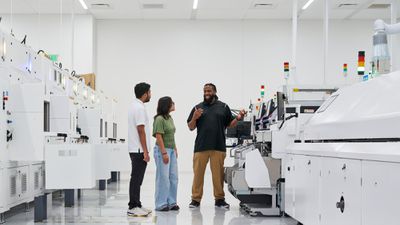
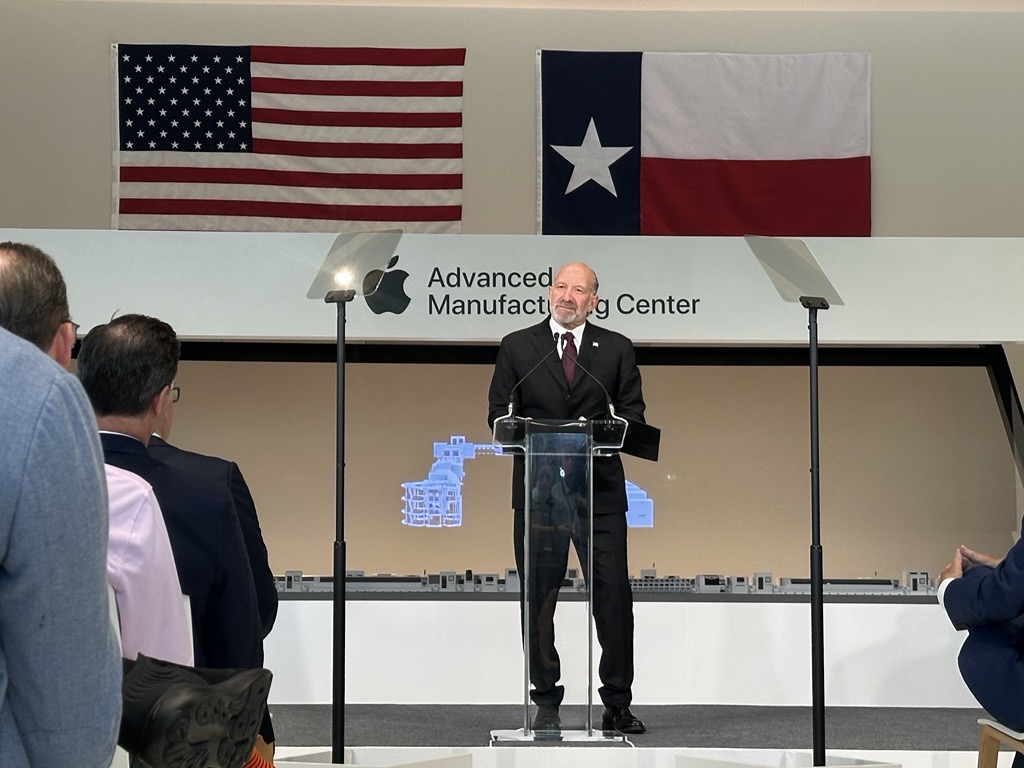
Apple's opening of its 20,000-square-foot Advanced Manufacturing Center (AMC) in Houston on August 13, 2026, represents a watershed moment for US-based electronics manufacturing and cross-border supply chain logistics. This facility, combined with the Detroit Manufacturing Academy (launched August 2025, training nearly 1,000 American companies), signals Apple's commitment to its $600 billion American Manufacturing Program—a strategic pivot away from overseas production toward domestic reshoring. The Houston AMC will co-locate with Apple's AI server production and Mac Mini manufacturing (launching late 2026), creating a vertically integrated advanced manufacturing hub in Texas.
For cross-border e-commerce sellers, this reshoring trend creates three immediate logistics opportunities: (1) Domestic Component Sourcing: Electronics sellers currently importing components from Asia can now source PCB assemblies, custom silicon, and advanced components from US-based suppliers trained through Apple's program, reducing lead times from 45-60 days (China/Vietnam) to 14-21 days (Texas/Detroit). This cuts inventory carrying costs by 25-35% and improves cash flow for sellers managing 500+ SKUs. (2) Warehouse Positioning: Houston emerges as a critical fulfillment hub. Sellers should evaluate 3PL partnerships in the Houston/Dallas corridor to position inventory closer to US demand centers, reducing last-mile costs by 8-12% compared to West Coast distribution. (3) Logistics Cost Restructuring: Ocean freight from Asia (currently $800-1,200/40ft container) will face competition from domestic trucking ($2,400-3,200/truckload for equivalent volume). For sellers shipping 50+ containers monthly, domestic sourcing becomes cost-competitive when factoring in tariff avoidance (currently 15-25% on electronics) and reduced customs clearance delays (5-7 days vs. 1-2 days domestic).
The broader reshoring trend accelerates supply chain fragmentation. Apple's investment signals that US manufacturing is now viable for precision electronics at scale—a reversal of 20-year offshoring patterns. Small and medium-sized businesses gain access to Apple's proprietary manufacturing knowledge through free training programs, democratizing access to advanced automation, machine-learning-driven quality control, and smart manufacturing techniques. This creates a secondary opportunity: sellers can partner with trained US manufacturers to develop private-label electronics (smart home devices, IoT sensors, wearables) with 30-40% lower landed costs than imported equivalents, while capturing "Made in USA" premium pricing (5-15% price uplift on Amazon, eBay, Shopify). The facility's completion in under 9 months demonstrates execution velocity—Apple's supply chain is moving faster than traditional offshore manufacturing cycles, compressing product development timelines from 18-24 months to 12-15 months.
Questions 8
What are the specific product categories that benefit most from US manufacturing reshoring?
Electronics, IoT devices, smart home products, wearables, and precision components benefit most from US manufacturing reshoring. Apple's focus on custom silicon, advanced components, and cover glass production domestically signals these categories are now viable for US manufacturing at scale. Sellers should prioritize sourcing shifts for: (1) Smart home devices (Amazon Alexa competitors, smart speakers, hubs), (2) Wearables (fitness trackers, smartwatches, health monitors), (3) IoT sensors (environmental monitors, security devices), (4) Consumer electronics accessories (chargers, cables, adapters with custom connectors), (5) Precision components (PCB assemblies, custom silicon, connectors). These categories typically command 15-25% price premiums for 'Made in USA' positioning and benefit from faster lead times (14-21 days vs. 45-60 days). Sellers should audit their top 20 SKUs by revenue and identify which can be sourced domestically by Q4 2026.
How many US companies has Apple trained through its manufacturing programs?
Apple's Detroit Manufacturing Academy (launched August 2025) has trained nearly 1,000 American companies in advanced manufacturing processes. The Houston AMC (opened August 13, 2026) represents the second major training facility and is expected to accelerate this pace. The curriculum covers advanced manufacturing principles, PCB assembly design, machine-learning-driven quality control, advanced automation, and smart manufacturing techniques. Sellers should identify trained manufacturers in the Apple network by visiting the Manufacturing Academy website or contacting the Houston AMC directly. These trained suppliers offer competitive advantages: access to cutting-edge equipment, Apple-validated processes, and workforce expertise typically unavailable at small/medium business scale. Sellers can leverage this network to develop domestic supply chains for electronics, components, and precision manufacturing.