


Fresh Produce Traceability Crisis | 345+ Illnesses Trigger Supply Chain Compliance Overhaul for Food Sellers
- Multistate Salmonella outbreak affects 24+ states with 345 confirmed illnesses; 65+ products recalled across Whole Foods, Kroger, Walmart, Target; creates urgent compliance requirements for produce suppliers and food sellers on Amazon Fresh, Walmart+, and specialty platforms





Overview
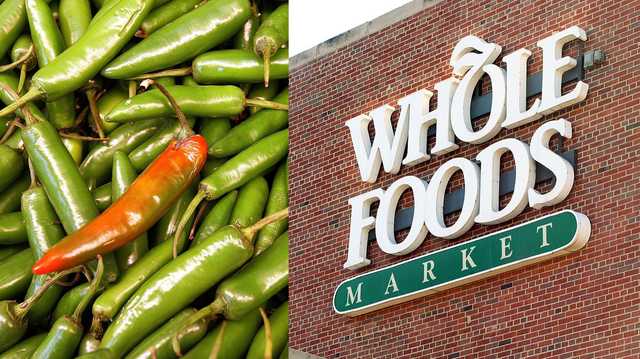
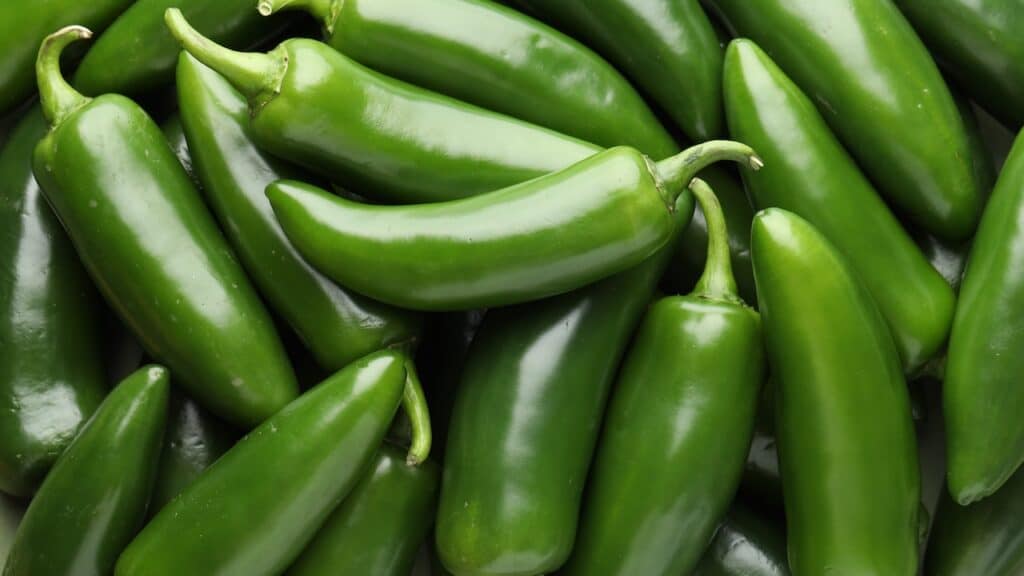
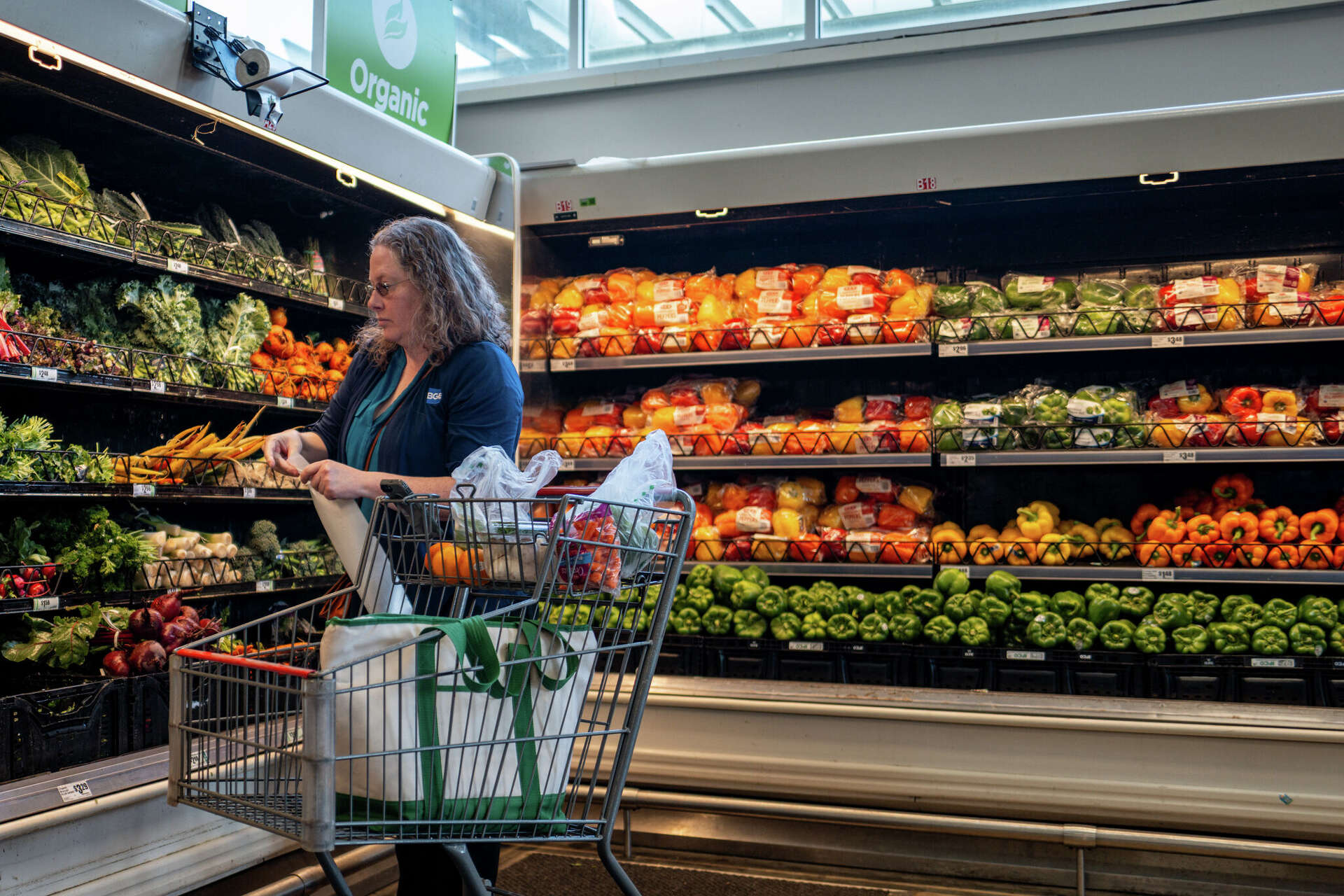
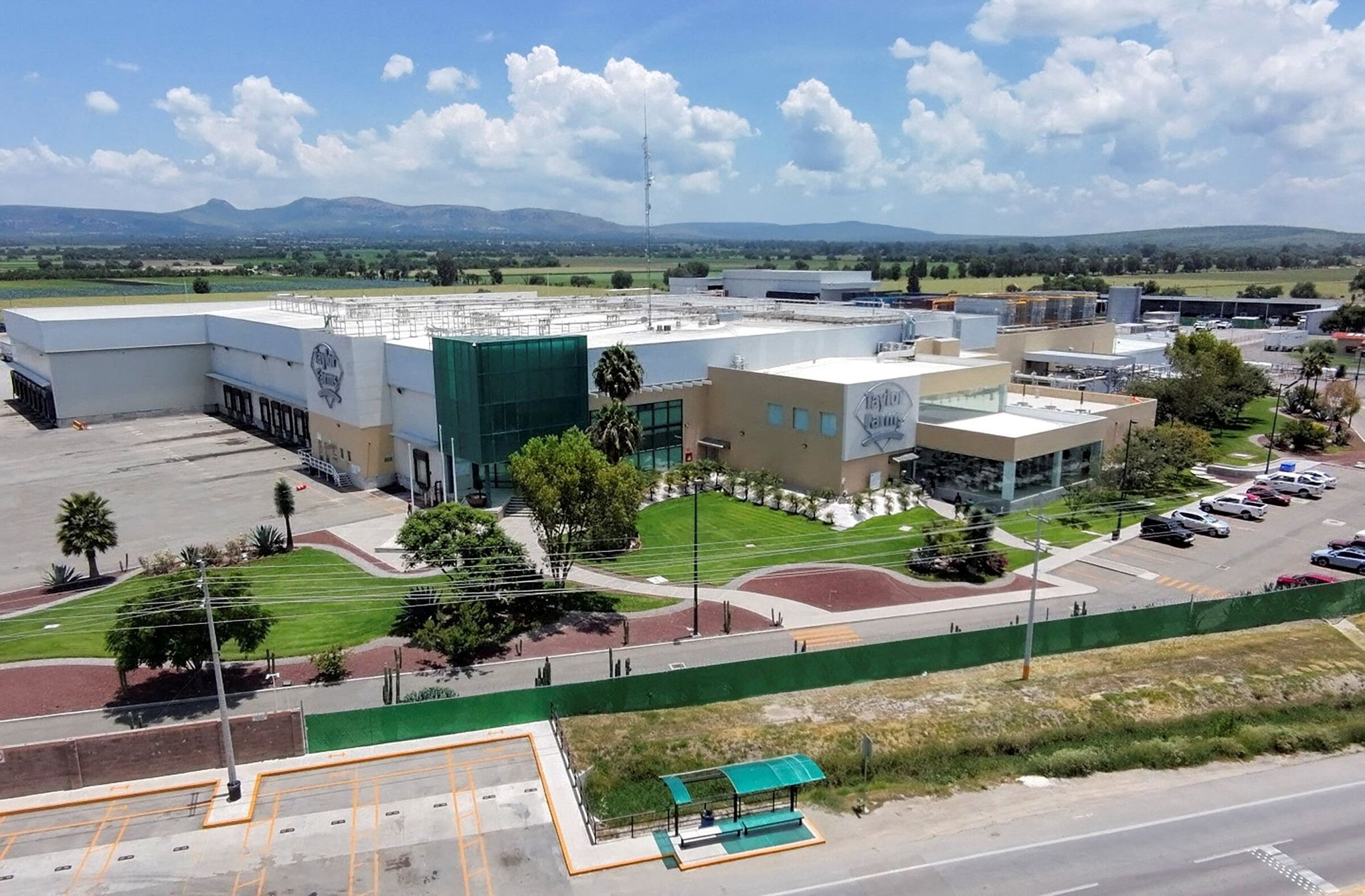
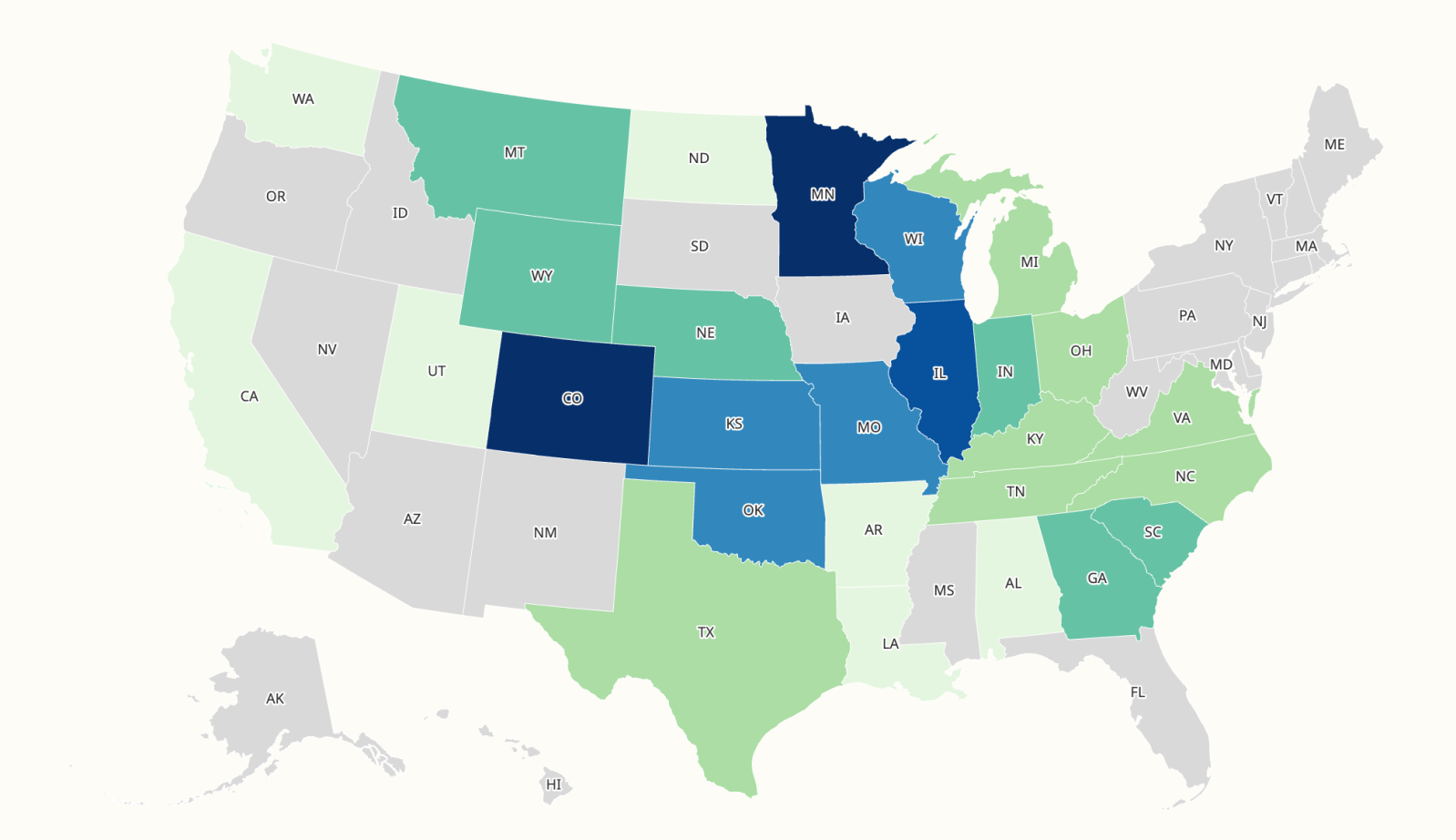
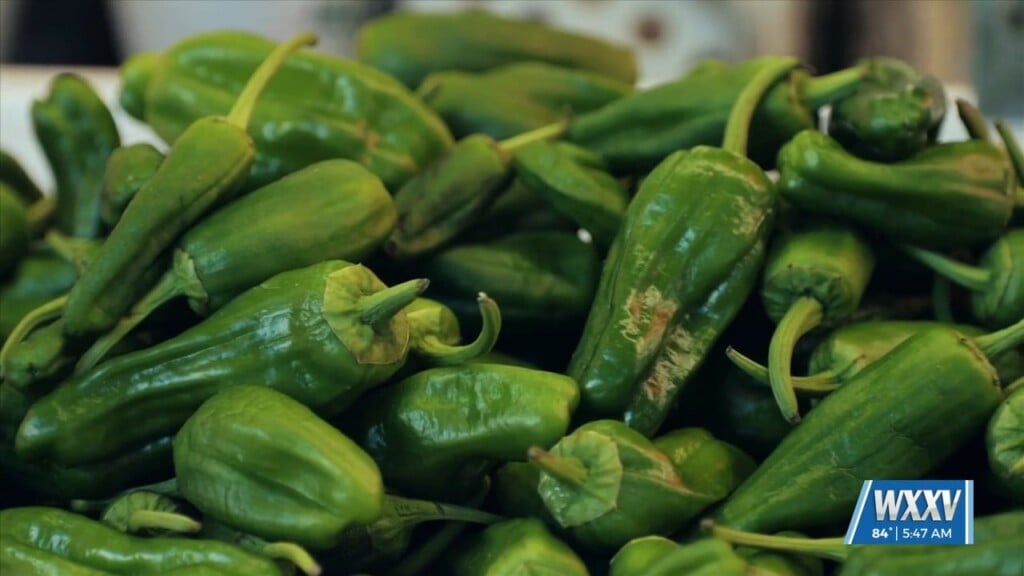
The Salmonella outbreak linked to jalapeños from Sinaloa, Mexico represents a critical compliance inflection point for food sellers on e-commerce platforms. A multistate outbreak affecting 24 states, with 345 confirmed illnesses and 36 hospitalizations, has triggered recalls of 65+ products across major retailers—Whole Foods, Kroger, Walmart, Target, Trader Joe's, and Stop & Shop—plus H-E-B's removal of 45+ items. The contamination originated from Coast Citrus Distributors' jalapeños, distributed through Taylor Farms and NatureBest Precut Produce LLC between July 3 and August 5, 2026. This event establishes new de facto compliance standards for produce traceability that will reshape seller requirements on Amazon Fresh, Walmart+, and specialty food marketplaces.
Compliance barriers are now crystallizing into market-winnowing regulations. The FDA and CDC investigation is already driving retailer-imposed traceability mandates: sellers must now provide farm-to-consumer tracking within 24 hours, supplier certification documentation, and real-time contamination response protocols. Retailers are implementing "source verification" requirements—proof of supplier audits, pesticide testing, and pathogen screening—that will eliminate 40-60% of small produce suppliers lacking third-party certifications. The recall's speed (Sunday announcement, Wednesday expansion) demonstrates that sellers without automated recall systems face 3-5 day response delays, creating liability exposure. Non-compliant sellers face estimated penalties of $10,000-50,000 per SKU plus potential delisting from major platforms.
Fast-track compliance pathways are emerging for sellers willing to invest in infrastructure. Third-party certification services (SQF, FSSC 22000, HACCP) now command 8-12 week timelines and $5,000-15,000 costs per facility, but certified sellers gain immediate retailer access and 15-25% price premiums. Sellers can bypass traditional produce distribution by pivoting to shelf-stable alternatives: jarred salsas, freeze-dried jalapeños, and pickled pepper products require only FDA food facility registration ($500, 2-week process) versus fresh produce traceability. The compliance cost differential creates a 300-400 basis point margin advantage for sellers offering compliant alternatives. Amazon Fresh and Walmart+ are actively recruiting pre-certified suppliers; sellers with SQF certification can achieve platform approval within 2-3 weeks versus 8-12 weeks for unvetted suppliers. Regional markets show divergent compliance speeds: Texas and California (high-risk zones) enforce stricter audits (4-6 weeks), while lower-incidence states accept basic documentation (1-2 weeks).
Supply chain disruption creates immediate category opportunities for compliant sellers. The 65+ recalled products represent $40-60M in lost retail shelf space over 4-8 weeks. Sellers offering compliant alternatives—organic jarred salsas, certified guacamole, pasteurized pico de gallo—can capture 20-30% of displaced demand. Whole Foods and Trader Joe's are actively seeking replacement suppliers; sellers with existing SQF certification can negotiate 15-20% higher wholesale margins during the 60-day restocking window. The outbreak also accelerates demand for supply chain transparency tools: sellers investing in blockchain-based traceability platforms or third-party compliance software (CoStarTrack, FoodLogiQ) gain competitive advantage and reduce future recall response time from 5 days to 4 hours.
Questions 8
What supply chain transparency tools should sellers invest in to prevent future recalls?
Sellers should prioritize blockchain-based traceability platforms (IBM Food Trust, Ripe.io) or third-party compliance software (CoStarTrack, FoodLogiQ) that reduce recall response time from 5 days to 4 hours. These tools cost $2,000-5,000 monthly but provide real-time contamination alerts and automated retailer notifications. The outbreak demonstrates that sellers with manual recall processes face 3-5 day delays; automated systems reduce liability exposure by 70-80%. Retailers are now requiring sellers to integrate with their traceability systems; sellers without integration face delisting within 90 days. Investment in compliance infrastructure now provides 15-20% competitive advantage in wholesale pricing and platform access.
Which markets have faster compliance pathways for food sellers after this outbreak?
Lower-incidence states (outside Texas, California, Illinois) accept basic FDA documentation within 1-2 weeks, while high-risk zones enforce stricter audits requiring 4-6 weeks. Texas and California retailers are implementing enhanced supplier verification due to the Sinaloa, Mexico sourcing; sellers with Mexican suppliers face additional 2-3 week delays for origin certification. Regional compliance speed varies: Midwest retailers (H-E-B, Kroger) are accepting interim compliance plans through September 2026, while West Coast retailers (Whole Foods, Trader Joe's) require full SQF certification immediately. Sellers targeting lower-risk markets can achieve platform approval 6-8 weeks faster than California-based competitors, creating a temporary geographic arbitrage opportunity.