



JD.com Q2 2026 Earnings Beat | Profitability Surge Signals Platform Fee Optimization Risk for Cross-Border Sellers
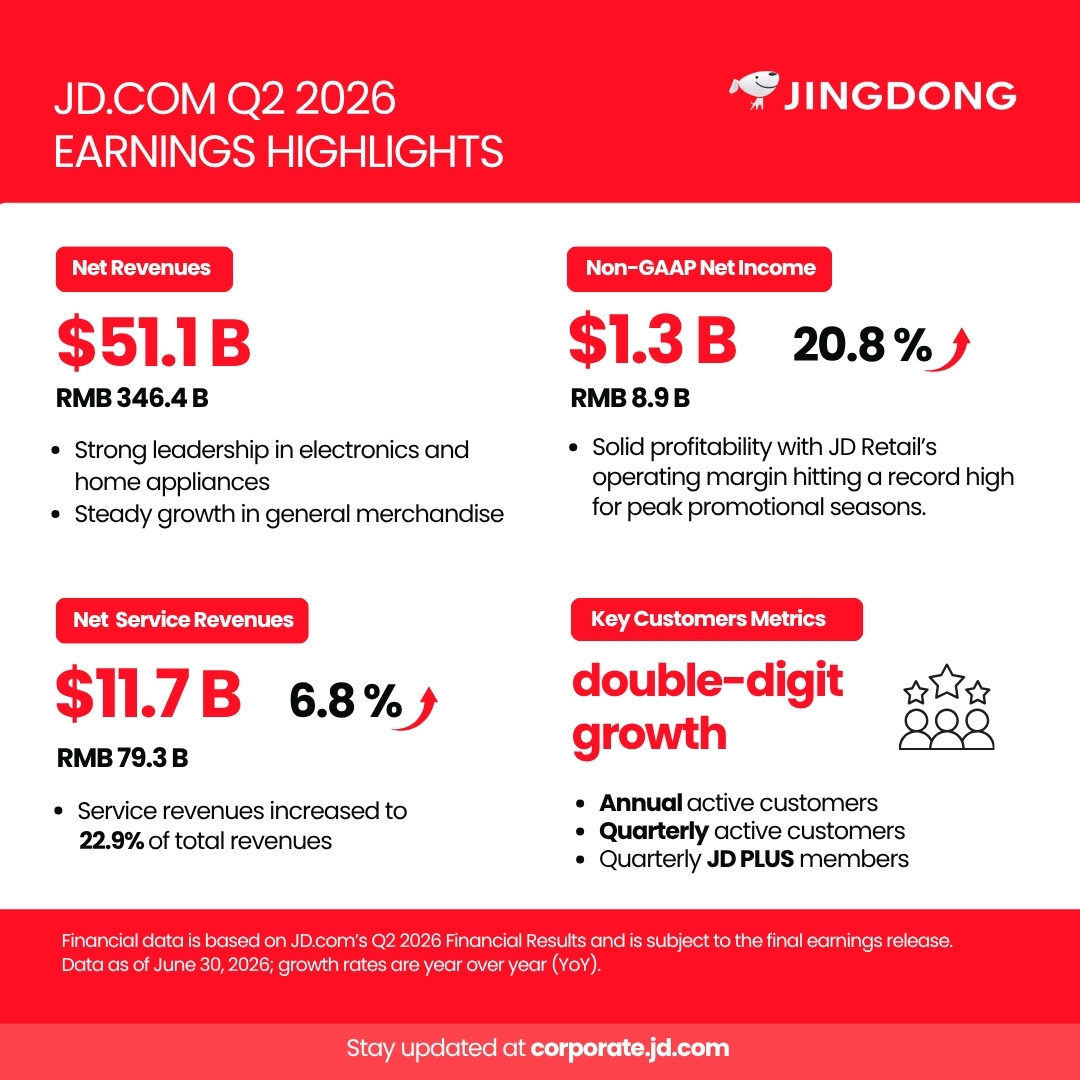
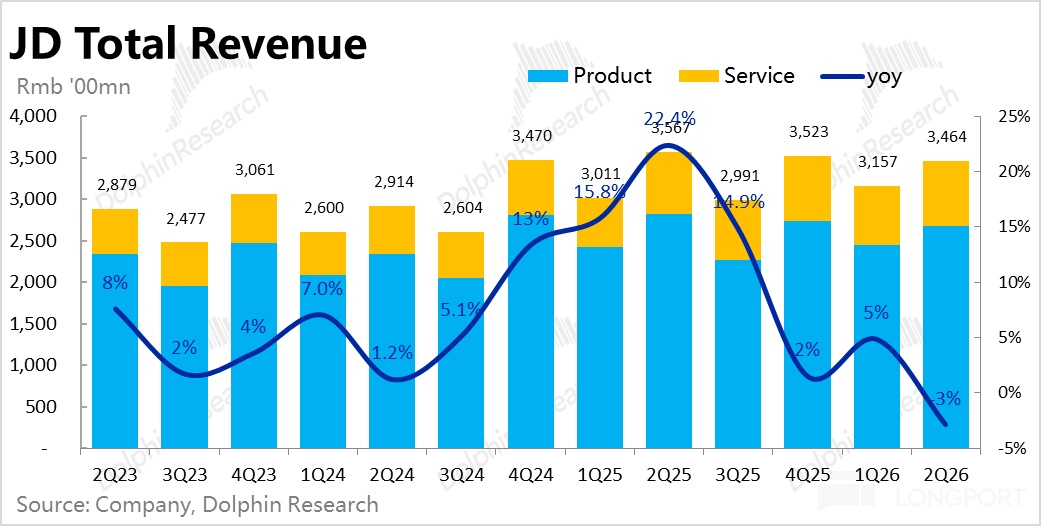
- JD.com reports RMB346.4B revenue (+1% beat) with 2.9% YoY decline; EPS RMB6.29 (+11.7% beat); stock drops 2-7.31% despite earnings beat, signaling investor concerns about China's saturated e-commerce market and potential commission rate increases for sellers


















Overview
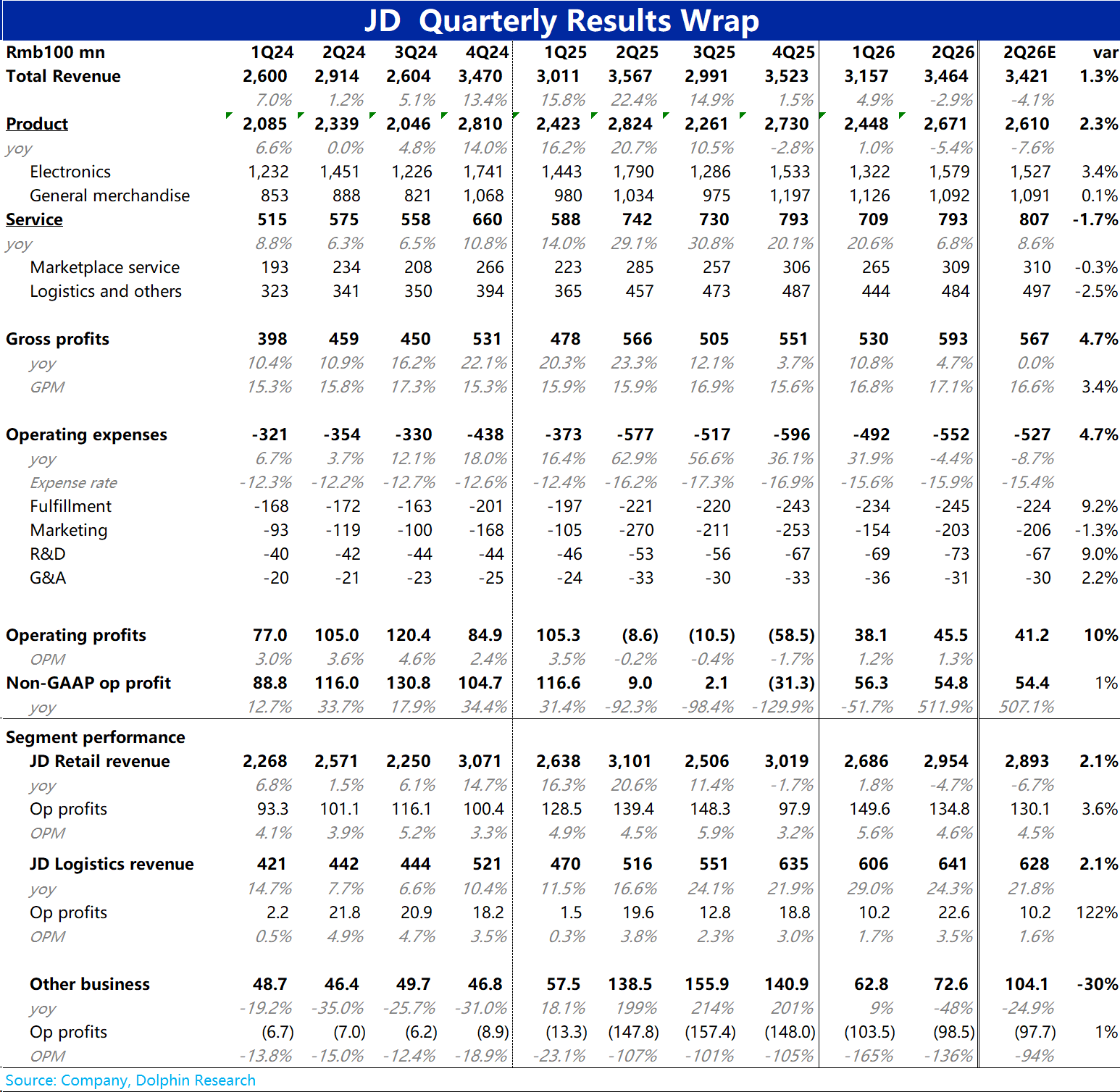
JD.com's Q2 2026 earnings paradox reveals critical implications for cross-border sellers targeting China's e-commerce market. The platform reported revenue of RMB346.4 billion (surpassing RMB342.7B consensus by 1%) and earnings per share of RMB6.29 (beating RMB5.63 consensus by 11.7%), yet stock prices declined 2-7.31% across multiple trading sessions (August 13-15, 2026). This disconnect between operational strength and market pessimism reflects investor concerns about revenue growth deceleration (2.9% YoY decline) in China's mature, saturated e-commerce landscape. CEO Sandy Xu emphasized "strong bottom-line growth, marking a clear inflection in our profit trajectory," driven by JD Retail's solid profitability and JD Food Delivery's narrowing losses (approaching breakeven). Non-GAAP operating margin expanded to 1.6%, demonstrating aggressive cost optimization.
For cross-border sellers, this earnings pattern signals imminent platform economics shifts. JD.com's focus on margin expansion while managing revenue headwinds historically precedes commission rate increases or stricter seller fee structures. The platform's improved profitability enables investment in logistics infrastructure and seller tools, but also creates pressure to extract higher margins from seller operations. The extended 618 shopping festival promotional period (China's largest annual retail event) provided Q2 sales momentum, but the underlying 2.9% revenue decline indicates weakening consumer spending and intensifying competition from Alibaba, Pinduoduo, and emerging platforms. Sellers should interpret the stock decline as a warning signal: investor skepticism about growth sustainability may prompt JD.com management to optimize seller fee structures to maintain profitability targets. Year-to-date stock performance (10.1% appreciation) underperforming the broader market index (13.2% gain) suggests institutional investors view JD.com's growth trajectory as challenged relative to market opportunities.
Strategic implications for seller operations are substantial. JD.com's narrowing food delivery losses indicate successful resource reallocation toward core e-commerce profitability, potentially freeing capital for platform feature enhancements and logistics expansion. However, the paradoxical market reaction—positive fundamentals coupled with negative price action—historically precedes platform policy changes affecting seller economics. Sellers should monitor upcoming quarterly guidance and management commentary for signals about commission rate adjustments, storage fee modifications, or new seller tier requirements. The platform's continued profitability supports its viability as a distribution channel for reaching Chinese consumers, but the stock volatility indicates investor caution about near-term growth acceleration. For sellers evaluating inventory investment on JD.com, the earnings report confirms platform stability and continued investment capacity, but the revenue decline signals market saturation requiring more aggressive promotional strategies and inventory optimization to maintain sales velocity.
Questions 8
What does JD.com's margin expansion mean for cross-border seller fees?
JD.com's focus on margin optimization (Non-GAAP operating margin reached 1.6%) while managing revenue headwinds historically precedes commission rate increases or stricter seller fee structures. CEO Sandy Xu's emphasis on 'strong bottom-line growth' and 'clear inflection in profit trajectory' suggests the platform is prioritizing profitability extraction. Cross-border sellers should monitor upcoming guidance for potential changes to seller tier requirements, storage fees, or commission rates. The platform's improved profitability enables investment in logistics and seller tools, but also creates pressure to extract higher margins from seller operations.
Why did JD.com stock drop despite beating earnings expectations?
JD.com's stock declined 2-7.31% despite reporting RMB346.4B revenue (+1% beat) and RMB6.29 EPS (+11.7% beat) because investors focused on the 2.9% year-over-year revenue decline, signaling market saturation and weakening consumer spending in China's mature e-commerce sector. The market reaction reflects investor concerns about growth sustainability rather than near-term profitability improvements. Year-to-date, JD.com shares appreciated only 10.1% versus the broader market index's 13.2% gain, indicating institutional skepticism about the platform's growth trajectory relative to competitors like Alibaba and Pinduoduo.