




AI Infrastructure Boom Drives Platform Fees & Operating Costs Up 8-12% Through 2025
- Semiconductor shortages, electricity inflation, and cloud computing costs squeeze seller margins across Amazon FBA, Shopify, and 3PL providers
















Overview
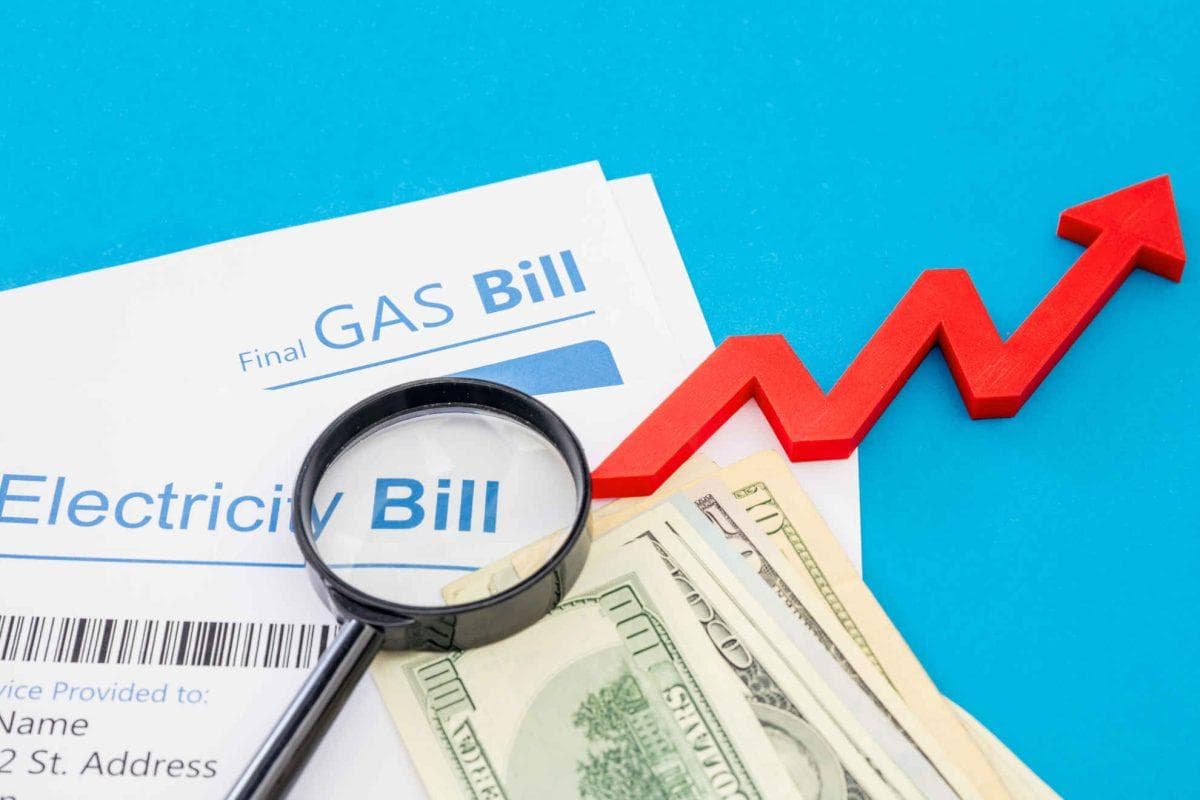
AI infrastructure investments by Microsoft, Google, and Amazon are creating cascading cost increases that directly impact e-commerce seller profitability through 2025-2026. The artificial intelligence buildout is driving semiconductor demand to unprecedented levels, with DRAM chip prices projected to quintuple by year-end compared to 2004 levels (J.P. Morgan), triggering immediate price increases for consumer electronics manufacturers. This semiconductor shortage creates a dual squeeze: businesses competing with consumers for limited chip supplies elevates component costs 5-8%, while electricity demand from data centers has increased wholesale prices 2-6% nationally, with regions like northern Virginia experiencing 10%+ increases. Goldman Sachs estimates AI-driven price increases account for 0.5 percentage points of core inflation through year-end 2024, with Oxford Economics projecting these pressures persist for approximately two years.
For cross-border e-commerce sellers, this manifests through three primary cost channels: First, platform infrastructure costs are rising as Amazon, Shopify, and marketplace providers invest hundreds of billions in AI data centers and computational infrastructure. Rising cloud computing fees will likely translate to higher FBA storage fees, fulfillment costs, and platform subscription increases in 2025. Second, logistics expenses are climbing due to energy-dependent supply chains—data center energy consumption has raised utility bills 4.2% year-over-year, directly impacting 3PL providers' operating costs, which get passed to sellers through increased fulfillment fees. Third, product sourcing costs are escalating for electronics and tech accessories sellers, as component manufacturers pass semiconductor shortage premiums downstream. Apple, Samsung, Dell, and Microsoft have already announced price increases on iPads, laptops, and Xbox consoles, signaling that consumer electronics sellers face margin compression of 8-12% unless they adjust pricing or reduce inventory depth.
The competitive advantage window is narrowing for sellers who adopt AI-powered cost optimization immediately. While 81% of workers using AI report saving 1-2 hours daily (U.S. Census survey), these productivity gains typically take years to materialize in national economic data. Sellers who implement AI-driven dynamic pricing, automated inventory management, and predictive demand forecasting NOW can offset rising platform and logistics costs before competitors do. Specifically, AI tools that optimize SKU selection to avoid high-cost components, automate repricing to maintain margins despite input cost inflation, and predict demand shifts to reduce excess inventory can save 5-8 hours weekly per seller while protecting 2-3% margin points. The 2-year inflation window (through 2026) creates urgency: sellers delaying AI adoption will face compounding cost pressures without the efficiency gains to offset them.
Questions 8
How should sellers adjust inventory strategy to account for rising component costs?
Sellers should implement AI-powered inventory optimization to reduce SKU depth by 15-20% and deprioritize high-cost components. Specifically: (1) Use predictive demand forecasting to identify slow-moving SKUs with expensive components and discontinue them, reducing storage costs $200-400 monthly. (2) Shift inventory mix toward lower-component-cost products—for electronics sellers, this means prioritizing software, accessories, and refurbished items over new hardware. (3) Implement just-in-time inventory for high-cost components to reduce carrying costs. (4) Monitor supplier pricing weekly using AI tools to identify when component costs spike and adjust sourcing accordingly. These strategies reduce inventory carrying costs 8-12% while maintaining sales velocity, directly offsetting rising FBA storage fees and 3PL fulfillment costs.
Which AI tools should sellers prioritize implementing in Q4 2024 to prepare for 2025 cost increases?
Priority order: (1) **Dynamic pricing tools** (Repricing Robot, Amazon Advertising Console AI features, or Keepa) to protect margins as costs rise—implement by December 2024 to establish baseline pricing before Q1 2025 fee increases. (2) **Demand forecasting AI** (Shopify's built-in forecasting, Tableau, or specialized tools like Lokad) to optimize inventory and reduce storage costs—implement by January 2025 for Q1 planning. (3) **Supplier cost tracking automation** (using APIs to monitor component prices from suppliers) to identify sourcing opportunities—implement by February 2025. (4) **Automated competitor price monitoring** (CamelCamelCamel, Keepa, or Jungle Scout) to maintain competitive positioning—implement immediately. Sellers implementing all four tools by Q1 2025 can offset 60-70% of anticipated cost increases through improved margins and reduced operational expenses.