

Uganda's Descent into Electoral Intimidation: State Suppression Threatens Democratic Processes
- Systematic Abductions Expose Deepening Political Repression Ahead of Critical National Elections


)

)





Overview
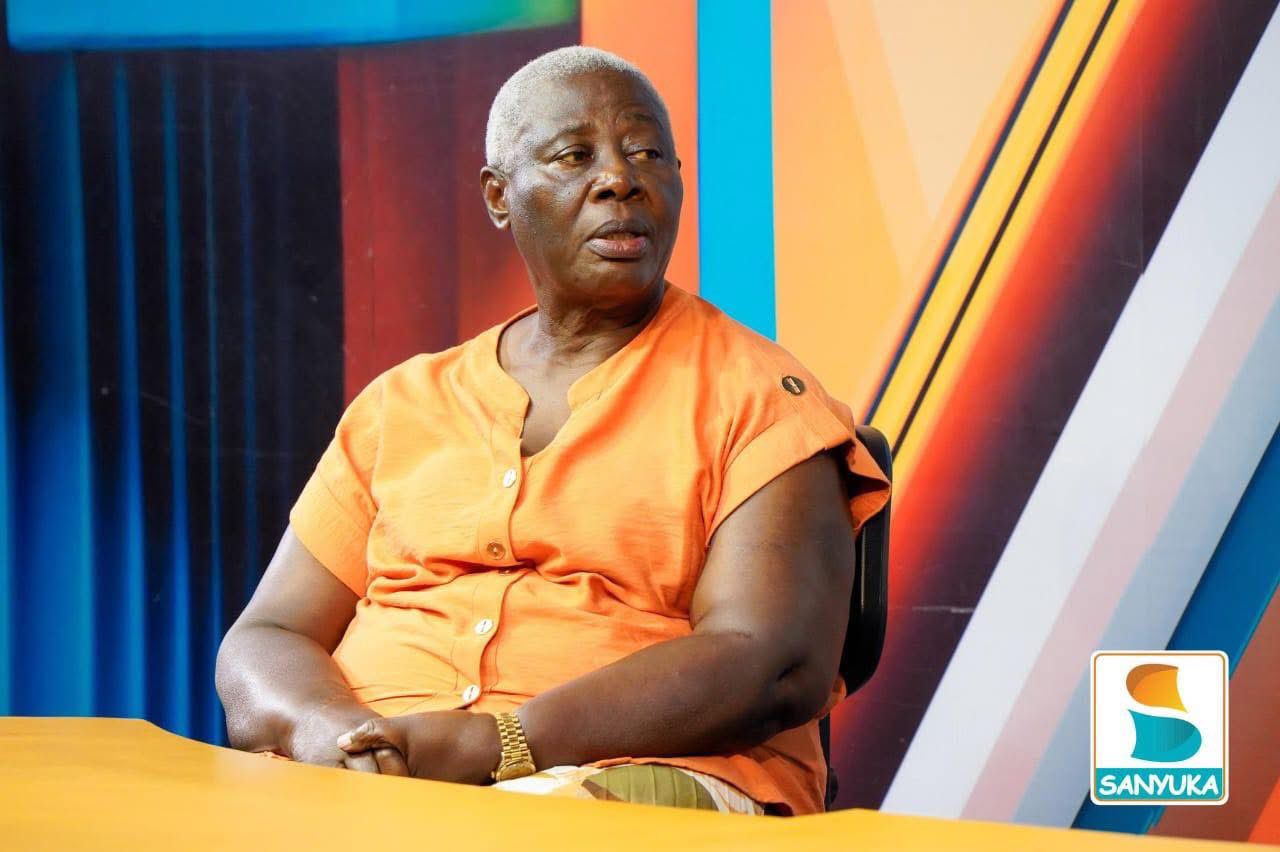
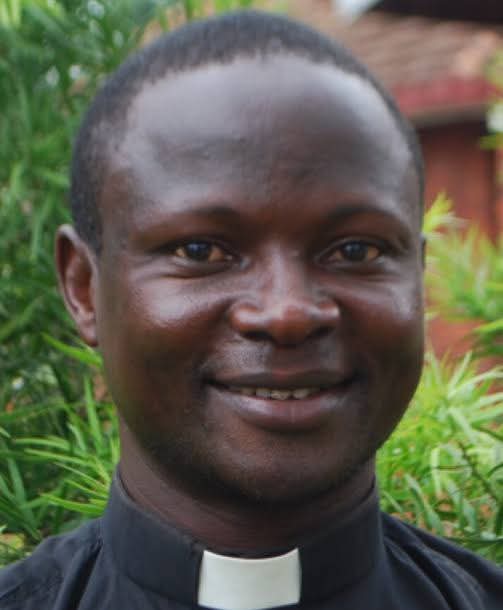
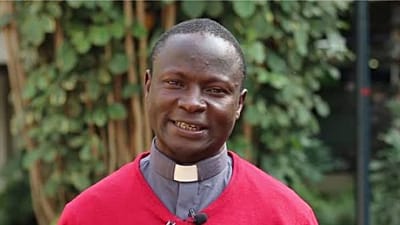
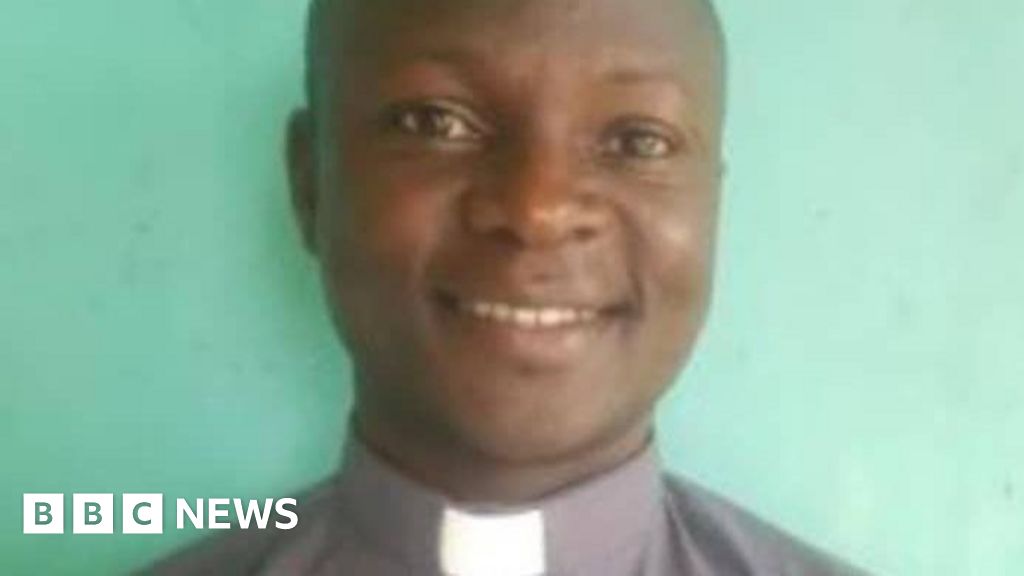
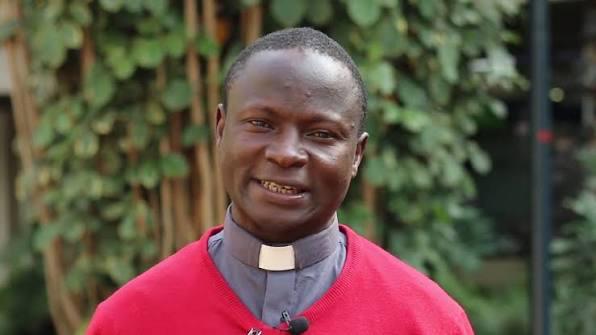
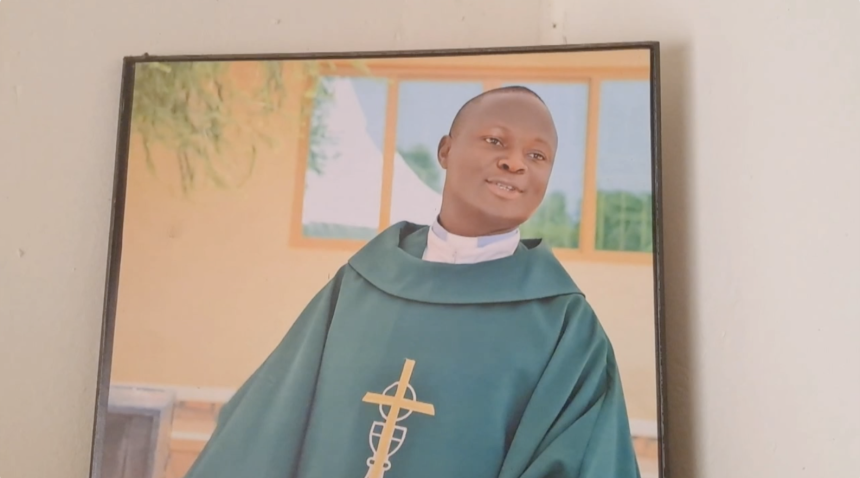
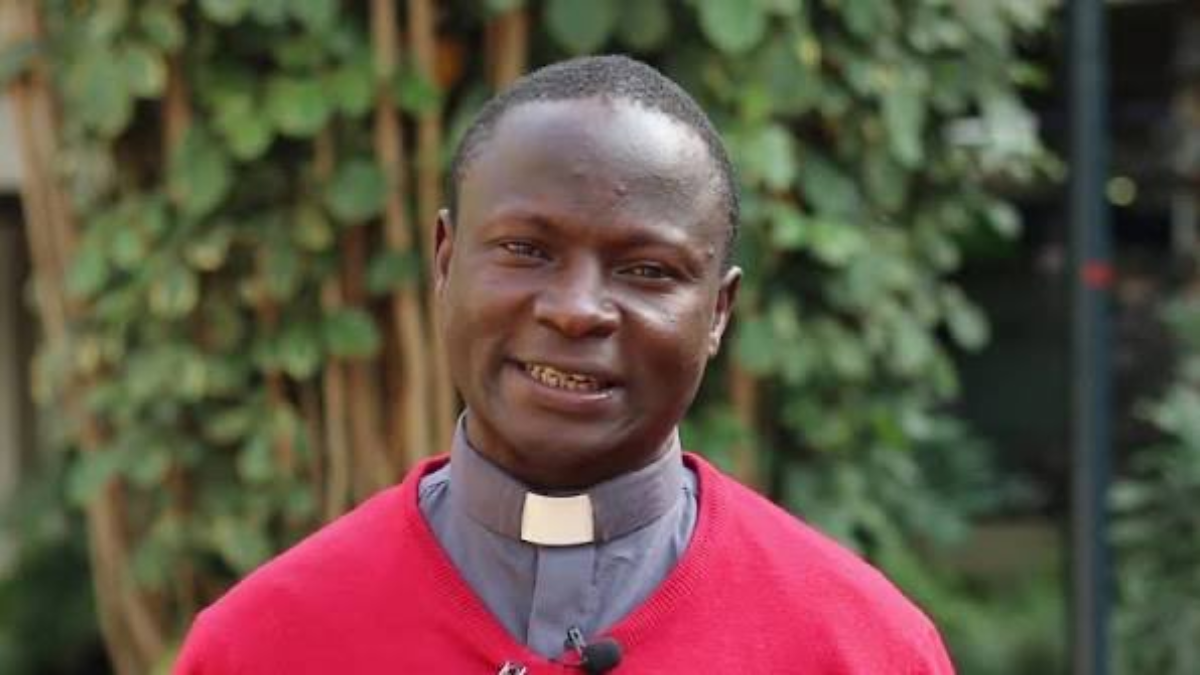
The unfolding political crisis in Uganda reveals a systematic strategy of state-sponsored intimidation designed to suppress opposition and civil society voices ahead of upcoming national elections. The detention of Rev. Fr. Deusdedit Ssekabira and abduction of Sarah Nambogo represent a calculated pattern of targeted suppression that goes beyond isolated incidents, signaling a coordinated effort to control political discourse.
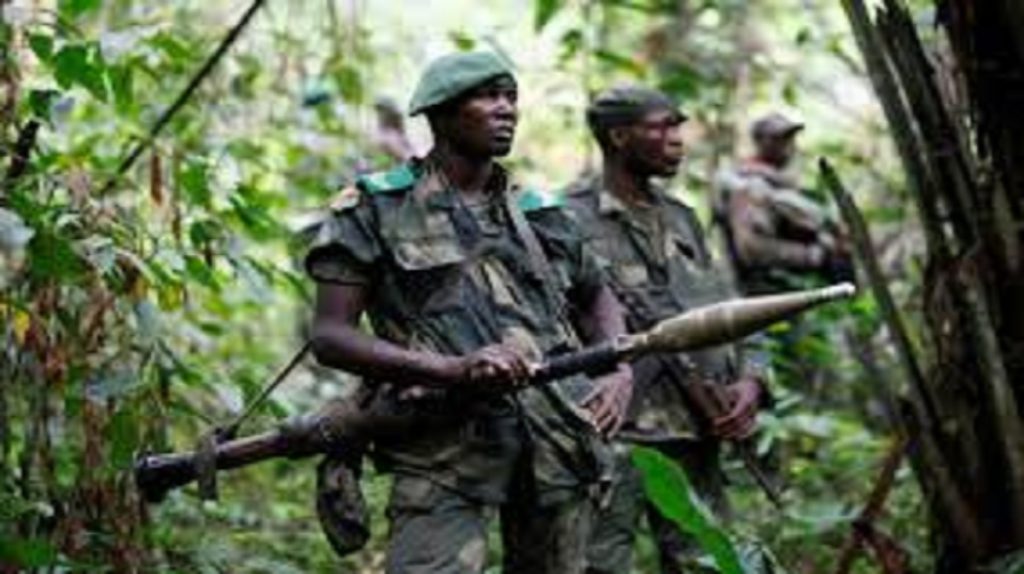
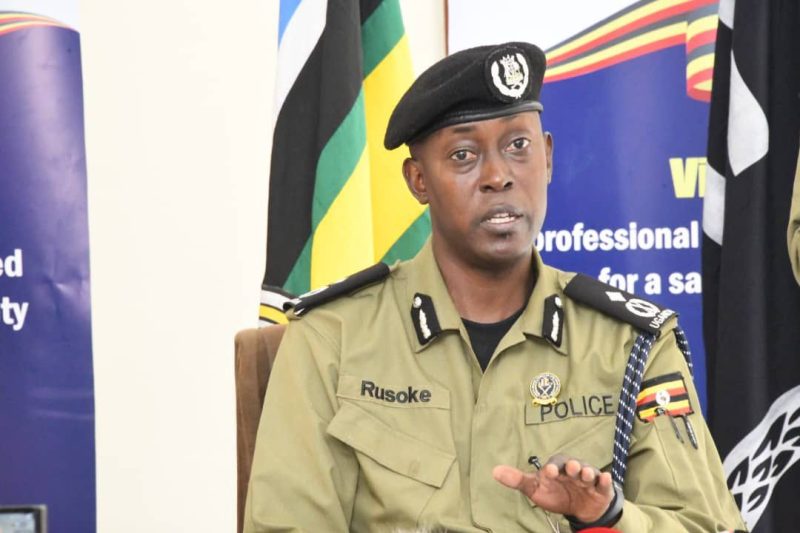
The Ugandan military's actions demonstrate a deliberate approach to neutralizing potential opposition. By detaining a Catholic priest and abducting a prominent civilian, the government is sending a clear message: no institutional or social position provides immunity from state intervention. Opposition leader Bobi Wine's allegations of widespread abductions underscore a broader pattern of political persecution that extends beyond individual cases.
These developments expose critical vulnerabilities in Uganda's democratic infrastructure. The military's claims of "violent subversive activities" serve as a convenient pretext for silencing dissent, with President Yoweri Museveni's regime characterizing detained individuals as "experts in riots". This rhetoric reveals a strategic framework for delegitimizing opposition voices and maintaining tight political control.
The timing is particularly significant. With national elections approaching, these actions represent a preemptive strike against potential challenges to the current political establishment. The systematic nature of these abductions – targeting religious figures, activists, and prominent citizens – suggests a sophisticated strategy of political intimidation designed to create an atmosphere of fear and compliance.
International human rights organizations are likely to intensify scrutiny of Uganda's electoral processes. The pattern of enforced disappearances, prolonged detentions without clear charges, and the targeting of diverse societal actors point to a systemic erosion of civil liberties that threatens the fundamental principles of democratic governance.
Questions 3
What patterns suggest these are coordinated political suppression efforts rather than isolated incidents?
The systematic targeting of diverse societal actors - a Catholic priest, a prominent civilian, and opposition supporters - indicates a deliberate strategy. The timing near elections, vague allegations of 'subversive activities', and lack of transparent legal processes all point to a coordinated effort to intimidate and control political discourse.
What international responses can be expected to these human rights concerns?
International human rights organizations are likely to increase diplomatic pressure, potentially recommending election monitoring, sanctions, or UN human rights investigations. The systematic nature of these abductions provides strong evidence for claims of state-sponsored political repression.