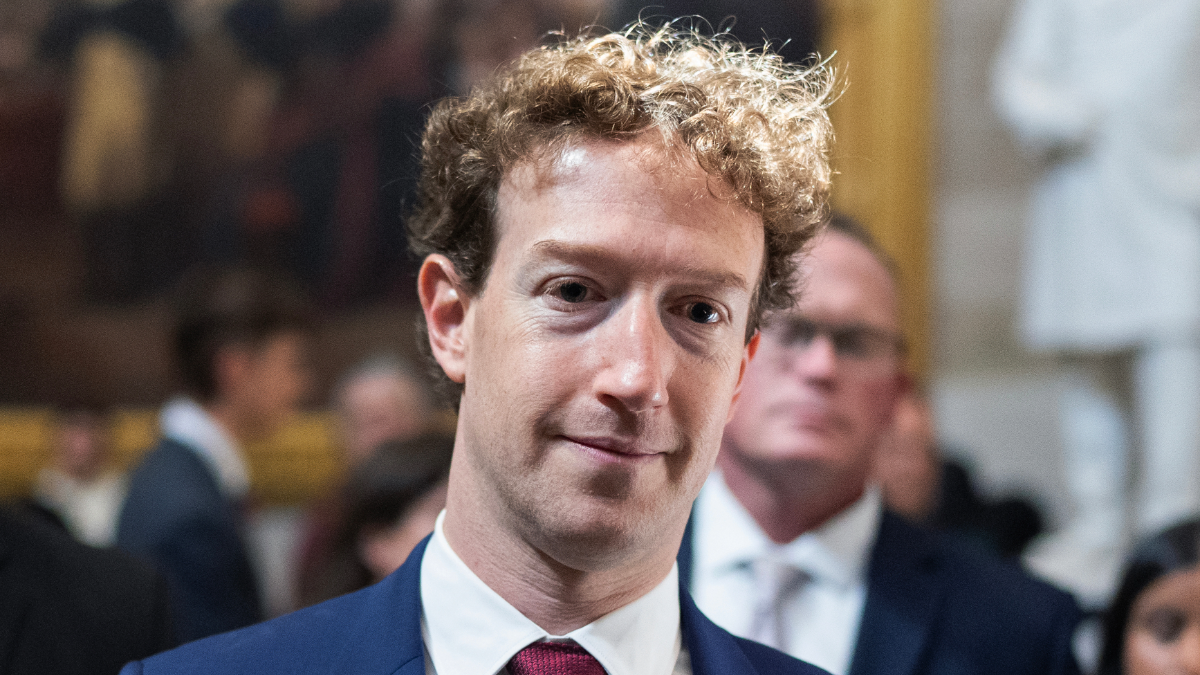




Meta faces a critical credibility gap between Mark Zuckerberg's August 2026 "Future is for Everyone" AI manifesto and operational reality, according to Roy L. Austin Jr., former Meta VP of Civil Rights. This contradiction directly impacts e-commerce sellers who depend on Meta's advertising platforms (Facebook, Instagram, TikTok Shop integration) for customer acquisition. Austin documents that Meta disbanded internal responsible AI and civil rights compliance teams following the 2023 "Year of Efficiency" directive, which eliminated thousands of non-engineering roles while prioritizing engineer-to-staff ratios. This organizational shift signals reduced investment in content moderation infrastructure—a critical concern for sellers whose products are advertised alongside scams, hateful content, and discriminatory material.
The platform credibility crisis creates three direct seller risks: First, Meta's ad-subsidized model historically amplifies scams and discrimination, damaging brand safety for sellers using Meta's 3.2 billion monthly active users. Sellers in beauty, electronics, and apparel categories face reputational risk when their ads appear adjacent to prohibited content. Second, the withdrawal from RE100 renewable energy commitments due to massive data center natural gas consumption signals Meta's deprioritization of environmental compliance—relevant for sellers marketing sustainable products or facing EU Green Claims Directive scrutiny. Third, Meta's open-source AI models lack community standards enforcement, creating unmoderated content risks that could trigger regulatory action affecting ad platform availability.
For sellers using Meta's advertising ecosystem, the manifesto-reality gap indicates declining institutional commitment to platform safety and compliance. The news reveals Meta spent tens of millions opposing AI regulation while simultaneously dismantling internal ethics oversight—a contradiction that suggests future regulatory enforcement could disrupt ad delivery without warning. Sellers relying on Meta ads for 30-50% of customer acquisition face platform risk if regulators mandate sudden compliance changes. The 22% of Americans lacking broadband and 83% global internet access gap also indicates Meta's "free AI tools" promise excludes underserved markets where sellers target price-sensitive demographics. This creates a two-tier customer base: affluent users with reliable ad targeting versus underserved populations vulnerable to scams Meta's weakened moderation enables.
The news reports 22% of Americans lack broadband internet and 83% globally lack internet access, creating a two-tier customer base on Meta platforms. Sellers targeting price-sensitive demographics in underserved regions face reduced audience reach and higher customer acquisition costs, as Meta's 'free AI tools' promise excludes populations without reliable connectivity. This digital inequality means sellers' AI-powered targeting on Meta reaches affluent, connected users while missing underserved markets—limiting total addressable market for sellers in categories like budget electronics, affordable apparel, and value home goods. Sellers should supplement Meta's targeting with offline-to-online strategies (QR codes, SMS marketing, local partnerships) to reach underserved populations, and consider alternative platforms with stronger presence in emerging markets (Shopee, Lazada, Tokopedia).
Meta's open-source AI models lack even weakened community standards enforcement, creating unmoderated content risks that could trigger regulatory action affecting the entire ad platform. The news reports Meta accommodated users promoting racial discrimination following White House pressure, indicating the company deprioritizes content moderation when facing political pressure. Sellers face platform risk if regulators mandate sudden compliance changes or restrict ad delivery to enforce content standards. This suggests Meta could face enforcement actions (similar to FTC settlements) that disrupt ad platform availability without warning. Sellers should maintain 30-60 days of cash reserves for ad spend disruptions, diversify customer acquisition channels beyond Meta, and monitor regulatory developments in AI content moderation (EU AI Act, proposed US AI regulation) that could affect platform operations.
The news reports Meta spent tens of millions opposing political candidates supporting AI regulation while simultaneously dismantling internal ethics oversight—a contradiction indicating Meta prioritizes business expansion over regulatory compliance. This suggests Meta could face sudden regulatory enforcement that disrupts ad platform operations without advance notice. Sellers relying on Meta ads for 30-50% of customer acquisition face platform risk if regulators mandate compliance changes. Sellers should treat Meta as a high-risk channel and implement contingency planning: maintain 60-90 days of customer data (email lists, SMS subscribers) to rebuild audiences if ad platform access is disrupted, diversify to Google Shopping (lower regulatory risk), Amazon Advertising (integrated with fulfillment), and TikTok Shop (separate regulatory framework). Document all ad performance metrics to quickly migrate campaigns if Meta faces enforcement action.
Austin's critique reveals Meta's stated commitment to ethical AI and civil rights contradicts organizational decisions (disbanded teams, reduced compliance investment, environmental withdrawal), indicating declining institutional commitment to platform safety. For sellers, this credibility gap signals Meta is deprioritizing the compliance infrastructure that protects ad platform stability. The news shows Meta's 'Year of Efficiency' prioritized engineer-to-staff ratios over compliance roles, suggesting future cost-cutting could further reduce content moderation and brand safety oversight. Sellers should treat Meta as a tactical customer acquisition channel (0-12 month ROI focus) rather than a strategic platform for long-term brand building. Allocate 40-50% of ad budget to owned channels (email, SMS, website) and diversified platforms (Google, Amazon, TikTok) to reduce Meta platform dependency and build resilience against sudden policy changes or regulatory disruption.
Meta's massive data center expansion (requiring withdrawal from renewable energy commitments) represents tens of billions in infrastructure investment, but the dismantled ethics teams suggest reduced spending on content moderation and brand safety systems. This imbalance—heavy infrastructure investment paired with reduced compliance oversight—creates platform reliability risk for sellers. Meta's open-source AI models lack community standards, indicating the company is deploying AI systems without adequate safeguards, which could trigger regulatory enforcement or platform outages. Sellers should expect potential ad cost increases (as Meta monetizes AI infrastructure through higher CPMs) and platform reliability issues (content moderation failures, ad delivery disruptions). Monitor Meta's quarterly earnings for ad pricing trends, and implement bid management strategies (automated rules, budget caps) to control customer acquisition costs as Meta likely increases ad prices to offset ethics team reductions.
Based on Austin's documented contradictions between Meta's manifesto and operational reality, sellers should immediately: (1) Audit brand safety settings in Meta Ads Manager and exclude placements adjacent to prohibited content categories; (2) Reduce Meta ad dependency from 40-50% to 25-30% of total customer acquisition budget within 60 days; (3) Build owned audience channels (email, SMS, website) to reduce platform concentration risk; (4) Document all ad performance metrics and customer data to enable rapid migration if Meta faces regulatory enforcement; (5) Monitor regulatory developments in AI content moderation (EU AI Act, US FTC actions) that could affect platform operations; (6) Diversify to Google Shopping, Amazon Advertising, and TikTok Shop to reduce single-platform risk. These actions cost 10-20 hours of setup time but reduce platform risk by 40-60% and improve long-term customer acquisition resilience.
Meta's decision to disband responsible AI and civil rights compliance teams following the 2023 'Year of Efficiency' directive directly reduces content moderation oversight on platforms where 2M+ e-commerce sellers advertise. Sellers face increased brand safety risk when their product ads appear adjacent to scams, hateful content, or discriminatory material—damaging customer trust and conversion rates. The news reports Meta eliminated mandatory training modules addressing community impact, suggesting reduced institutional capacity to prevent ad placement alongside prohibited content. Sellers should audit their brand safety settings in Meta Ads Manager and consider allocating 15-20% of ad budget to alternative platforms (Google Shopping, TikTok Shop, Amazon Advertising) to reduce platform concentration risk.
Meta's exit from the RE100 renewable energy initiative due to massive natural gas consumption for AI data centers contradicts environmental commitments that sellers rely on for marketing claims. Sellers promoting 'eco-friendly' or 'sustainable' products on Meta platforms face credibility risk if Meta's infrastructure contradicts those environmental narratives. The EU Green Claims Directive (effective 2026) requires substantiation of environmental claims, and Meta's public withdrawal from renewable energy commitments could trigger regulatory scrutiny of sellers' sustainability marketing on Meta platforms. Sellers should document their own supply chain sustainability independently rather than relying on platform-level environmental credentials, and consider diversifying to platforms with stronger renewable energy commitments (Shopify's carbon-neutral hosting, Amazon Climate Pledge Arena).
The news reports 22% of Americans lack broadband internet and 83% globally lack internet access, creating a two-tier customer base on Meta platforms. Sellers targeting price-sensitive demographics in underserved regions face reduced audience reach and higher customer acquisition costs, as Meta's 'free AI tools' promise excludes populations without reliable connectivity. This digital inequality means sellers' AI-powered targeting on Meta reaches affluent, connected users while missing underserved markets—limiting total addressable market for sellers in categories like budget electronics, affordable apparel, and value home goods. Sellers should supplement Meta's targeting with offline-to-online strategies (QR codes, SMS marketing, local partnerships) to reach underserved populations, and consider alternative platforms with stronger presence in emerging markets (Shopee, Lazada, Tokopedia).
Meta's open-source AI models lack even weakened community standards enforcement, creating unmoderated content risks that could trigger regulatory action affecting the entire ad platform. The news reports Meta accommodated users promoting racial discrimination following White House pressure, indicating the company deprioritizes content moderation when facing political pressure. Sellers face platform risk if regulators mandate sudden compliance changes or restrict ad delivery to enforce content standards. This suggests Meta could face enforcement actions (similar to FTC settlements) that disrupt ad platform availability without warning. Sellers should maintain 30-60 days of cash reserves for ad spend disruptions, diversify customer acquisition channels beyond Meta, and monitor regulatory developments in AI content moderation (EU AI Act, proposed US AI regulation) that could affect platform operations.
The news reports Meta spent tens of millions opposing political candidates supporting AI regulation while simultaneously dismantling internal ethics oversight—a contradiction indicating Meta prioritizes business expansion over regulatory compliance. This suggests Meta could face sudden regulatory enforcement that disrupts ad platform operations without advance notice. Sellers relying on Meta ads for 30-50% of customer acquisition face platform risk if regulators mandate compliance changes. Sellers should treat Meta as a high-risk channel and implement contingency planning: maintain 60-90 days of customer data (email lists, SMS subscribers) to rebuild audiences if ad platform access is disrupted, diversify to Google Shopping (lower regulatory risk), Amazon Advertising (integrated with fulfillment), and TikTok Shop (separate regulatory framework). Document all ad performance metrics to quickly migrate campaigns if Meta faces enforcement action.
Austin's critique reveals Meta's stated commitment to ethical AI and civil rights contradicts organizational decisions (disbanded teams, reduced compliance investment, environmental withdrawal), indicating declining institutional commitment to platform safety. For sellers, this credibility gap signals Meta is deprioritizing the compliance infrastructure that protects ad platform stability. The news shows Meta's 'Year of Efficiency' prioritized engineer-to-staff ratios over compliance roles, suggesting future cost-cutting could further reduce content moderation and brand safety oversight. Sellers should treat Meta as a tactical customer acquisition channel (0-12 month ROI focus) rather than a strategic platform for long-term brand building. Allocate 40-50% of ad budget to owned channels (email, SMS, website) and diversified platforms (Google, Amazon, TikTok) to reduce Meta platform dependency and build resilience against sudden policy changes or regulatory disruption.
Meta's massive data center expansion (requiring withdrawal from renewable energy commitments) represents tens of billions in infrastructure investment, but the dismantled ethics teams suggest reduced spending on content moderation and brand safety systems. This imbalance—heavy infrastructure investment paired with reduced compliance oversight—creates platform reliability risk for sellers. Meta's open-source AI models lack community standards, indicating the company is deploying AI systems without adequate safeguards, which could trigger regulatory enforcement or platform outages. Sellers should expect potential ad cost increases (as Meta monetizes AI infrastructure through higher CPMs) and platform reliability issues (content moderation failures, ad delivery disruptions). Monitor Meta's quarterly earnings for ad pricing trends, and implement bid management strategies (automated rules, budget caps) to control customer acquisition costs as Meta likely increases ad prices to offset ethics team reductions.
Based on Austin's documented contradictions between Meta's manifesto and operational reality, sellers should immediately: (1) Audit brand safety settings in Meta Ads Manager and exclude placements adjacent to prohibited content categories; (2) Reduce Meta ad dependency from 40-50% to 25-30% of total customer acquisition budget within 60 days; (3) Build owned audience channels (email, SMS, website) to reduce platform concentration risk; (4) Document all ad performance metrics and customer data to enable rapid migration if Meta faces regulatory enforcement; (5) Monitor regulatory developments in AI content moderation (EU AI Act, US FTC actions) that could affect platform operations; (6) Diversify to Google Shopping, Amazon Advertising, and TikTok Shop to reduce single-platform risk. These actions cost 10-20 hours of setup time but reduce platform risk by 40-60% and improve long-term customer acquisition resilience.
Meta's decision to disband responsible AI and civil rights compliance teams following the 2023 'Year of Efficiency' directive directly reduces content moderation oversight on platforms where 2M+ e-commerce sellers advertise. Sellers face increased brand safety risk when their product ads appear adjacent to scams, hateful content, or discriminatory material—damaging customer trust and conversion rates. The news reports Meta eliminated mandatory training modules addressing community impact, suggesting reduced institutional capacity to prevent ad placement alongside prohibited content. Sellers should audit their brand safety settings in Meta Ads Manager and consider allocating 15-20% of ad budget to alternative platforms (Google Shopping, TikTok Shop, Amazon Advertising) to reduce platform concentration risk.
Meta's exit from the RE100 renewable energy initiative due to massive natural gas consumption for AI data centers contradicts environmental commitments that sellers rely on for marketing claims. Sellers promoting 'eco-friendly' or 'sustainable' products on Meta platforms face credibility risk if Meta's infrastructure contradicts those environmental narratives. The EU Green Claims Directive (effective 2026) requires substantiation of environmental claims, and Meta's public withdrawal from renewable energy commitments could trigger regulatory scrutiny of sellers' sustainability marketing on Meta platforms. Sellers should document their own supply chain sustainability independently rather than relying on platform-level environmental credentials, and consider diversifying to platforms with stronger renewable energy commitments (Shopify's carbon-neutral hosting, Amazon Climate Pledge Arena).
The news reports 22% of Americans lack broadband internet and 83% globally lack internet access, creating a two-tier customer base on Meta platforms. Sellers targeting price-sensitive demographics in underserved regions face reduced audience reach and higher customer acquisition costs, as Meta's 'free AI tools' promise excludes populations without reliable connectivity. This digital inequality means sellers' AI-powered targeting on Meta reaches affluent, connected users while missing underserved markets—limiting total addressable market for sellers in categories like budget electronics, affordable apparel, and value home goods. Sellers should supplement Meta's targeting with offline-to-online strategies (QR codes, SMS marketing, local partnerships) to reach underserved populations, and consider alternative platforms with stronger presence in emerging markets (Shopee, Lazada, Tokopedia).
Meta's open-source AI models lack even weakened community standards enforcement, creating unmoderated content risks that could trigger regulatory action affecting the entire ad platform. The news reports Meta accommodated users promoting racial discrimination following White House pressure, indicating the company deprioritizes content moderation when facing political pressure. Sellers face platform risk if regulators mandate sudden compliance changes or restrict ad delivery to enforce content standards. This suggests Meta could face enforcement actions (similar to FTC settlements) that disrupt ad platform availability without warning. Sellers should maintain 30-60 days of cash reserves for ad spend disruptions, diversify customer acquisition channels beyond Meta, and monitor regulatory developments in AI content moderation (EU AI Act, proposed US AI regulation) that could affect platform operations.